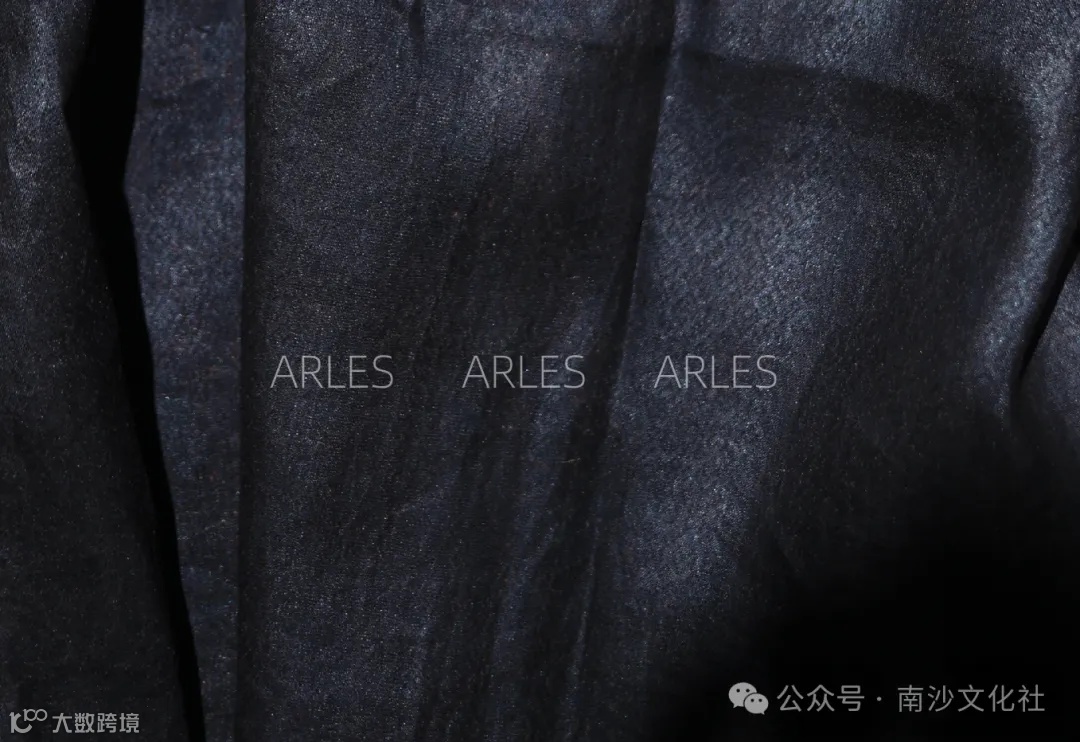
Definition and Process Features of Liangsha Chou (Gambiered Silk Fabric)
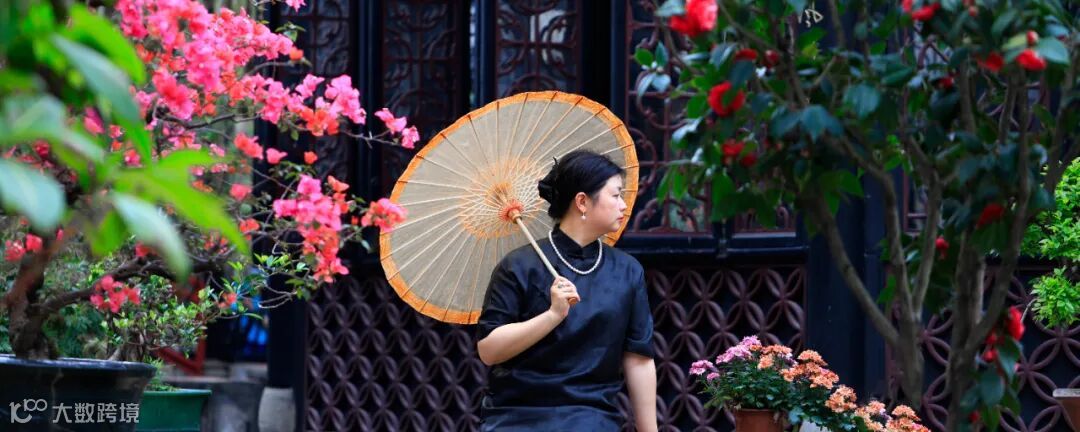
Liangsha Chou is a collective term for Liangsha (gambiered gauze) and Liangchou (gambiered plain silk). Both are made from Guangdong mulberry silk native yarn as the raw material and produced through the traditional sun-gambiering process. Liangsha is woven into a leno (gauze) structure using a jacquard hand loom. Because garments made from it rustle when moving, it was initially called "Xiangyunsha" (rustling gauze), later euphemistically changed to "Xiangyunsha" (fragrant cloud gauze) due to the homophone. Liangchou, on the other hand, is woven into a plain weave using a plain hand loom and is generally known as Heijiaochou (black silk fabric). It is worth noting that if the fabric is only sun-gambiered without mud-painting, the finished product appears red rather than black; this is called "Hong Liangsha Chou" (red gambiered fabric). This type was mostly used by poor peasants or fishermen, distinguishing it from the conventional black Liangsha Chou that undergoes mud-painting.
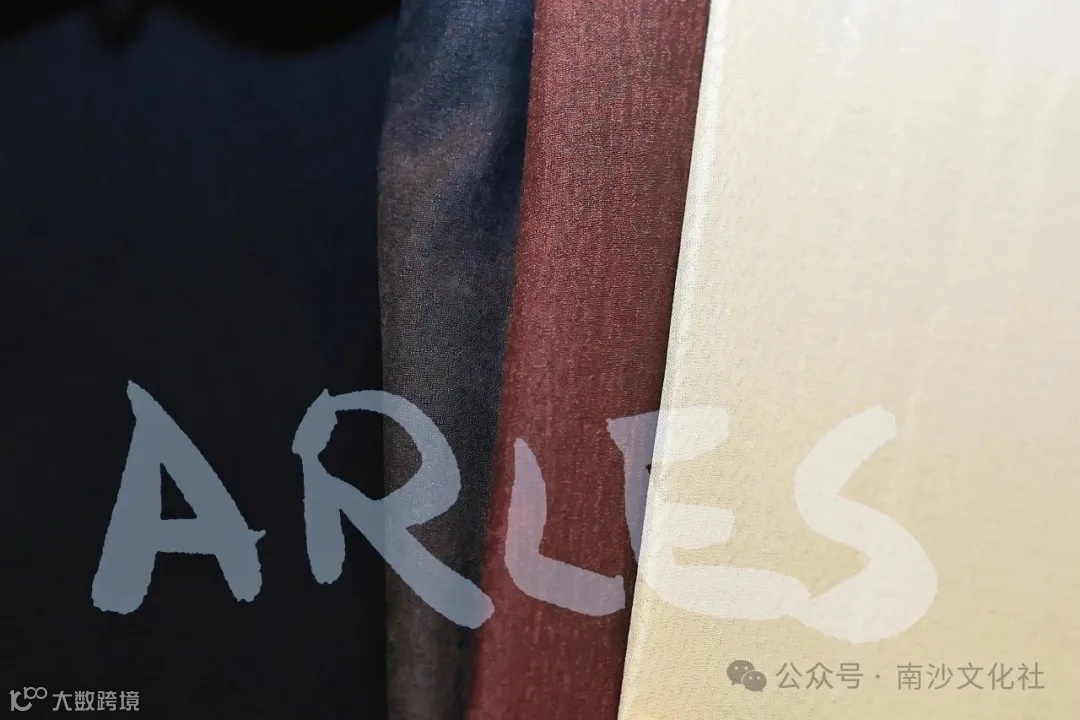
Unique Value and Cultural Symbolism of Liangsha Chou (Gambiered Silk Fabric)
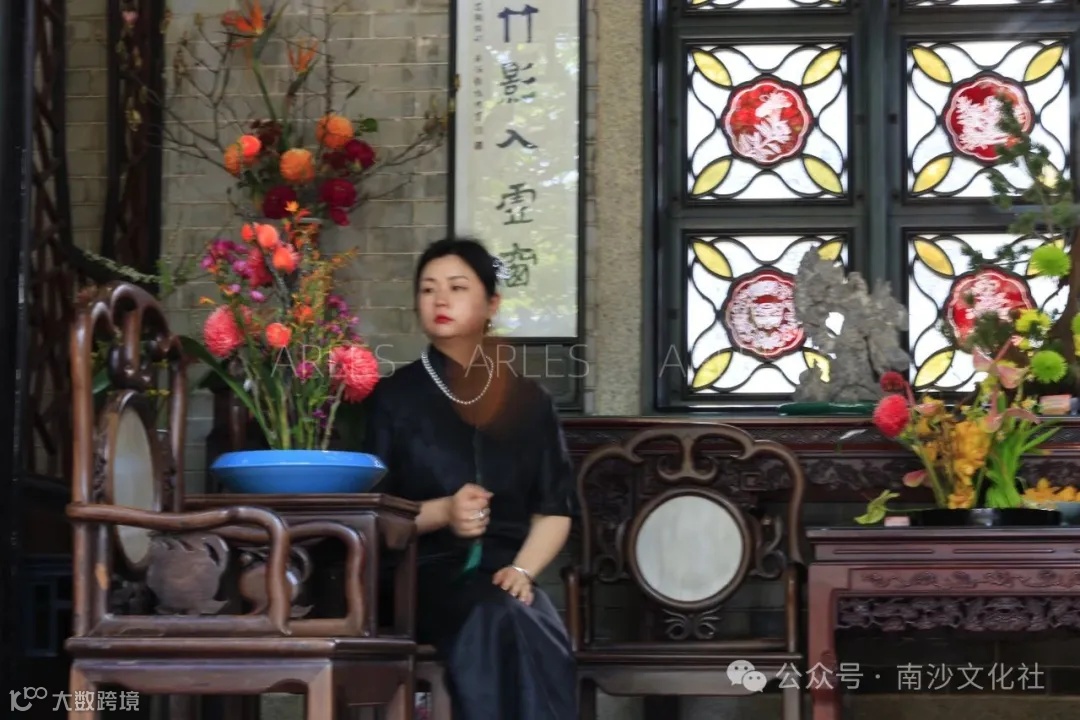
Liangsha Chou is currently the world's only pure natural plant-dyed silk fabric, produced exclusively in Guangdong Province. It has a tight, soft, and smooth structure, is durable and long-lasting, and features quick-drying, wrinkle-free properties without the need for soap washing. Due to its relatively high production cost, garments made of Liangsha Chou have historically become a symbol of status and prestige, embodying both practical value and cultural significance.
Modern Production Evolution of Liangsha Chou
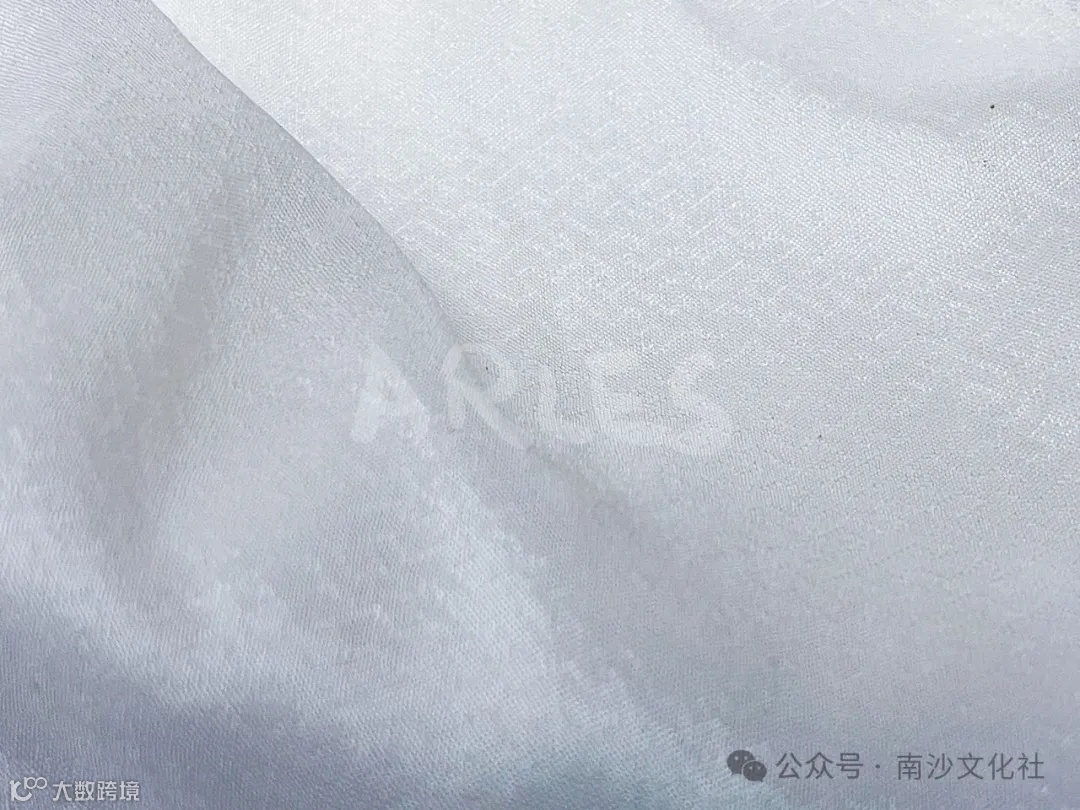
In the early 1970s, the Guangdong Provincial Department of Light Industry, in conjunction with the Provincial Department of Commerce, specifically formulated production standards for "plain grey gauze" (the base fabric) to regulate the production of Liangsha. Through production practice, the range of base fabrics was expanded. While plain grey gauze remained the main traditional base fabric for Liangsha, other materials such as "electric power silk" (a type of fine plain silk fabric) and fine-patterned silk brocade were also used for sun-gambiering. Broadly speaking, other degummed silk products can also be sun-gambiered, though the resulting quality may vary.
As the editorial team of this column, we consistently uphold an open, inclusive, and neutral stance. We are well aware that in a multicultural context, truth often emerges from dialogue and the clash of diverse perspectives. Therefore, we do not position ourselves as arbiters of views, but rather as “presenters” and “connectors” of ideas. Our core mission is to build a platform for equal and rational exchange, bringing together insightful opinions from scholars across different fields and backgrounds. Here, you may find articles with opposing viewpoints placed side by side, or encounter completely different interpretations of the same issue. We believe that such juxtaposition itself holds power — it rejects a single narrative, encourages readers to move beyond habitual thinking, and fosters independent reflection through comparison and discernment. “The sea is vast because it admits all rivers.” We cherish every rigorous and sincere scholarly voice, whether from tradition or modernity, East or West. We envision this platform as a “free market of ideas,” where high-quality academic dialogue inspires new questions and directions for exploration.
— Editorial Department, Nansha Culture Society
NALANGE CHRONICLES
Editor-in-Chief: Wang Xuan
Photographer: Xiao Tie
Calligrapher: Zhi Ming
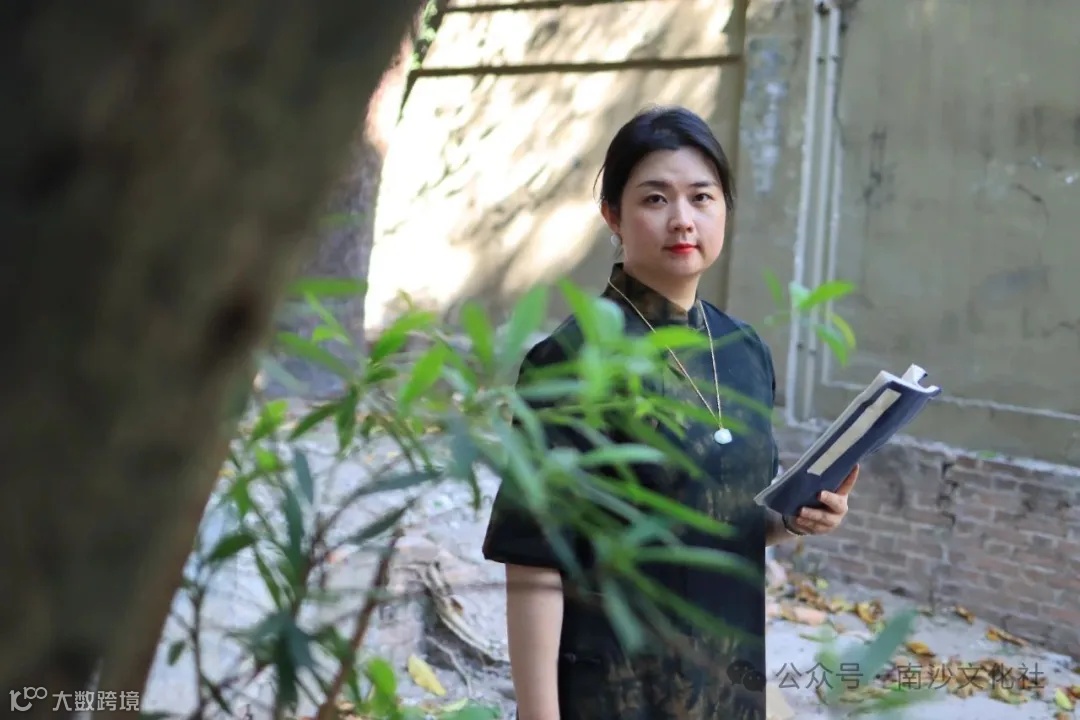
Costumes: WURAY MIRACLE, YUNSHA STAR RHYME
Dedicated to promoting Xiangyunsha silk as China’s intangible cultural heritage.
Email: 1399229194@qq.com