

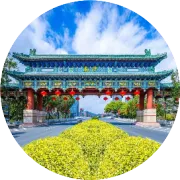

Overview of Dagang Town
Located in the northwest of Nansha, Guangzhou, Dagang Town boasts a superior geographical position and well-connected transportation networks. It borders Lancun Town to the north, adjoins Wusha Industrial Park of Shunde's Daliang Subdistrict to the west, connects to Huangpu Town in Zhongshan via the Guangzhou-Zhongjiang Expressway to the south, and faces Dongchong Town across the river to the east. The town is traversed by the Jiaomen and Hongqili waterways, two of the eight major estuaries of the Pearl River Basin, endowing it with abundant water resources.
Covering a total area of 90.07 square kilometers, Dagang comprises 25 villages and 6 communities. It has a permanent population of approximately 133,000, including 85,000 registered residents and about 48,000 migrants. Recognized for its beautiful environment and suitability for living and business, Dagang has received numerous honors. These include being ranked among the "Top 100 in Guangdong & Top 10 in Guangzhou" for comprehensive economic development, serving as a pilot town for the United Nations Development Programme, and being designated as a national pilot town for development and reform. Additionally, it has been honored as one of Guangdong's first demonstration towns for livability, a central town, a sanitary town, and an education-strong town.
Regarding the origin of the name "Dagang," according to the "Records of Panyu County's Towns and Villages," the name "Dagang" was marked on maps in the Republican-era "Revised Xiangshan County Gazetteer." The name derives from early settlers who lived on a hilltop and made their livelihood quarrying stone. The red stone they excavated was known as "Dagang Red," and over time, the name evolved into "Dagang." Administratively, the present-day Dagang Town was formed through the merger of the former Dagang Town, Tanzhou Town, and parts of Lingshan Town. The current urban area spans 14.3 square kilometers, making it the largest built-up area in northwest Nansha, with plans to expand to 24 square kilometers. Dagang Town has a profound history of industry, commerce, and trade traditions, serving as a vital commercial and trade hub in the northwest Nansha region.
The administrative evolution of Dagang Town in Nansha District, Guangzhou, spans centuries, with its jurisdictional affiliations undergoing several significant adjustments.
Originally part of the Tanzhou area under Panyu County, Dagang was placed under the jurisdiction of Xiangshan County (now Zhongshan City) in 1152 during the Southern Song Dynasty. On July 18, 1957, Dagang Town was transferred back to Panyu County. On December 1, 2012, it was reassigned from Panyu District to Nansha District.
The following timeline outlines key milestones based on official records:
I. Song to Qing Dynasty
1152 (Southern Song Dynasty): Dagang was incorporated into Xiangshan County (present-day Zhongshan City).
Mid-Qing Dynasty: Dagang began to develop into a village.
II. Republic of China Period
According to the Records of Panyu County's Towns and Villages, the name "Dagang" was documented in maps in the Revised Xiangshan County Gazetteer during this period.
III. After the Founding of the People's Republic of China
June 1953: The Dagang Market Town was separated from the former Dagang Township and established as Dagang Town.
1959: Dagang Town was placed under the administration of Panyu County. Subsequently, its administrative designations included Dagang District, Township, Commune, and Town.
2003: Tanzhou Town was merged into Dagang Town.
2006: Parts of Lingshan Town were incorporated.
September 2012: Pursuant to the State Council's Approval of Adjustments to the Administrative Divisions of Guangzhou, Guangdong Province, Dagang Town was transferred from Panyu District to Nansha District, Guangzhou.
Since the Southern Song Dynasty, Dagang was primarily under Xiangshan County. After the establishment of the People's Republic of China, it was designated as a town and transferred to Panyu County in 1959. In the 21st century, its territory expanded through mergers in 2003 and 2006, and it was ultimately placed under the jurisdiction of Guangzhou's Nansha District in 2012, where it remains today.

【Geographical Setting】
Located in the core area of the Pearl River Delta, Dagang Town in Nansha District boasts a unique geographical environment. Bordered by water on three sides and embraced by the Hongqili and Jiaomen waterways, the town features a typical riverine landscape. It is crisscrossed by a dense network of 50 internal and external rivers, stretching approximately 157 kilometers in total, providing abundant water resources. Situated south of the Tropic of Cancer, Dagang experiences a distinct South Asian tropical maritime monsoon climate characterized by four clear seasons: cloudy and rainy springs, long but not excessively hot summers, clear and pleasant autumns, and mild winters with rare severe cold. The long frost-free period throughout the year creates favorable conditions for the growth of diverse flora and fauna.
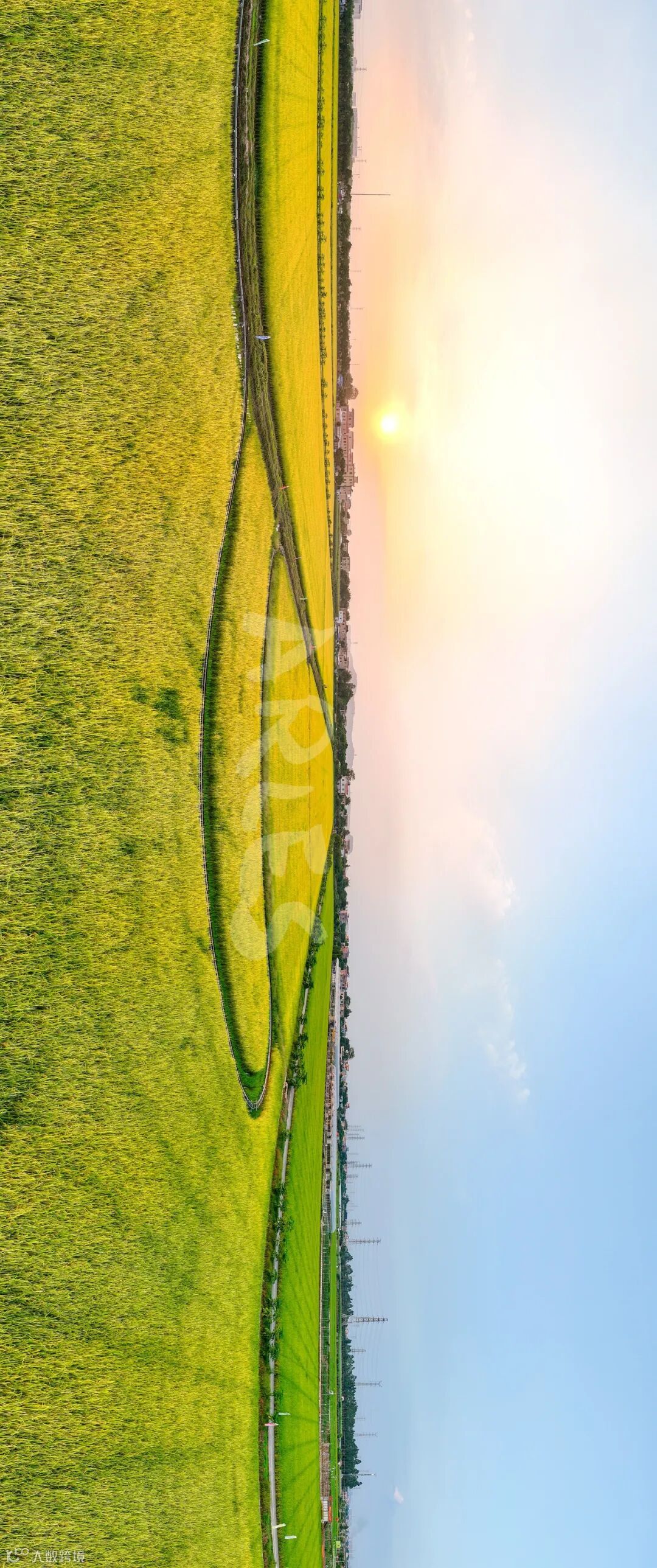
Benefiting from its rich water systems and warm, humid climate, Dagang is endowed with highly diverse natural resources. Its waters are home to various migratory and freshwater fish such as Asian swamp eels, yellow finless eels, Reeves shad, and river eels, while crustacean and shellfish resources are also plentiful, providing excellent conditions for the local aquaculture industry. Additionally, Dagang's fertile land and diverse topography—encompassing low hills, alluvial plains, and mudflats—support over 50,000 mu (approximately 3,333 hectares) of cultivated and aquaculture areas. The town is known for its abundant production of rice, sugarcane, bananas, and the "four major Chinese farmed fish," along with specialty agricultural products like Tanzhou white sugarcane, Xinsha arrowroot, and Nancunfang mustard tubers. As an important agricultural base in Nansha District, Dagang has long been renowned as a "land of fish and rice." This ecological pattern, integrating water, farmland, hills, and mudflats, is not only the result of natural evolution and river alluviation but also reflects centuries of wisdom and efforts in land reclamation and development by the local people.
【Tourist Attractions】
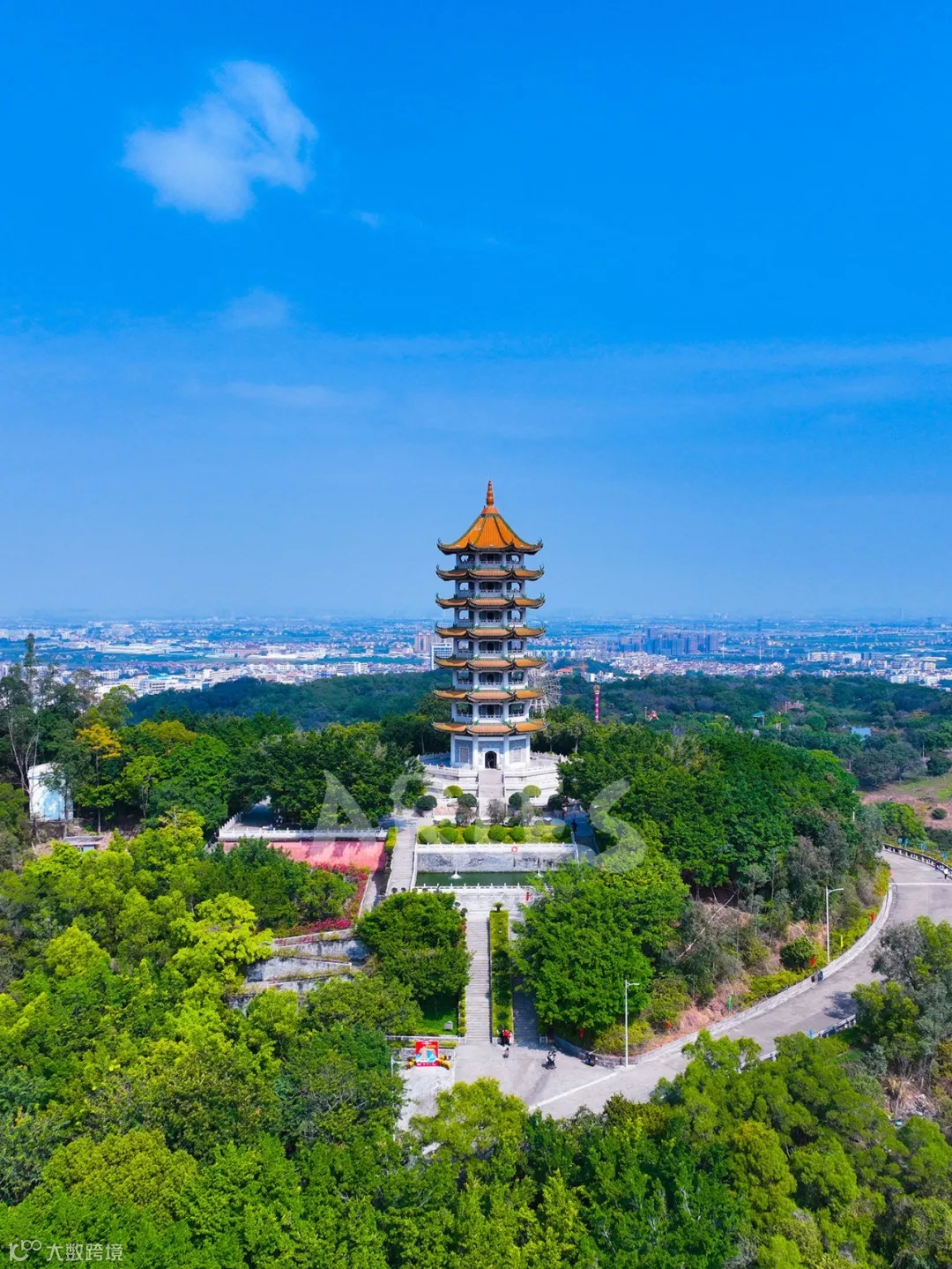
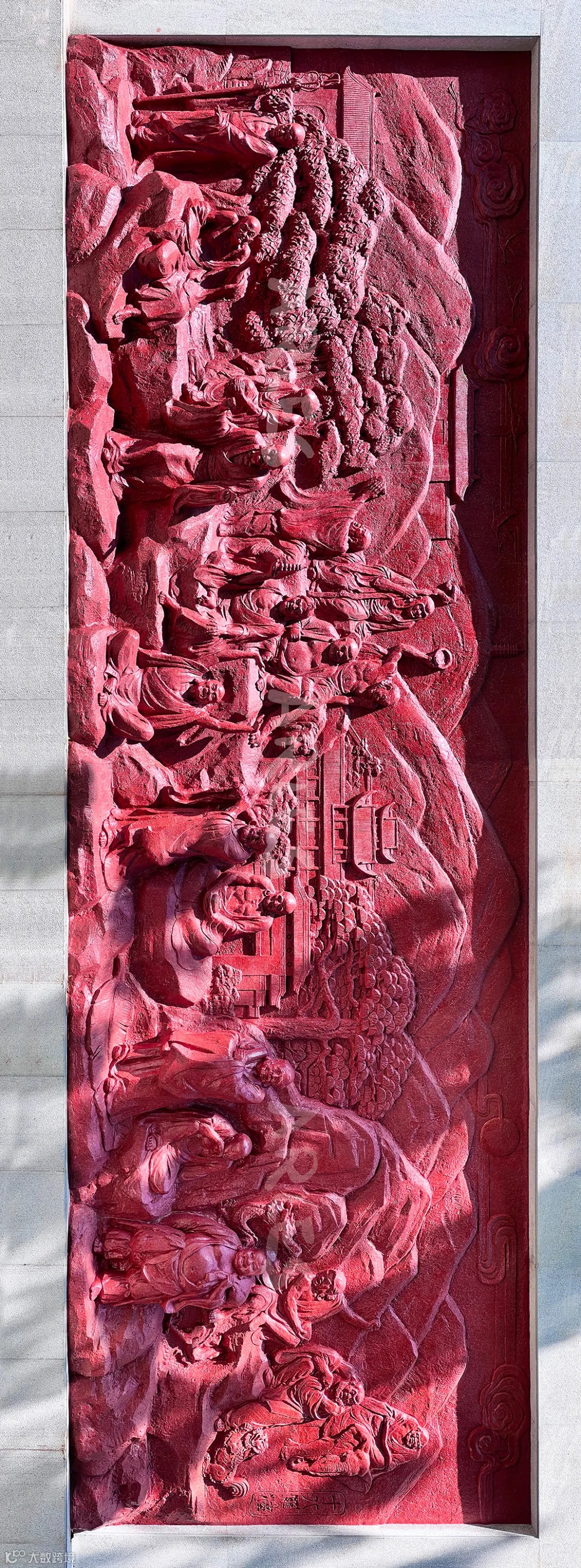
Nestled in Nansha District, Dagang Town boasts unique natural landscapes and cultural heritage, forming a tourist destination that blends geological wonders with ecological beauty. The town's geological foundation was laid during the Yanshan Movement over 100 million years ago, where crustal folding, faulting, and magma intrusions shaped the residual hill landforms represented by the Eighteen Arhats Mountain, Fogang, and Guigang. As the core scenic area, Eighteen Arhats Mountain not only integrates forests, valleys, lakes, and ancient sea-eroded cliffs but also preserves centuries-old cultural relics such as the Cloud Rosette Taoist Temple and Guanyin Pavilion. It was accredited as a National 3A-Level Tourist Attraction in 2022. The annual Cherry Blossom Festival held each spring attracts numerous visitors, while sites like Arhat Ridge and Nanwan Frog Valley Park further enrich the ecological experience—the former offering panoramic views and the latter providing rural sightseeing and family-friendly educational activities.
Dagang Town is steeped in historical and cultural significance, particularly renowned for its red sandstone resources. The ancient quarry at Zhengtang Pond, which extracted "Dagang Red" stone as early as the seventh year of Emperor Qianlong’s reign in the Qing Dynasty, still displays vestiges of凿痕斑驳的崖壁 on its cliffs, serving as a living fossil for studying Lingnan architectural materials. Scattered throughout the town, ancient villages and ancestral halls—such as the Kong Family Ancestral Hall in Lingdong Village and the Yiya Liang Ancestral Hall—retain the traditional Lingnan architectural style, bearing witness to the enduring legacy of Dagang’s clan culture.
In terms of ecological development and cultural-tourism integration, Dagang continues to advance beautiful countryside renovations and park upgrades. Leveraging its natural endowment of "hills, waters, and abundant sandy fields," the town is progressively building a tourist-friendly environment that harmonizes mountains, waters, farmlands, and urban areas. In recent years, the Gaoxinsha Reservoir, a key node in the Pearl River Delta water resources allocation project, has also become a modern landmark with educational and sightseeing value. Meanwhile, local delicacies like the "18 Dishes of Dagang"—including the crispy-skinned and tender Dagang Roast Chicken—along with vibrant night market streets, collectively form a dynamic culinary culture experience, further highlighting Dagang’s diverse charm as a cultural-tourism town.
【History and Culture】
Dagang Town: A Cultural Tapestry Beyond Its Hills
Though "Gang" (hill) forms part of its name, Dagang Town's historical and cultural lineage extends far beyond its hills. Here, where mountains and waters harmoniously coexist, the area gathers red stone geology, Qing Dynasty silver mines, Hakka migration, ancient architectural relics, and diverse folk traditions into a single, vibrant tapestry—creating a timeless reader on Lingnan regional culture.
I. Tracing the Stone Veins: From 'Dagang Red' to Ancient Villages
Dagang's name is intrinsically linked to stone. The Qing Dynasty Xiangshan County Gazetteer records Dagang as part of Xiangshan's Huangqi District, within Tanzhou Township, while the Records of Panyu County's Towns and Villages also includes "Dagang" on its maps. The "Dagang Red" sandstone quarried here, renowned for its vibrant hue and exceptional hardness, gave the area its name, which later evolved into "Dagang."
As early as the Ming Dynasty, clans such as the Xies of Shangcun, the Yangs of Nancun, the Kongs of Lingdong, and the Fengs had settled here. By 1742 (the seventh year of Emperor Qianlong's reign), Hakka people from the Dongjiang region migrated to Dagang and Tanzhou, quarrying red stone at locations like Bagushan Zheng Tang and Cheng Gaokeng. This stone-quarrying livelihood formed early settlements, laying a profound foundation for Dagang's "stone culture."
Traces of this stony heritage remain visible today:
The Ancient Quarry at Zheng Tang Tan, a Guangzhou Municipal Cultural Heritage Site, features steep, scarred cliffs bearing witness to centuries of quarrying.
The Bagushan Quarry Boundary Stone is Guangzhou's only surviving Qing Dynasty quarry stele, a rare artifact.
Geologist Liu Jinshan notes that the ancient marine erosion landforms of Eighteen Arhats Mountain represent the highest-altitude and oldest marine erosion relics discovered in the Pearl River Delta, holding significant scientific value.
II. Silver Mining Era: Sun Mei, He Kunshan, and Revolutionary Pioneers
Beneath Dagang's surface lay not only stone but also silver. The late Qing Dynasty saw two silver mines here, closely linked to Sun Yat-sen.
The pioneer was Sun Mei, Sun Yat-sen's elder brother. He established the Huabao Silver Mine at Dagang Wei (now the Wanxin factory site), collaborating with British merchants to dig mine shafts and lay light rail tracks, creating an operation so large it was known as the "Great Factory." The Records of Panyu County's Towns and Villages identifies the manager as He Kunshan—who is very likely the same industrialist He Xianchi (courtesy name Kunshan) who later operated the Tanzhou Silver Mine.
He Kunshan, a cousin of He Qi (Sun Yat-sen's teacher), introduced British machinery in 1884 to open the Tanzhou Silver Mine near the original site, making it one of China's earliest large-scale privately operated silver mines using mechanized extraction. Connected through He Kunshan's involvement, these mining ventures not only clarify the historical progression but also intimately link Sun Yat-sen's revolutionary family and his network of mentors and friends, forming a precious memory in modern industrial history.
III. Legacy of Ancient Charms: Star of Literature Pavilion, Lingdong Village, and Ancestral Halls
Dagang's ancient architecture offers tangible evidence of its cultural heritage. The Star of Literature Pavilion (Kuixing Tower) at Dong Xiu Men, the only surviving Kuixing Tower in Nansha, once served as a place where scholars prayed for literary success, bearing witness to the enduring influence of the imperial examination culture.
Lingdong Village, a representative ancient settlement, retains deep clan traditions. The village's Kong Family Ancestral Hall signifies the settlement and legacy of Confucius's descendants here, continuing Confucian rites. The Yiya Liang Gong Ancestral Hall, a registered heritage site in Nansha, showcases the refined elegance of Lingnan ancestral architecture with its flush-gable roof, grey sculpted "Bogu" ridge, and blue-brick walls. Additionally, the Tanzhou Qilou (Arcade Buildings), designated as Guangzhou Traditional Vernacular Architecture, with their continuous colonnades and Sino-Western eclectic style, silently speak of the commercial prosperity of the 20th century.
IV. Championing Culture and Education: Nansha's Earliest Library in Dagang
Nansha's earliest library, built in 1942, stands atop Jinzhou Hill within Gangcheng Primary School in Zhengnan Community, Dagang Town. Funded by local villagers and overseas compatriots, this red-brick, green-tile building originally featured a reading pavilion on each side. The hexagonal pavilion on the east bore a couplet: "A sharp sword is honed through grinding; plum blossoms' fragrance comes from bitter cold," conveying the tradition of diligent study.
Though now repurposed as a school history reading room due to changing library needs, the building remains well-preserved, with its white walls, grey tiles, and original wooden roof components intact. Original floor tiles are preserved under glass panels, while the interior displays school history records, profiles of past principals, certificates of honor, and precious historical materials donated by alumni, such as periodicals and school registers. For over eighty years, this building has quietly testified to Dagang's cultural inheritance of respecting teachers, valuing education, and cherishing knowledge.
V. Cultural and Athletic Heritage: Cantonese Opera Masters and Basketball Enthusiasm
Dagang's culture embraces both inclusivity and vitality, excelling in "cultural and athletic pursuits."
Culturally, Dagang has nurtured numerous Cantonese Opera masters, including renowned playwright Chen Guanqing, and nationally recognized first-class performers Feng Gangyi and Guo Fengnü. The "Guo Fengnü Cantonese Opera Studio," established in 2021, actively promotes Cantonese Opera in villages, communities, and schools. In 2023, the Gangcheng Primary School Cantonese Opera Troupe won a silver award and the "Best Performance Award" in a Nansha District competition, showcasing the revitalization of traditional art.
Athletically, Dagang is Nansha's "basketball heartland." Since the late Qing Dynasty, basketball has taken root here, with nearly annual tournaments attracting teams from neighboring towns. All 25 villages and 6 communities boast their own basketball teams and annual competitions, embedding the sporting spirit deeply within the community.
From red stone quarrying to the rise and fall of silver mining, from prayers at the Kuixing Pavilion to the melodies of Cantonese Opera, from championing culture and education to the passion for basketball—Dagang's history is a Lingnan epic interweaving geological wonders, migrant pioneering, industrial exploration, and cultural continuity. This land is founded not just upon "stone," but is soulfully animated by "culture," continually inscribing, through the tides of change, the profound memories and multifaceted future of a hill-town named Dagang.
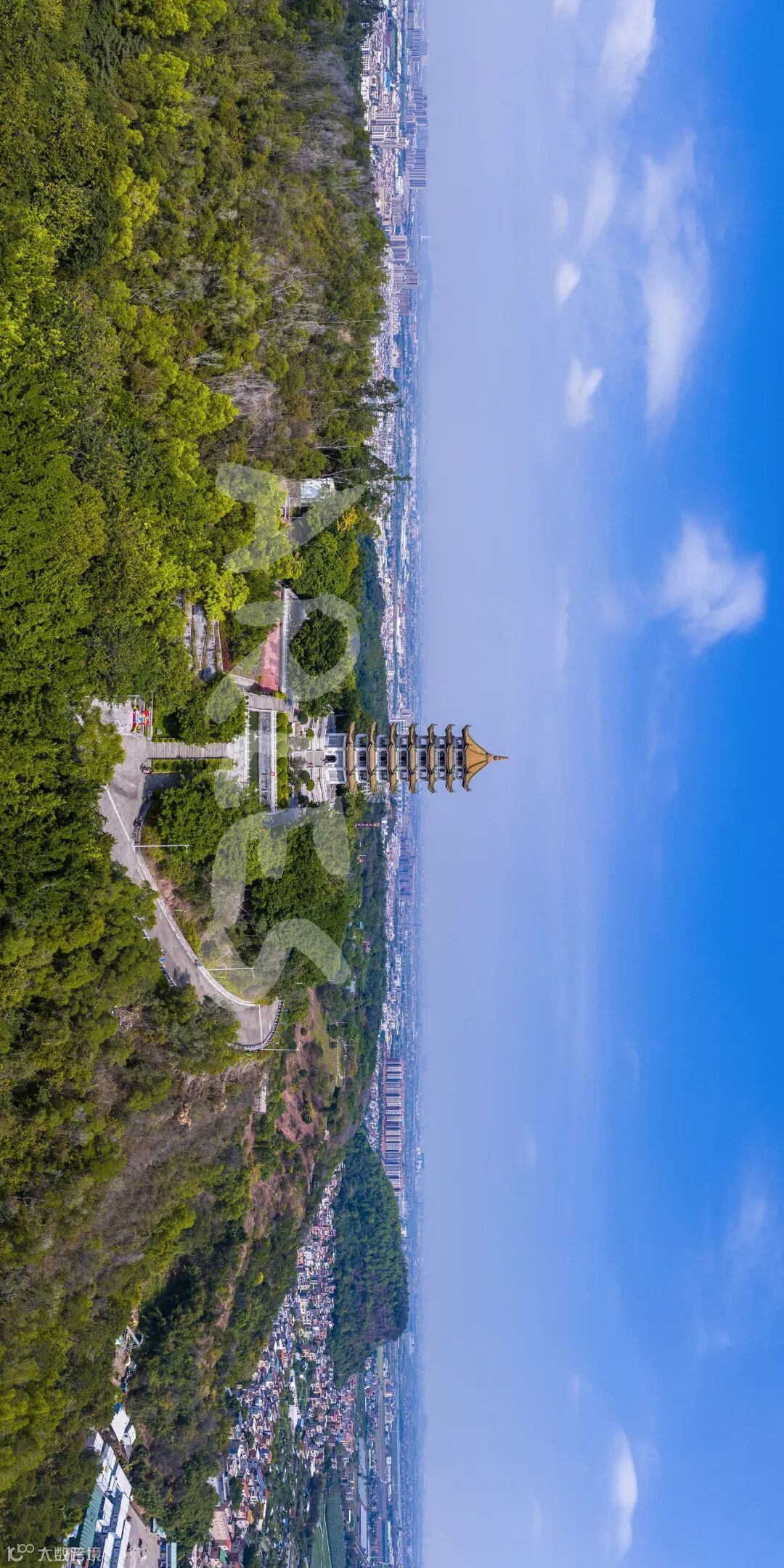
【Commercial Hubs】
The economic and commercial development of Dagang Town in Nansha District is characterized by a distinct model of "promoting commerce through industry and integrating culture with business," supported by a solid industrial foundation. Currently, Dagang has preliminarily established four leading industries: high-end equipment manufacturing, metal machinery, electromechanical products, and solid wood furniture. Among these, the Dagang Sui-Hong Smart Manufacturing Base, positioned as a key industrial and innovation hub for Nansha’s role as a core gateway city in the Guangdong-Hong Kong-Macao Greater Bay Area, serves as a vital engine for western regional economic growth. Meanwhile, a "C-shaped" industrial belt, centered on the Dagang Advanced Manufacturing Park and the Nansha Marine Equipment Industrial Park, is rapidly taking shape. It is projected to achieve an output value exceeding RMB 20 billion by 2026, providing a robust industrial base and consumption potential for supporting regional commercial development.
In terms of integrating culture, tourism, and commerce, Dagang Town has meticulously developed an "All-Season Festival" cultural-tourism IP, forming a unique consumption-driven model. Centered around the national 3A-level tourist attraction Eighteen Arhats Mountain Forest Park, a series of events—such as the spring cherry blossom festival, the summer "Village BA" basketball tournament, the autumn harvest festival, and the winter flower market—consistently attract visitors and stimulate spending. Notably, the Dagang Circular Economy Industrial Park, also a national 3A-level tourist attraction, has pioneered an innovative model of "industry + tourism + education + commerce," effectively combining industrial functions with cultural-tourism experiences. This approach of "using culture, tourism, and sports as a stage for cultural, commercial, and agricultural activities" has successfully boosted tourism formats like rural homestays and cultural experiences, transforming tourism流量 into tangible commercial growth.
Looking ahead, building on its vast contiguous industrial land of over 5,000 mu and the existing four major industries, Dagang Town is focusing on building a "1+4" industrial cluster system. This includes one RMB 10-billion-level industrial cluster for heating and refrigeration equipment, and four RMB 5-billion-level clusters for power equipment, new materials, automotive parts, and marine equipment. This clear industrial development plan not only lays the foundation for modern manufacturing but will also leverage key platforms like the Sui-Hong Smart Manufacturing Base to foster supporting high-end producer services and consumer services commercial circles. This will create a development pattern where industry and commerce interact positively and mutually reinforce each other.

Education Facilities
Dagang Town's education system encompasses preschool education, compulsory education, and vocational education. The town boasts several public kindergartens, including Dagang Town Central Kindergarten, Tanzhou Central Kindergarten and its branch, and Lingshan Kindergarten, while private kindergartens like Lingdong Village Kindergarten also provide diverse options. At the compulsory education stage, in addition to the existing Gangcheng Primary School, Dagang Middle School, and Lingshan Middle School, the newly opened Dagang Experimental Primary School in 2023 (with a capacity of 36 classes) has further enriched public primary school resources. In vocational education, the Guangdong Provincial Key Vocational High School, Lingdong Vocational Technical School, offers majors such as Preschool Education and Automotive Maintenance, providing students with pathways for professional skill development.
Healthcare Services
The public healthcare system in Dagang Town, Nansha District, Guangzhou, is centered around the Nansha District People's Hospital. Originally established in 1958 as the Sixth People's Hospital of Nansha District, it is the largest public Class II Grade A general hospital under the district administration, located at No. 7 Xingye Road, Dagang Town. Its specialized departments include Hepatobiliary Surgery, Orthopedics, and Cardiovascular Medicine, and it has successfully established a National (Basic-Level Version) Chest Pain Center and a Guangdong Provincial Stroke Prevention and Treatment Center.
According to the Nansha District 2024 medical institution reform, the former Guangzhou Nansha District Lingshan Hospital has been renamed the Guangzhou Nansha District Dagang Town Lingshan Community Health Service Center. Simultaneously, the Guangzhou Nansha District Dagang Town Community Health Service Center has been renamed the Guangzhou Nansha District Dagang Town Tanzhou Community Health Service Center. These community health service centers and their subordinate health stations collectively form Dagang Town's primary healthcare network, fulfilling the role of "hospitals at the doorstep of the residents."
Infrastructure
In terms of external connectivity, Dagang Town is the starting point for several major projects:
The Lionyang Link, a cross-sea mega-project connecting the east and west banks of the Pearl River, begins in Dagang Town and is set to break five world records upon completion.
The connection section between the Lionyang Link and the Guangzhou-Zhongjiang Expressway has also commenced construction and is expected to open in 2027, significantly improving travel efficiency between cities on the west and east banks of the Pearl River.
According to earlier planning, Dagang Town has also been designated a regional transportation hub, with plans for the Dagang Station passenger hub, a general aviation airport, and the Dagang Freight Station.
Regarding the internal road network, Dagang Town is also actively making progress:
Xinlian 1st Road and Xinlian 3rd Road within the Advanced Manufacturing Base have recently passed final inspection and acceptance, increasing road density in the area.
The base also plans for a new bus terminal.
To improve traffic quality, upgrade projects for Yueshan Road and Haolong Road have been scheduled.
Furthermore, new projects such as the North Long Road extension and roads surrounding the resettlement area will further enhance internal circulation and refine the town's overall transportation network.

Dagang Town in Nansha District has earned a series of prestigious honors, reflecting its comprehensive and robust development strength. In the economic sphere, it has consistently ranked among the "National Top 1000 Towns" (127th in 2023, 128th in 2024) and the "National Top 500 Towns by Economic Strength." It has also been recognized for its comprehensive economic development prowess as one of the "Top 100 in Guangdong & Top 10 in Guangzhou."
The town has demonstrated outstanding performance in grassroots governance and Party building. In 2023, it was designated a "Guangdong Provincial Demonstration Town for Rural Governance." Its innovative Party-building initiatives, such as the "Twin-Post Initiative" and the "Xingfuli (Happiness Lane) Party-Mass Service Market," were awarded first place in the rural category and recognized as an outstanding case, respectively, in the Guangdong Provincial Grassroots Party Building Innovation Case selection.
Furthermore, Dagang Town has been selected as one of the first batch of typical towns under Guangdong's "Hundreds of Thousands Project," a provincial pioneer in livable demonstration towns, and a pilot center town for planning and construction based on small-city standards. These accolades collectively attest to its exceptional achievements in high-level governance, rural revitalization, and the integration of the digital economy.
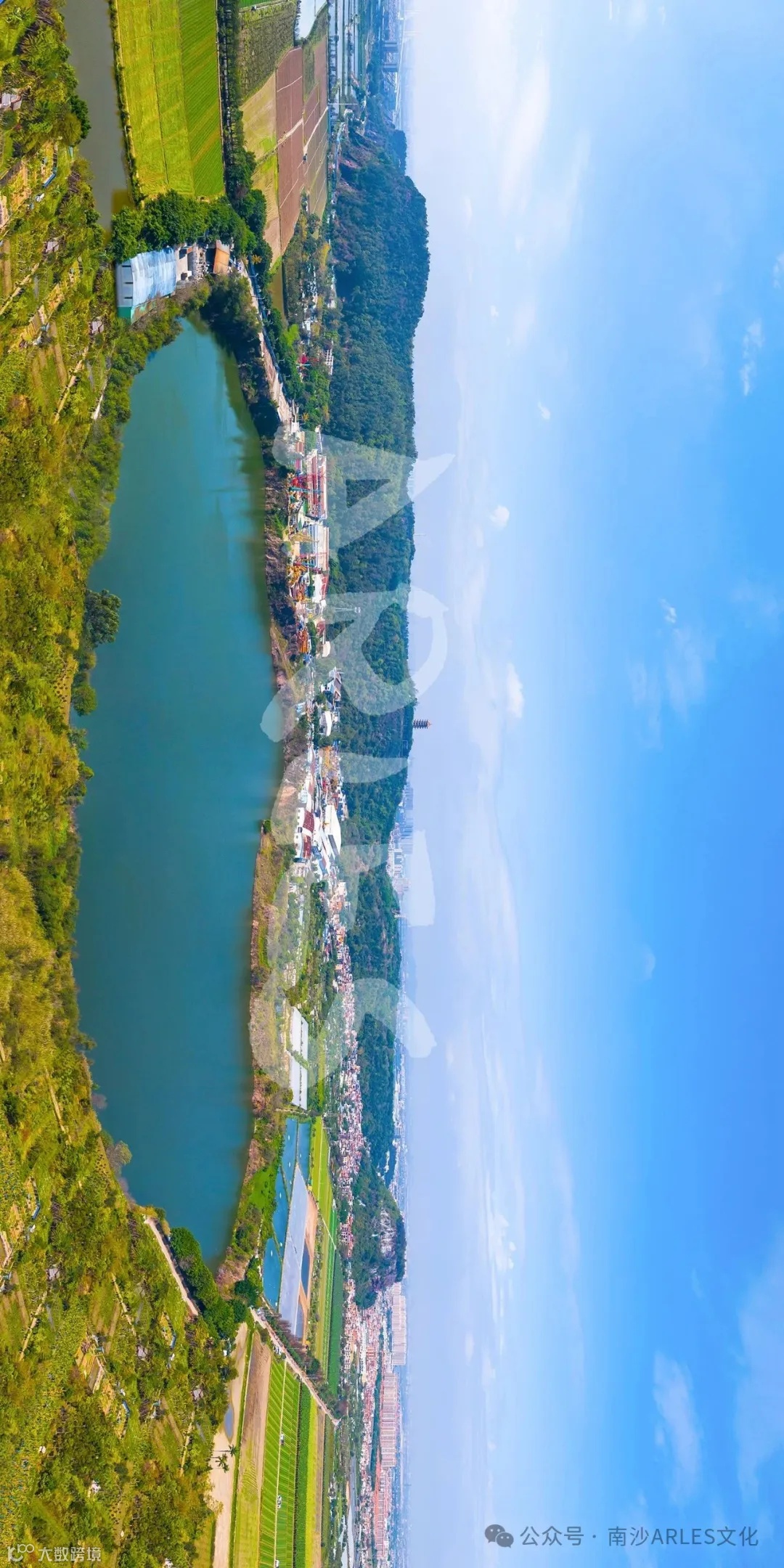
So, would you come to visit such a Dagang Town in Nansha? 😊
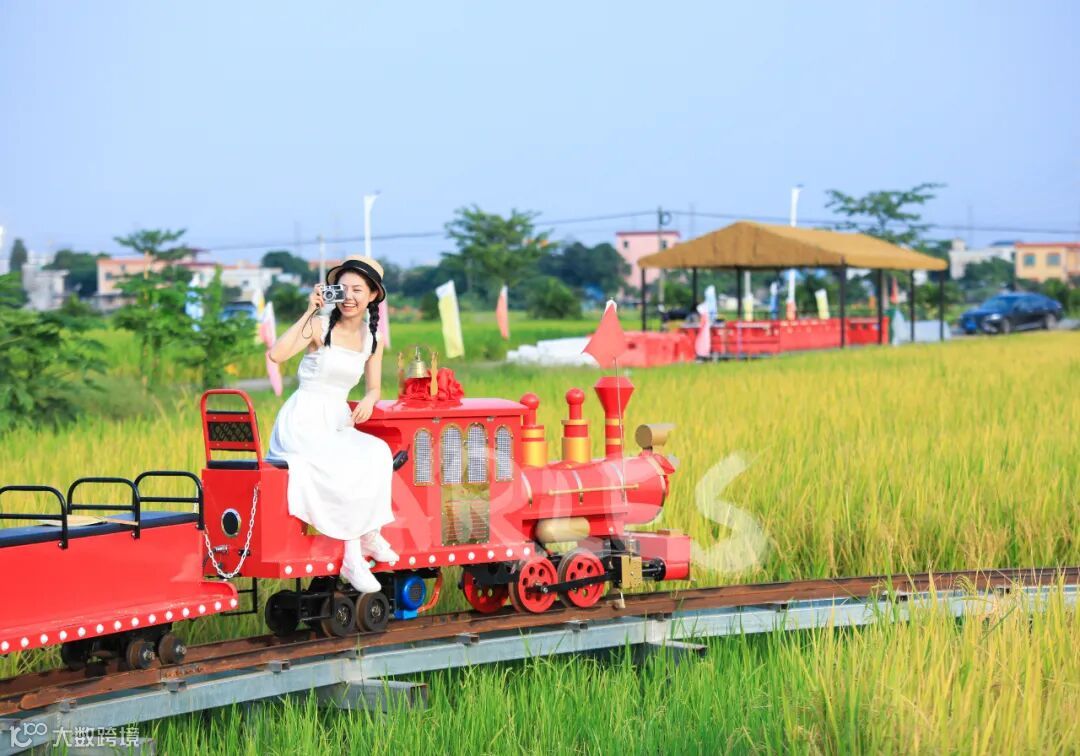
Produced By: Nansha Cultural Society
Editor: Xuan Wang
Photography: Xiaotie Chen
Model: The Nansha Maiden、shishi
Contact Us: 1399229194@qq.com