
Centennial Watcher of the Pearl River Estuary
Guangdong Provincial Cultural Relics Protection Units
Sampanzhou Lighthouse
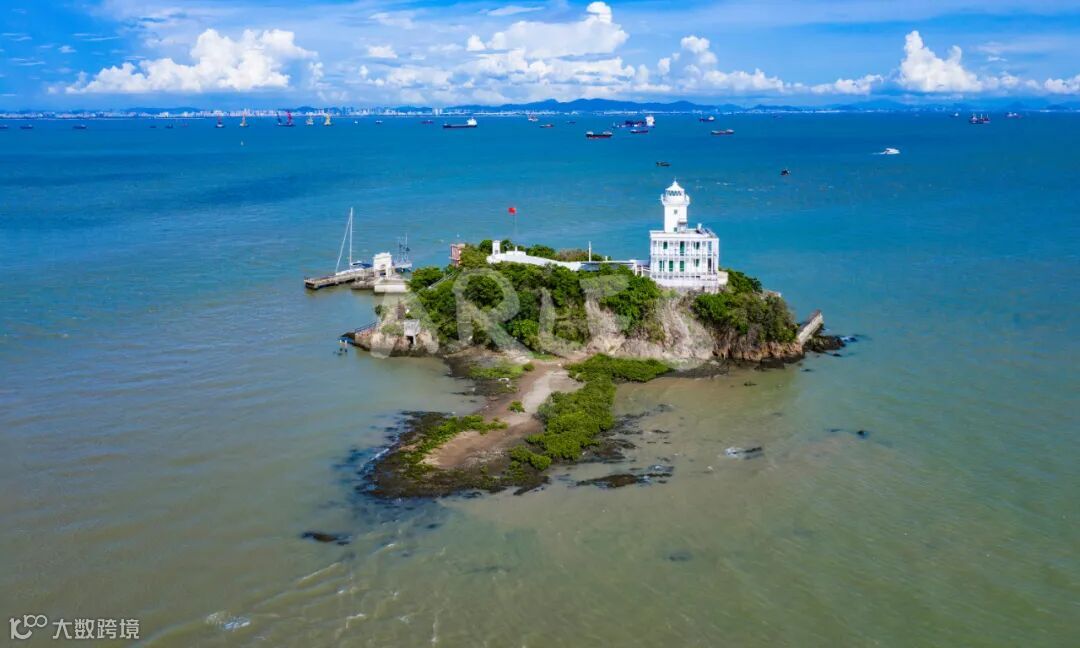
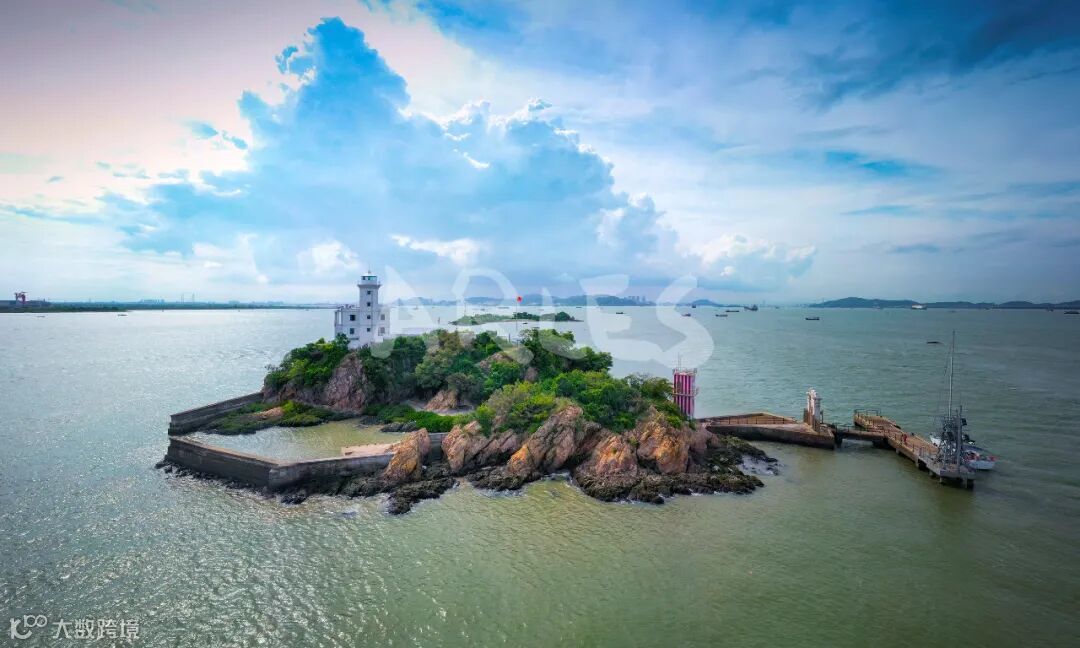
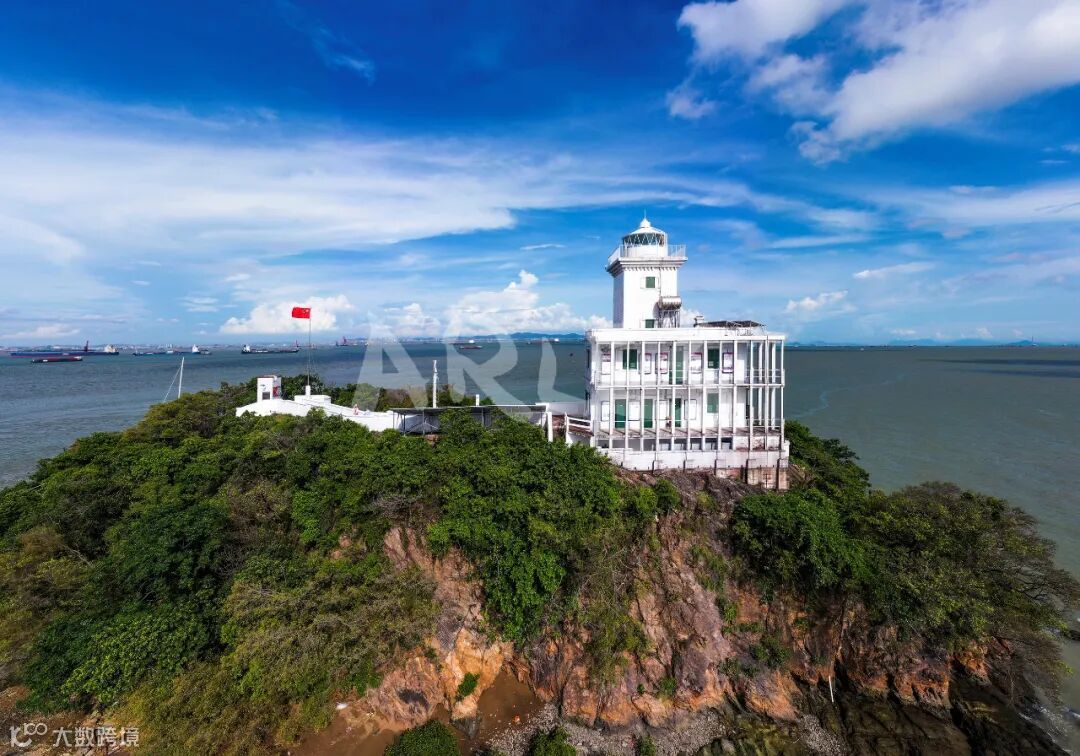
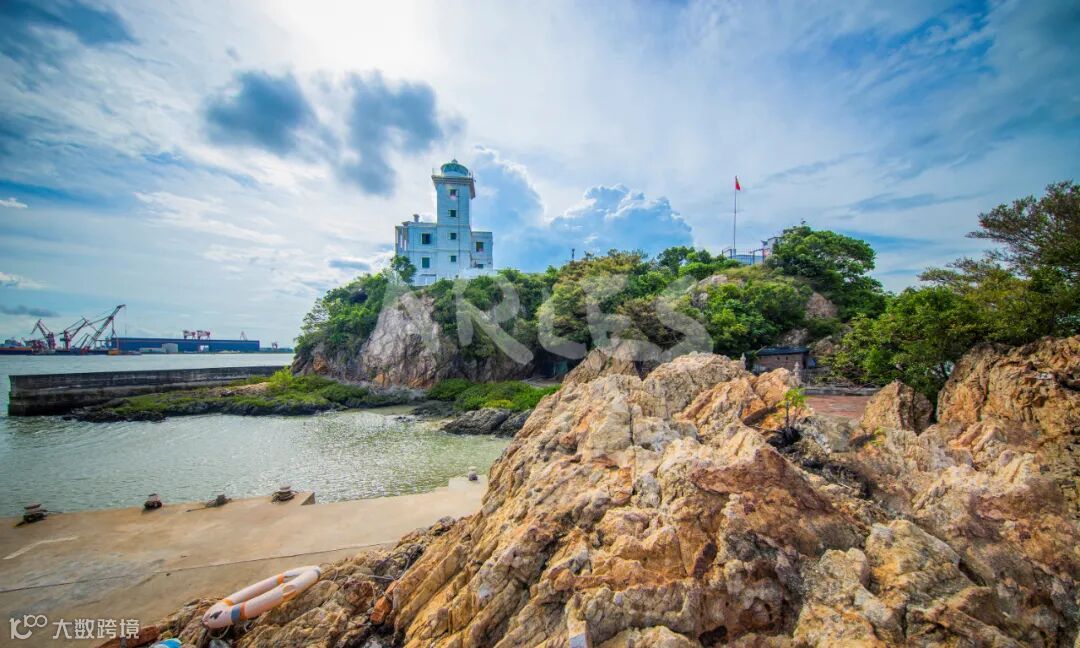
Amid the vast smoke at the mouth of the the Pearl River, a milky white lighthouse has stood alone for 109 years. It is the only remaining modern navigation lighthouse still in use in Guangzhou. The sampan island beneath its feet covers an area of only three acres, with seven tenths of the reef covered in three tenths of thatch. From a distance, it looks like a small sampan floating among the waves. Here we guard the intersection of Humen Waterway and Lingdingyang. There are large rows of hidden reefs with a depth of only 8 meters 1.3 nautical miles to the east, and three rows of hidden reefs 1.9 nautical miles to the southeast——
4000 ships pass through here every day
Relying solely on this lighthouse to guide the course.
Navigation markers in the smoke of history
Sampanzhou Lighthouse
Sampanzhou Island, located at the junction of the Pearl River Estuary and Lingdingyang, east of Longxue Island, the Neighborhood Committee of Longxue Community, Wanqingsha Town, Nansha District, Guangzhou City, Guangdong Province, is an isolated island on the east side of Longxue Island between Humen Waterway and Jiaomen Waterway, surrounded by water.
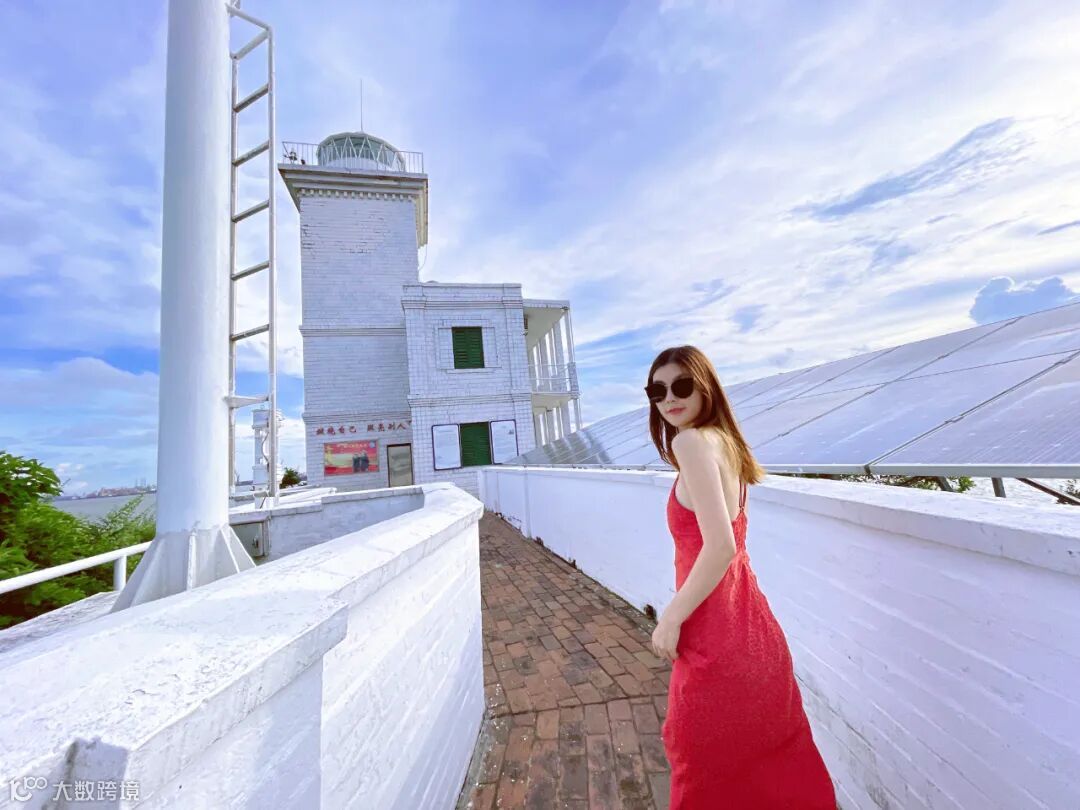
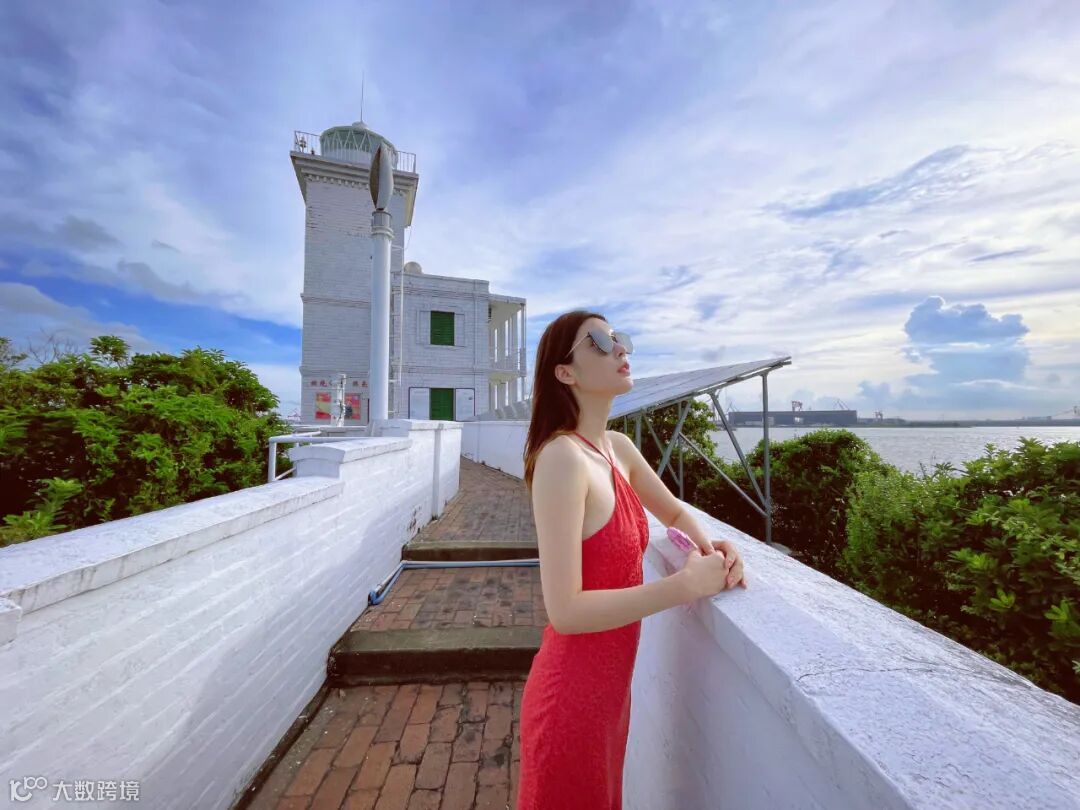
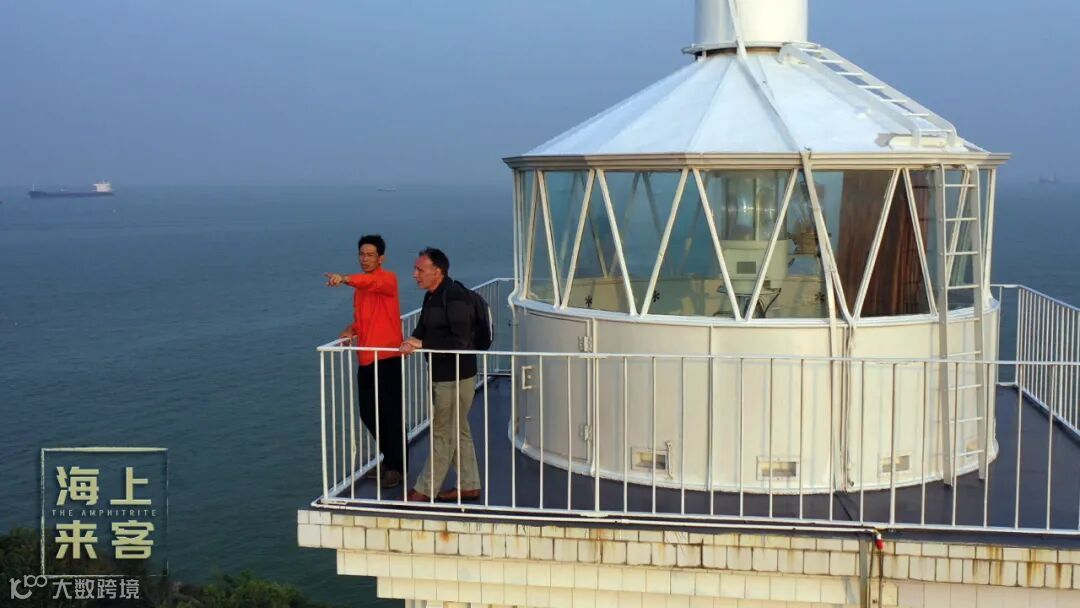
The milky white lighthouse standing on the 2000 square meter sampan island was built by Guangzhou Customs in 1915 to facilitate international trade. This reinforced concrete building, designed by a French designer, is about 20 meters high and has a five story structure resembling a handgun. It is affectionately known as the "White Lantern Tower" by fishermen. The main building is 14.74 meters long and 10 meters wide, covering an area of 147.4 square meters. It is connected to the top of a five story conical tower by stairs. The ingeniously designed glass loft on the top is about 5 square meters, and its transparent glass windows are equipped with two giant light fixtures, which radiate the light to the four seas at night, continuing the prosperous memory of thousands of years of merchant ship exchanges at the mouth of the the Pearl River.
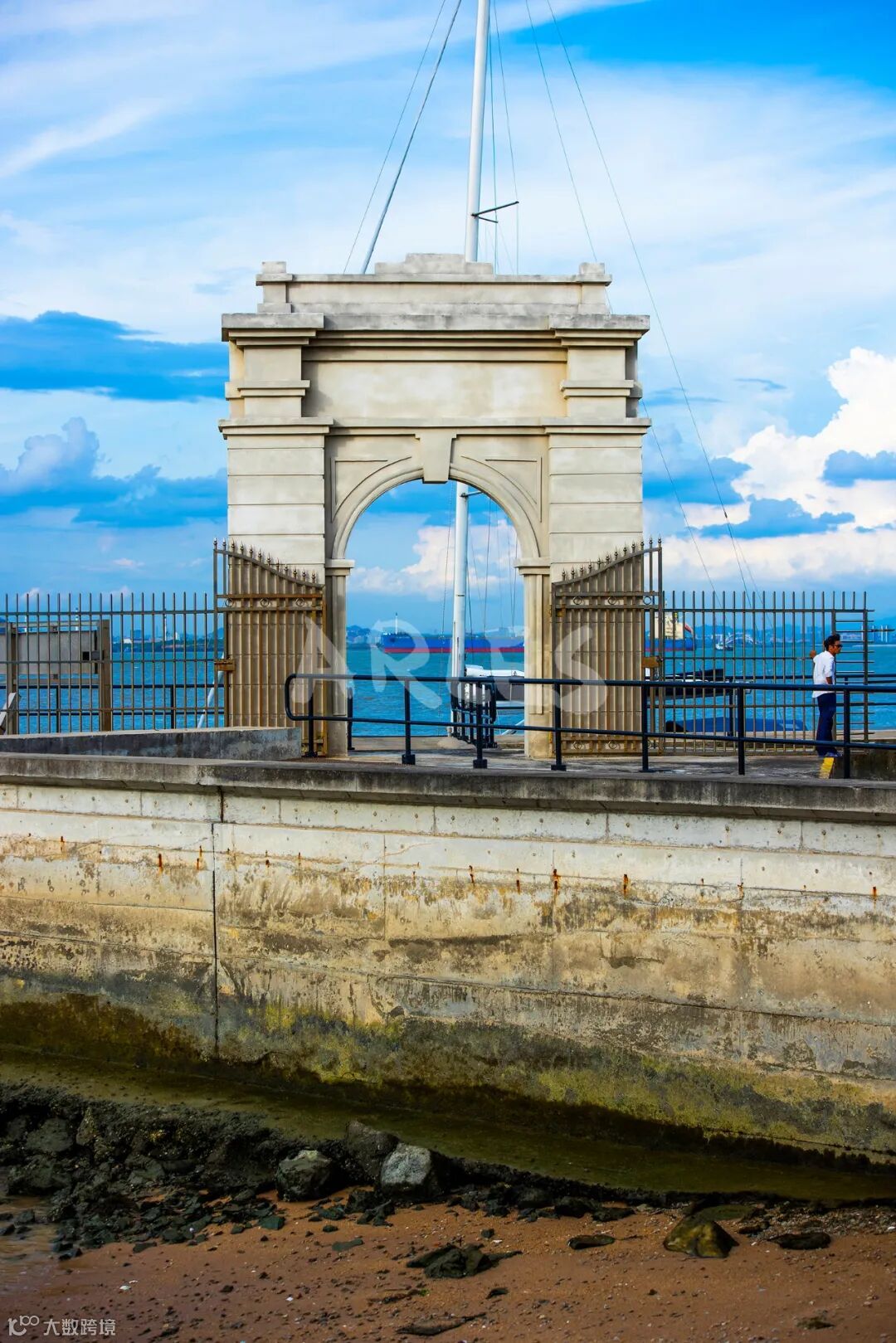
The body of the lighthouse is engraved with the pain of war. The four curved iron guardrails around are remnants of Japanese fighter jets diving and strafing; A rusty bullet is still deeply embedded in the copper door, like a cruel medal
seven
These scars silently tell the story of the beacon of the 20th century, but also confirm the lighthouse
Perseverance through a hundred years of wind and rain.
Miniature Museum of Technological Evolution
Entering the Sampanzhou Lighthouse is like opening an encyclopedia of modern navigation mark technology:
1.When it was first built in 1915The carbide lamp head and carbide fog cannon formed the initial photoacoustic navigation system, and the fog cannon emitted warning sounds by burning carbide gas
2. After the establishment of the People's Republic of ChinaAcetylene lamps replaced early equipmentReform in 1982
3.The lighthouse became one of the first navigation marks in China to be powered by solar energy, followed by the installation of radar responders, wind turbines, and electric fog signalsTechnological leap in the year 2000
4.The Guangzhou Navigation Mark Office has introduced a Spanish hexagonal "bull's eye" main light worth 300000 US dollars - a 60 watt bulb that, through a corrugated concentric lens, can converge six strong beams of light and penetrate 18 nautical miles of dark night.
5. To ensure that it never goes out, a US made auxiliary light is quietly on standby. When the main light unexpectedly goes blind, the auxiliary light will instantly light up, achieving true success“
The eternal beacon on the sea”.
The Inheritance of the Lamp Guardian
Behind the lighthouse's radiance, there are four generations of relay guardians from the Huang Canming family, a prominent family in the navigation industry. Huang Canming has been steadfast on the island for 25 years. His grandfather and father have both devoted themselves to the navigation industry, and now his son has also inherited this mission
They record the weather and maintain equipment daily, collect rainwater on isolated islands with scarce fresh water, and purchase daily necessities by supply ships every two weeks
When Huang Canming was awarded the "National May Day Labor Medal", the honor belonged not only to himself, but also to the family that integrated life into the light.
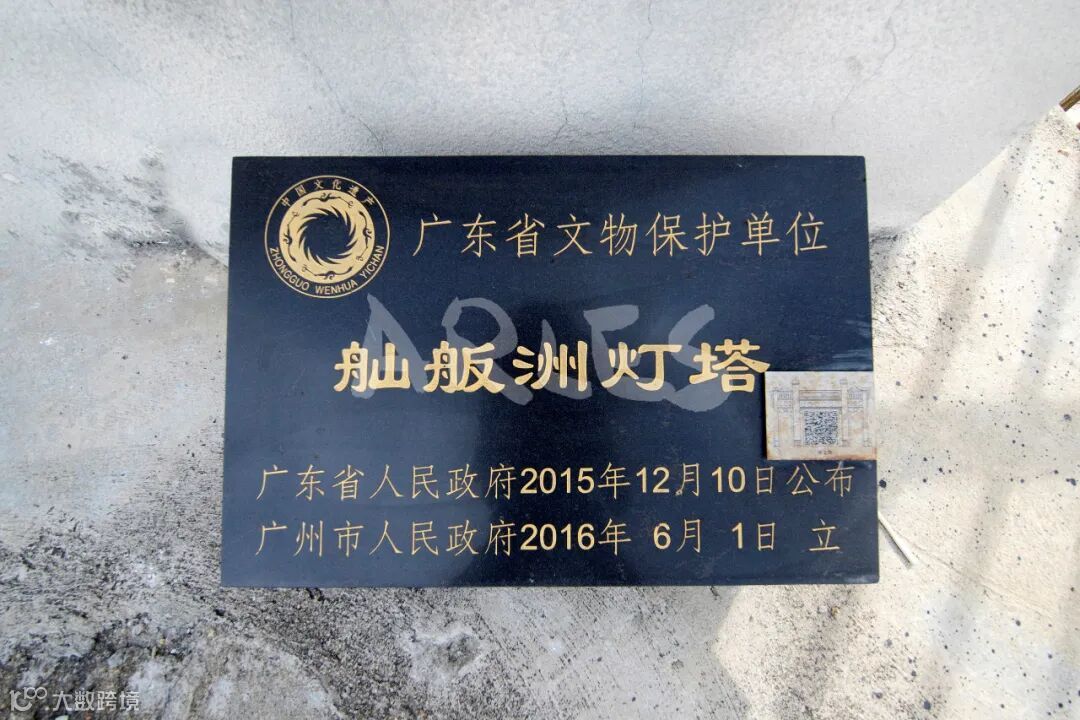
In 2015, the lighthouse that witnessed the centennial shipping history of the the Pearl River Estuary was announced as
Guangdong Provincial Cultural Relics Protection Units
In January 2023, it was selected as one of the first batch of Guangzhou's place name protection list
When the French star of the documentary "A Visitor at Sea", Fang Soden Island, was shooting, he was shocked by the magnificence of the lighthouse: "Brother Ming (Huang Canming) taught me a lot. Lying in the tower listening to the waves, it was like going through the era when the merchant ship Amphitlite sailed through the mouth of the the Pearl River."
When night fell, the 60 watt "cow's eye" lens once again emitted six rays of light, penetrating the fog at the mouth of the the Pearl River. year after year,
The Sampanzhou Lighthouse has guided over 1.5 million ships
Anran crossed the reef
It is not only the guardian of shipping safety, but also the living fossil of the vicissitudes of the the Pearl River Estuary - the bullet riddled copper gate at the base of the lighthouse. Together with the modern radar transponder rotating at the top of the tower, it tells a truth: the true light will never be obliterated by history, but will only become more and more bright in the polishing of time.
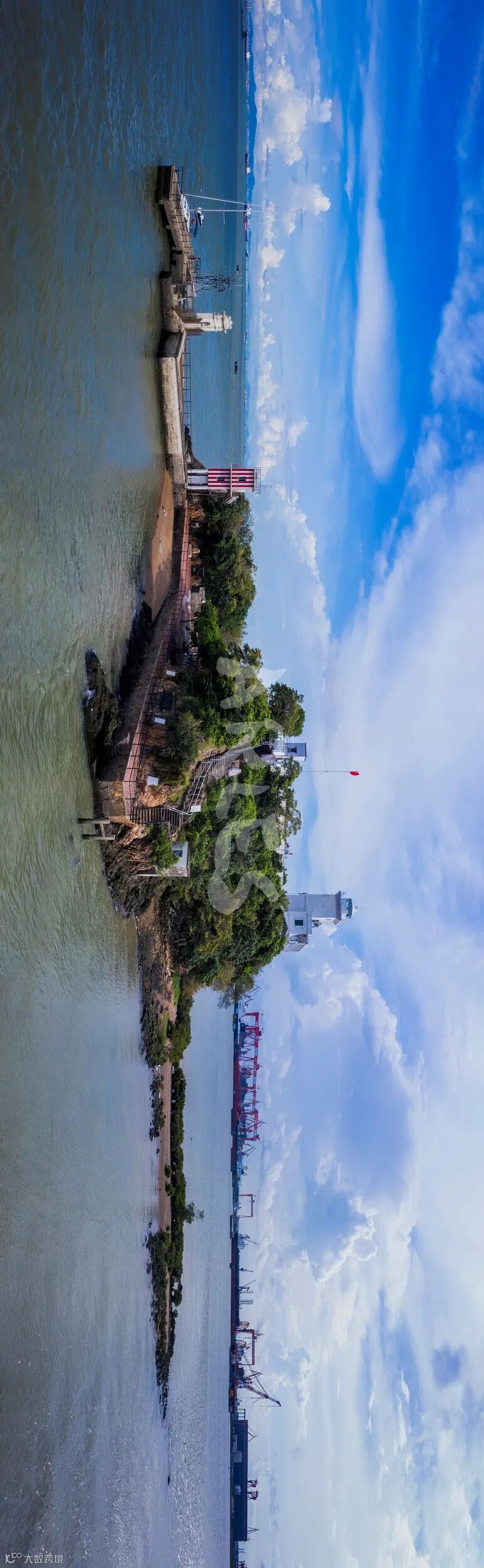
The Nansha sea area in Guangzhou covers an area of 194.3 square kilometers, with a coastline length of 195.13 kilometers. It has 11 islands with an area of 59.91 square kilometers, including 3 inhabited islands including Longxue Island, Xiaohu Island, and Shazi Island; And the 8 uninhabited islands include Dahu Island, Shanghengdang Island, Xiahengdang Island, Jinshuopai, Fuzhou, Shadui Island, Sampanzhou, and Shichuansha.