

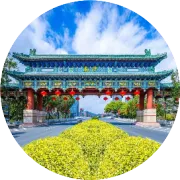

Overview of Hengli Town
The town is distinguished by its distinctive agricultural sector, producing notable agricultural products such as fresh-eating corn, cherry tomatoes, Miaonan kudzu, and eels. On the industrial front, it has initially established an industrial system centered on food processing, biomedicine, hardware and plastics, and fine chemicals. Enterprises are primarily clustered in parks such as the Dayuan Development Zone and the Bio-Valley. As of December 2024, the town was home to 185 enterprises above the designated size and 41 fixed-asset investment projects, spanning sectors including industry, commerce, services, construction, and real estate, with economic performance maintaining a stable trajectory.
【Historical Development】
During the Ming and Qing dynasties, the territory of Hengli was divided under the administration of three counties: the Huangqi Bureau of Xiangshan County, the Shawan Bureau of Panyu County, and the Mingluntang of Dongguan County.
In 1910, it was further divided into Huangpu of the Ninth District of Xiangshan County, Shawan of the First District of Panyu County, and Wanqingsha of the Ninth District of Dongguan County. This administrative structure remained in place in the early years of the Republic of China.
After September 1946, the area fell under the jurisdiction of Dagang Township and Minzhong Township of Zhongshan County, Shawan Township of Panyu County, and Shatou Township of Dongguan County.
II. After the Founding of the People's Republic of China
In 1953, the Hengli area was placed under the administration of Yisha Township in the 15th District of Zhongshan County, Lingshan Township in the 2nd District of Panyu County, and Fengma Township in the 4th District of Zhuhai County.
In 1957, Fengma Township was transferred from Zhuhai County to Zhongshan County. From this point, the area was divided among Yisha Township and Fengma Township in Zhongshan County, and Lingshan Township in Panyu County.
In 1959, Zhongshan County transferred areas including Dagang and Wanqingsha to Panyu County. As a result, the Hengli area came under the jurisdiction of the three people's communes of Dagang, Wanqingsha, and Lingshan in Panyu County.
III. Establishment of Administrative Entity and Recent Development
In October 1977, Hengli Town was established by separating 13 production brigades from the Dagang and Wanqingsha people's communes, deriving its name from the Upper and Lower Hengli waterways.
In 1978, the Hengli People's Commune was formally established.
In 1984, it was redesignated as an administrative district.
In 1987, it was officially designated as a town under the jurisdiction of Panyu County.
In 2005, Hengli Town was transferred to Nansha District, while Miaonan Village, Qiyi Village, and Miaobei Farm from the former Lingshan Town were incorporated into its administration.
In 2012, Hengli and the tip of Lingshan Island were included in the Mingzhu Bay Start-up Area of the Nansha New Area.
In 2015, the two island tips were incorporated into the Guangzhou Nansha New Area Sector of the China (Guangdong) Pilot Free Trade Zone.
By the end of 2024, Hengli Town governed 14 administrative villages and 2 communities, with a total area of 54 square kilometers.
【Geographical Setting】
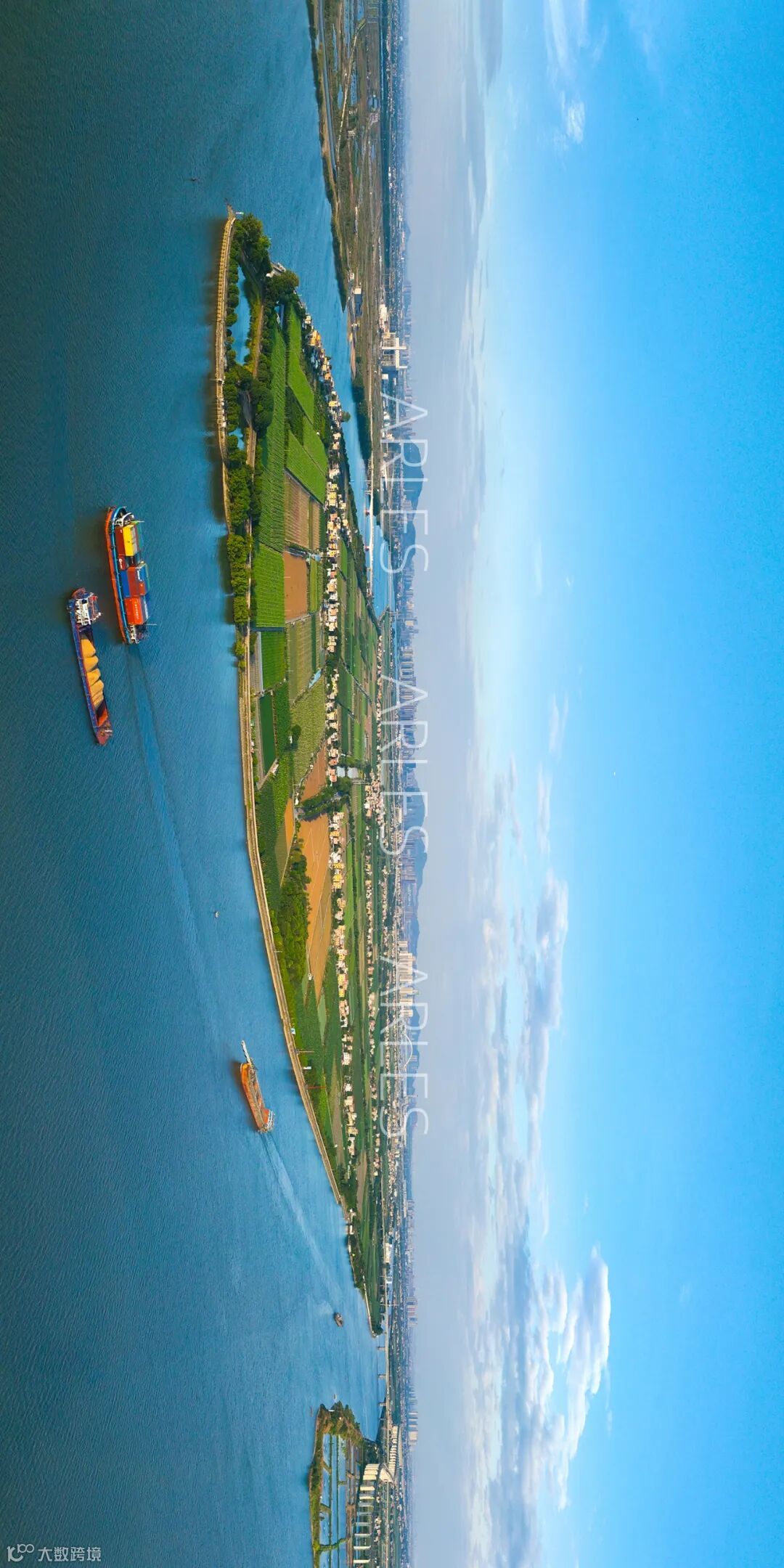
Hengli Town is located on the alluvial plain of the Pearl River Delta and experiences a subtropical maritime monsoon climate characterized by mild winters without severe cold, cool summers without intense heat, abundant sunshine, and plentiful rainfall. The region has an average annual temperature of approximately 24.2°C and receives about 1943.7 millimeters of rainfall per year, with precipitation concentrated during the flood season from April to September. The area features flat terrain, an interconnected river network, and fertile soil, making it suitable for cultivating various crops such as double-cropping rice, sugarcane, vegetables, and subtropical fruits. Common natural disasters include typhoons, heavy rain, storm surges, saline tides, and prolonged chilly rain. Although typhoons can cause damage, they also serve as a significant source of rainfall during the summer and autumn seasons.
Benefiting from its superior soil and water conditions as well as rich biodiversity, Hengli Town has long been renowned as a "land of fish and rice." It is known for producing high-quality agricultural products such as Fengma II sweet corn, Miaonan kudzu, dragon fruit, Yisha celery, as well as specialty aquatic products like ricefield eel, Reeves shad, and mudworm. The local agricultural sector once served as an important grain and sugar production base for Panyu County. The folk rhyme "Spring bream, autumn carp, summer Reeves shad; cold-season anchovy, hot-season bass, and sole all year round" vividly reflects the area's abundant aquatic resources and distinct seasonal characteristics of its produce.
【Tourist Attractions】
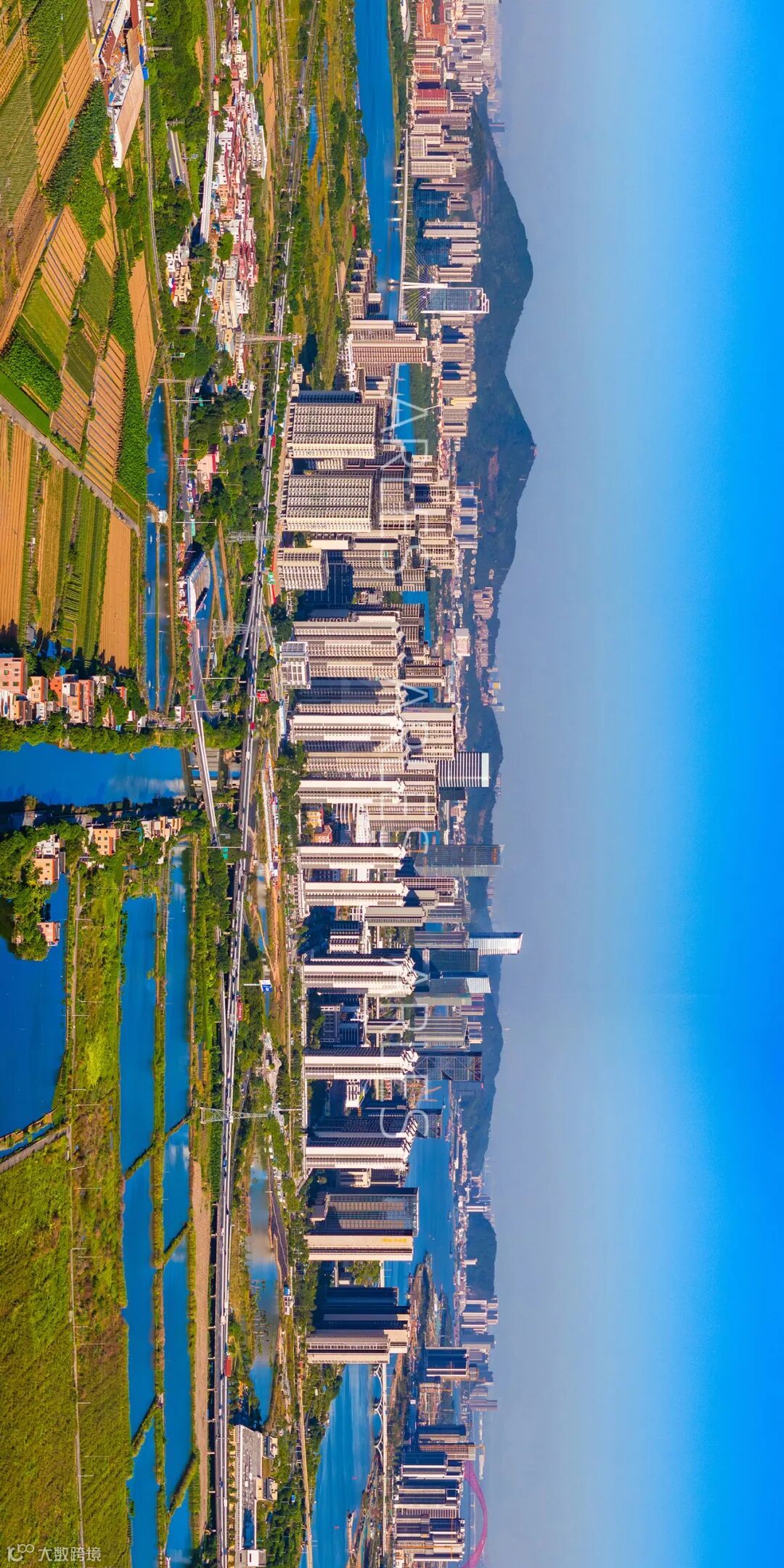
The core charm of Hengli Town in Nansha District stems from the perfect integration of modern urban landscapes, the rich Lingnan water town ambiance, and vibrant market culture. These elements intertwine to create a multi-layered and diverse cultural and tourism destination.
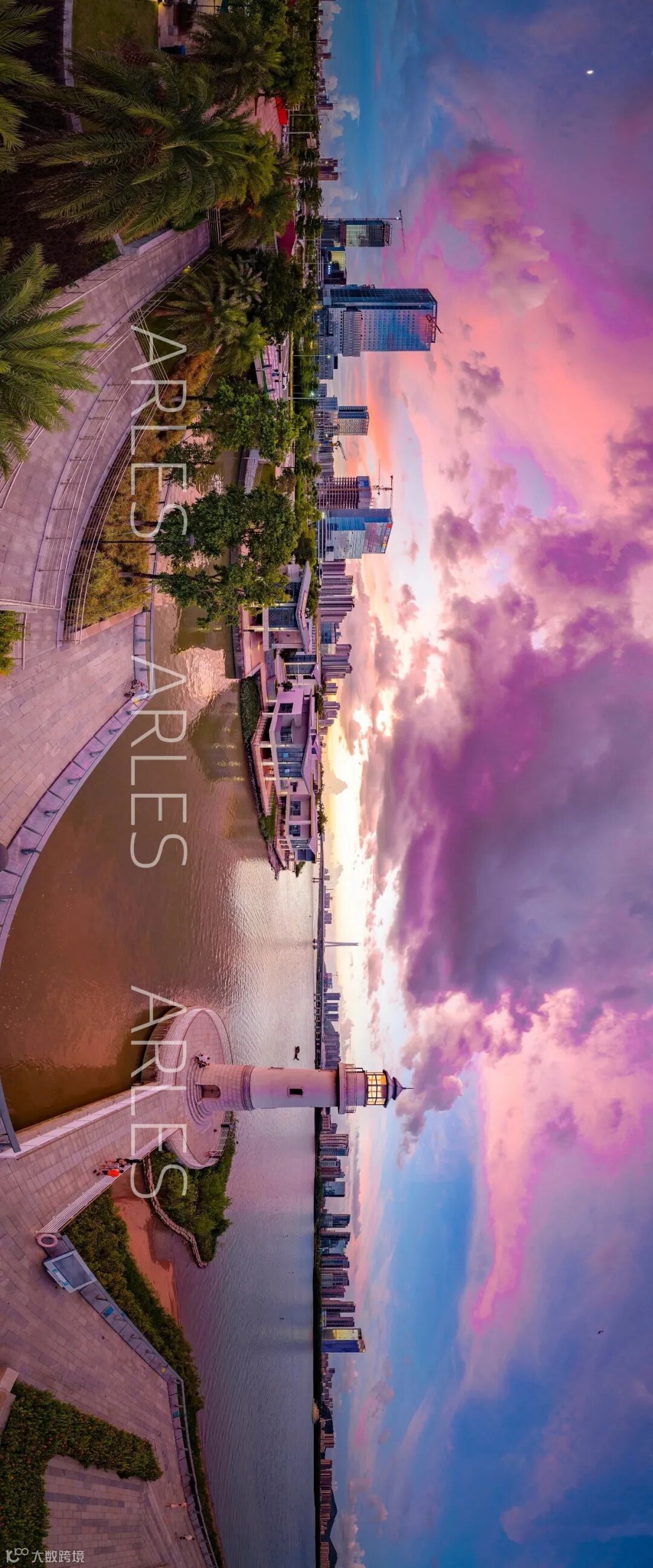
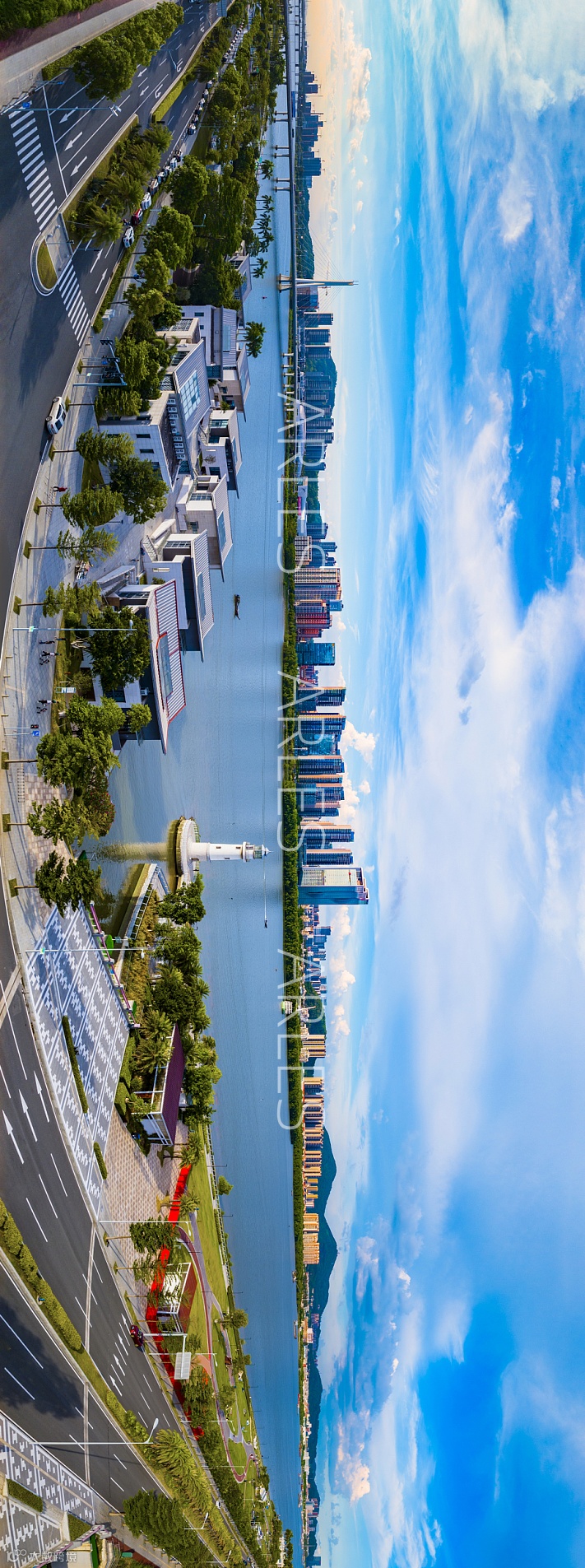
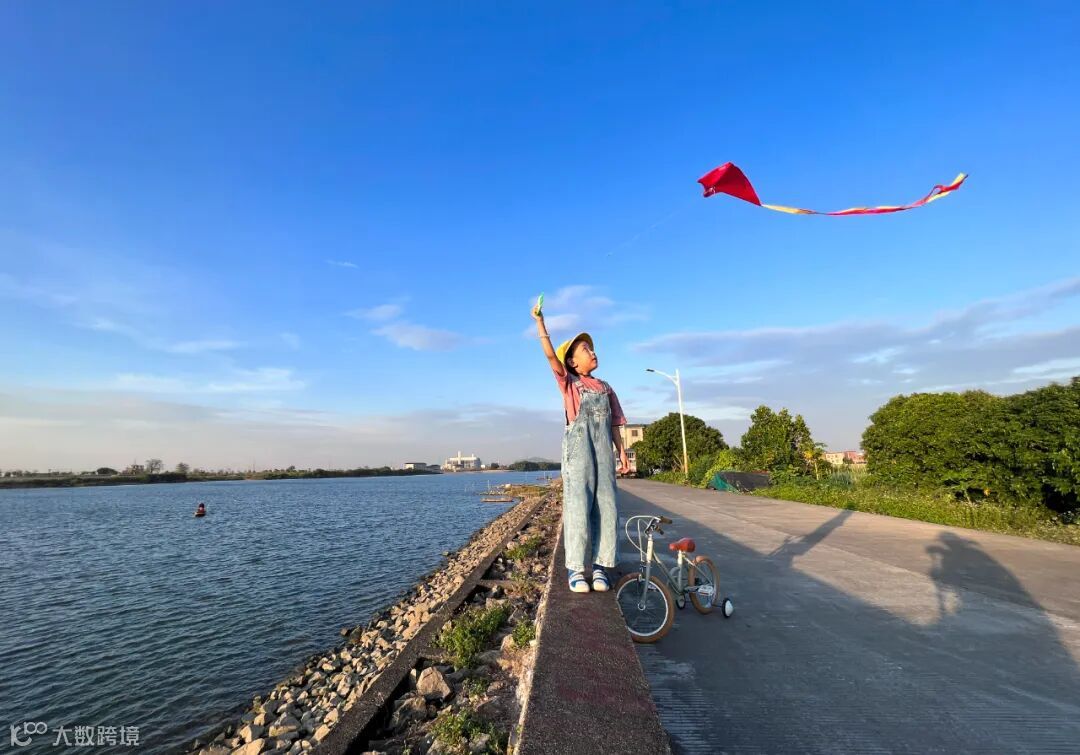
Natural Ecology and Waterfront Spaces form the ecological foundation of Hengli. The 12.5-kilometer-long Yisha Island Outer River Greenway is an ideal place for cycling and strolls, while the expansive river surface offers a perfect vantage point for sunset views. The tip of Lingshan Island showcases modern waterfront landscapes, where the Water Dance Square, with its "Phoenix Dance" streamlined design, serves as an iconic "urban landscape balcony." In spring, the blooming Bauhinia Flower Fields and the vast Golden Sunflower Fields in Fengma First Village together paint a vibrant picture of the changing seasons.
Rural Charm and Artistic Exploration represent another facet of Hengli. Several distinctive villages have revitalized themselves through differentiated development: Cuntou Village, recognized as a "Cultural and Tourism Characteristic Village of Guangdong Province," features a hundred-acre sunflower field that once appeared on national television and a camping base. Shanxia Village, known for its colorful residential exteriors, is hailed as the "Rainbow Village." Xinsi Village adopts the theme "678 Art Era," evoking nostalgic memories with retro murals. Additionally, the ancient lanes and clear ponds of Gekeng Village and the cattle culture of Zhangkeng Village offer immersive rural exploration experiences for visitors.
Cultural Experiences and Urban Vitality reflect Hengli's modern pulse. The "Hengli Impression" Exhibition Hall, located at the Fisherman's Wharf on Lingshan Island Tip, systematically presents the local historical context and future plans. In the same area, the Lingshan Island Tip Urban Living Room has become a hub for cultural activities, where regular intangible cultural heritage performances like the Yingge Dance and trendy markets allow visitors to experience the contemporary vitality of Lingnan culture up close. Meanwhile, the well-equipped Hengli Citizen Sports Park meets the fitness needs of both residents and tourists, collectively creating a leisure destination that balances dynamic and tranquil experiences.
【History and Culture】
During the Southern Song Dynasty, the area now known as Hengli Town was an ancient bay, covered by seawater and not yet formed into land. Through multiple advances and retreats of the sea level, silt and sand accumulated. By the Ming Dynasty, Daaosha emerged as a sand flat from the vast waters and gradually stabilized. The early settlers of Hengli adopted a combination of fishing, hunting, and farming in these shoal waters, reclaiming land from the sea and settling here to thrive. Over long-term social and natural geographical evolution, spanning the Ming and Qing dynasties, generations of settlers continuously reclaimed land from the sea, built embankments for tidal fields, connected small enclosures with sluice gates, and developed water conservancy projects. Gradually, extensive silted fields formed. By the late Qing Dynasty, numerous villages had emerged, and the present-day land of Hengli took shape.
I. Waterways and Land Formation
The formation and development of Hengli Town is a history of "symbiosis with water." During the Southern Song Dynasty, the area of present-day Hengli was still an ancient bay. Through silt accumulation and the ebb and flow of seawater, sand flats began to emerge by the Ming Dynasty. Early settlers reclaimed land from the sea here, and over centuries of water conservancy efforts during the Ming and Qing dynasties—connecting enclosures and building sluices—the area evolved into vast silted fields with numerous villages, largely establishing its terrestrial格局 by the late Qing Dynasty.
II. Water Town Legacy in Place Names
The place names in Hengli deeply reflect its water town environment and land reclamation history. The town's name itself originates from the transversely flowing "Upper and Lower Hengli Waterways." Additionally, place names often incorporate water-related elements such as "sha" (sand), "chong" (creek), "zhou" (isle), "jiao" (waterway), and "li" (channel), as seen in Yisha Village and Changsha Village. Unique naming methods also include area-based names like "Su Shiqing" and "Lai Jiuqing," field division markers like "character codes" (e.g., Wen字号), and aspirational names like "Dayuan Village" (originally meaning "silver dollar") and Miaonan Village (derived from the Holy Mother Temple). These names collectively carry the local history and the emotional寄托 of the people.
III. Water Management Spirit and Cultural Heritage
With abundant water resources and crisscrossing waterways, water management has become central to Hengli's survival and development. The Qing Dynasty legend of "Fengma Water Management"—where two attendants sacrificed their lives during flood prevention, leading villagers to build a temple in their memory—forged the "Fengma Spirit" of self-sacrifice and resilient perseverance. This spirit has inspired subsequent generations to continuously improve water conservancy facilities, with the national-level Fengma Temple Hydrological Station serving as its modern continuation. Mastery of water also nurtured unique folk cultures, such as saltwater songs sung about life in the water town, and the women's dragon boat team, which won national championships and was documented in the film Eighth Aunt, showcasing Hengli's humanistic spirit of struggling and coexisting with water.
IV. A New Chapter as a Water City Marching Toward the Future
Building on a new historical starting point, Hengli has leveraged major opportunities such as the 2012 development of the Nansha New Area, the 2015 establishment of the Free Trade Zone, and the 2022 Nansha Plan to transition from a traditional agricultural town to an "International Financial Island" and "Bay Area Comprehensive Service Center." The plan proposes the vision of "A Shining Pearl in the Bay Area, A Central Urban-Rural Metropolis," and through the development strategy of "One Island, Two Wings, Dual-Core Drive," aims to create a future water city that integrates the highest standards of modern urban construction with the ecological heritage of a water town. This will comprehensively enhance its cultural soft power and overall competitiveness in the Guangdong-Hong Kong-Macao Greater Bay Area.
By the end of 2024, the town had 16 community (village) cultural centers. Community cultural activities were diverse and vibrant, with active participation of local art troupes in district-level competitions. Events such as the 2024 Nansha District Men's Basketball League (Hengli Division) preliminaries, the Trade Union Cup Basketball Tournament, and the Second Greater Bay Area Beautiful "Li" Life Carnival & Water Carnival in Hengli Town were successfully held. Outstanding athletes in dragon boating, football, badminton, and table tennis were selected to form the Hengli Town representative team, further developing the town's sports reserve talent and enhancing its athletic standards. To date, the town has successfully organized 435 cultural and sports activities, with participation exceeding 100,000人次.
【Commercial Hubs】
According to the latest developments in 2024, Hengli Town in Nansha District, particularly the Mingzhu Bay Start-up Area formed by the tips of Lingshan Island and Hengli Island, has rapidly emerged as a vibrant financial and commercial core within the Guangdong-Hong Kong-Macao Greater Bay Area. This area brings together high-standard financial facilities, diversified commercial complexes, and comprehensive supporting services, demonstrating strong development potential.
Hengli Island Tip: International Financial Cluster
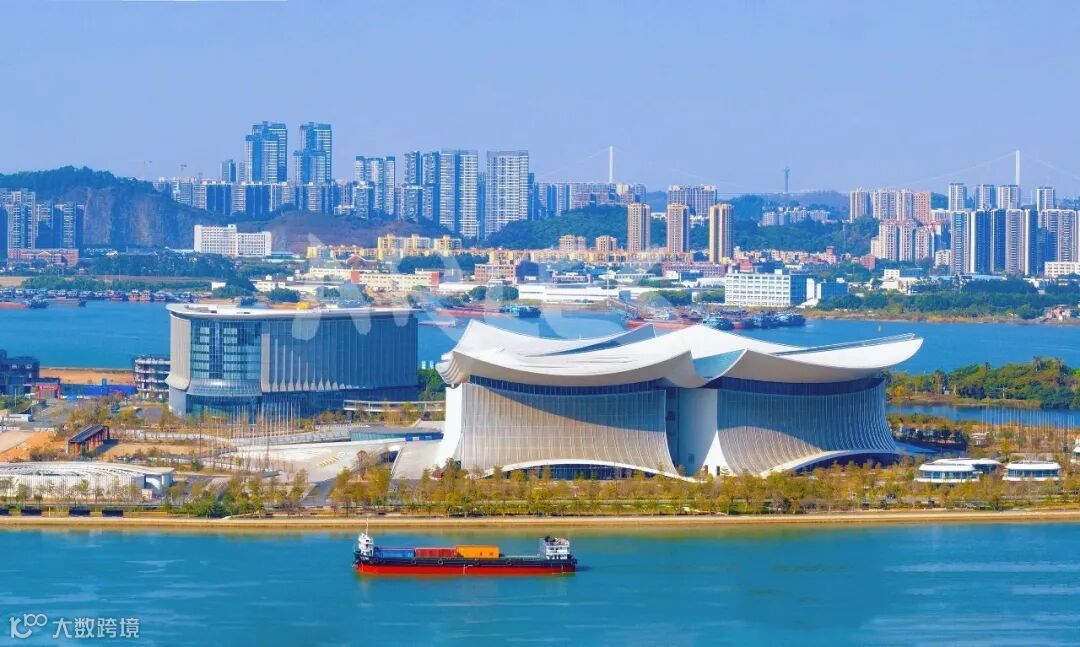
The Hengli Island Tip is designated as the nation's first International Financial Island, dedicated to establishing a high-end, internationally-oriented financial industry cluster. Its centerpiece is the Permanent Venue of the International Financial Forum (IFF). Designed with the concept "Kapok in Bloom, Soaring over the Maritime Silk Road," this structure has a total floor area of approximately 257,000 square meters, integrating high-end conferencing, exhibitions, dining, and accommodation. Since its inauguration in 2024, it has successfully hosted a series of high-profile political and economic conferences and forums, including the IFF Annual Global Conference, the National Cybersecurity Awareness Week, and the Greater Bay Area Science Forum. These events have significantly elevated Nansha's profile in the international financial arena, attracting a substantial influx of high-end talent and industrial projects. As a key vehicle for the regional financial layout, the Litong Financial Centre has also attracted numerous high-quality enterprises and projects.
Lingshan Island Tip: Modern Business Cluster
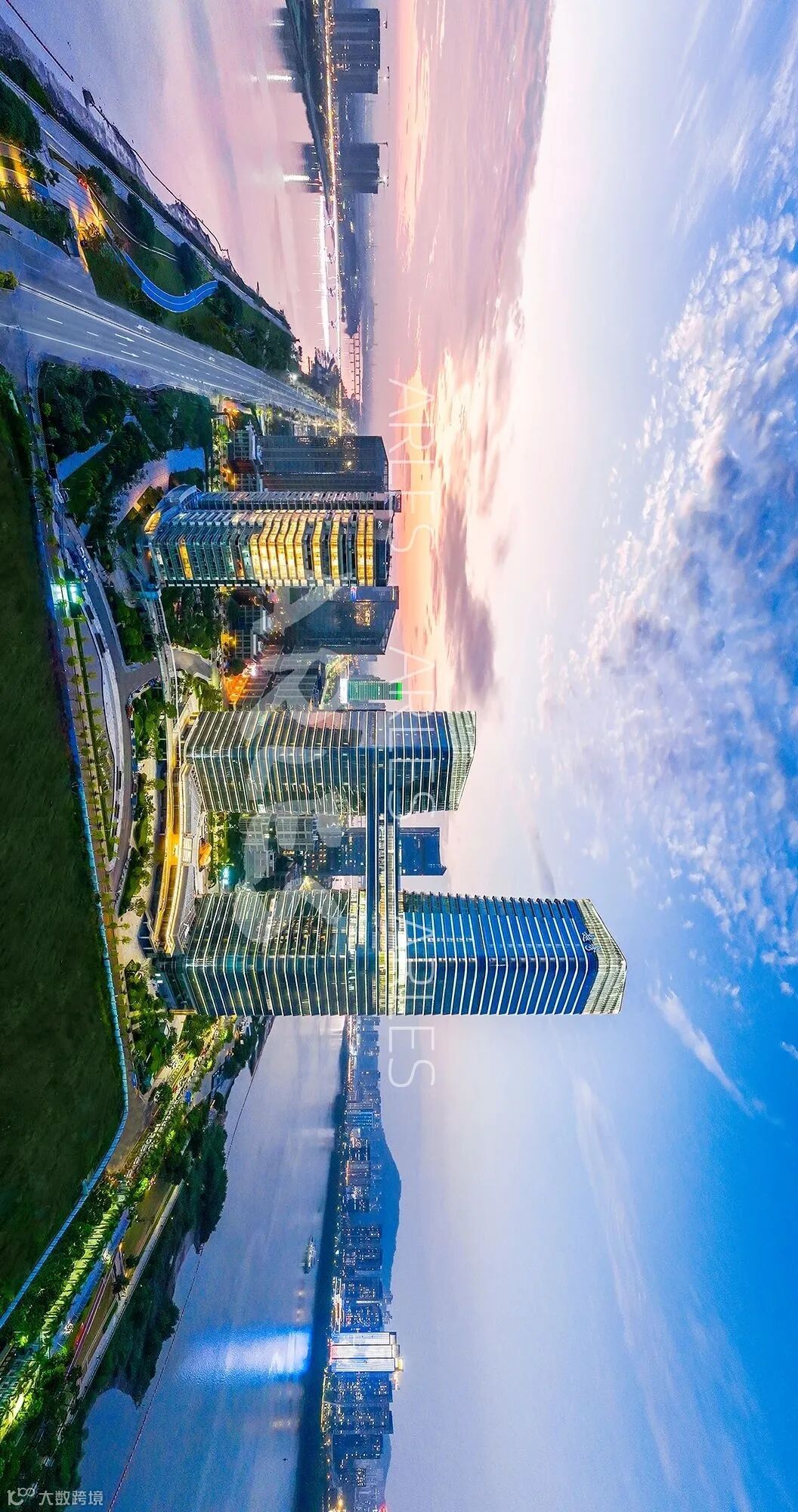
Complementing the financial focus of the Hengli Island Tip is the rapidly growing modern business cluster at the Lingshan Island Tip. The commercial facilities here are distinguished by their quality and diversity: the Yuexiu International Financial Centre plans to include a super-grade A office tower reaching up to 220 meters, aiming to attract financial, technology, and headquarters-based enterprises, and is equipped with high-end business amenities such as a library, star-rated canteens, and a heated swimming pool. The Zhongjin Lingnan International Trade Centre obtained its construction planning permit by the end of 2024 and will provide office and commercial (hotel) space for businesses. The highly anticipated Armani Fashion Art Centre is a waterfront commercial complex with a total floor area of about 120,000 square meters and a total investment exceeding RMB 2 billion. Its Tower B recently topped out, and the future introduction of Armani-branded residences and an art centre will further enhance the area's commercial quality and international ambiance.
Education Facilities
The town has 2 town-owned public kindergartens (Hengli Town Central Kindergarten and Hengli Town No. 2 Kindergarten) with 5 campuses, and 2 inclusive private kindergartens (Rising Sun Kindergarten and Jixiang Kindergarten). Public kindergartens account for 88.44% of enrollment, with an inclusivity rate of 100%. There are 6 public primary schools (Hengli Primary School, Hengli No. 2 Primary School, Mingzhu Bay Primary School, Jiangling Road Primary School, Fengma Primary School, and Datian Primary School), 1 public middle school (Hengli Middle School), 1 nine-year consistent schooling institution (Bay Area Experimental School), and 1 twelve-year consistent schooling institution (The Affiliated High School of Guangzhou University Nansha Experimental School).
Healthcare Services
Public healthcare services continue to improve. Within Hengli Town's jurisdiction, there is 1 tertiary general hospital—The First Affiliated Hospital of Sun Yat-sen University (Nansha Hospital)—operated and managed homogeneously by The First Affiliated Hospital of Sun Yat-sen University; 1 Class-A primary hospital—the District Public Health Clinical Center; and 1 town community health center. Additionally, there are 14 registered village health stations (13 currently operational, with Yisha Village Health Station temporarily closed due to land acquisition and relocation), all integrated under the management of the town community health center. The town community health center and village health stations provide basic medical services, public health services, and family doctor contract services, offering comprehensive care for common and frequently occurring diseases, nursing, and rehabilitation, guided by health needs.
Infrastructure
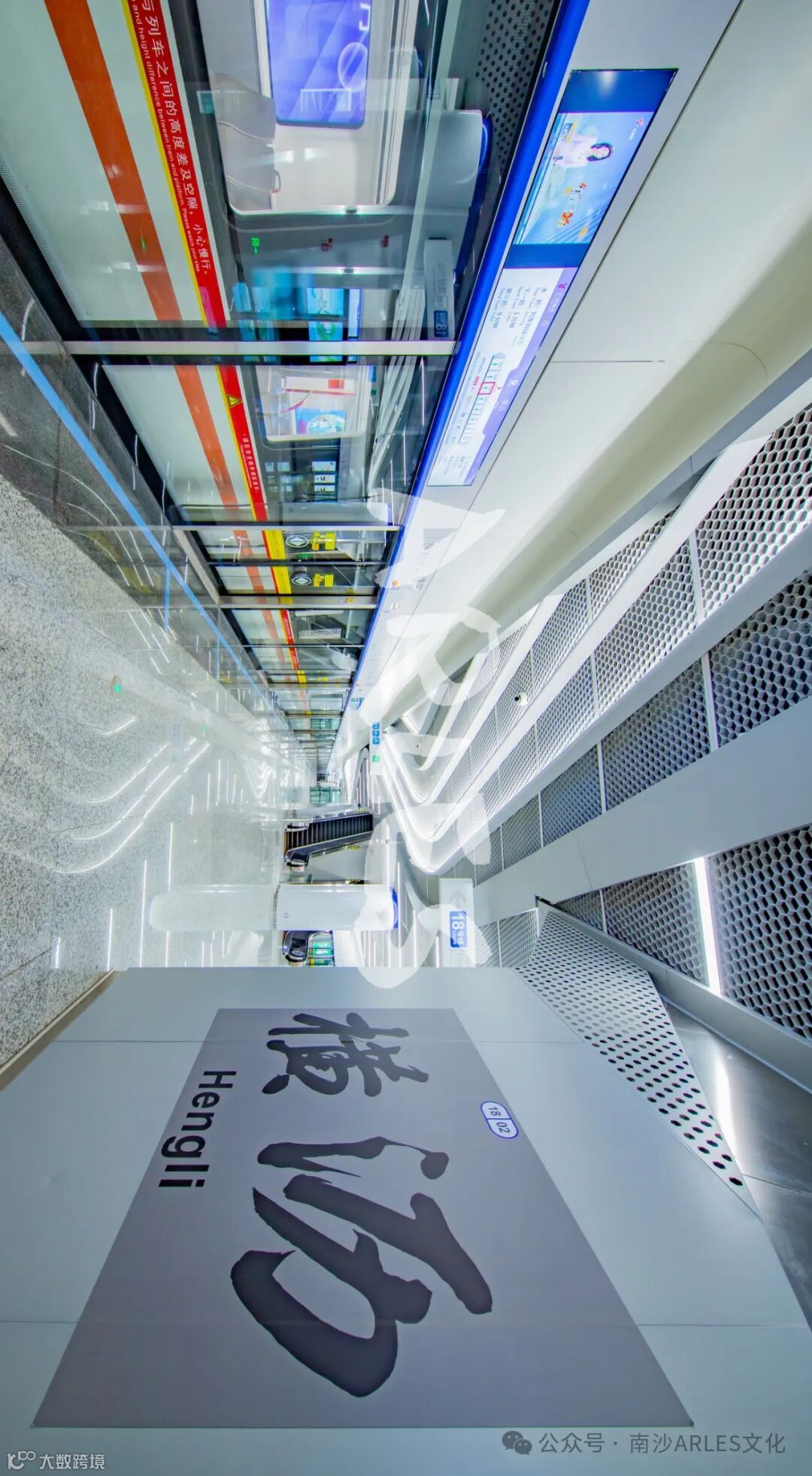
Hengli Town boasts well-developed land and water transportation networks, serving as a key transportation hub for Guangdong, Hong Kong, and Macao. The area is traversed by the Beijing-Guangzhou-Zhuhai-Macao Expressway, Nansha Port Expressway, Guangzhudong Line Road, Wanhuan West Road, Fenghuang Avenue, Metro Line 18, and the Nansha Port Railway. Over 10 public bus routes (including N2, N5, N10, N12, N28, N39, N40, N55, and G4) provide direct access to Nansha city center, Qingsheng High-Speed Rail Station, Wanqingsha, Dagang Town, and connections to intercity buses to Panyu District or Zhongshan City via Guangzhudong Line. The town is equipped with one 500 kV substation and three 110 kV substations.
Produced By: Nansha Cultural Society
Editor: Xuan Wang
Photography: Xiaotie Chen
Contact Us: 1399229194@qq.com