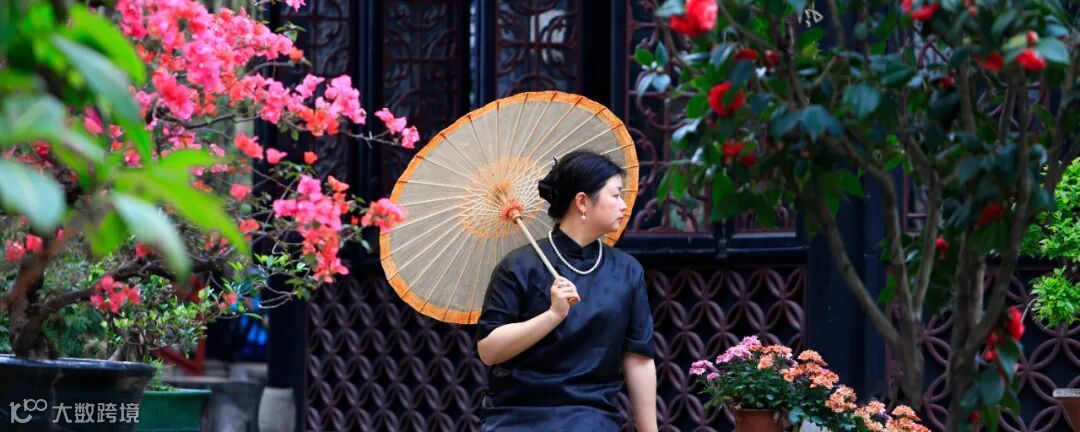
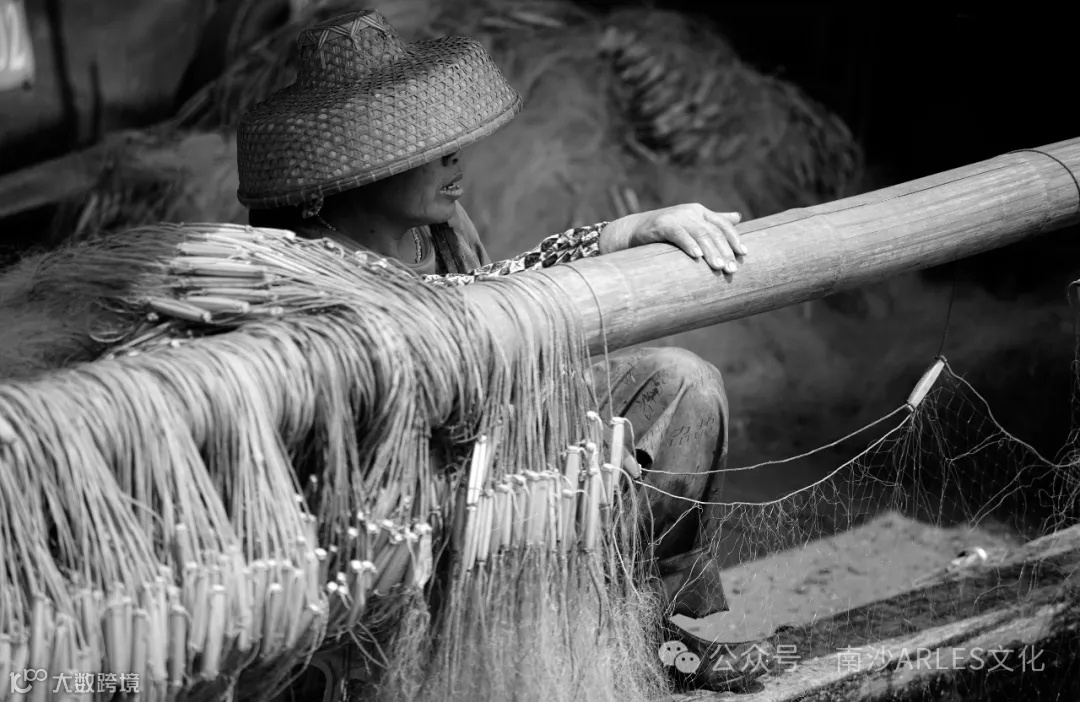
▲Photo by Zhang Jing
The Tanka People and the Application of Dioscorea Cirrhosa (Shuliang)
According to existing historical records, the earliest users of the dyeing and finishing technique employing Dioscorea cirrhosa (shuliang) were the Tanka people, who lived along China's southeastern coast and as far as the南洋 archipelago (Nanyang Islands). For generations, they lived on boats, and were also known as "tingjia" (boat families). They were a branch of the ancient Baiyue people, indigenous to the Lingnan region, and traditionally made their living from fishing, transportation, ferrying passengers, and other水上 occupations. Therefore, the treatment of their clothing, fishing nets, sails, and other production and daily necessities was particularly important.
Early Records of Dyeing and Weaving with Dioscorea Cirrhosa
In the late Ming and early Qing dynasties, Qu Dajun recorded in his Guangdong Xinyu (New Tales of Guangdong) a type of fabric called "zeng bu," produced in the Nantou area of Xin'an (present-day Bao'an, Shenzhen). This fabric was made from hemp. Fishing women would take old, shuliang-dyed cloth, unravel it, and reweave it into new cloth, which was then dyed again with shuliang. The treated fabric was "stiff and crisp" to the touch, making it suitable for summer clothing; undyed, it was softer and could be used for warmth against the cold. The text also mentions that garments made from this fabric "need not fear strong winds and typhoons," and that when worn by children, the cloth was believed to "ward off evil spirits." It was regarded as a "marvelous fabric" with special properties.
Uses and Value of Dioscorea Cirrhosa (Shuliang) Dyeing and Finishing
Through long-term practice, the Tanka people discovered that Dioscorea cirrhosa (shuliang) is highly suitable for treating canvas and other maritime materials. Shuliang‑dyed canvas is resistant to sunlight, corrosion, and mildew, meeting the stringent demands of sailing. For example, the Ming‑style sailing vessel Taiping Princess, restored in Xiamen in 2008, used sails made by the traditional shuliang dyeing method, giving them a reddish‑brown color. Similar reddish‑brown sails can also be seen in ancient paintings and export artworks (such as Night Crossing in the collection of the Victoria and Albert Museum, London).
Shuliang treatment not only colors the fabric but also imparts excellent properties such as water repellency, abrasion resistance, and anti‑corrosion. In effect, it accomplishes both “dyeing” and “finishing” in a single process, making it an important invention of ancient textile technology.
Traditional Process Flow of Shuliang Dyeing and Finishing
As late as the 1960s, the Tanka people along the Guangdong coast still preserved the tradition of “dyeing with shuliang.” The process was roughly as follows:
Preparation of shuliang liquor: In autumn, select shuliang tubers, chop and crush them, then soak overnight. Add water and boil for about 40 minutes to obtain a reddish‑brown dye liquor.
Repeated dipping and sunning: Immerse fishing nets, clothing, etc. in the dye liquor, then take them out and spread them on straw to dry in the sun. Repeat this five to six times until the fabric surface becomes glossy.
Steaming to set the color: Place the dyed and sunned fabric into a wooden steamer, set it over a large pot, and steam for 6–8 hours. This allows the shuliang components to penetrate the fibers, achieving water resistance and color fastness.
Although this traditional method does not include the subsequent “mud‑coating” step, and the finished product is simply reddish‑brown, it represents the most ancient form of shuliang dyeing and finishing technology, providing important evidence for tracing its origins.
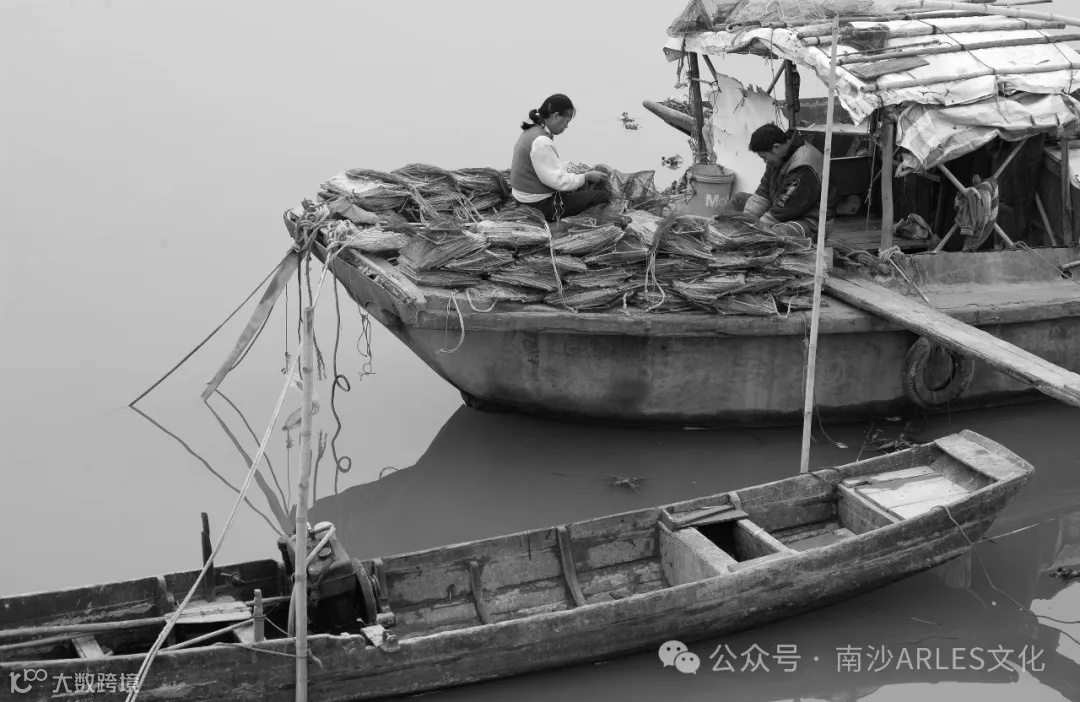
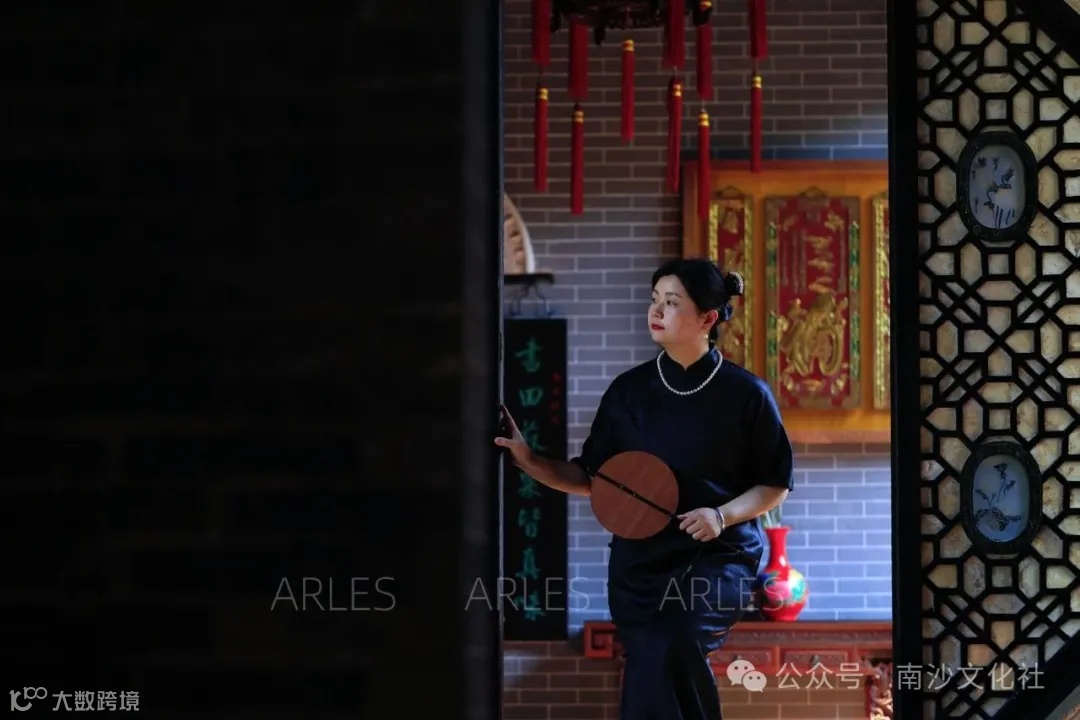
▲Photo by Zhang Jing
As the editorial team of this column, we consistently uphold an open, inclusive, and neutral stance. We are well aware that in a multicultural context, truth often emerges from dialogue and the clash of diverse perspectives. Therefore, we do not position ourselves as arbiters of views, but rather as “presenters” and “connectors” of ideas. Our core mission is to build a platform for equal and rational exchange, bringing together insightful opinions from scholars across different fields and backgrounds. Here, you may find articles with opposing viewpoints placed side by side, or encounter completely different interpretations of the same issue. We believe that such juxtaposition itself holds power — it rejects a single narrative, encourages readers to move beyond habitual thinking, and fosters independent reflection through comparison and discernment. “The sea is vast because it admits all rivers.” We cherish every rigorous and sincere scholarly voice, whether from tradition or modernity, East or West. We envision this platform as a “free market of ideas,” where high-quality academic dialogue inspires new questions and directions for exploration.
— Editorial Department, Nansha Culture Society
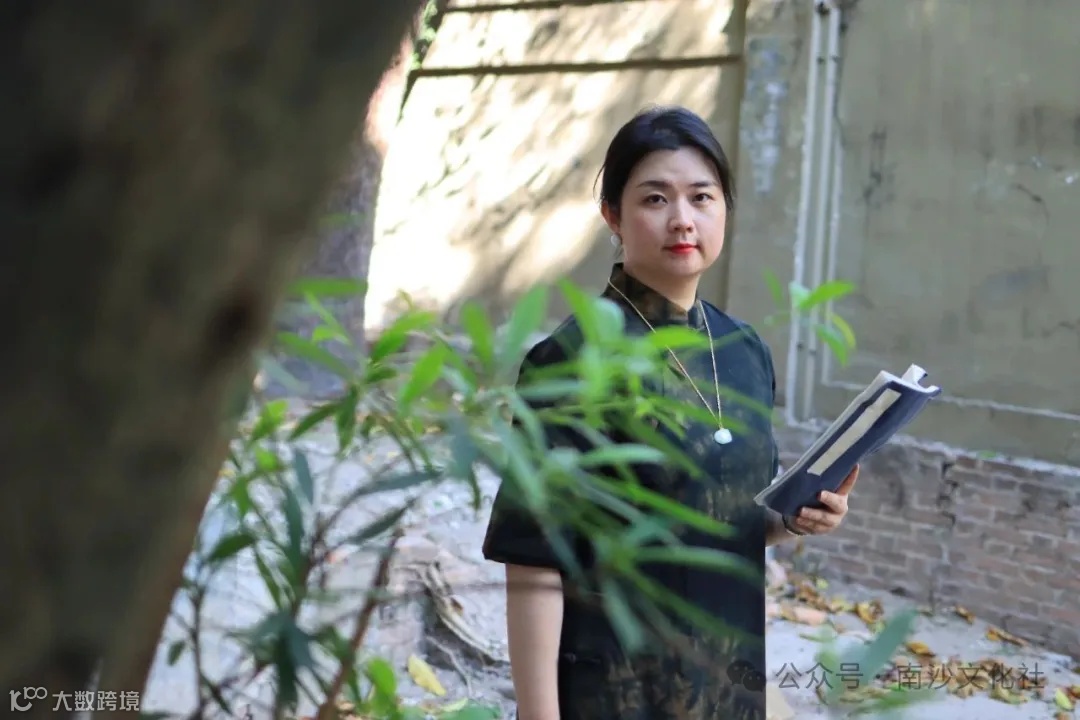
NALANGE CHRONICLES
Editor-in-Chief: Wang Xuan
Photographer: Xiao Tie
Calligrapher: Zhi Ming
Costumes: WURAY MIRACLE, YUNSHA STAR RHYME
Dedicated to promoting Xiangyunsha silk as China’s intangible cultural heritage.
Email: 1399229194@qq.com