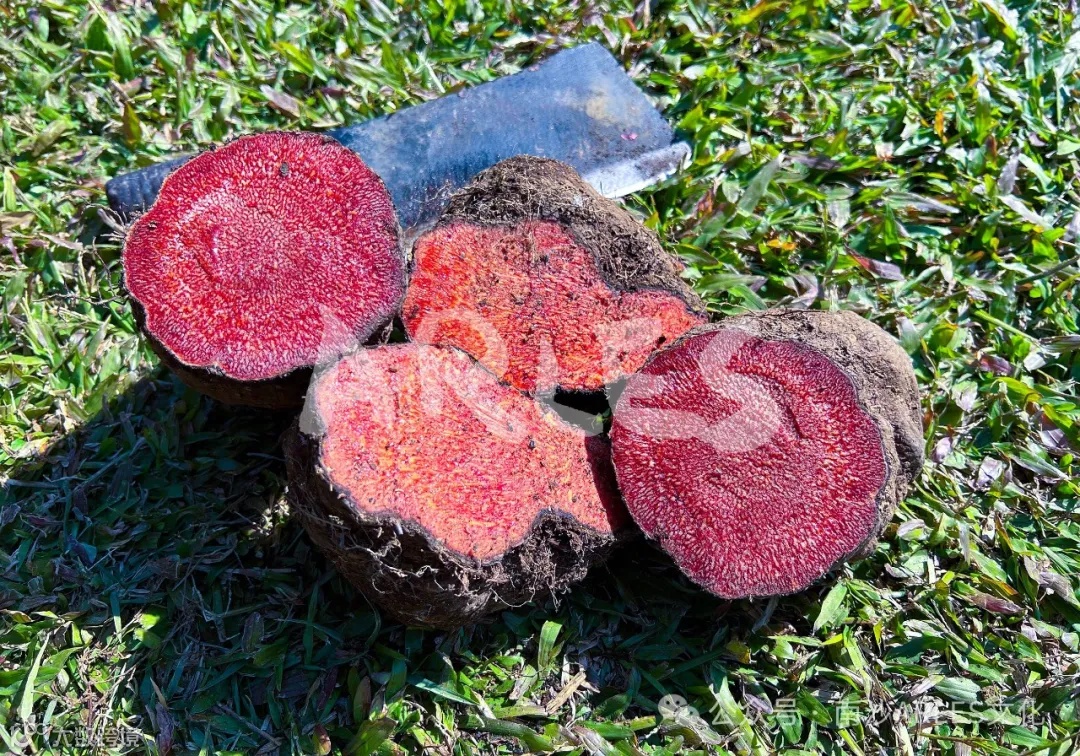
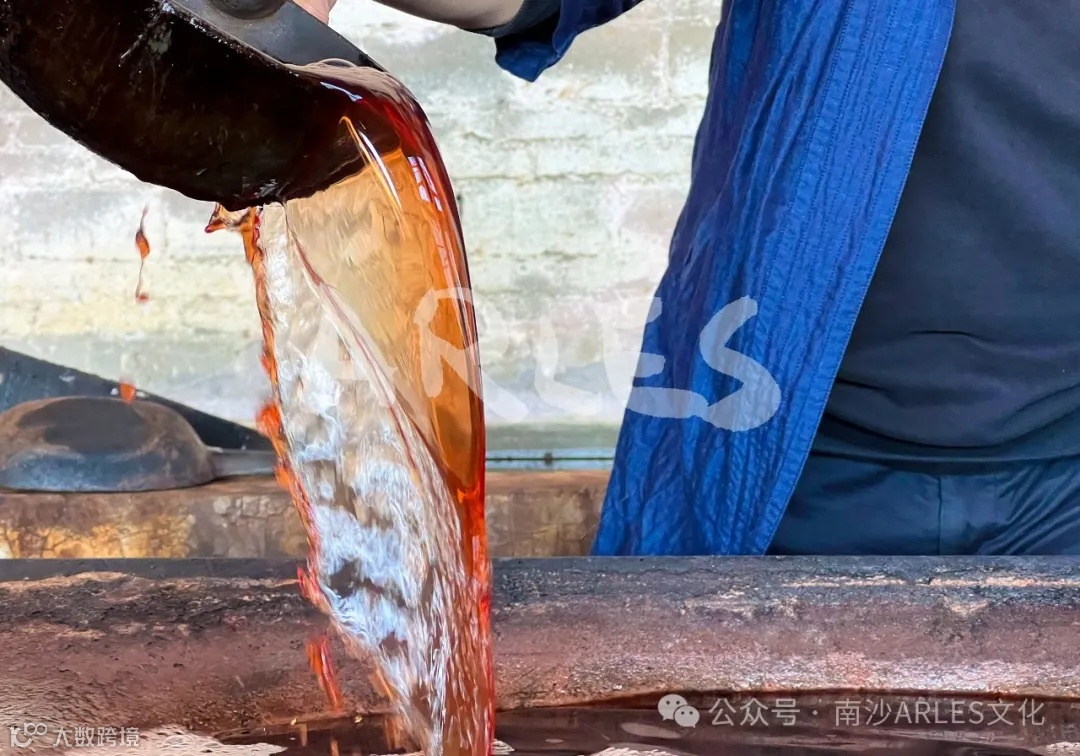
What is the Gambiered Guangdong silk dyeing and finishing technique? It refers to the process of repeatedly dyeing and sun-drying plain silk gauze (known as "liangsha" after dyeing) or plain silk fabric (known as "liangchou" after dyeing) using the juice of the natural plant dye—Gambier (Dioscorea cirrhosa). The fabric is then coated with silt from the rivers of the Pearl River Delta. Through dozens of steps, often described as "three washes, nine boilings, and eighteen sun-dryings," the lightweight silk fabric transforms into Gambiered Guangdong silk—a material that is thick, stiff, and subdued in color, known for its coolness, antibacterial properties, and insect-repelling function.
Gambiered Guangdong silk is an ancient Chinese handmade fabric made with purely natural plant dyes. Traditionally, its production involved preparing "plain silk gauze," which later expanded to include the production of "plain silk fabric" and the sun-drying Gambier process. However, at present, Gambier-drying workshops have largely lost the function of producing raw materials and only engage in the processing of supplied materials, specifically the Gambier-drying technique. The entire production process is intricate and time-consuming, utilizing natural resources such as local plants, soil, water, and sunlight, and relies entirely on manual labor. Additionally, sunny weather is essential for the process. A piece of white silk must undergo 30 rounds of dyeing and 15 days of sun exposure to transform from ordinary white silk into genuine Gambiered Guangdong silk. In the dyeing and finishing technique of Gambiered Guangdong silk, Gambier, river silt, grassland, and sunlight are all indispensable elements. The process is extremely complex and is entirely carried out by hand.
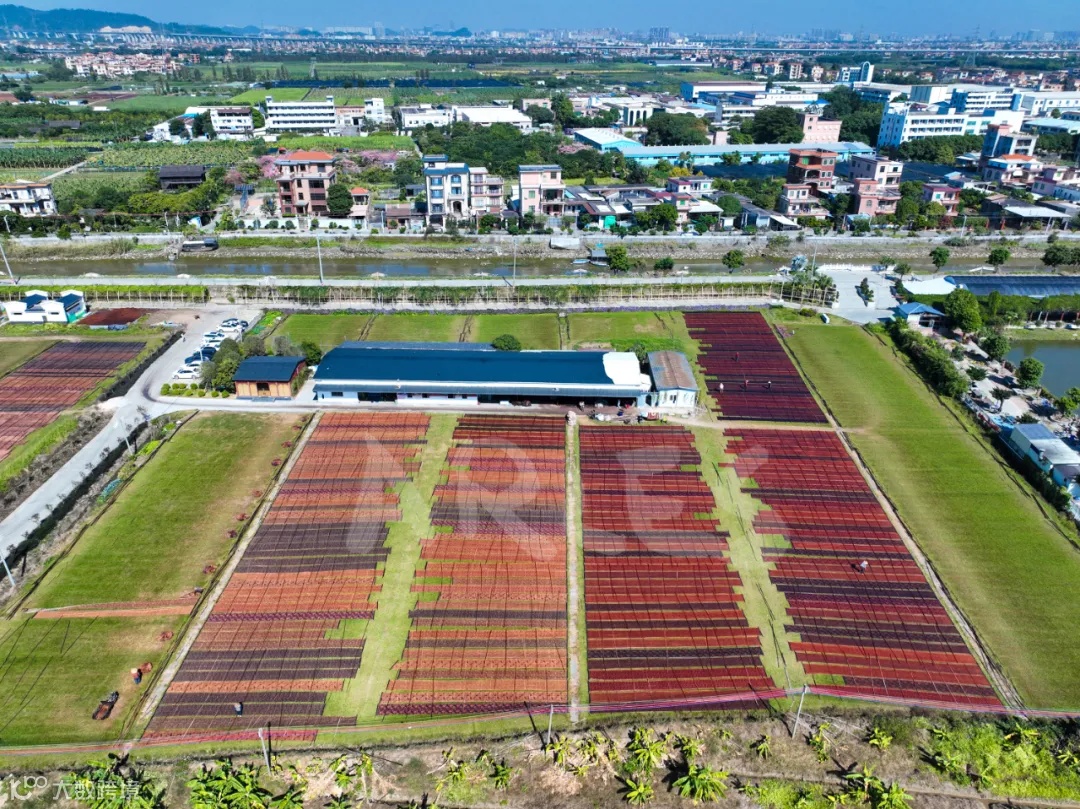
In the production of Gambiered Guangdong silk, the entire process from white plain gauze or fabric to the final black silk involves 20 steps, which can be broadly outlined as follows:
Preparation of plain gauze/fabric
First soaking in gambier liquid
First sun-drying
Six rounds of sprinkling with gambier liquid
First collection of gauze/fabric
Six rounds of sealing with gambier liquid and sun-drying
First round of boiling the fabric
Two rounds of sealing with hot gambier liquid and sun-drying
Twelve rounds of sealing with gambier liquid and sun-drying
Second round of boiling the fabric
One round of hot gambier liquid sealing and sun-drying
Coating with river silt
Washing
Final sealing with gambier liquid
Stretching the fabric
Dew-spreading
Softening by kneading
Rolling the fabric (evening out)
Measuring the length
10.Packaging and dispatch
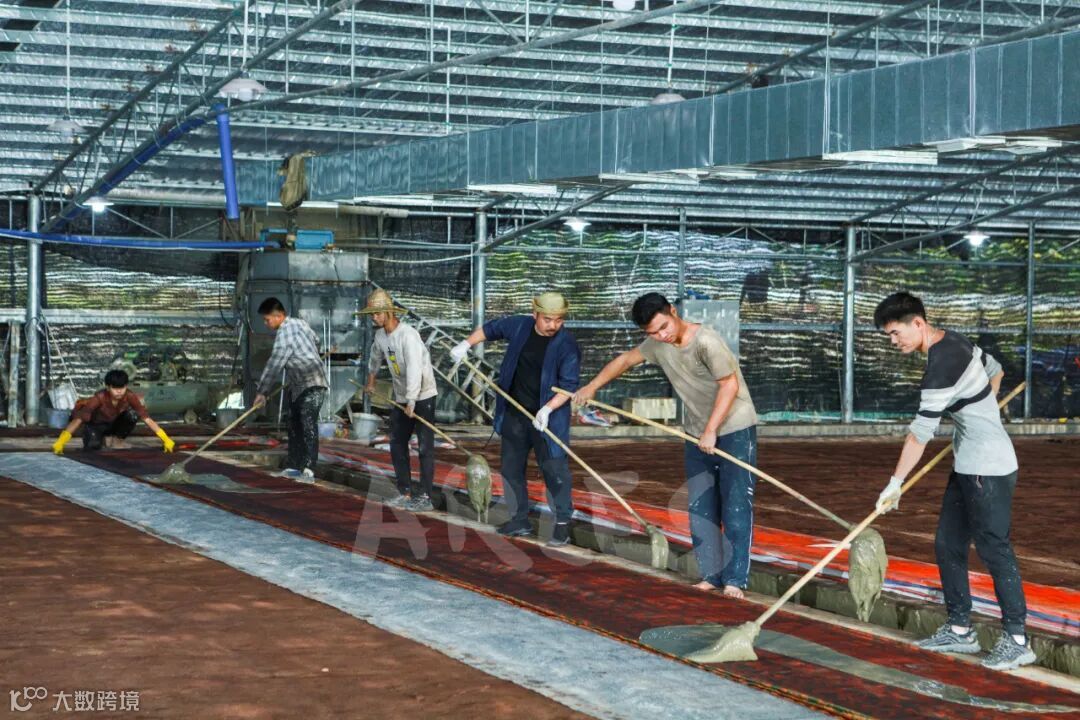
Given the intricacy of this process, workers typically operate in groups, with each group occupying one dyeing workshop and responsible for all steps from the first sun-drying to the mud-coating and pre-washing stages. A team usually consists of eight to ten members, led by an experienced foreman. Among them, two to three workers handle the dyeing, while the rest are tasked with sun-drying, rolling the fabric, removing air bubbles, and other related duties. Undoubtedly, the master dyer serves as the central figure of the group. This individual controls the concentration of the gambier liquid for each dyeing cycle, thereby determining the overall quality of the product. Typically, the master dyer is a seasoned expert with over a decade of experience, possessing an innate understanding of every procedure and technical nuance in the production process. Their precise control over every detail reaches a level of mastery where every adjustment is precise—neither excessive nor insufficient.

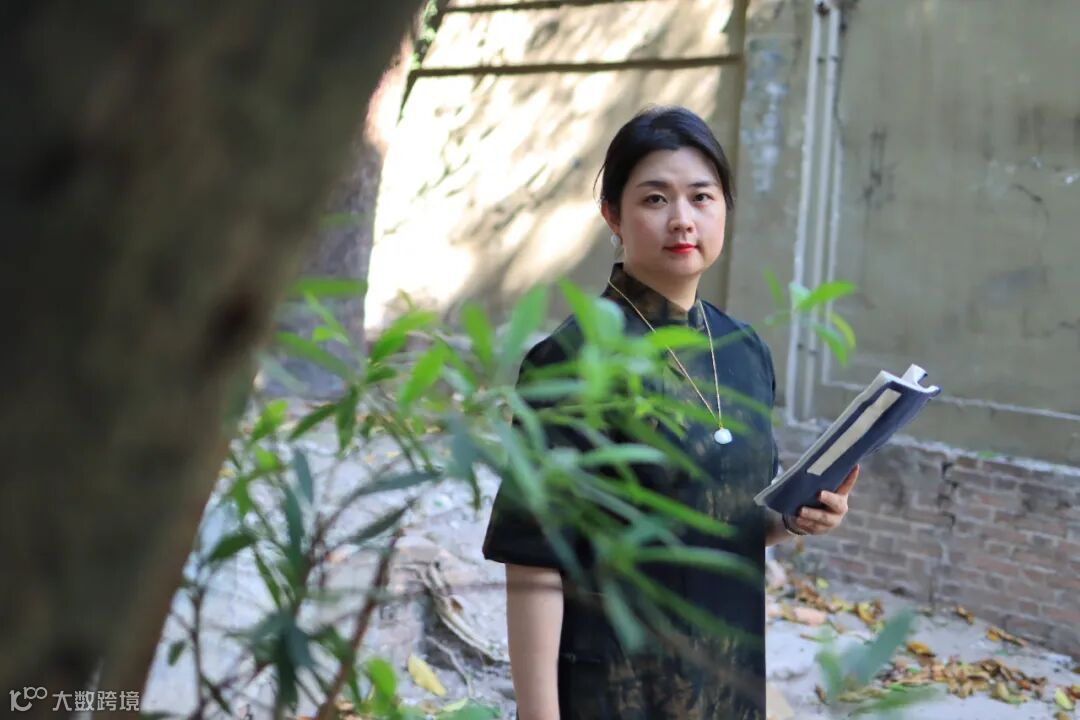
NALANGE CHRONICLES
Editor-in-Chief: Wang Xuan
Photographer: Xiao Tie
Calligrapher: Zhi Ming
Costumes: WURAY MIRACLE, YUNSHA STAR RHYME
Dedicated to promoting Xiangyunsha silk as China’s intangible cultural heritage.
Email: 1399229194@qq.com