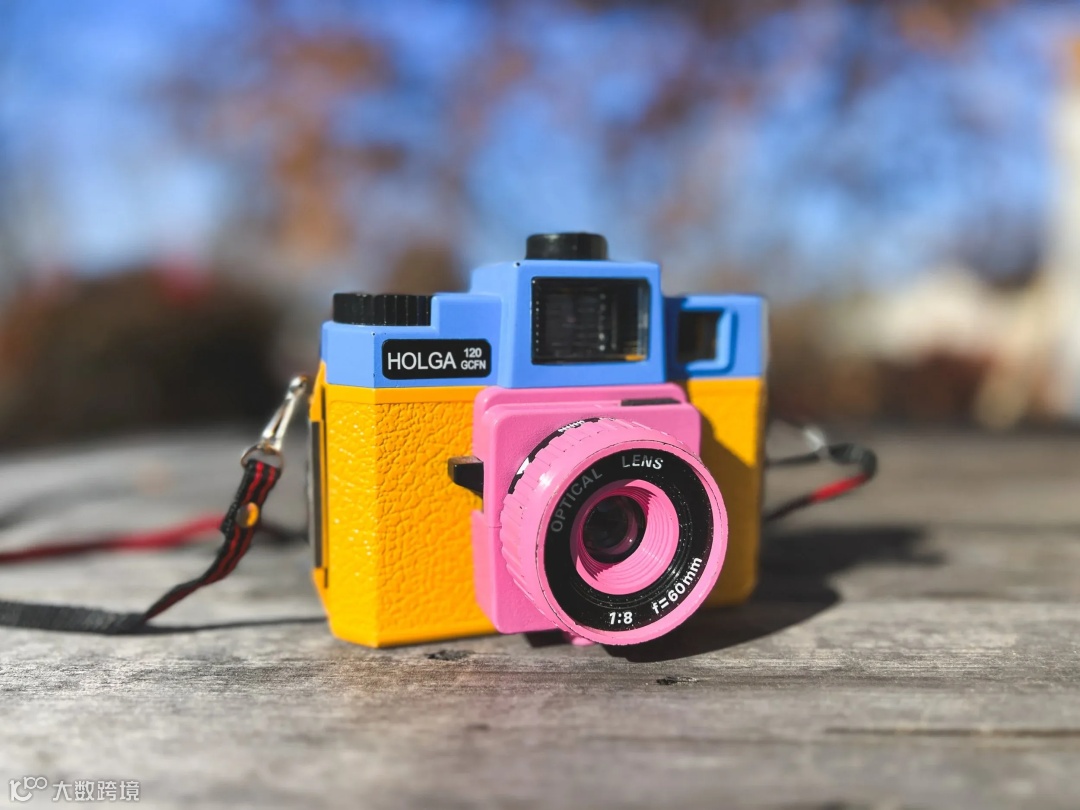

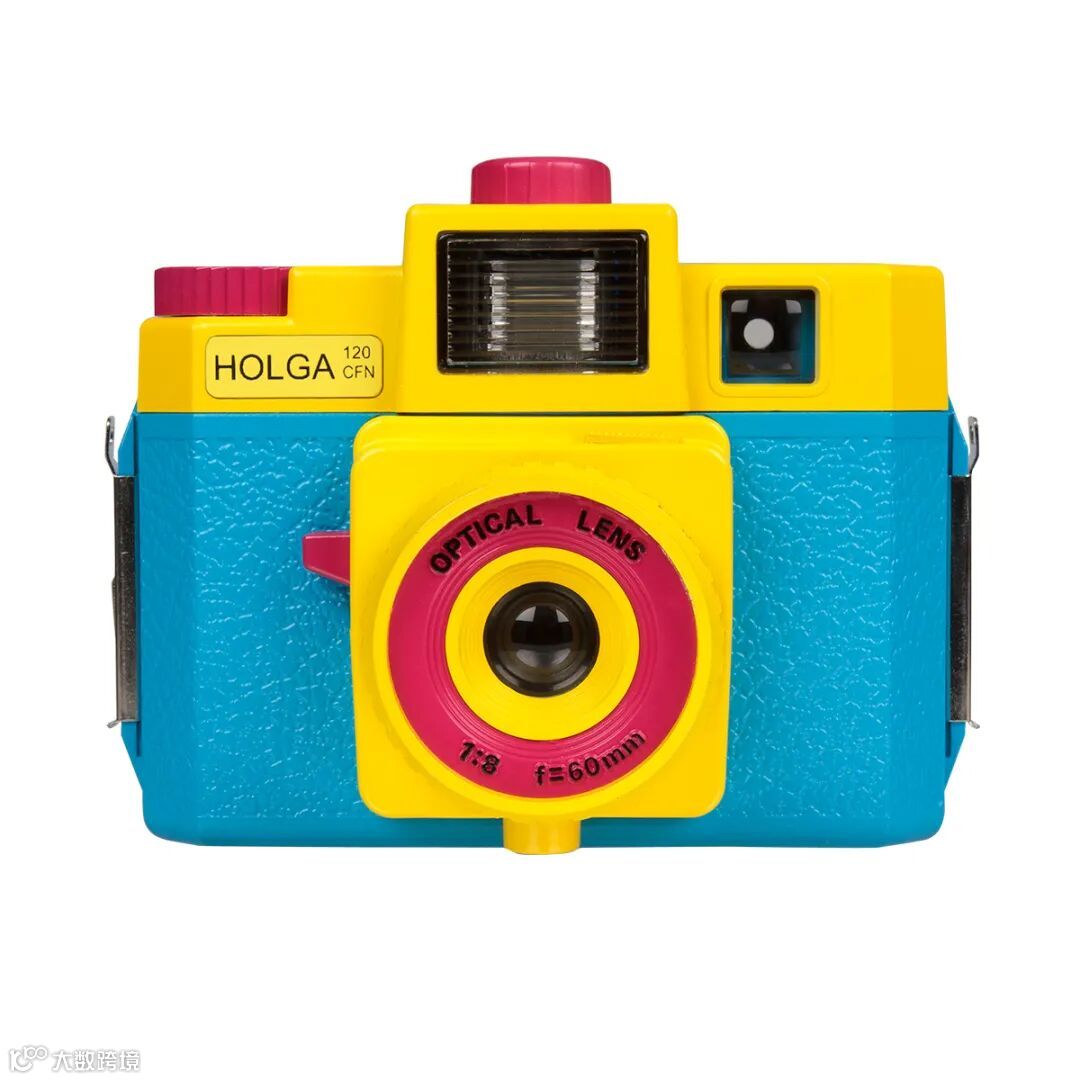
Lomography and the Holga Future
Today, the Holga movement is expanding every single minute, with new devotees spreading like wildfire. Ironically, as camera design becomes more technical and sophisticated, Holga's low-tech appeal grows stronger and stronger for us; those who relish in its quirky and unpredictable nature.

A Holga History Lesson
Hong Kong, 1982. The manufacturing and production hub of the world is burning at full flame. From within this land of manic innovation, a loving tribute to the early days of camera mechanics is created. Reflecting the shining landscape around them, this new camera is named after the term "ho gwong," meaning "very bright." After throwing a European spin onto this phrase, the moniker "HOLGA" is minted. This dead simple camera is met with a warm welcome, establishing a small yet strong base of Holga aficionados.

The concept of the original Holga camera was very straight forward - A minimal and inexpensive camera using medium format 120 film. It contained only the bare necessities for photo mechanisms and provided a cheap and accessible alternative for students and enthusiasts to dip their toes into the otherwise expensive world of medium format photography.
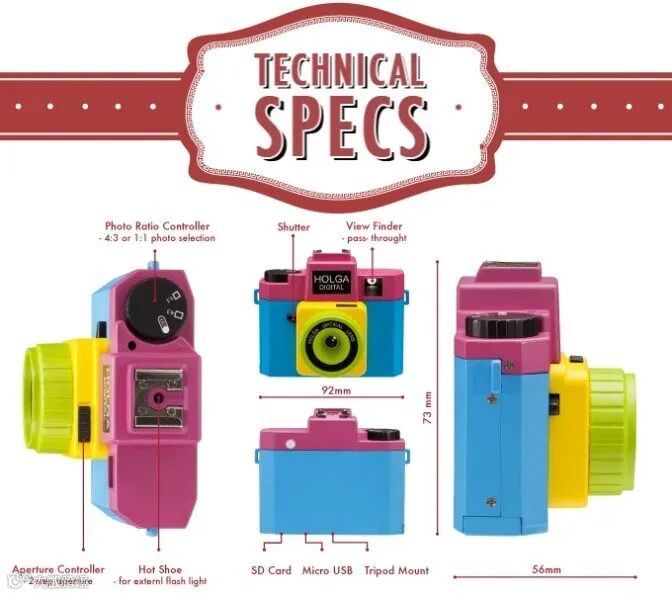
Holga是一款起源于中国香港的全手动胶片相机,名称源自广东话“好光”的发音。其采用塑料镜头与机身设计,因光学缺陷形成边缘变形、色彩偏移及漏光等独特成像效果,支持120底片拍摄6×4或6×6格式,配备两档光圈(F/8、F/11)及1/100秒、B门快门,可通过改装实现多重曝光功能。
该相机于1982年首次生产,最初定位为平价产品。20世纪末因其不可预测的成像风格被法国时装设计师采用,逐渐在欧美艺术圈流行。2010年前后推出的120CFN型号新增彩闪功能,并兼容135胶卷转换配件。2016年起品牌推出数码版本,保留机械操作逻辑与复古外观,支持SD卡存储及外接闪光灯,延续了胶片时代的漏光与暗角特性。用户可通过更换镜头、滤镜及配件扩展创作可能性,形成以改装为核心的摄影文化生态。