


Source: District Archives
Release Date: Aug 9, 2024
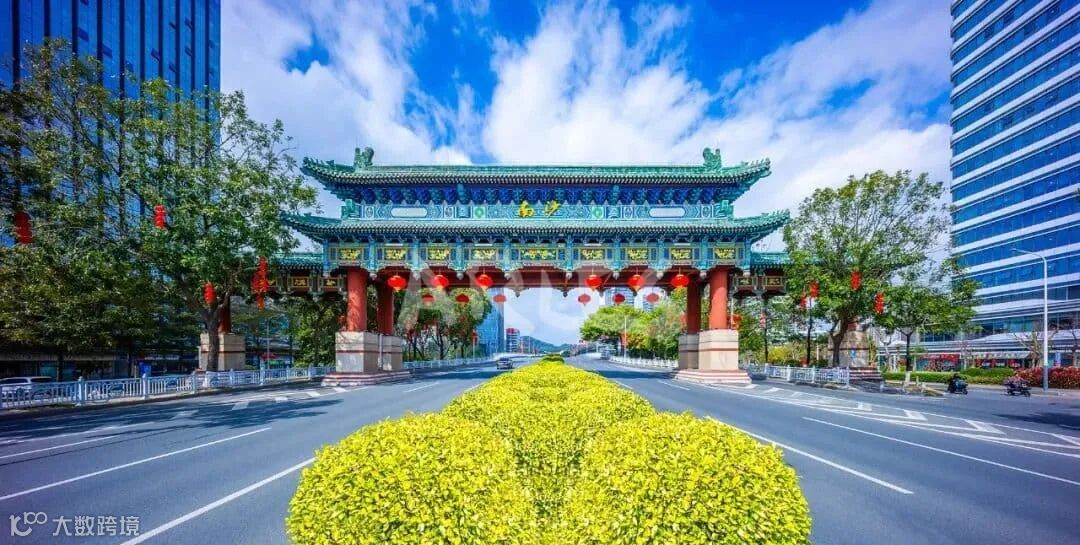
Overview of Dongyong Town
At the beginning of the founding of the People's Republic of China, the Nansha area was under the jurisdiction of Panyu County, Dongguan County, and Zhongshan County. In July 1959, the Nansha area was placed under the administration of Panyu County. On January 1, 1975, Panyu County was placed under the jurisdiction of Guangzhou City. On June 22, 1990, the Nansha Economic Zone Management Committee was established as a bureau-level unit of Panyu County. On May 20, 1992, Panyu County was redesignated as Panyu City (county-level). On June 17, 1992, the Nansha Economic Zone and Nansha Town were merged to form the Panyu City Nansha Economic Development Zone Management Committee and the Panyu City Nansha Economic Development General Corporation. On May 12, 1993, the State Council approved the establishment of the Guangzhou Nansha Economic and Technological Development Zone, covering an area of 9.9 square kilometers. On July 8, the Guangzhou Nansha Economic and Technological Development Zone Management Committee was inaugurated as an agency of the Panyu Municipal People's Government. In the same year, Nansha Town was reorganized into Nansha Subdistrict, and the Nansha Subdistrict Office operated jointly with the Nansha Economic and Technological Development Zone Management Committee.
On August 21, 2001, the Guangzhou Nansha Development Zone Construction Headquarters was established as an agency of the Guangzhou Municipal People's Government, responsible for planning, land use, development, construction, and management within the development zone. On August 8, 2002, the Guangzhou Nansha Development Zone Construction Headquarters was officially inaugurated. On January 1, 2003, the Zhujiang Management Area was officially placed under the management of the Guangzhou Nansha Development Zone Construction Headquarters. On March 10, 2004, the State Council approved the expansion of the Guangzhou Nansha Economic and Technological Development Zone to 27.6 square kilometers.
On April 28, 2005, the State Council approved the establishment of the Nansha District of Guangzhou City. The towns of Wanqingsha, Huangge, and Hengli, as well as Nansha Subdistrict from Panyu District, along with parts of Miaonan Village, Qiyi Village, and Miaoqing Village in Lingshan Town, and parts of Qingsheng Village, Shagongbao Village, and Shipai Village in Dongyong Town, were incorporated into Nansha District. On September 30, Nansha District was officially inaugurated. Starting at midnight on October 12, the aforementioned areas of Panyu District were transferred as a whole to Nansha District. Nansha District administered Wanqingsha Town, Huangge Town, Hengli Town, Nansha Subdistrict, and the Zhujiang Management Area, covering an area of 527.66 square kilometers.
In April 2008, the Guangzhou Nansha Economic and Technological Development Zone Management Committee was upgraded and re-established (operating jointly with the Guangdong Nansha Export Processing Zone Management Committee). It assumed the functions of the Guangzhou Nansha Development Zone Construction Headquarters (which was simultaneously abolished) and uniformly managed the Guangzhou Nansha Economic and Technological Development Zone, Guangzhou Nansha High-Tech Industrial Development Zone, and Guangdong Nansha Export Processing Zone. On October 18, 2008, the State Council approved the establishment of the Guangzhou Nansha Bonded Port Zone, with a planned area of 7.06 square kilometers. In October 2008, the Zhujiang Management Area was redesignated as Zhujiang Subdistrict.
On September 7, 2009, the Guangdong Nansha Export Processing Zone was renamed the Guangzhou Nansha Bonded Port Zone Processing Area, the Guangzhou Nansha Bonded Logistics Center was renamed the Guangzhou Nansha Bonded Port Zone Logistics Area, and the Guangzhou Port Nansha Port Area Phase II was renamed the Guangzhou Nansha Bonded Port Zone Port Area. On September 7, 2011, Longxue Subdistrict was inaugurated.
On September 6, 2012, the State Council officially approved the "Guangzhou Nansha New District Development Plan," designating Nansha New District as a national-level new area. Starting December 1, 2012, Dongyong Town, Dagang Town, and Lancun Town from Panyu District were placed under the management of Nansha District. Nansha District then administered Wanqingsha Town, Huangge Town, Hengli Town, Dongyong Town, Dagang Town, Lancun Town, Nansha Subdistrict, Zhujiang Subdistrict, and Longxue Subdistrict.
On December 28, 2014, the Guangzhou Nansha New Area was included in the China (Guangdong) Pilot Free Trade Zone, covering an area of 60 square kilometers. On April 21, 2015, the China (Guangdong) Pilot Free Trade Zone Guangzhou Nansha New Area was officially inaugurated. In February 2019, the "Outline Development Plan for the Guangdong-Hong Kong-Macao Greater Bay Area" was released, designating Nansha District as a comprehensive cooperation demonstration zone for Guangdong, Hong Kong, and Macao.
In July 2020, the State Council approved the integration and optimization of the Guangzhou Nansha Bonded Port Zone into the Guangzhou Nansha Comprehensive Bonded Zone. In June 2022, the State Council issued the "Overall Plan for Deepening Comprehensive Cooperation Between Guangzhou Nansha and Hong Kong and Macao Facing the World," explicitly proposing to build Nansha into a major strategic platform rooted in the Bay Area, cooperating with Hong Kong and Macao, and facing the world. On December 28, 2023, Gangwan Subdistrict was inaugurated, and the jurisdictional areas of Nansha Subdistrict and Huangge Town were adjusted.
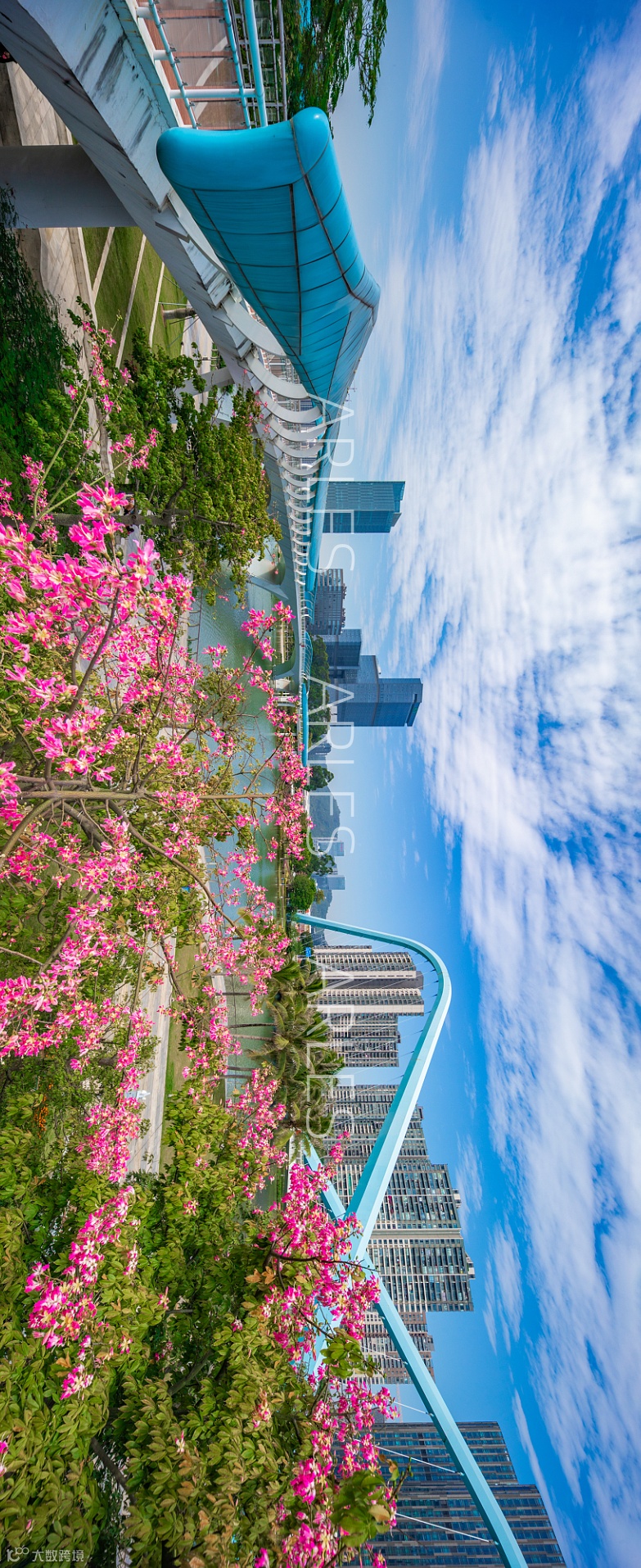
【 Location and Area】
Nansha District is situated at the southernmost tip of Guangzhou, on the western bank of the Pearl River's Tiger Gate Waterway, where the West River, North River, and East River converge. It faces Dongguan across the river to the east, borders Zhongshan and Shunde District of Foshan to the west, is separated by the Shawan Waterway from Panyu District of Guangzhou to the north, and adjoins the Lingding Ocean at the Pearl River estuary to the south. Its total planned area is 803 square kilometers.
Located at the geometric center of the Guangdong-Hong Kong-Macao Greater Bay Area, Nansha District is 38 nautical miles from Hong Kong and 41 nautical miles from Macao. It serves as the Pearl River Basin's gateway to the sea, a crucial hub connecting the cities along the Pearl River Estuary with Hong Kong and Macao, and Guangzhou's only access to the sea. The Nansha New Area of the Pilot Free Trade Zone covers 60 square kilometers and consists of seven blocks, making it the largest component of the Guangdong Pilot Free Trade Zone.
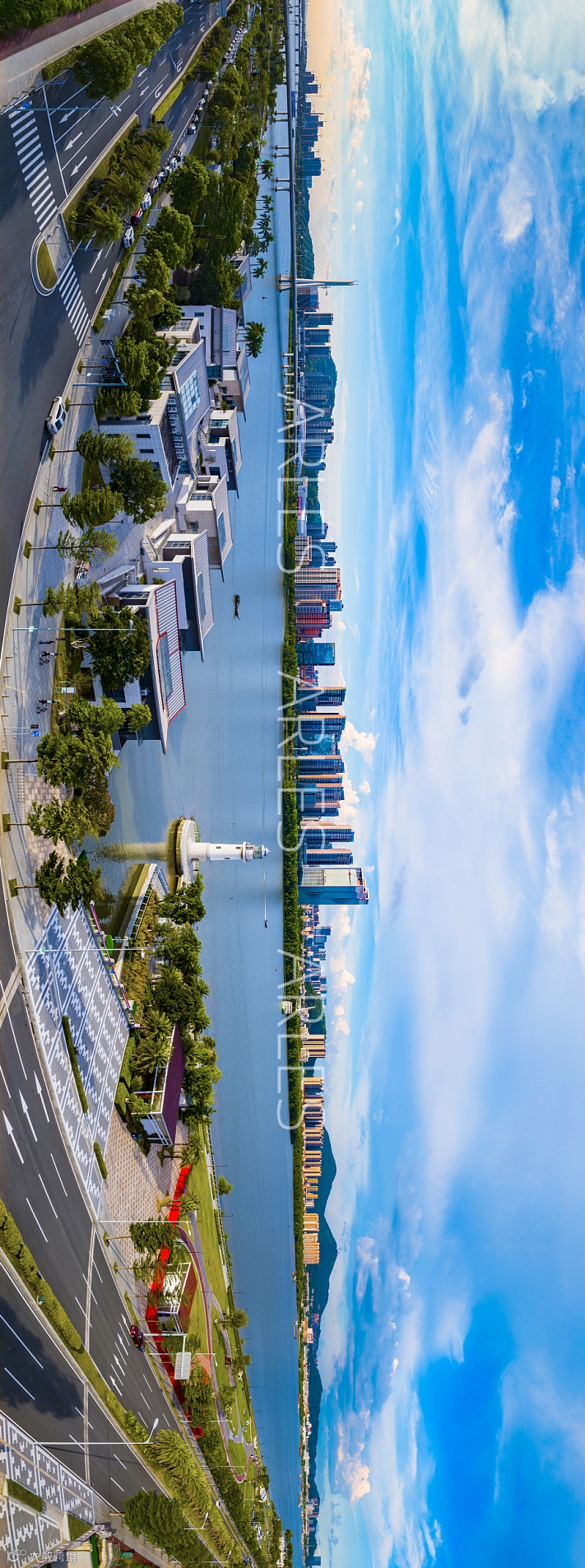
【Geology and Geomorphology】
Geology & Geomorphology
The geological basement of Nansha District is composed of Paleozoic metamorphic rock series. The oldest, from the Lower Paleozoic Sinian System, consists of metamorphic sandstone, slate, schist, and siliceous rocks, distributed in the area from Tangkeng Village in Nansha Subdistrict to Yuane Hill in the Nansha Forest Farm. Caledonian period migmatitic granite is found in Shenwan Village, Nansha Subdistrict. Large-area bedrock is Yanshanian period fine-grained, medium-grained, and coarse-grained biotite granite, distributed around Huangshanlu and Dashanna Hill. Meso-Cenozoic fault basin deposits include continental conglomerate, glutenite, sandstone, and argillaceous siltstone, found in the areas of Dahu Hill and Xiaohu Hill. The exposed stratigraphic sequence in the district is incomplete, primarily consisting of the Sinian System, Tertiary System (including Paleogene and Neogene), and Quaternary System (including Upper Pleistocene and Holocene).
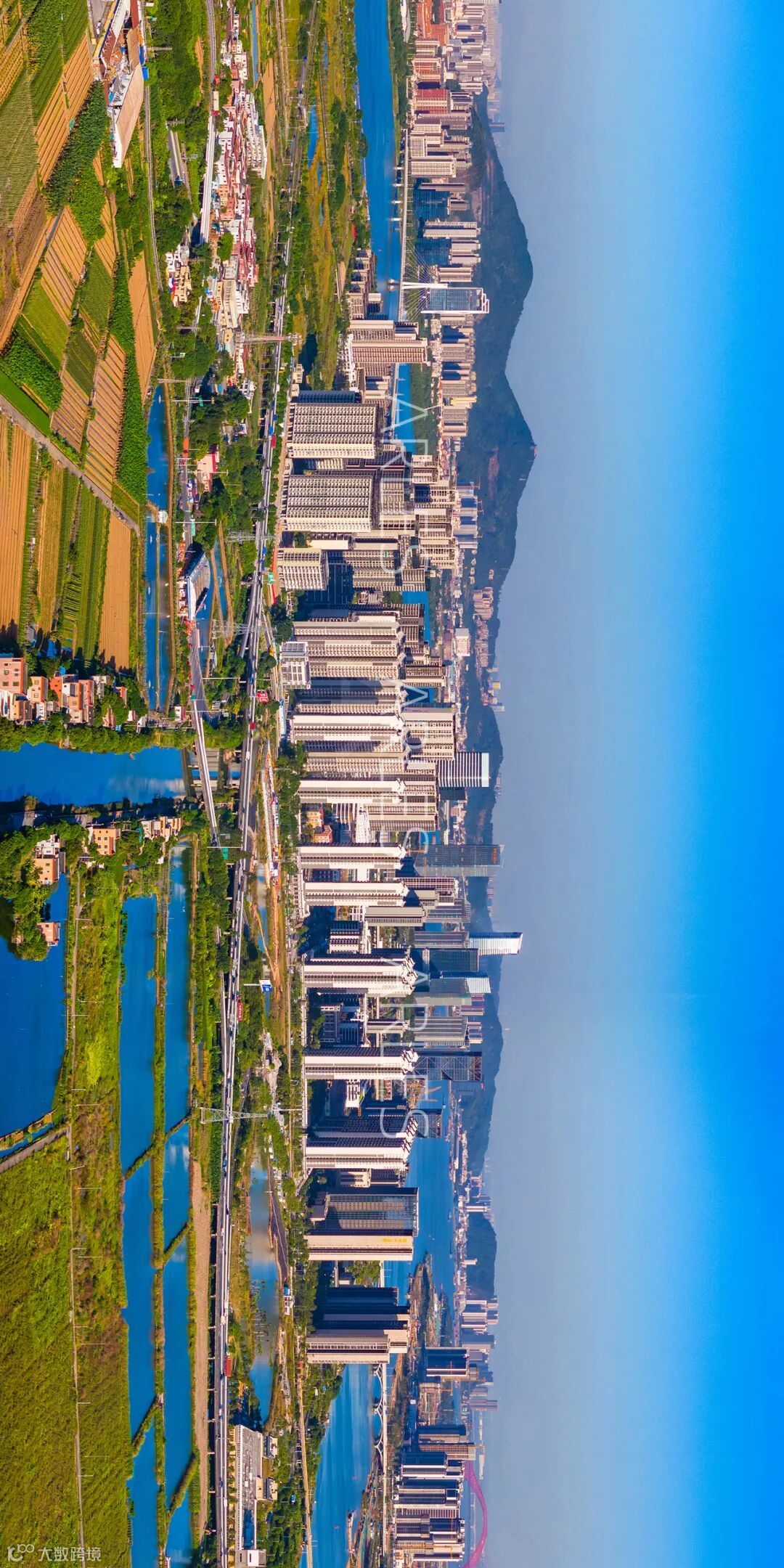
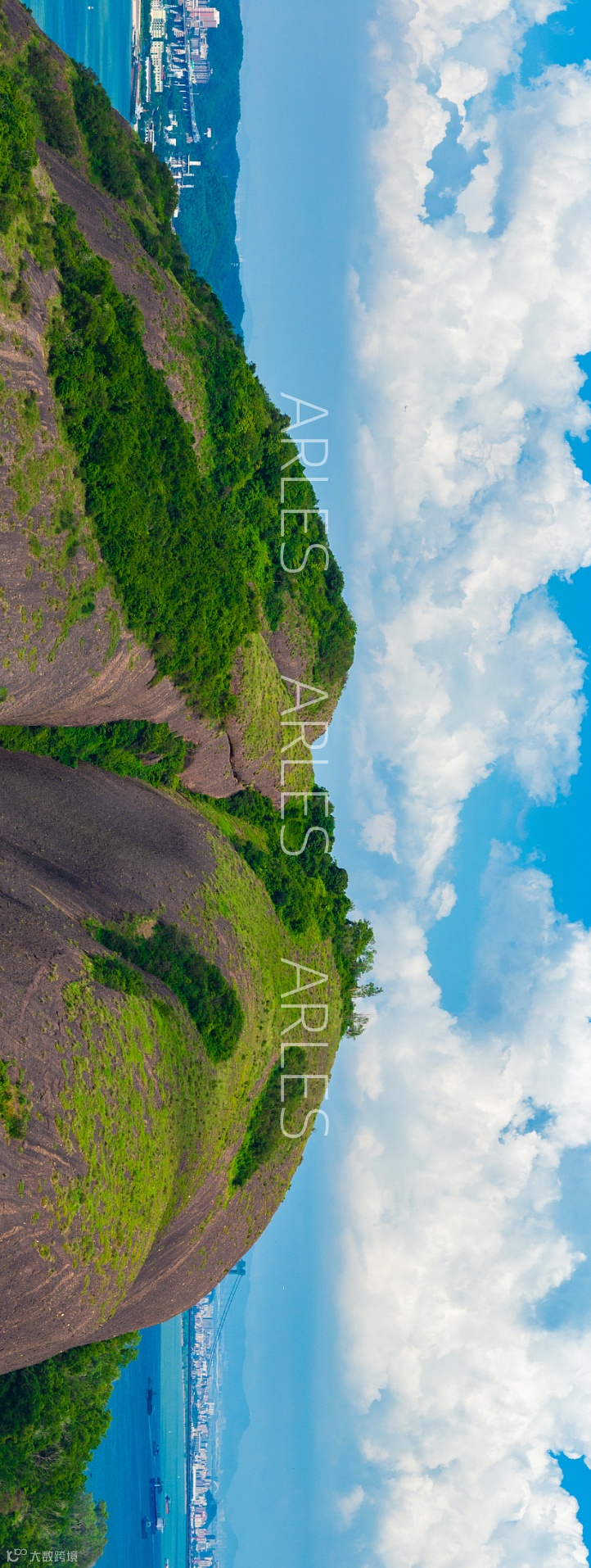
The geomorphology of Nansha District exhibits distinct estuarine alluvial characteristics, featuring a dense network of waterways and flat terrain. Most of the land area comprises plain fields, formed through a combination of fluvial sedimentation and land reclamation. The elevation of the land area in Nansha is relatively low, with an average height below 2 meters, and the ground consists largely of silt and soft soil. In some areas, the soft soil layer can reach a thickness of up to 40 meters, and the groundwater level is shallow. The district is sporadically dotted with hills such as Dashanna, Luqian Hill, Liugang Hill, Dahu Hill, Xiaohu Hill, Huangshanlu, and Shibaluohan Hill, with the highest point located at Huangshanlu.
【Climate】
Climate
In 2023, the overall climatic characteristics of Nansha District featured an abrupt shift from drought to flood with an early start to the flood season, frequent rainstorms of high intensity, relatively strong typhoons with significant impact, and an early onset of high temperatures that broke records.
Temperature
The annual average temperature in Nansha District for the year was 24.2°C, which is 0.8°C higher than the average of the past decade (23.4°C). The lowest temperature recorded was 6.3°C on December 22, while the highest temperature was 39.3°C on July 15. There were 26 high-temperature days, 13 days more than the average of the past decade (13 days). High-temperature weather was concentrated in July and August, with 11 and 6 high-temperature days respectively. The district experienced 92 days of spring; summer began on April 3 and lasted for 224 days, accounting for approximately 61% of the year; autumn started on November 13 and lasted for 48 days; there was no climatological winter.
Precipitation
The annual precipitation in Nansha District was 2053.8 mm, nearly 20% higher than the average of the past decade (1748.9 mm). Precipitation in March and October was significantly higher, nearly 60% and 80% above the average of the same period in the past decade, respectively. Precipitation in June and September was exceptionally high, 2 times and 3.1 times the average of the same period in the past decade, respectively. Precipitation in January and April was significantly lower, nearly 60% below the average of the same period in the past decade. There were 114 precipitation days and 15 heavy rain days, 8 days more than the average of the past decade (7 days). The highest daily precipitation recorded was 198.5 mm on September 8. The longest consecutive precipitation period was 9 days (March 25 to April 2), while the longest consecutive period without precipitation was 47 days (February 6 to March 24). Annual precipitation across the towns (subdistricts) ranged between 1529.5 mm and 2053.8 mm, with Zhujiang Subdistrict receiving over 2000 mm, Longxue Subdistrict, Wanqingsha Town, and Lancun Town receiving over 1800 mm, and Dagang Town receiving the least, below 1600 mm.
Wind
The annual average wind speed in Nansha District was 2.4 m/s, approximately 11% lower than the average of the past decade (2.7 m/s). The dominant wind direction from February to September was southeasterly, while from January and October to December, it was northerly. The annual frequency of calm winds was less than 1%, and there were 3 days with strong winds.
Visibility
There was 1 day of heavy fog in Nansha District during the year, occurring in January, which was 2.6 days fewer than the average of the past decade (3.6 days) and 3 days fewer than the previous year. There were 5 days of haze, 39.2 days fewer than the average of the past decade (44.2 days) and 4 days fewer than the previous year. Haze weather was concentrated in January, February, and December.
Relative Humidity
The annual average relative humidity in Nansha District was 78%, 5 percentage points higher than the average of the past decade (73%). The monthly average relative humidity was higher across all months, with October showing the most significant increase, 10 percentage points higher. The lowest relative humidity recorded during the year was 18% on January 29.
【Natural Resources】
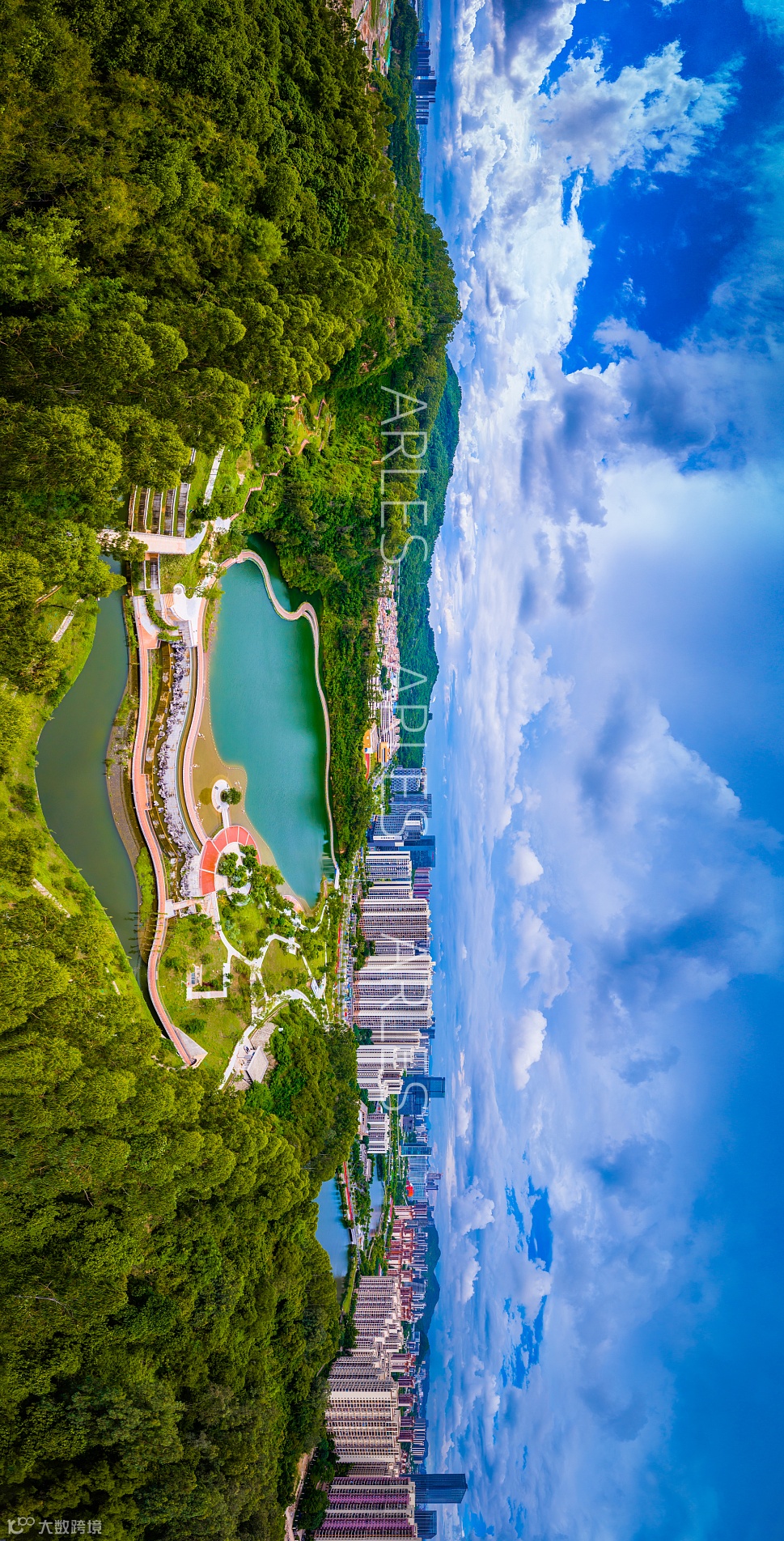
The main mineral resources in Nansha District include granite and red sandstone. Granite is primarily distributed in Huangge Town, Dagang Town, Nansha Subdistrict, and Gangwan Subdistrict. Red sandstone is mainly found in Huangge Town and Dagang Town.
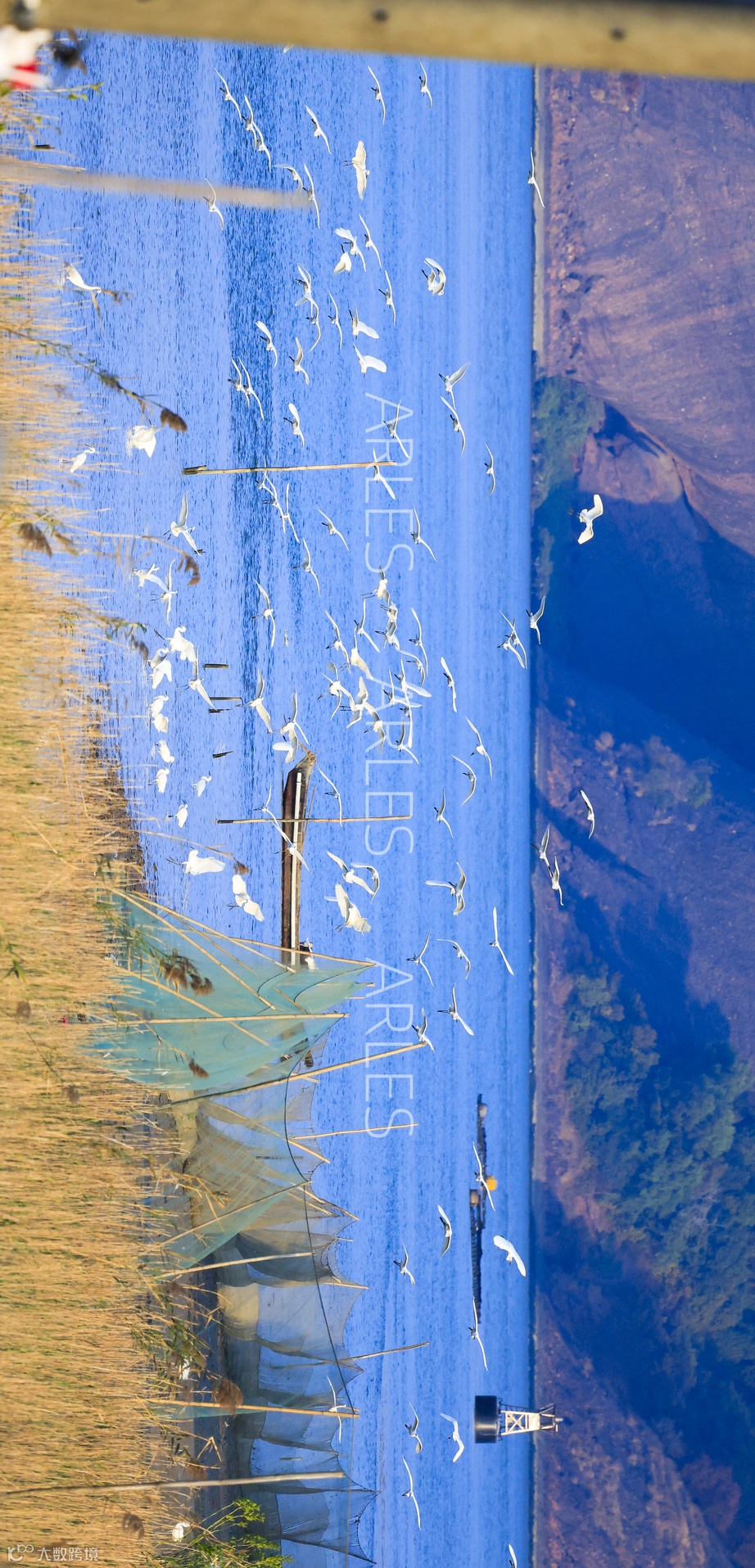
Nansha District is rich in water resources, with a coastline of 195.13 km and a sea area of 337.78 km², accounting for 88.26% of Guangzhou's total sea area. It boasts 11 islands, 10 of which have an area exceeding 500 m². Located at the convergence point of saltwater and freshwater, Nansha features a dense water network and a wetland ecosystem with rich ecological structures, including Guangzhou's largest wetland system—the Nansha Wetlands. The district also has Guangzhou's largest mangrove forest coverage, with a total area of 198.18 hectares in 2023, predominantly distributed in Wanqingsha Town.
【Population】
At the end of 2023, Nansha District had a permanent resident population of 967,900 and a registered population of 563,200. Throughout the year, there were 8,720 births, with a birth rate of 9.66‰, and 3,045 deaths, with a mortality rate of 3.37‰. The natural population increase was 5,675, resulting in a natural growth rate of 6.28‰. The district is home to 50 minority ethnic groups, including the Zhuang, Yao, Tujia, and Miao.
【Language】
The vast majority of the registered population in Nansha District speaks Cantonese. The Cantonese spoken in the Nansha area belongs to the Guangfu subgroup, which is one of the four major subgroups of Cantonese: Guangfu, Gaolian, Luoguang, and Siyi. Located in the southern part of Guangzhou, if Panyu and Nansha districts are considered as a whole, their linguistic variations can be divided into five sub-dialect areas: the northern Shiqiao and Shawan areas, the central Shatian area, and the southern Huangge and Nansha areas.
In Nansha District, the towns of Dagang, Dongyong, Lancun, and Hengli fall under the Shatian sub-dialect area. Huangge Town belongs to the Huangge sub-dialect area, while Nansha Subdistrict, Zhujiang Subdistrict, Wanqingsha Town, and Longxue Subdistrict are part of the Nansha sub-dialect area. Additionally, residents living between the 11th and 14th Chong of Wanqingsha Town are primarily descendants of fishing communities who relocated from the Lingshan and Yuwotou areas in 1973, and their speech belongs to the Shatian sub-dialect area.
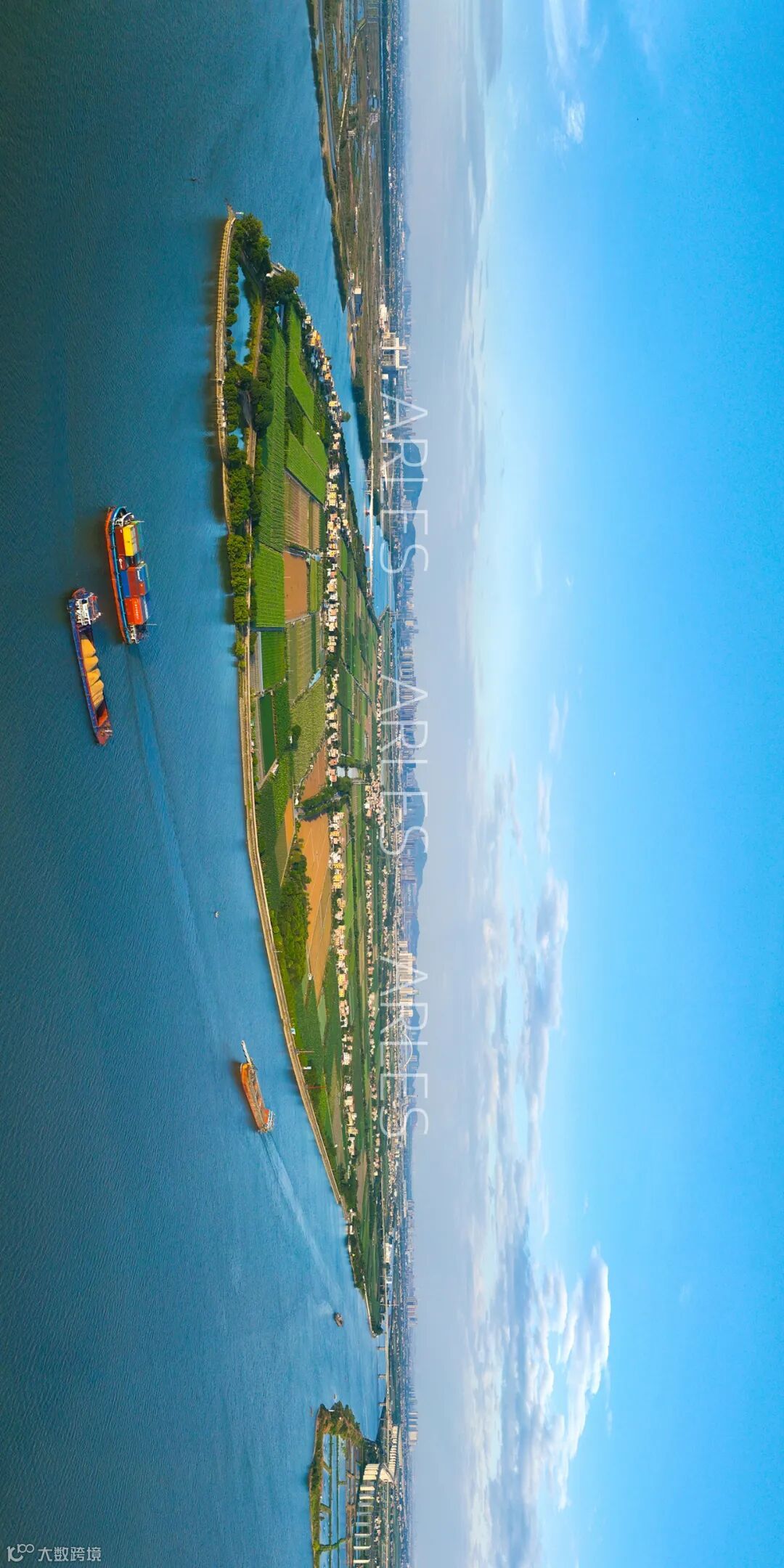
【Administrative Divisions】
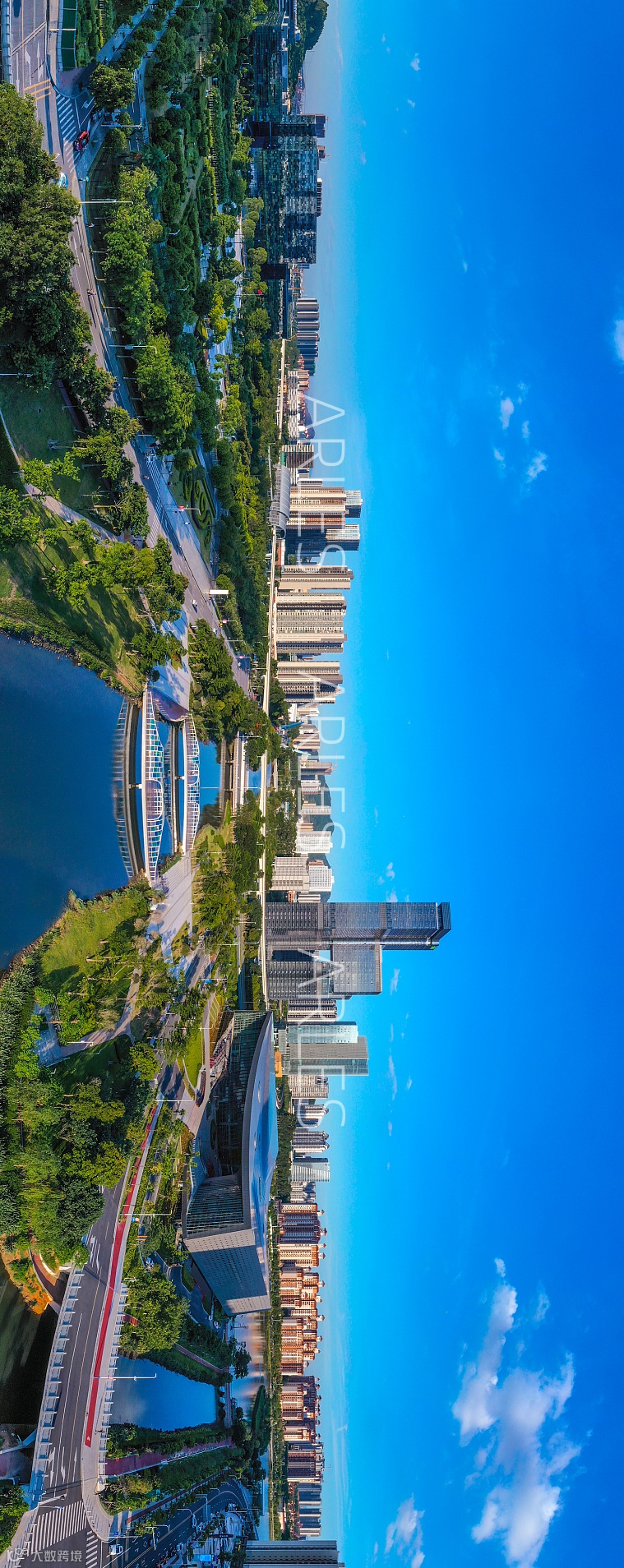
【Economic Development】
In 2023, Nansha District achieved a gross regional product of 232.354 billion yuan, representing a year-on-year increase of 4.3%. The total output value of industrial enterprises above the designated size reached 386.252 billion yuan, up by 2.9%. General public budget revenue amounted to 12.563 billion yuan, growing by 7.4%. Total tax revenue (including customs duties) was 80.547 billion yuan, of which domestic tax revenue totaled 56.82 billion yuan, an increase of 3.3%. Total retail sales of consumer goods reached 33.245 billion yuan, rising by 12.8%. The total value of foreign trade imports and exports was 291.21 billion yuan, accounting for 26.7% of Guangzhou's total foreign trade value. The per capita disposable income of urban and rural residents increased by 4.7% and 6.3%, respectively. Nansha Economic and Technological Development Zone ranked 7th in the comprehensive development level assessment of national-level economic and technological development zones in 2023.
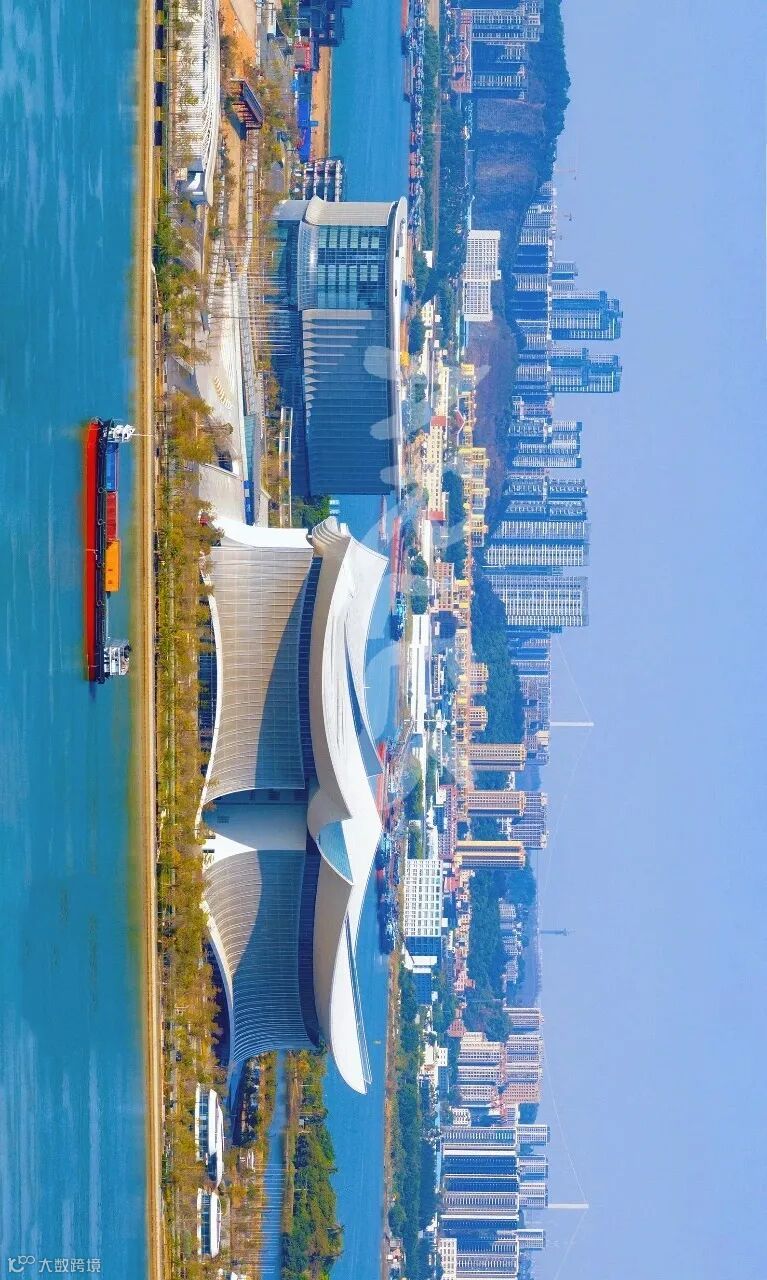
【Business Environment】
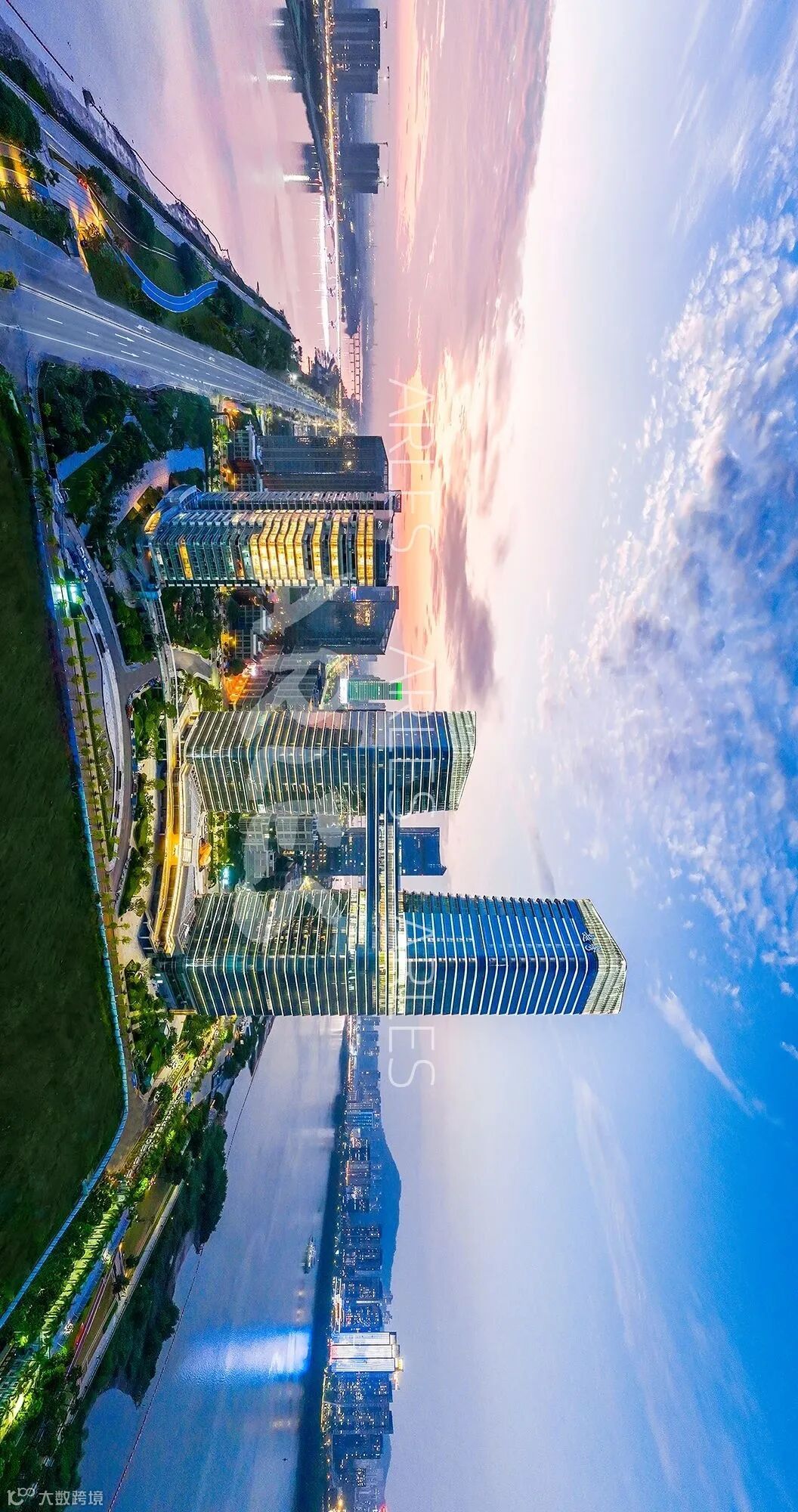
【Social Services】
【Ecological Improvement】
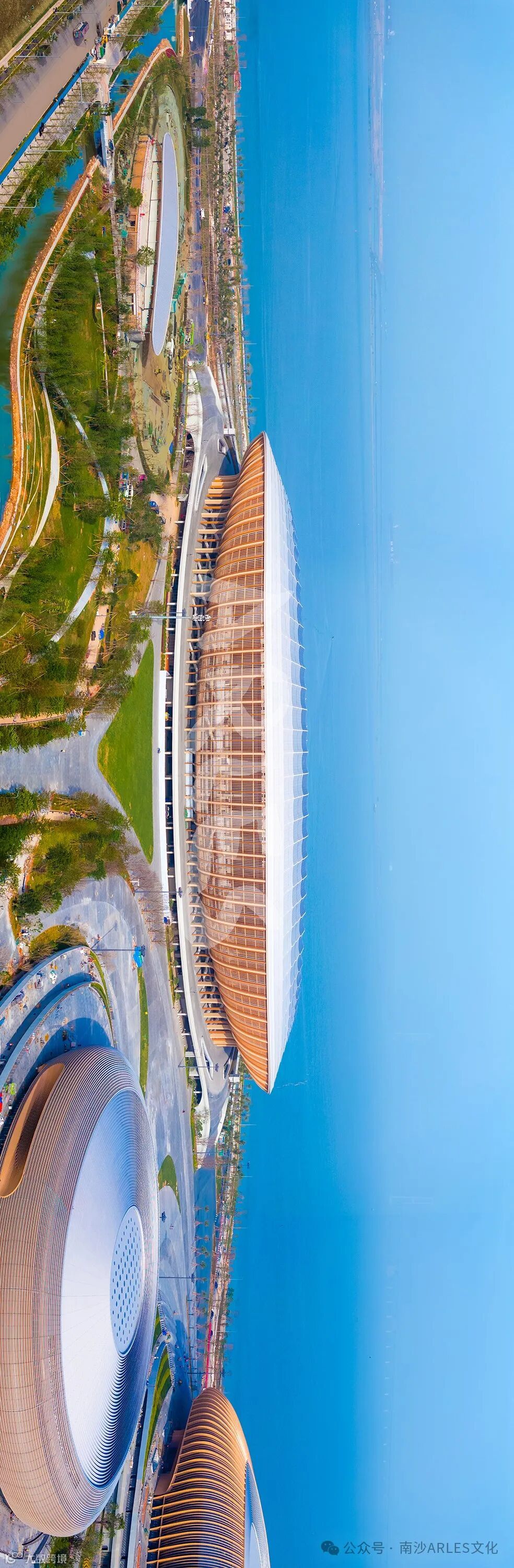
In 2023, Nansha District established a special task force for building a beautiful and ecologically sound Nansha, fully implementing initiatives to connect mountains and seas, integrate parks into the city, and fill the city with greenery, aiming to create a "Nansha model" for a beautiful Guangzhou. The Guangzhou Garden Ecology Group Co., Ltd. was inaugurated in Nansha to support the construction of a green and beautiful Nansha. The district completed the province-assigned task of nurturing 400 mu (26.67 hectares) of new forest and achieved 14 municipal targets related to Nansha. The mangrove demonstration site for the "Beautiful Coastal Belt" in Nansha Wetland commenced construction, with 331.27 hectares of forest improved and greened. Integrated into the South China National Botanical Garden system, the Nansha Wetland Mangrove Specialized Plant Display Garden and the Nansha Children's Park Ecological Science Education Site were selected as part of the first batch of specialized plant display gardens and ecological science education sites. The district also established its first rose-specialized plant display garden—Nansha Heart Garden. Green space development was advanced in the Mingzhu Bay Start-up Area, the Qingsheng Hub urban green spaces, and the "five edges" and "four sides" greening and beautification in rural areas, resulting in 90.53 hectares of urban green space, 81.07 hectares of rural greening and beautification, 3,000 square meters of vertical greening, and 4.64 kilometers of greenways along Qingsheng Avenue. Through initiatives like "Internet + National Voluntary Tree Planting," over 90 voluntary tree-planting events were held, with more than 10,000 trees planted. Projects such as the "Huangge Forest Town" and the "Integrated Mangrove Afforestation and Restoration Service Project" were carried out. Multifunctional forests and shelterbelts were developed in Dashanna, Shibaluohan Mountain, and Nansha Wetland, achieving 3.69 hectares of multifunctional forests, 34 hectares of mountain afforestation, and 122 hectares of shelterbelts. The Huangge Forest Town—Dashanna Forest Park was advanced, with approximately 15 kilometers of forest trails completed. Nansha Wetland was approved as a Provincial Important Wetland, and Tantou Mangrove Forest was recognized as a Municipal Important Wetland. Efforts were made to scientifically develop ecological corridors for waterbirds, creating a comprehensive coastal protection and restoration demonstration area, with 17.4 hectares of waterbird ecological corridors completed.
Release Date: August 9, 2024
Produced By: Nansha Cultural Society
Editor: Xuan Wang
Photography: Xiaotie Chen
Contact Us: 1399229194@qq.com