

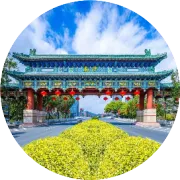

Overview of Longxue Street
Longxue Street is situated in the southeastern part of Nansha District, Guangzhou, surrounded by water on all sides and connected to the mainland by three bridges, offering unique scenery. It borders the Humen Waterway to the east, faces the Lingding Ocean to the south, adjoins the Jiaomen Waterway to the west, and is bounded by the Fuzhou Waterway to the north. The total area is 132.1 square kilometers, including 53 square kilometers of land and 79.1 square kilometers of water. It currently administers one community neighborhood committee. The area boasts abundant deep-water shoreline resources and prominent port advantages, hosting a world-class shipbuilding base, an internationally renowned port, and a Class A comprehensive bonded zone.
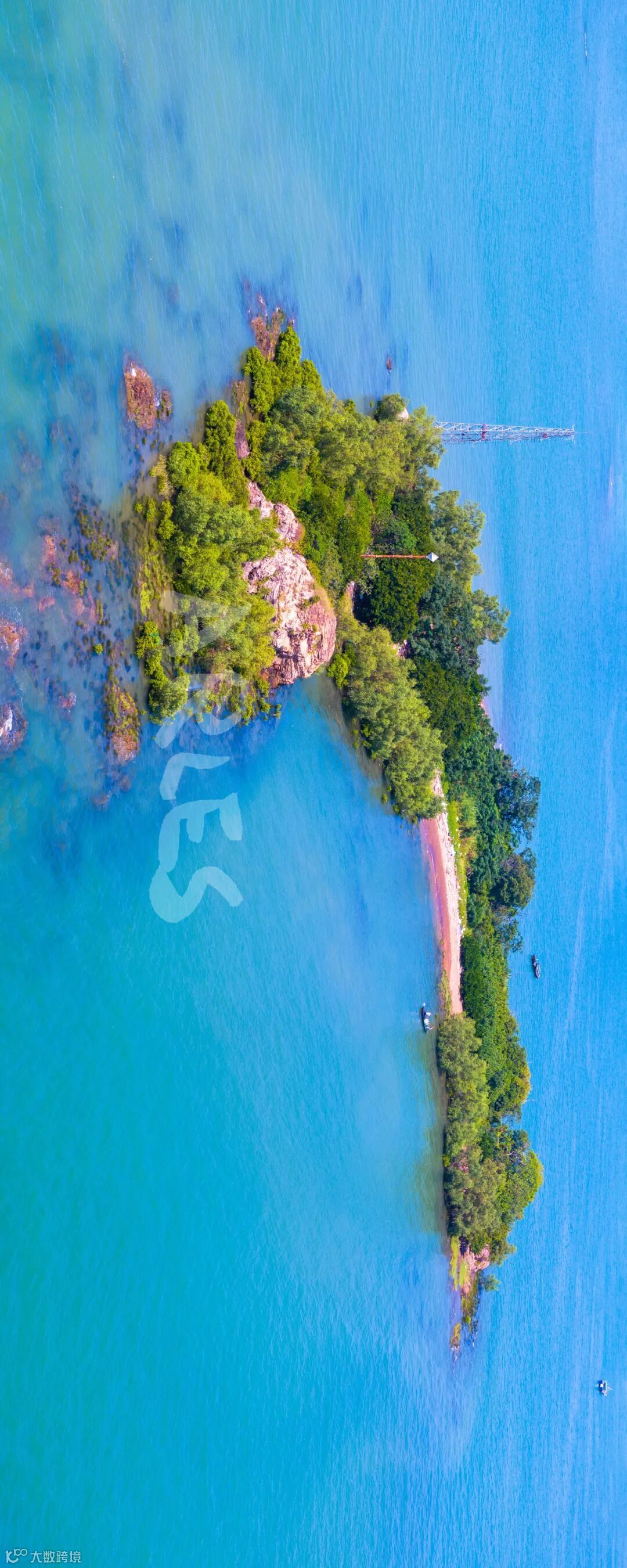
Longxue Island derives its name from the folk legend of the South Sea Dragon King's abode. The island's Tonggu Hill features numerous sea-eroded caves, such as Carp Cave, Shrimp Cave, and Dragon Palace, each with distinct shapes and rich mythological significance. Geologically, Longxue Island originated as a small bedrock island in the ancient Lingding Ocean. It gradually expanded as the Pearl River Delta silted up and the coastline shifted southward. After the Lingding Estuary took shape in the 17th century, the island stabilized around Longxue Hill as its core. Modern development began with reclamation efforts by the Dongguan Mingluntang, followed by large-scale reclamation projects by the Zhujiang Overseas Chinese Farm and reclamation companies after the founding of the People's Republic of China. By the early 21st century, sandbars such as Jibaosha and Masha had merged with Longxue Island, forming the prototype of today's Longxue Street, which was officially established on September 7, 2011.
Since its establishment in 2011, Longxue Street has leveraged its world-class shipbuilding base, international port, and Class A comprehensive bonded zone to build an industrial system centered on port industries and shipping logistics. Through initiatives like the "Hundreds, Thousands, and Tens of Thousands Project," the street has promoted community micro-renovations, added thousands of parking spaces, and successfully created a multi-ethnic integrated community (home to over 30 ethnic groups). With a service population exceeding 50,000, Longxue Street has become a modern port city within Nansha District, exemplifying the integration of industry and urban development.
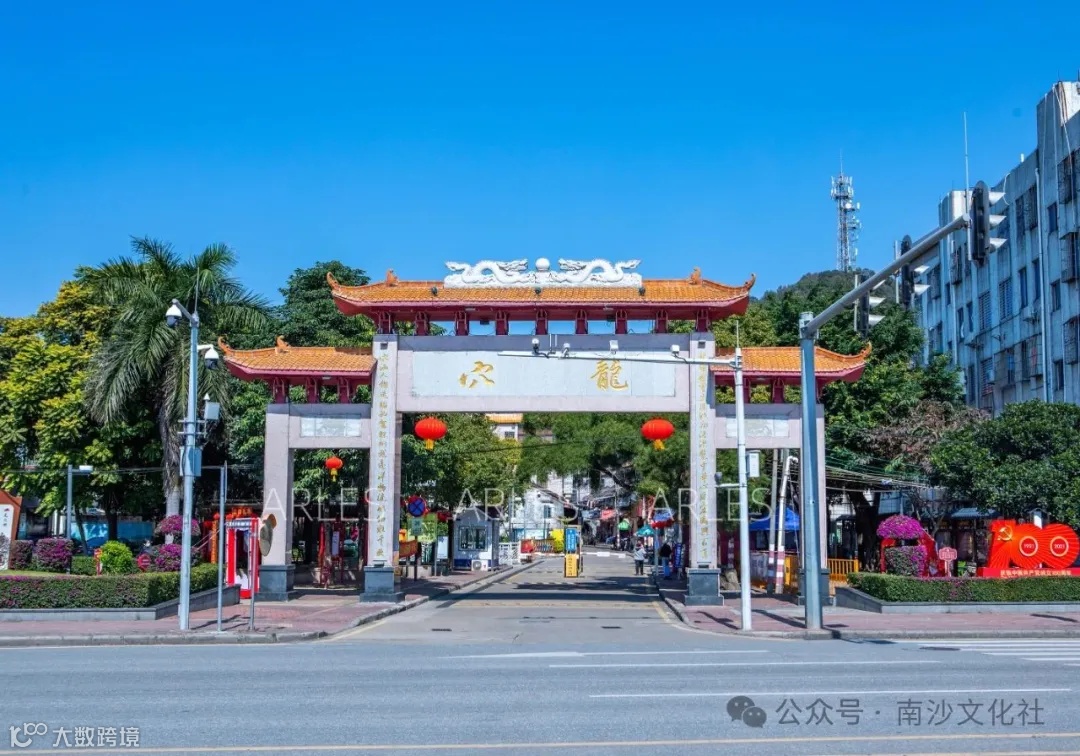
I. From the Ming and Qing Dynasties to the Founding of New China (1368–1949)
During the Hongwu period of the Ming Dynasty (1368–1398), Longxuzhou was clearly under the jurisdiction of Dongguan County, with seasonal settlement by fishermen beginning on the island. In the first year of the Wanli era (1573), Xin'an County was established, and Longxuzhou was transferred to its administration. Over the following three centuries, its jurisdiction alternated multiple times between Dongguan County and Xin'an County. The 1817 edition of the Annals of Xin'an County during the Qing Dynasty's Jiaqing reign first explicitly recorded the administrative affiliation of Longxuzhou. In 1938, during the Republican era, the Dongguan Mingluntang established a model farm on Longxuzhou, marking the beginning of organized development. In 1947, Longxuzhou was formally incorporated into the administrative system of Wanqingsha Township, Dongguan County.
II. Early Years of New China to the Pre-Reform and Opening-Up Period (1949–1978)
In November 1949, the Longxue area was taken over by the Dongguan County Military Control Commission and placed under the management of the Wanqingsha Takeover Farm. In April 1953, it was transferred to the newly established Fourth District of Zhuhai County, marking Longxue's first separation from Dongguan's administrative jurisdiction. In July 1959, it was formally incorporated into the state-owned Wanqingsha Zhujiang Mechanical Farm of Guangdong Province, becoming the Longxue Operation Zone. In 1975, Panyu County was placed under the jurisdiction of Guangzhou, and Longxue was subsequently incorporated into Guangzhou's administrative system. In June 1978, the farm was restructured into the state-owned Zhujiang Overseas Chinese Farm of Guangdong Province, signifying an important shift in its management system.
III. Post-Reform and Opening-Up to the Pre-Nansha Development Period (1978–2005)
In June 1978, the state-owned Zhujiang Farm of Guangdong Province was renamed the state-owned Zhujiang Overseas Chinese Farm of Guangdong Province, marking a major reform in its management system. In August 1988, the farm was transferred from the direct management of the Guangdong Provincial Farm Administration Bureau to the Guangzhou Municipal Farm Administration Bureau, strengthening its local administrative ties. In May 1992, the separation of government and enterprise functions was implemented, and the "Guangzhou Zhujiang Management Zone" was established. At the same time, social affairs in the Longxue area were placed under the management of Wanqingsha Town, Panyu City. In August 2002, the Guangzhou Nansha Development Zone Construction Headquarters was established, and the Longxue area was included in the overall plan for Nansha's large-scale development. In October 2005, following adjustments to Guangzhou's administrative divisions, Longxue was officially placed under the jurisdiction of the newly established Nansha District.
IV. The Nansha Development Period to Present (2005–2024)
In October 2008, the Longxue area, following the transformation of the Zhujiang Management Zone into Zhujiang Subdistrict Office, established a subdistrict administrative structure for the first time. On January 1, 2009, its jurisdiction was adjusted to Wanqingsha Town, representing another significant administrative change for Longxue. On September 7, 2011, the Longxue Subdistrict Office was officially inaugurated, becoming an independent administrative unit under Nansha District. In 2019, Longxue Subdistrict completed institutional reforms, optimizing its internal department structure and enhancing governance capacity. In 2021, community-scale adjustments were finalized, forming the current structure of four communities. In 2023, with Nansha's deepening comprehensive cooperation facing the world in the Guangdong-Hong Kong-Macao context, the strategic position of Longxue Subdistrict was further elevated, and its administrative structure has remained stable and developed to the present day.
【Geographical Setting】
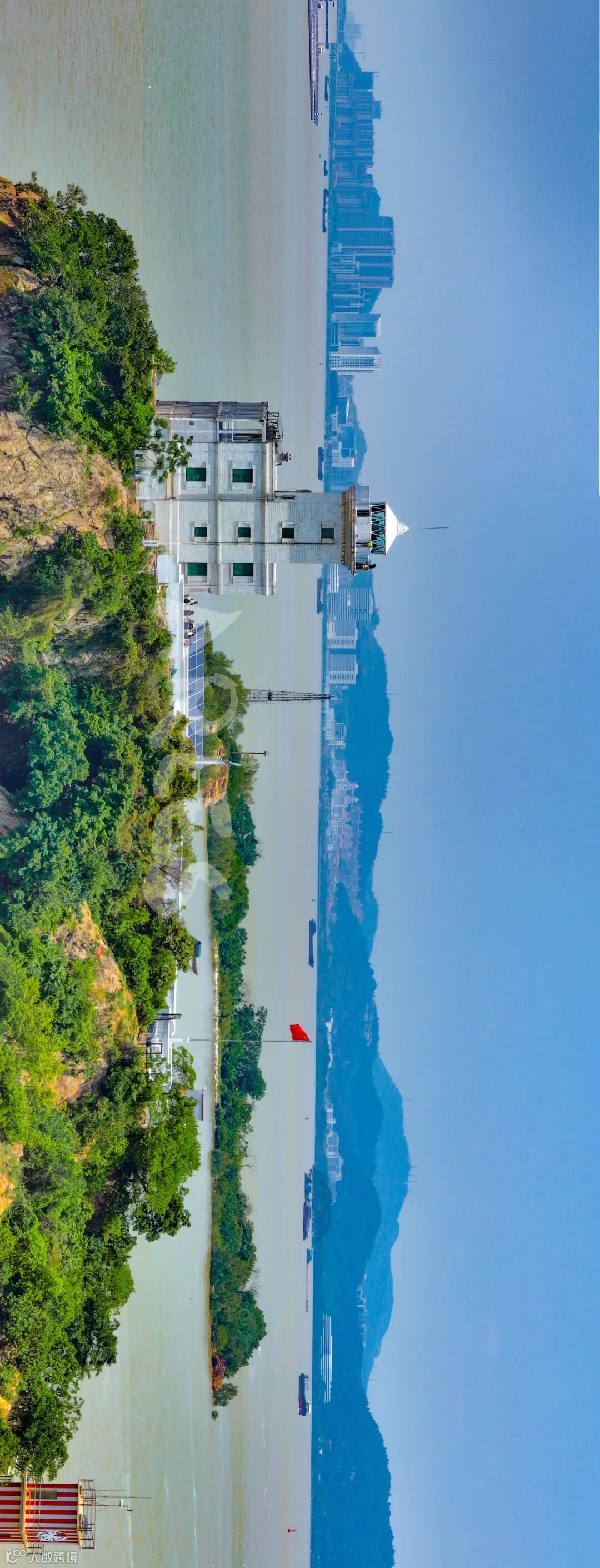
Longxue Street is situated in the southeastern part of Guangzhou's Nansha District, spanning latitudes 22°33' to 22°44' N and longitudes 113°34' to 113°41' E. This typical river-sea confluence area is bordered by the Humen Waterway to the east, the Lingdingyang Sea to the south, the Jiaomen Waterway to the west, and the Fuzhou Waterway to the north. The total area covers 128.9 square kilometers, comprising 49.8 square kilometers of land and 79.1 square kilometers of water, characterized by its unique "water-surrounded, river-crisscrossed" natural landscape.
Nurtured by a subtropical monsoon climate, the area enjoys long summers without winter, abundant rainfall, and pleasant conditions throughout the year. The Humen and Jiaomen waterways contribute annual runoff volumes of 60.3 billion and 56.5 billion cubic meters respectively, accounting for 18.5% and 17.3% of the Pearl River's total discharge into the sea. These exceptional hydrological conditions provide ideal foundations for deep-water ports and large shipbuilding bases. The street has now evolved into three functional zones: the shipbuilding base, port logistics base, and Longxue residential community.
The waters around Longxue, where saltwater and freshwater converge, support exceptionally rich fishery resources. The area hosts migratory species such as estuarine tapertail anchovy, dusky tripletooth goby, and Reeves shad (now rare), alongside resident marine products like yellowfin seabream, Japanese sea bass, and flatfish, as well as freshwater species including mud carp and grass carp. Among these, yellowfin seabream has developed into a local specialty brand, certified as a "Green Food" product by Guangdong Province as early as 2010. In recent years, the street has continued to advance modern aquaculture practices, integrating cold chain logistics and seafood market systems to gradually establish an integrated aquatic industry chain spanning production, processing, and sales, thereby strengthening Longxue's position as a key ecological fishery base in Nansha District.
【Tourist Attractions】
Longxue Street: A Unique Blend of Nature, Industry, and Culture
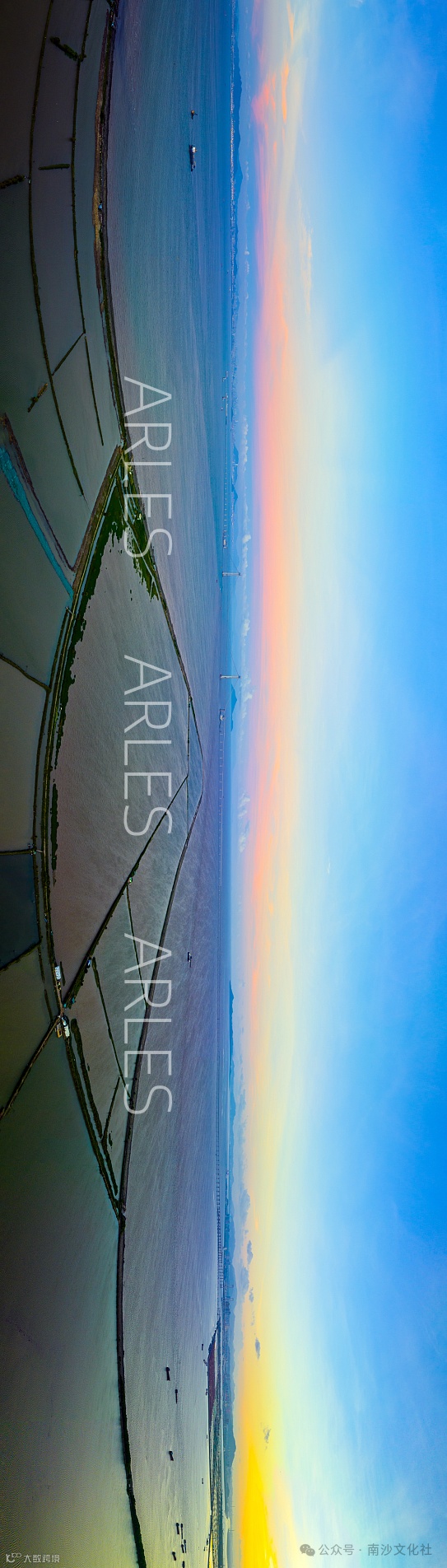
Nestled in the southeastern part of Nansha District, Longxue Street is situated at the confluence of salt and fresh water in the Pearl River Estuary. It integrates diverse landscapes including rivers, sea, ports, and fields. The area boasts both magnificent modern port industrial scenery and well-preserved fishing village culture, along with mysterious folk legends, forming a unique tourism resource pattern that blends natural ecology, industrial civilization, and human history.
Natural Ecology and Mysterious Historical Sites
Longxue Island features natural landscapes such as Longxue Beach and the Island-Circling Greenway, making it an ideal place to observe sea erosion landforms and coastal wetlands. The island also hosts several historical sites that, though not fully open to the public, are highly renowned, particularly in the Tonggu Hill area. The legendary Zhang Baozai Cave, said to be a treasure hiding place of Qing Dynasty pirates, adds a mysterious aura to the island. Tonggu Hill is famous for its "Three Wonders": the Wondering Banyan (ancient banyan with intertwined roots), Wondering Caves (a variety of sea-eroded caves), and Wondering Well (an ancient well with clear spring water). Although not yet fully accessible to tourists, these sites have become a magnet for cultural exploration enthusiasts.
Port Scenery and Artistic Legacy
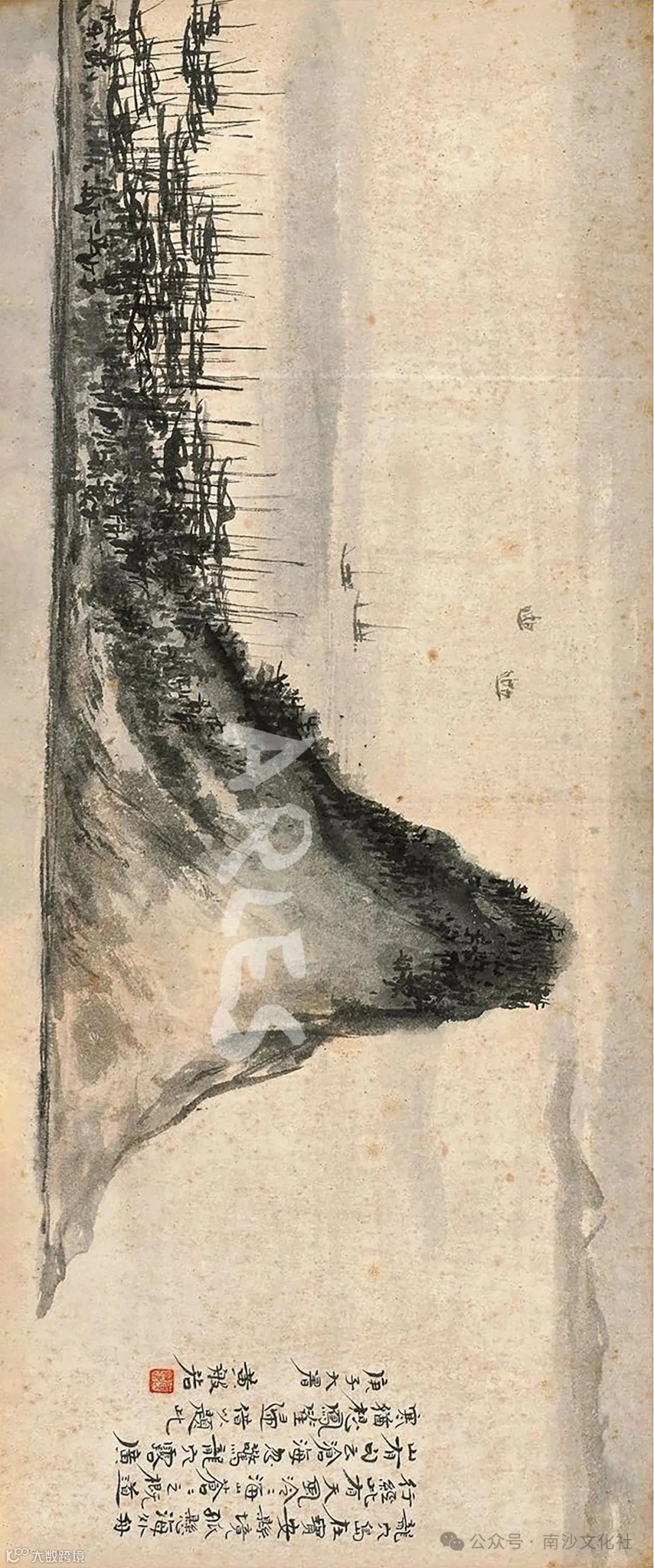
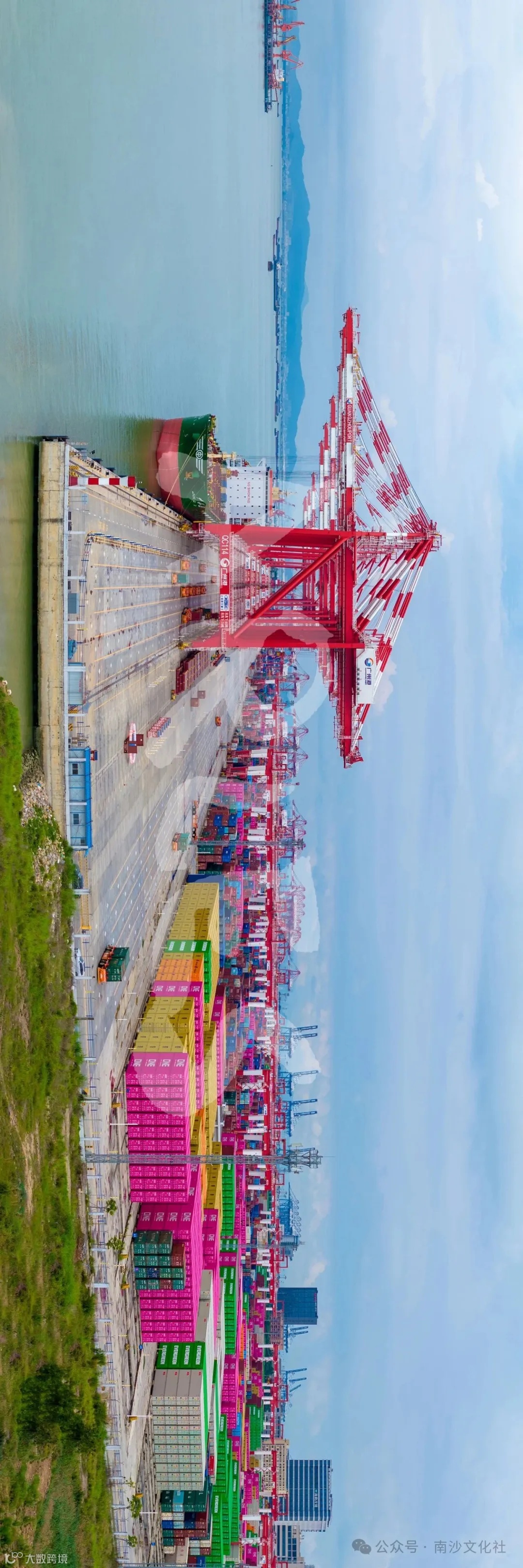
As a key shipping hub in South China, the Guangzhou Port Nansha Port Area and Longxue Shipbuilding Base showcase the grandeur of modern industry. Complementing the industrial landscape is Longxue Island's rich artistic heritage. Renowned Lingnan School painter Huang Banruo created "Longxue Island Painting," capturing the island's mysterious scenery with his brush and leaving a unique mark on its artistic history. Through the ages, literati and scholars have penned numerous poems and verses praising the "Spring Tides of Longxue" and "Wave Sounds of Tonggu," infusing the natural scenery with profound cultural significance.
Cultural Heritage and Themed Festivals
Longxue Island is traditionally believed to be the dwelling place of the South Sea Dragon King. Historical buildings such as the Three Saints Palace on the island carry local folk beliefs. In recent years, the street has actively promoted themed festivals like the Longxue Seafood Food Festival and Green Crab Harvest Festival, combining Danjia culture to create a "catch-and-cook" seafood experience. Visitors can participate in seafood purchasing and processing at the Longxue Fish Market, savoring local specialties such as yellowfin seabream and Longxue green crabs while experiencing the unique charm of a fishing port.
Leisure Experience and Tourism Prospects
Centered on the theme of fishing village culture, Longxue Street has developed the Longxue Fishing Village Cultural Area, preserving Danjia architectural features and offering fishing village entertainment and homestay programs. The recently built waterfront greenway system connects viewing platforms, leisure stations, and wetland gardens, making it a popular weekend destination for residents. With the future development of historical sites like Zhang Baozai Cave and the Three Wonders of Tonggu Hill, Longxue Street has the potential to become a comprehensive tourism destination integrating ecological sightseeing, industrial tourism, and cultural experiences.
【History and Culture】
Longxue Island: A Historical Pivot at the Pearl River Estuary
As an island guarding the strategic throat of the Pearl River Estuary in the Lingding Sea, Longxue Island boasts a history traceable to the Southern Song Dynasty. The geographical work Yudi Jisheng (Records of the Grand Geography), compiled between 1208 and 1227, clearly documents: "Longxuzhou lies in the great sea south of Dongguan County, where dragons are said to appear, hence its name." The text particularly describes the springtime mirage phenomenon: "When spring waves grow calm, the air coalesces into forms of towers, battlements, human figures, carriages, and horses." This record not only reveals the origin of the island’s name but also establishes Longxue as the earliest documented mirage observation site in Lingnan.
Navigational Lighthouse and Maritime Strategic Point
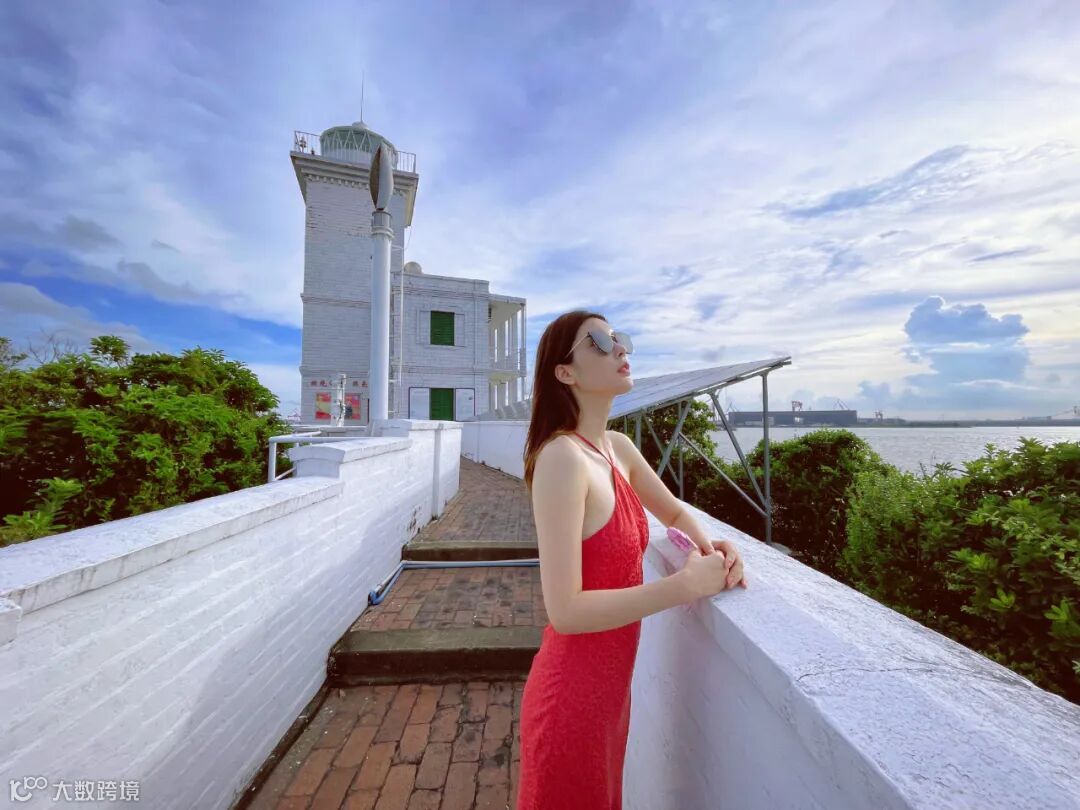
The Shabanzhou Lighthouse, situated southeast of Longxue Island, was constructed in 1915 under the administration of the Imperial Maritime Customs Service. Serving as a crucial navigation mark at the Pearl River Estuary, this 20-meter-high granite tower has witnessed a century of maritime evolution. Known as the "Night Pearl of the Pearl River Estuary," it continues to guide passing vessels. Historically, the waters around Longxue Island have been a contested strategic zone. In 1277, during the Southern Song, naval forces of the Song and Yuan dynasties clashed here. Two years later, the patriot Wen Tianxiang, escorted across the Lingding Sea, penned his immortal line: "Since death befalls all men throughout history, I'll leave a loyal heart shining in the pages of history."
Military Stronghold and Modern Turmoil
During the Opium War, Longxue Island became a frontline in the struggle between China and Britain. In 1839, Imperial Commissioner Lin Zexu designated the island as the site for opium confiscation, where 2.3763 million pounds of opium were seized and destroyed. The following year, the First Battle of Chuenpi erupted near Longxue Island, marking the opening of the Opium War. In 1937, the Chinese navy repelled a Japanese fleet in the waters between Longxue Island and Shajiao, defending Guangzhou's southern gateway. The Shabanzhou Lighthouse, damaged by Japanese artillery during this period and restored after the war, stands as a material witness to this history.
Maritime Culture and Contemporary Heritage
Beyond its military significance, Longxue Island has nurtured a distinctive maritime culture. Qu Dajun’s Guangdong Xinyu (New Talks on Guangdong) from the Qing Dynasty records oyster farming around the island. The establishment of the Three Saints Temple on the island reflects the gathering of fishermen and merchants. In recent years, Longxue Street has actively excavated its historical and cultural resources, systematically documenting heritage sites such as the Shabanzhou Lighthouse, the Three Saints Temple, and Zhang Baozai Cave, revitalizing the cultural dynamism of this millennia-old island.
From the mirages of the Song Dynasty to the modern lighthouse, from the battlefields of the Opium War to today’s cultural landmark, Longxue Island and Shabanzhou together testify to the dramatic historical transformations of the Pearl River Estuary, constituting a key symbol of Lingnan’s maritime civilization.
【Commercial Hubs】
Longxue Street: An Integrated Hub of Port Industries and Urban Development
Leveraging its unique port advantages, Longxue Street has established an industrial pattern led by high-end shipbuilding and modern port logistics, with complementary development in specialized aquaculture and diverse commercial services. By the end of 2024, the total number of enterprises in the area reached 2,709, including 6 industrial enterprises and 59 service enterprises above the designated size, forming a multi-level and fully integrated economic system.
Port Industries and Shipping Logistics Clusters
As the economic backbone of Longxue Street, shipbuilding and port logistics stand out as prominent sectors. Six industrial enterprises above the designated size, including Guangzhou Wenchong Shipyard and Guangzhou Shipbuilding Ocean Engineering Equipment, have built a comprehensive shipbuilding industry chain. In the shipping services sector, seven leading enterprises, such as Guangzhou Port Company and Nansha Seaport Container Terminal, each achieved an annual revenue exceeding ¥600 million. Companies like South China COSCO Shipping and Hexin International Logistics have jointly established a modern logistics service system covering shipping, supply chain management, and freight forwarding.
Synergistic Development of Specialized Agriculture and Commercial Services
While maintaining its traditional strengths in aquaculture, Longxue Street actively promotes industrial upgrading. The green aquatic product brand represented by "Yellowfin Seabream" has been certified by Guangdong Province, and high-quality aquatic products such as Golden Drum, Sea Bass, and Green Crab have formed specialized aquaculture clusters. In the commercial services sector, 23 wholesale and retail enterprises above the designated size operate in the area, with three companies—Sinopec Chemical Sales (Guangdong), Guangzhou Kaizhao Trading, and Renhe Food Technology—accounting for 90% of total sales, positioning them as industry leaders.
Diverse Business Formats and Improved Living Facilities
With industrial development, Longxue Street's commercial infrastructure has become increasingly refined. Four accommodation and catering enterprises above the designated size, including Weisheng Hotel and Longhui Hotel, along with companies like Longxuan Property, collectively provide a high-quality living service system. These enterprises offer comprehensive services for employees and residents, supporting Longxue Street's steady transition from a traditional industrial park to a modern coastal new town that integrates industry and urban functions.
By optimizing the business environment and extending industrial chains, Longxue Street is advancing toward the goal of port-industry-city integrated development, positioning itself as a key driver of economic growth in Nansha District.
Education Facilities
Longxue Street currently has one public primary school – Longxudao Primary School (also known as Longxue School), which includes both primary and junior middle school sections, basically meeting the basic education needs of the jurisdiction. With the development of the port industry, the street is actively planning to introduce more high-quality educational resources to serve the growing permanent and working population.
Healthcare Services
The Longxue Street Community Health Service Center currently serves as the core primary medical facility in Longxue Street, providing residents with basic medical care, public health services, and family doctor services. To meet the needs of the growing population, the center has undergone service upgrades in recent years. Furthermore, the Longxue Street Comprehensive Elderly Care Service Center has been established within the jurisdiction, integrating functions such as daytime care, rehabilitation nursing, and community meal assistance, building a community elderly support system that "integrates medical care with aging services." With the development of Nansha District, more high-quality medical resources are gradually extending to and covering the areas around Longxue Street.
Infrastructure
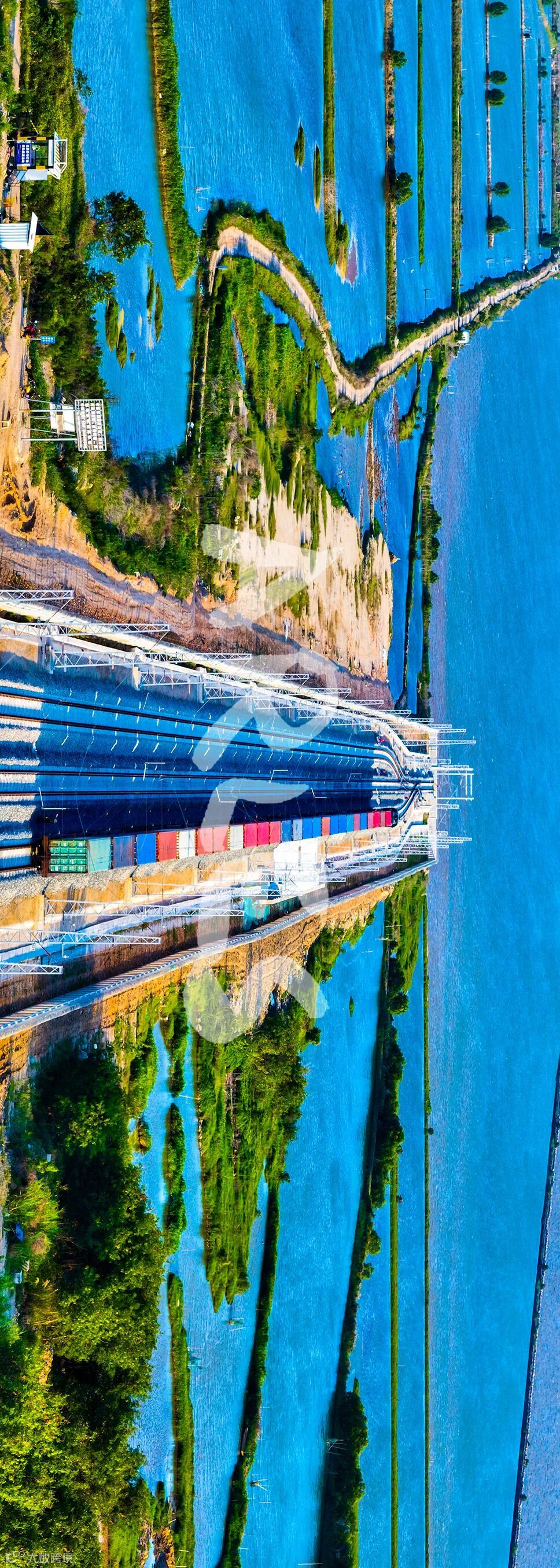
Relying on the "Three Horizontal and Three Vertical" main road network and its close connection to regional expressways, Longxue Street has formed an efficient internal and external transportation system.
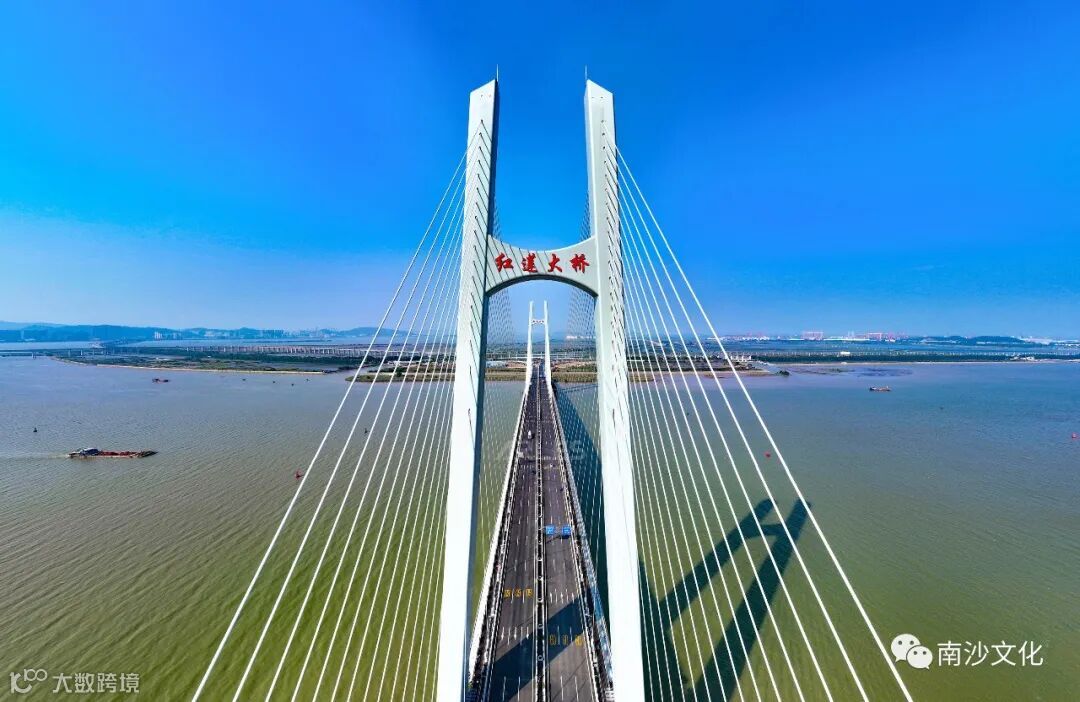
External Connections: Through main arteries such as Longxue Avenue and Yangfan Road, it provides quick access to the Nansha Port Expressway, thereby connecting to Guangzhou city center and surrounding cities. The Longxue Island Major Bridge, a key river-crossing passage, further strengthens the connection between the island and the mainland.
Internal Road Network: A rationally laid-out grid road system has been established internally, effectively serving the port logistics, shipbuilding base, and residential communities. Simultaneously, the street is continuously promoting the construction of a slow-traffic system and optimizing road quality to support the district's industrial development and residents' travel needs.
Produced By: Nansha Cultural Society
Editor: Xuan Wang
Photography: Xiaotie Chen
Model: Iris
Contact Us: 1399229194@qq.com