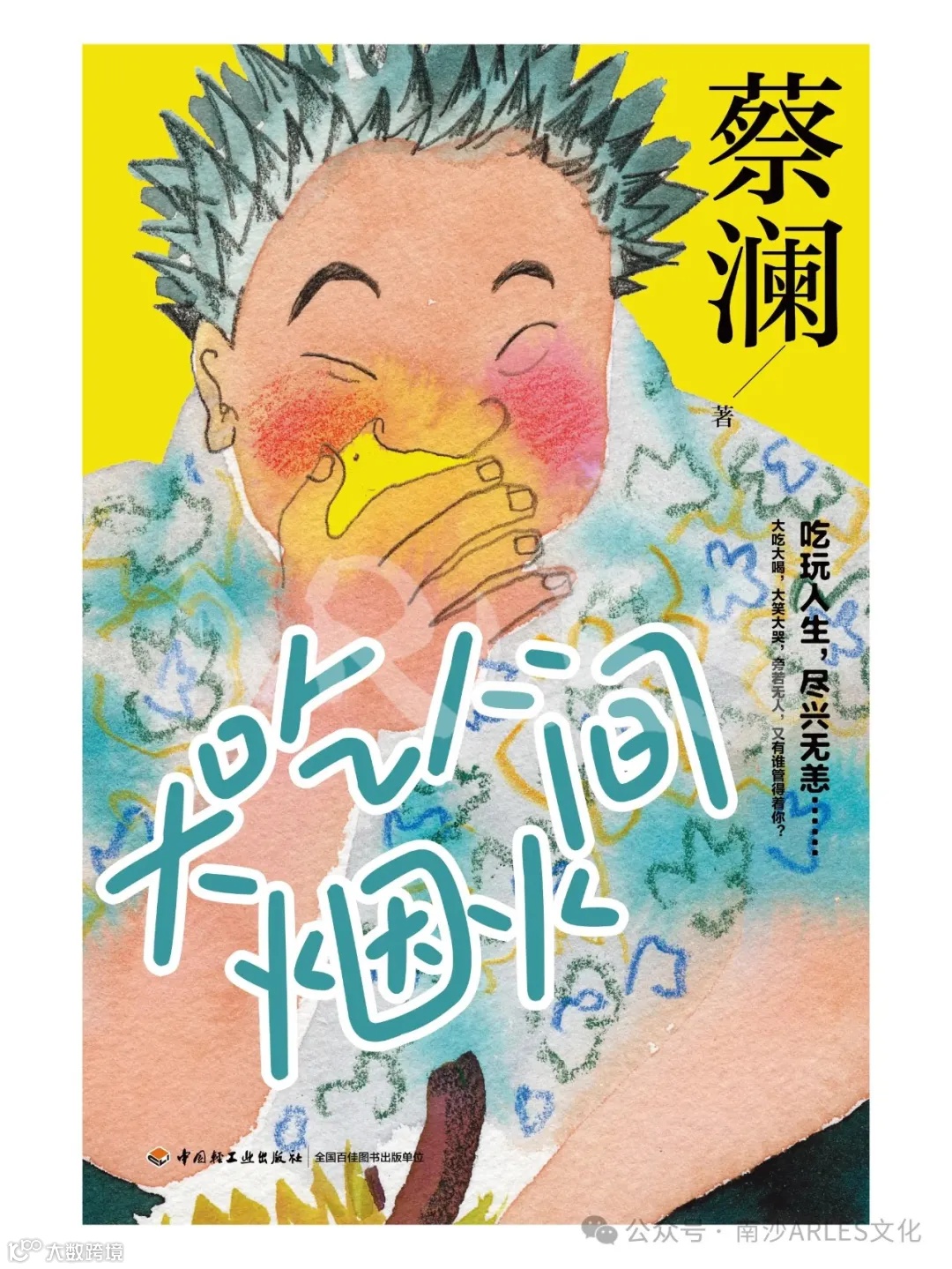
When Cai Lan wanted to purchase Xiangyunsha, he sought out Uncle Zhu. He later wrote an article titled "Xiangyunsha and Lunjiao Cake," which was included in his book Cai Lan's Travel Food Notes. In it, he praised Uncle Zhu as a "Living National Treasure."
The "Shunfeng Mountain Foothills — Mr. Cai Lan's Cursive Calligraphy Exhibition" opened at the Shunde Museum. Mr. Cai Lan attended the opening ceremony wearing a long gown made of Xiangyunsha.
A citizen asked: "Many of your works suggest that dishes taste better with lard. Is it because you have a preference for lard?"
Cai Lan: "It reminds me of my mother’s cooking."
Citizen: "What is the relationship between calligraphy, food, and wine?"
Cai Lan: "There’s no direct relationship, but they are all my favorites."
Citizen: "Thank you for supporting Shunde and for promoting it here while wearing Xiangyunsha. Is Xiangyunsha comfortable to wear?"
Cai Lan: "Do I look comfortable? I wear Xiangyunsha because it’s comfortable. The fabric was bought in Lunjiao and tailored by a seamstress."
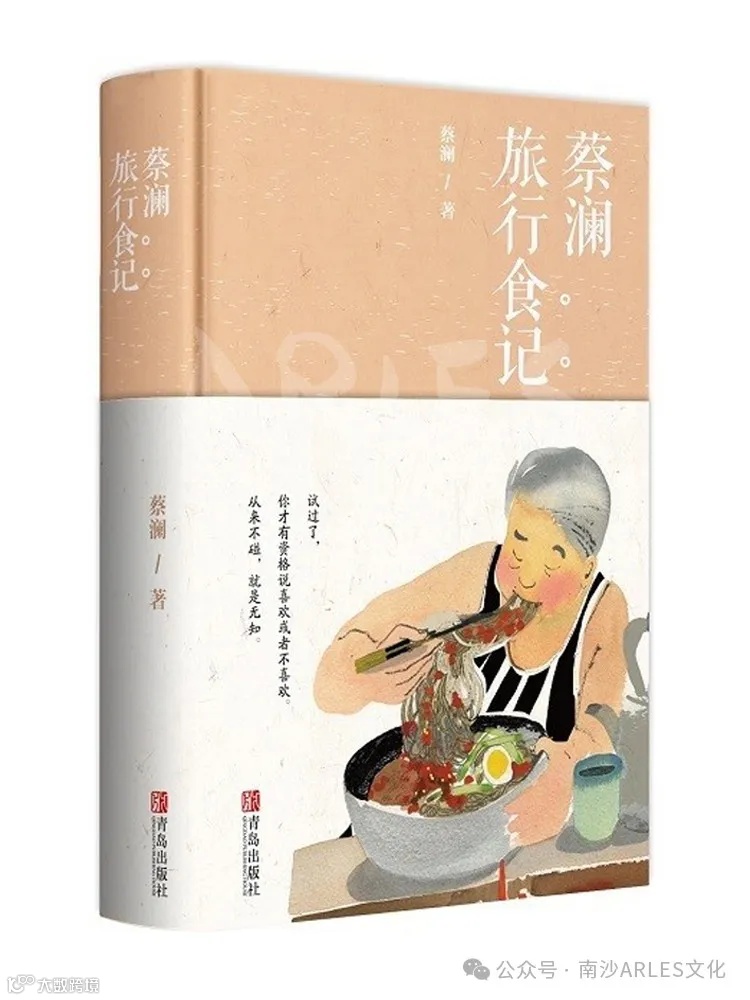
Cai Lan's book Indulging in Earthly Pleasures surprisingly contains numerous observations and reflections on life beyond food. In the first chapter, "Obsession with Objects," he writes about ties, glasses, beds, cologne, daggers, and Xiangyunsha. He dares to wear a black tie and pairs it with contrasting colors, which looks quite stylish. He also mentions hand-painted ties, which are very fashionable—so much so that some brands wanted to purchase the designs for commercial use. If mass-produced, I might finally get to see them in person.
As for cologne, Master Cai surely owns some. Indeed, many men harbor an underlying shyness about wearing fragrance, yet they also desire to elevate their taste and fashion sense. A subtle application is hardly unacceptable. Nowadays, many men also embrace flamboyance, and people no longer make a fuss about it. However, many still feel psychologically uneasy. Even men who want to dress up often care too much about others' opinions and cannot fully indulge their personal preferences.
Xiangyunsha and Lunjiao Cake
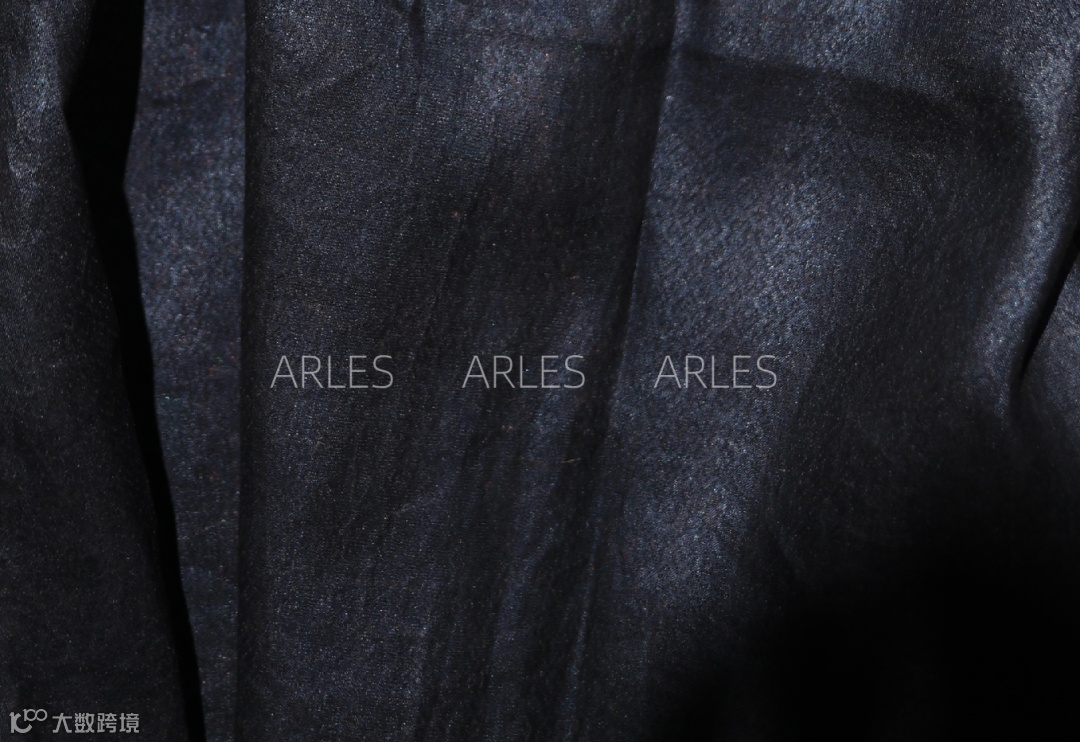
Among Chinese fabrics, Xiangyunsha is undoubtedly the top choice. To purchase the fabric, I made a trip to Shunde. There, I found a rare Xiangyunsha workshop, which has now become a local cultural heritage site. The person in charge, Liang Zhu, known as Uncle Zhu, is the last inheritor of the Xiangyunsha craftsmanship. In Japan, he would have long been honored as a "Living National Treasure."
In the past, overseas Chinese often wore Xiangyunsha, and the craftsmanship even spread to Vietnam, where it became highly popular. Vietnamese women traditionally wore white tops and black trousers made of Xiangyunsha. When the French first saw this, they were captivated by its beauty. However, they never truly invested in designing with it, so it never gained prominence in the fashion world.
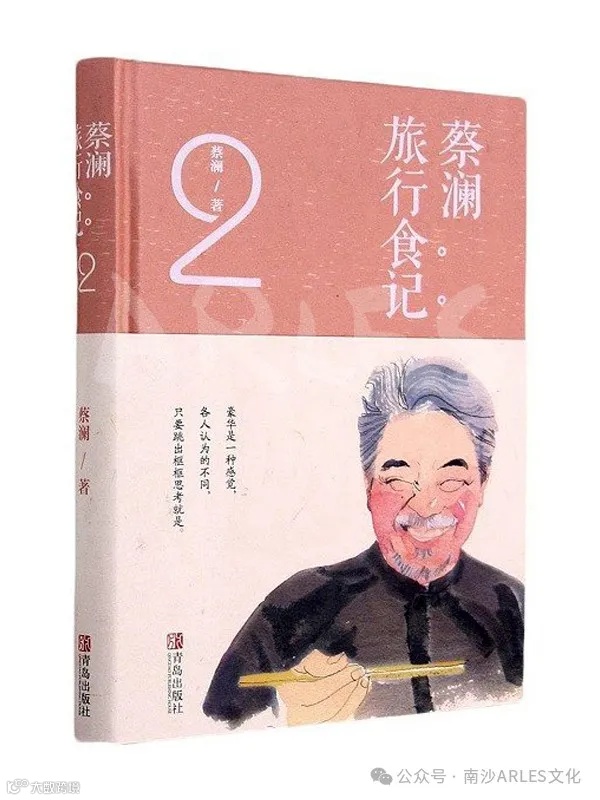
Cai Lan: On Trousers
American girls, probably due to drinking plenty of milk, tend to have well-developed figures and look their best in jeans. Those from South America, with their short torsos, long legs, and round, perky bottoms, are even more suited for jeans. The thick denim clings tightly to the body like a second skin—utterly alluring. Different people suit different clothes. Conversely, Eastern women with longer torsos and shorter legs can best conceal these flaws by wearing cheongsams. Yet, regardless, many still follow the trend and buy jeans. Do they look good? Loose and baggy—what kind of style is that? Especially with today’s trend of low-rise jeans, when worn by women with flat derrieres, the back looks like two empty plastic bags.
There’s a common misconception that jeans don’t need washing—that it doesn’t matter how many times you wear them. But that’s when they start to look dirty. I once saw a photo of a singer with a stain on her jeans—utterly disgusting. Jeans not only need to be washed, they should also be ironed! I agree with Yi Shu in one of her essays where she mentioned ironing jeans. Of course, they should be ironed flat. Pressing a sharp crease down the front is just tacky. A flat iron gives a neat impression, and the wrinkles that form later look more natural.
The more you wash them, the softer they become. Slight fading from washing even adds value. Those artificially faded with two neat rectangular patches? Wearing those is just doing yourself a disservice.
Not every Western girl knows how to wear jeans properly either. In Australia, I’ve seen women with bloated bellies hanging out—it’s enough to kill your appetite. What man would want to strike up a conversation? As for those branded jeans costing hundreds, avoid them if you can. Unless you’re a world-famous supermodel, you’ll just look like you’re wearing cheap knockoffs from Shenzhen.
If you have the patience, buy an affordable pair that fits well and embroider your own designs on them—that truly expresses individuality. There are too many women lacking self-awareness, still pretending to be young and wearing jeans even in their advanced years. Why not go retro and buy a pair of black gambiered Guangdong silk (Xiangyunsha) trousers, rich with Chinese character? Worn in summer, the light, flowing fabric is cool and breezy—denim couldn’t compare even in ten thousand years. No matter how poor your figure, when the wind blows through them, you’ll still feel sexy.
NALANGE CHRONICLES
Editor-in-Chief: Wang Xuan
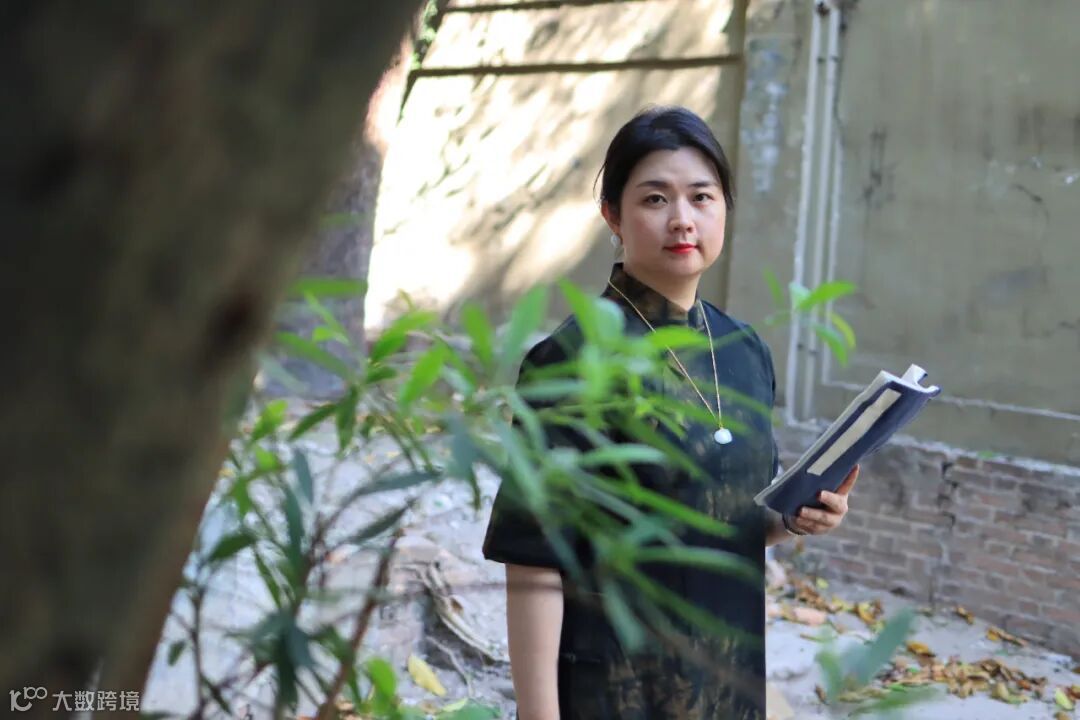
Photographer: Xiao Tie
Calligrapher: Zhi Ming
Costumes: WURAY MIRACLE, YUNSHA STAR RHYME
Dedicated to promoting Xiangyunsha silk as China’s intangible cultural heritage.
Email: 1399229194@qq.com