
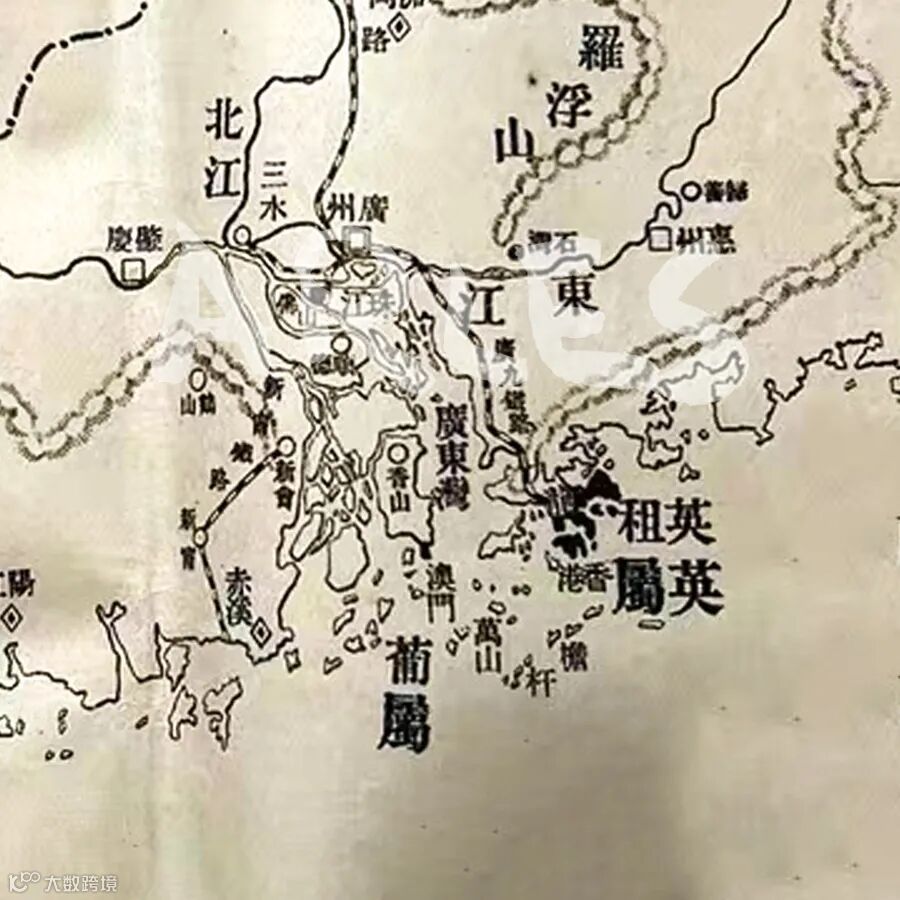
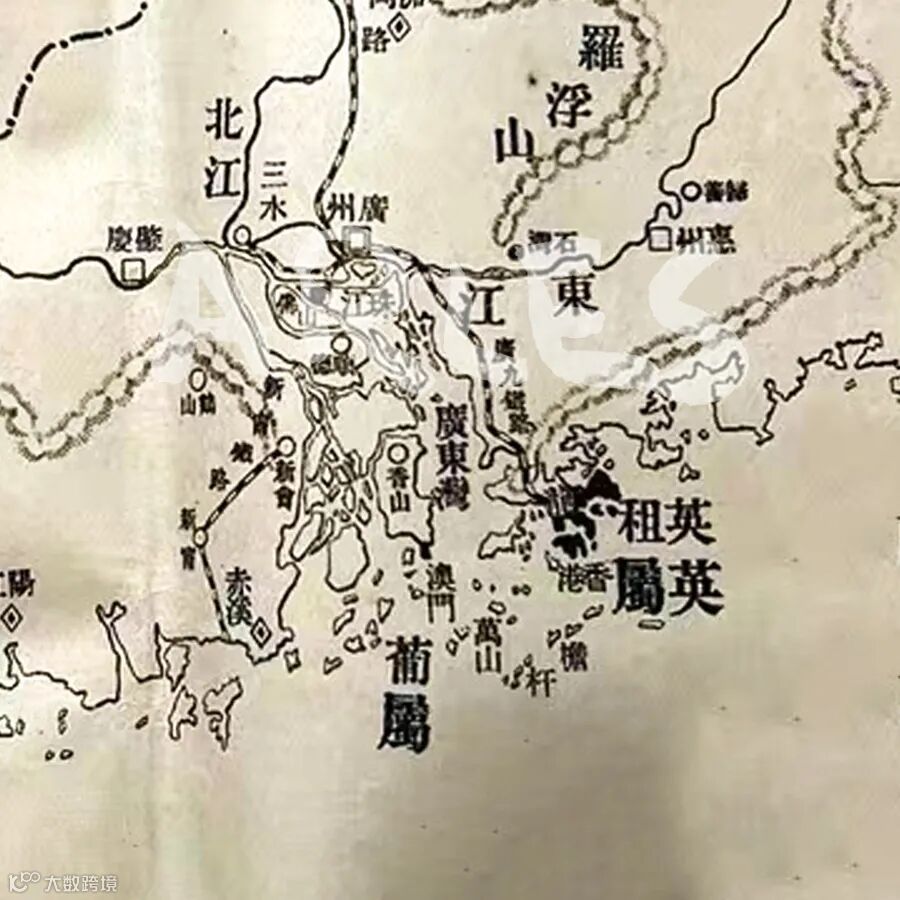
当我们摊开这张 1925 年的广东老地图,目光会被一个醒目的地名牢牢吸引 ——“廣東灣”。这个在百年前就被标注在珠江口的地理概念,仿佛是一个跨越时空的预言,预示着这片土地终将以 “湾区” 之名,走向世界舞台的中央。
一、1925 年的 “广东湾”:一张地图里的时代切片
这张泛黄的地图,不仅是地理的记录,更是 1925 年中国南方复杂历史格局的生动写照。
- “廣東灣” 的地理坐标
:它清晰地勾勒出以广州为中心,珠江入海口为纽带的广阔水域。这里是广府文化的核心区,也是当时华南最重要的贸易枢纽。 - 殖民印记的并存
:地图上 “英屬”(香港)与 “葡屬”(澳门)的标注,是那个屈辱时代的深刻烙印。这两个被列强强行租借的港口,在当时是连接中国与世界的重要窗口,也为日后的区域发展埋下了伏笔。 - 交通网络的雏形
:图中清晰可见的广九铁路、新宁铁路等线路,勾勒出早期的交通骨架。这些铁路线,正是百年前人们试图打破地理阻隔、加强区域联系的努力。
在 1925 年,“广东湾” 并非一个官方的行政区划,而是一个基于地理和经济联系的自然概念。它代表了珠江口两岸城市因水而生、因水而兴的紧密关系,这种关系,正是今天粤港澳大湾区的历史基因。
二、百年湾区:从 “广东湾” 到 “粤港澳大湾区” 的演进
从 1925 年的 “广东湾” 到 21 世纪的 “粤港澳大湾区”,这片土地经历了从地理概念到国家战略的华丽转身。
从自然湾区到战略湾区百年前的 “广东湾”,是一个以广州为绝对核心的传统商贸湾区。而今天的粤港澳大湾区,则是一个涵盖香港、澳门和广东 9 市的世界级城市群。它不再仅仅是地理上的湾区,更是国家层面推动高质量发展的重要引擎。
从被动开放到主动融合1925 年,香港、澳门作为殖民租借地,是中国被动融入世界的通道。而今天,在 “一国两制” 的框架下,香港的国际金融中心地位、澳门的世界旅游休闲中心定位,与广东的先进制造业基地优势深度融合,形成了前所未有的发展合力。
从交通骨架到一小时生活圈百年前的铁路线,如今已升级为港珠澳大桥、广深港高铁等世界级的交通网络。曾经需要数天的行程,现在只需一小时。这种时空压缩,让 “广东湾” 的地理概念,真正变成了 “粤港澳大湾区” 的生活现实。
三、老地图的启示:湾区的根与魂
这张 1925 年的老地图,给我们最大的启示是:粤港澳大湾区的形成,并非偶然,而是这片土地历史发展的必然结果。
- 因水而聚
:从明清时期的 “广州府” 到今天的大湾区,珠江始终是连接这片土地的血脉。水的流动性,塑造了这里开放、包容、务实的文化性格。 - 因商而兴
:无论是百年前的十三行,还是今天的前海、横琴,商业的活力始终是湾区发展的核心动力。 - 因合而强
:从 “广东湾” 到 “粤港澳大湾区”,名字的变化,本质上是合作范围和深度的升级。只有打破壁垒、深度融合,这片土地才能释放出最大的潜能。 -
当我们再次凝视这张老地图,“廣東灣” 三个字不再仅仅是历史的注脚,而是我们理解今天粤港澳大湾区的一把钥匙。它告诉我们,今天的辉煌,源于百年前的基因;而未来的方向,则藏在我们对这片土地的深刻认同与持续合作之中。
From the 1925 "Guangdong Bay" to Today's Guangdong-Hong Kong-Macao Greater Bay Area: A Century of Bay Area Narratives in an Old Map
When we unfold this old map of Guangdong from 1925, our eyes are firmly drawn to a striking place name: "Guangdong Bay". This geographical concept, marked at the mouth of the Pearl River a century ago, seems like a prophecy across time and space, foreshadowing that this land will eventually take the name of "Bay Area" and step onto the world stage.
I. "Guangdong Bay" in 1925: A Snapshot of the Times in a Map
This yellowed map is not just a record of geography, but a vivid portrayal of the complex historical landscape of southern China in 1925.
- Geographical coordinates of "Guangdong Bay"
: It clearly outlines the vast water area centered on Guangzhou and linked by the Pearl River estuary. This was the core area of Cantonese culture and the most important trade hub in South China at that time. - Coexistence of colonial imprints
: The labels "British Possession" (Hong Kong) and "Portuguese Possession" (Macao) on the map are profound imprints of that era of humiliation. These two ports, forcibly leased by foreign powers, were important windows connecting China to the world at that time and laid the groundwork for future regional development. - The embryonic form of the transportation network
: Lines such as the Kowloon-Canton Railway and the Sunning Railway are clearly visible in the map, outlining the early transportation framework. These railway lines were the efforts of people a century ago to break geographical barriers and strengthen regional connections.
In 1925, "Guangdong Bay" was not an official administrative division, but a natural concept based on geographical and economic ties. It represented the close relationship between cities on both sides of the Pearl River estuary, which thrived and grew because of water. This relationship is the historical gene of today's Guangdong-Hong Kong-Macao Greater Bay Area.
II. A Century of Bay Area: Evolution from "Guangdong Bay" to the "Guangdong-Hong Kong-Macao Greater Bay Area"
From "Guangdong Bay" in 1925 to the "Guangdong-Hong Kong-Macao Greater Bay Area" in the 21st century, this land has undergone a magnificent transformation from a geographical concept to a national strategy.
From a natural bay area to a strategic bay areaA century ago, "Guangdong Bay" was a traditional commercial bay area with Guangzhou as its absolute core. Today's Guangdong-Hong Kong-Macao Greater Bay Area, however, is a world-class city cluster covering Hong Kong, Macao and 9 cities in Guangdong. It is no longer just a geographical bay area, but an important engine for promoting high-quality development at the national level.
From passive opening to active integrationIn 1925, Hong Kong and Macao, as colonial leased territories, were channels for China to passively integrate into the world. Today, under the framework of "One Country, Two Systems", Hong Kong's status as an international financial center, Macao's positioning as a world tourism and leisure center, and Guangdong's advantages as an advanced manufacturing base are deeply integrated, forming an unprecedented development synergy.
From a transportation framework to a one-hour living circleThe railway lines of a century ago have now been upgraded to world-class transportation networks such as the Hong Kong-Zhuhai-Macao Bridge and the Guangzhou-Shenzhen-Hong Kong High-Speed Railway. A journey that once took several days now takes only one hour. This compression of time and space has truly turned the geographical concept of "Guangdong Bay" into the living reality of the "Guangdong-Hong Kong-Macao Greater Bay Area".
III. Enlightenment from the Old Map: The Root and Soul of the Bay Area
The greatest enlightenment this old map from 1925 gives us is: The formation of the Guangdong-Hong Kong-Macao Greater Bay Area is not accidental, but the inevitable result of the historical development of this land.
- Gathering because of water
: From the "Guangzhou Prefecture" in the Ming and Qing dynasties to today's Greater Bay Area, the Pearl River has always been the blood connecting this land. The fluidity of water has shaped the open, inclusive and pragmatic cultural character here. - Prospering because of commerce
: Whether it was the Thirteen Factories a century ago or today's Qianhai and Hengqin, the vitality of commerce has always been the core driving force for the development of the bay area. - Strengthening because of cooperation
: From "Guangdong Bay" to the "Guangdong-Hong Kong-Macao Greater Bay Area", the change in name is essentially an upgrade in the scope and depth of cooperation. Only by breaking down barriers and integrating deeply can this land release its maximum potential.
When we gaze at this old map again, the words "Guangdong Bay" are no longer just footnotes to history, but a key to understanding today's Guangdong-Hong Kong-Macao Greater Bay Area. It tells us that today's glory stems from the genes of a century ago; and the direction of the future lies in our deep recognition and continuous cooperation with this land.