
The Era and Class Characteristics of Nansha around 1949
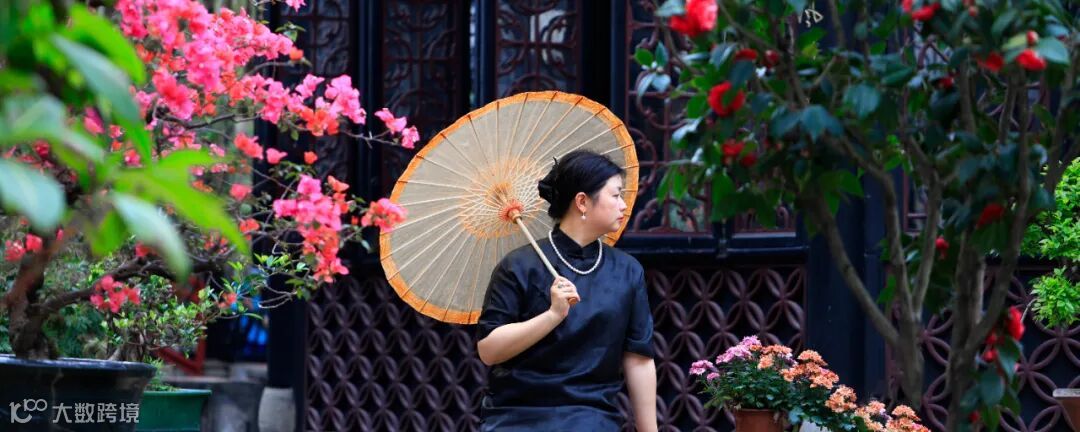
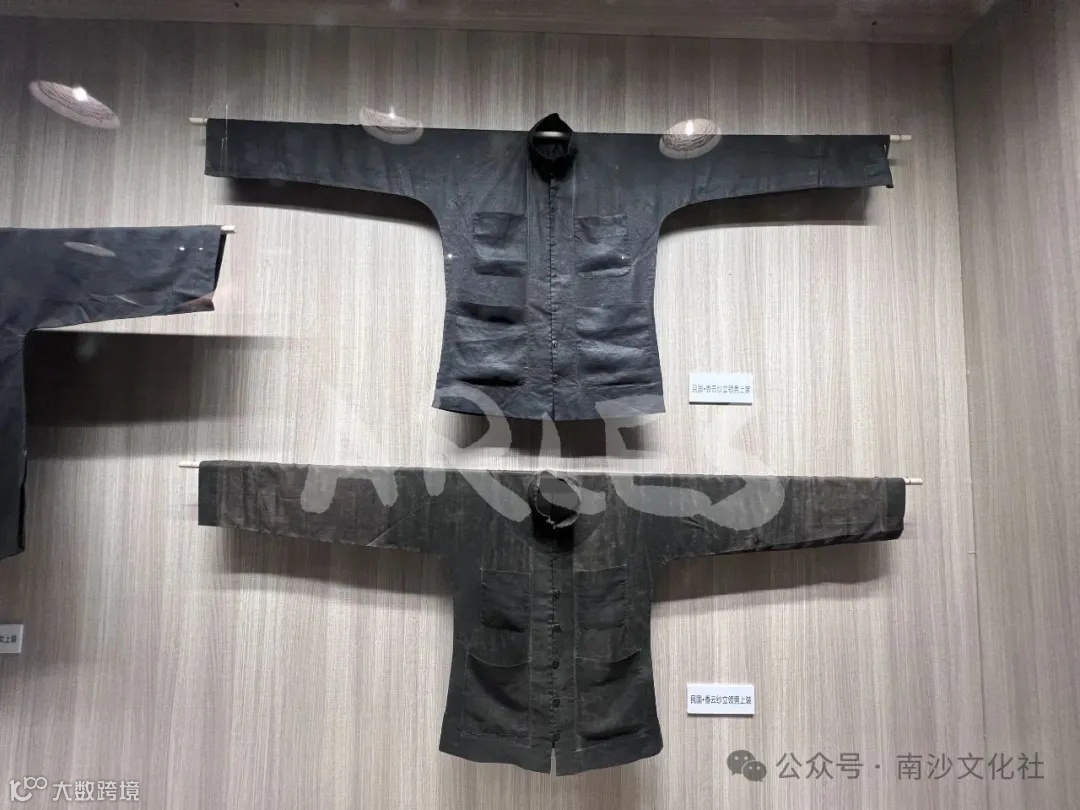
Before 1949, the mainstream men's attire in the Nansha area was Tang-style shirts and trousers: the top was a stand-collar, front-buttoned short jacket, typically featuring four outer pockets and two to three inner hidden pockets, paired with loose-fitting cropped trousers reaching seven-tenths length. Women wore front-buttoned short jackets with small inner pockets, matched with straight-crotch, seven-tenths length trousers. The scholar-official class often dressed in long gowns, mandarin jackets, and over-trousers. Among public officials and educators, men mostly wore Zhongshan suits, while women favoured knee-length cheongsams (commonly known as “three-quarter length”). In terms of fabrics, the wealthy chose woollens and silks, while ordinary families mostly used handwoven homespun cloth, Shulang-dyed fabric, or Dachang blue (or grey) cloth produced in Shanghai. Farmers in the Shatian area had a particular preferen
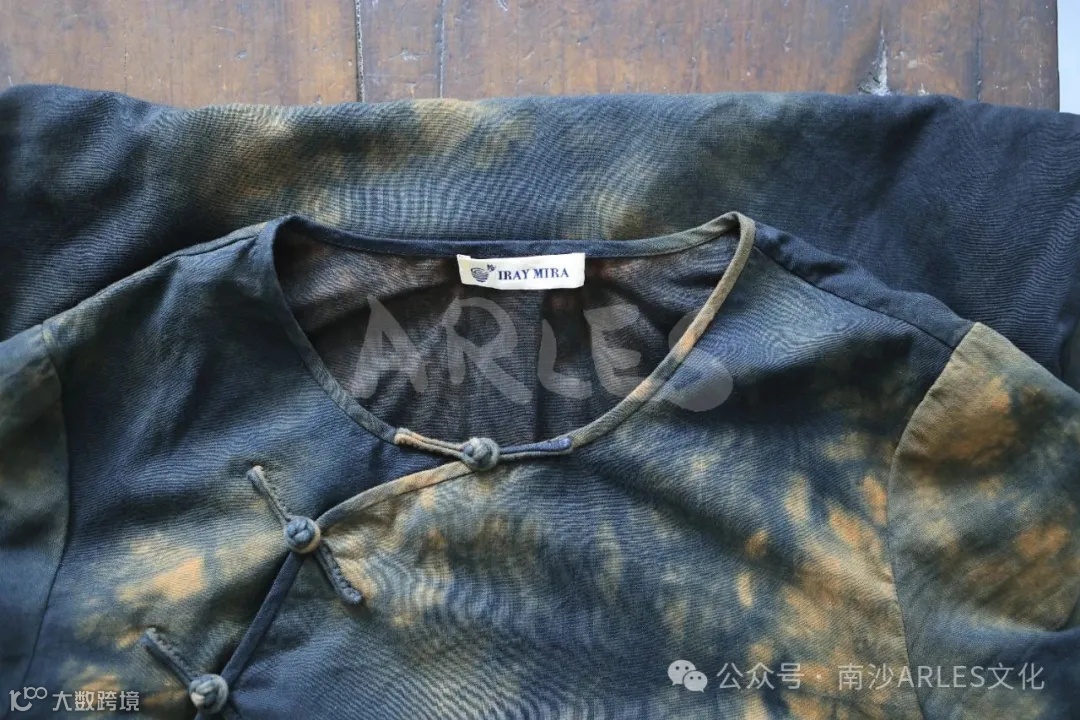
Traditional Dyeing and Finishing Techniques of Shulang Cloth
Shulang cloth and “Danjia Black” fabric were once common materials worn by the inhabitants of the water towns, with the dyeing and finishing work largely carried out by farm women by hand. At the heart of Shulang cloth production is the “sunning process”—a complex manual technique reliant on four key elements: Shulang (dioscorea cirrhosa root), river mud, a sunning ground, and sunlight. The basic procedure is as follows: the fabric is repeatedly immersed in a solution of Shulang extract and agitated to ensure thorough absorption, then spread out on the sunning ground—lightly strewn with a small amount of straw—to dry under the sun. This cycle is repeated many times until the fabric takes on a light brown hue. The next and crucial step is “guo wu” (river mud coating): river mud is mixed into a paste and applied evenly over the fabric’s surface. After resting for several hours to allow full reaction between the mud and Shulang, the fabric turns black. It is then rinsed in a tidal stream and sun-dried once more, ultimately yielding Shulang cloth with a glossy, jet-black finish.
The Value, Characteristics, and Evolution of Fabrics
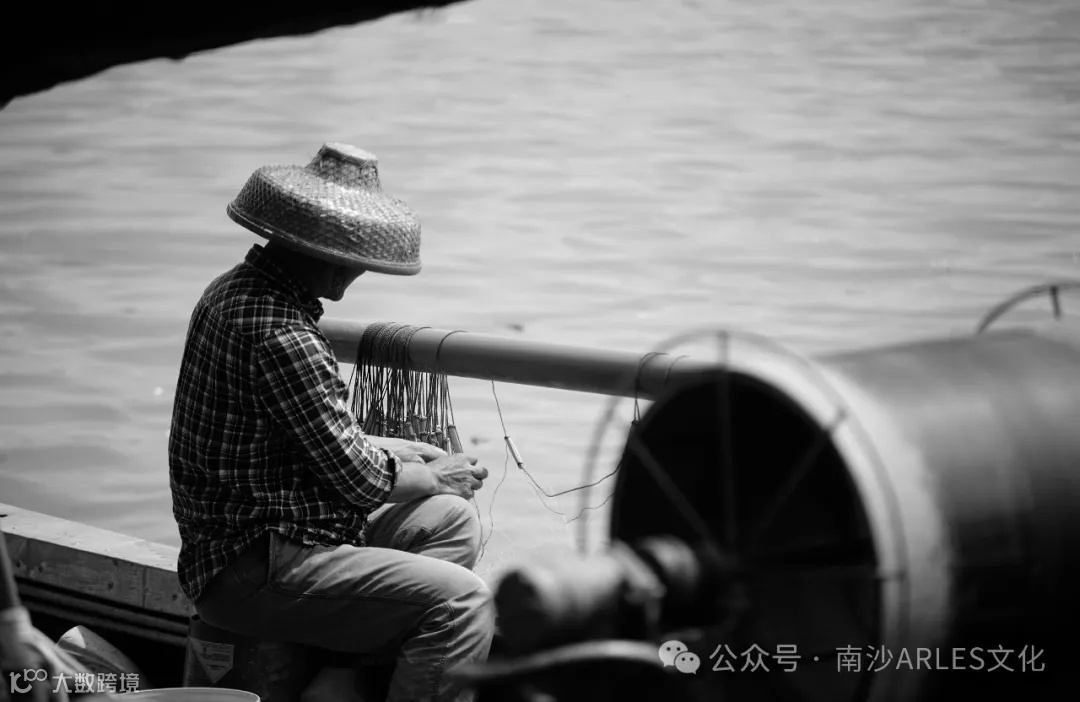
Among silk textiles, Gambiered Guangdong silk (Xiangyunsha), which employs a sun-dyeing process similar to that of Shulang cloth but with greater refinement, is the most distinctive and expensive, placing it beyond the reach of all but wealthy households. In contrast, Shulang cloth—though coarser to the touch—was highly valued by ordinary people, particularly farmers and fishermen, for its ability to absorb perspiration, dry quickly, resist soiling, feel cool and refreshing, and be easily washed at low cost. It thus became the everyday fabric of choice among the common folk. Yet times have changed; garments made of Shulang cloth have gradually faded from view and now belong to a dimension of historical memory.
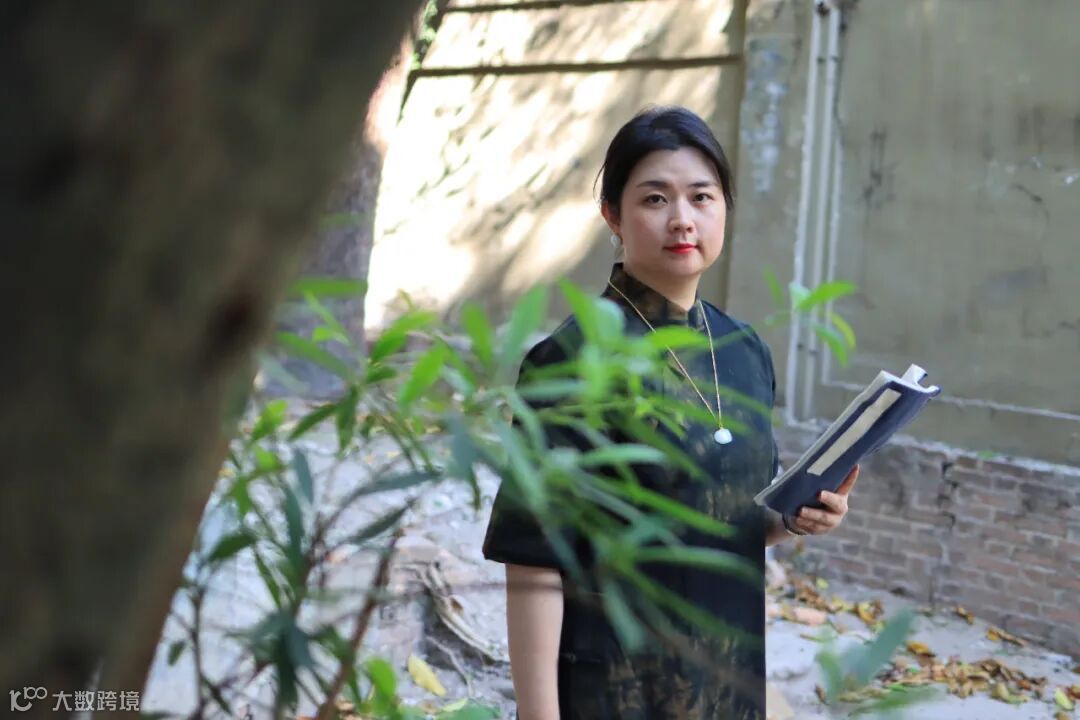
NALANGE CHRONICLES
Editor-in-Chief: Wang Xuan
Photographer: Xiao Tie
Calligrapher: Zhi Ming
Costumes: WURAY MIRACLE, YUNSHA STAR RHYME
Dedicated to promoting Xiangyunsha silk as China’s intangible cultural heritage.
Email: 1399229194@qq.com