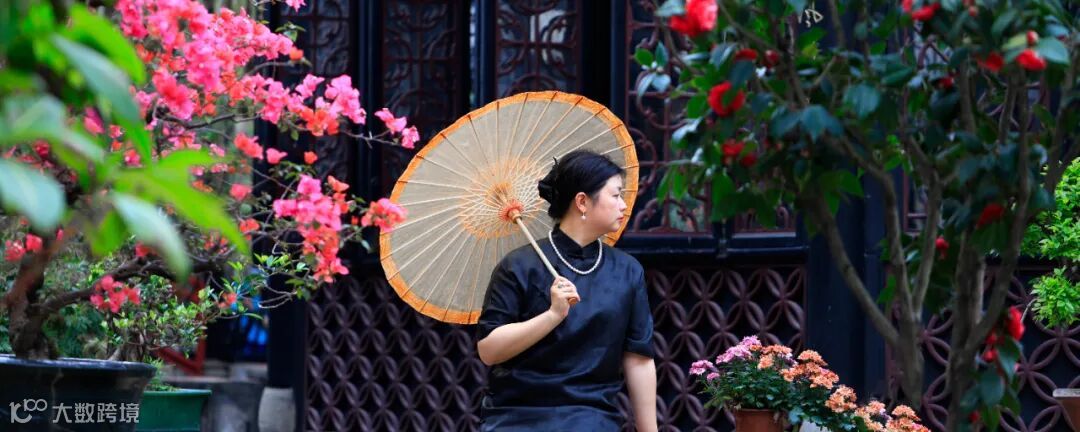
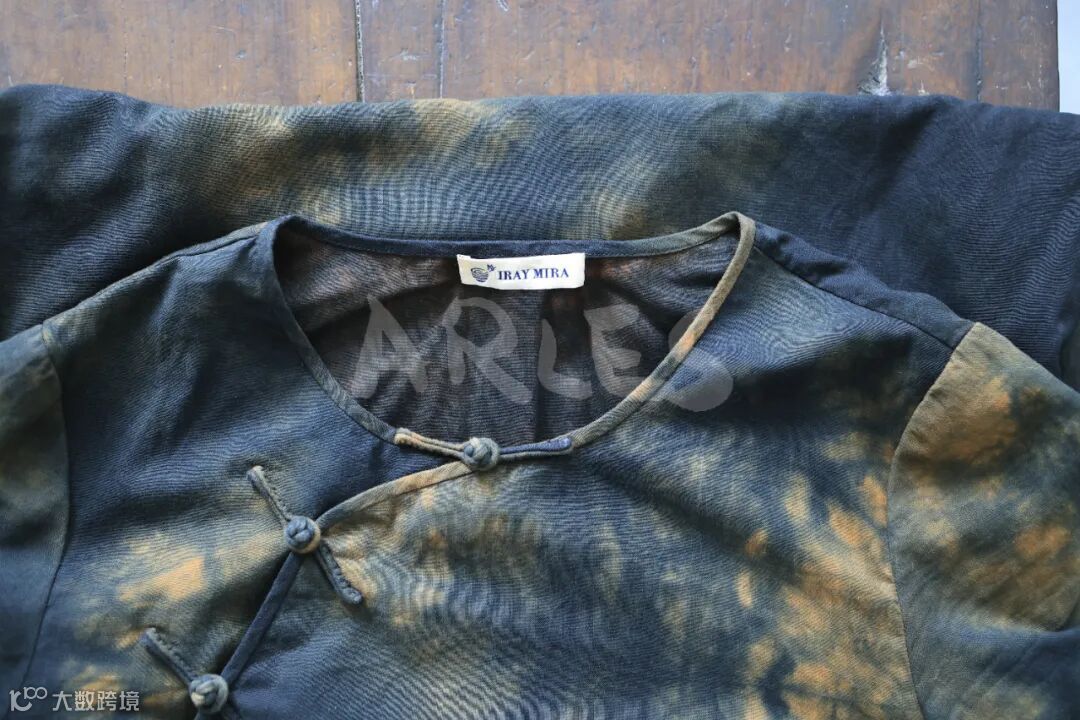
▲薯莨布成衣|定制:吾瑞奇迹
Historical Overview of the Xiangyunsha Dyeing and Finishing Industry
I. Origins and Development (Qing Dynasty to the Republic of China Era)
Qing Dynasty: Small-scale dyeing workshops and itinerant cloth dyers emerged in the major market towns within the county. The gambiered cloth sun-drying and cloth bleaching industries in Shiqiao became trades with a significant number of practitioners. A local specialty of Shiqiao was "Shiqiao Liang Cloth" (distinct from the silk-based Xiangyunsha of Foshan/Nanhai). Its characteristics included:
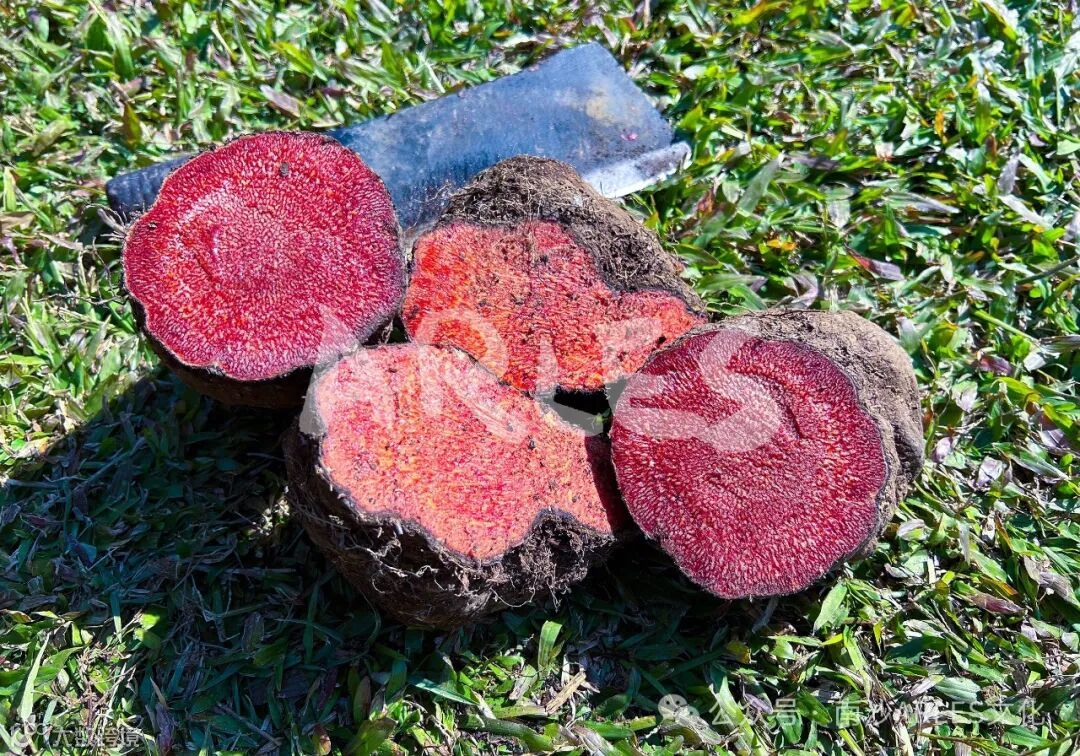
Made from white calico as the base material, dyed with gambier juice; also known as "bamboo cloth."
Low-cost, wear-resistant, suitable for laborers.
Early 19th Century: The gambiered cloth sun-drying industry had already appeared in Shiqiao.
Around 1930 (Peak Period):
Number of Shiqiao manufacturers: Over 120.
Practitioners: Over 1,000.
Annual output: 600,000 bolts of gambiered cloth.
Occupation Period (Early Anti-Japanese War): The industry suffered severe damage and declined sharply.
II. Post-War Recovery and Turning Point (Mid-to-Late 1940s)
Post-War Recovery: The number of manufacturers recovered to 60. Gambiered cloth sun-drying factories appeared in villages like Shawai and Luojia, as well as in areas like Conghua, Huaxian, and Nanhai.
Output Peak: In the late 1940s, annual output once reached a high of 1 million bolts.
Industry Turning Point (Late 1940s):
Shift in Market Demand: Gambiered cloth in black-blue and ochre colors fell out of fashion.
Consequence: Overproduction led to operational difficulties and widespread closures of manufacturers. By 1949, only fewer than 50 manufacturers remained in Shiqiao.
III. Adjustments and Conclusion in the Early Post-Establishment Period (Early 1950s – 1964)
Government Support (1951): The government supported revival through measures such as loans and placing processing/manufacturing orders. There were now over 70 combined manufacturers in the bleaching and gambiered cloth sun-drying industries, employing over 700 workers.
1952: Formed into a cooperative association, implementing joint purchasing and marketing while maintaining independent accounting.
1956 (Public-Private Partnership): Transformed into a Public-Private Partnership Gambiered Cloth Sun-Drying Factory. Merged with the former Datong Dyeing Factory. Expanded its business scope to include bleaching, dyeing/printing, and gambiered cloth sun-drying.
1964: Sales of gambiered cloth continued to decline, ultimately leading to a complete cessation of production.
IV. Transition and Modernization Development (From the 1960s – 1991)
Initial Transition (Early 1960s): Focus shifted primarily to the dyeing and finishing industry. Initially processed low-grade fabrics (e.g., Da Cheng Blue, Grass Green, Wool Blue Slate Black cloth, etc.).
1968 (Renaming and Technical Transformation): The Sun-Drying Factory was renamed Panyu Dyeing and Finishing Factory. Underwent technical renovation: established a dyeing and finishing production line capable of processing fabrics with a width under 120 cm. Environmental measures: built wastewater treatment equipment capable of purifying 200 cubic meters of industrial effluent per hour.
1986 (Joint Venture and Upgrade): Panyu Dyeing and Finishing Factory, the Foreign Trade Textiles Import and Export Company, and Hong Kong's Weiye Industrial Company jointly invested to establish "Panda Dyeing and Finishing Factory". Total investment: 10 million Hong Kong dollars. Introduced equipment: 20 sets/pieces of advanced imported machinery.
1991 (Scale and Benefits): The two factories (Panyu Dyeing and Finishing Factory, Panda Dyeing and Finishing Factory) had a combined workforce of 350 employees. Annual dyeing and finishing capacity: 10 million meters of various fabrics. Annual output value: 98 million yuan. Taxes and profits: over 5 million yuan.
NALANGE CHRONICLES
Editor-in-Chief: Wang Xuan
Photographer: Xiao Tie
Calligrapher: Zhi Ming
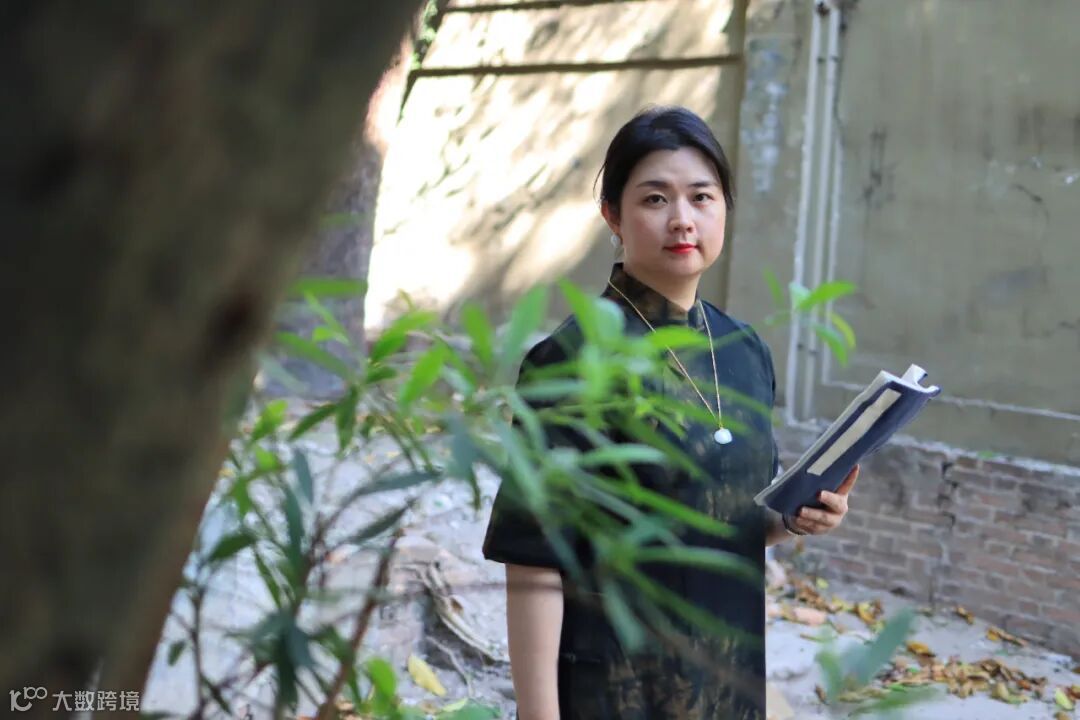
Costumes: WURAY MIRACLE, YUNSHA STAR RHYME
Dedicated to promoting Xiangyunsha silk as China’s intangible cultural heritage.
Email: 1399229194@qq.com