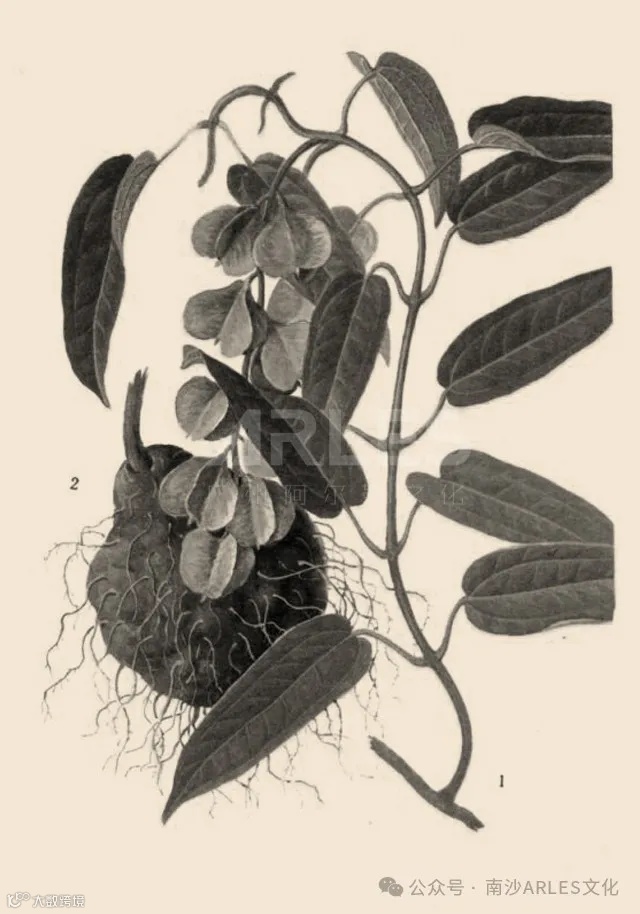
From Guangdong New Tales (《广东新语》):
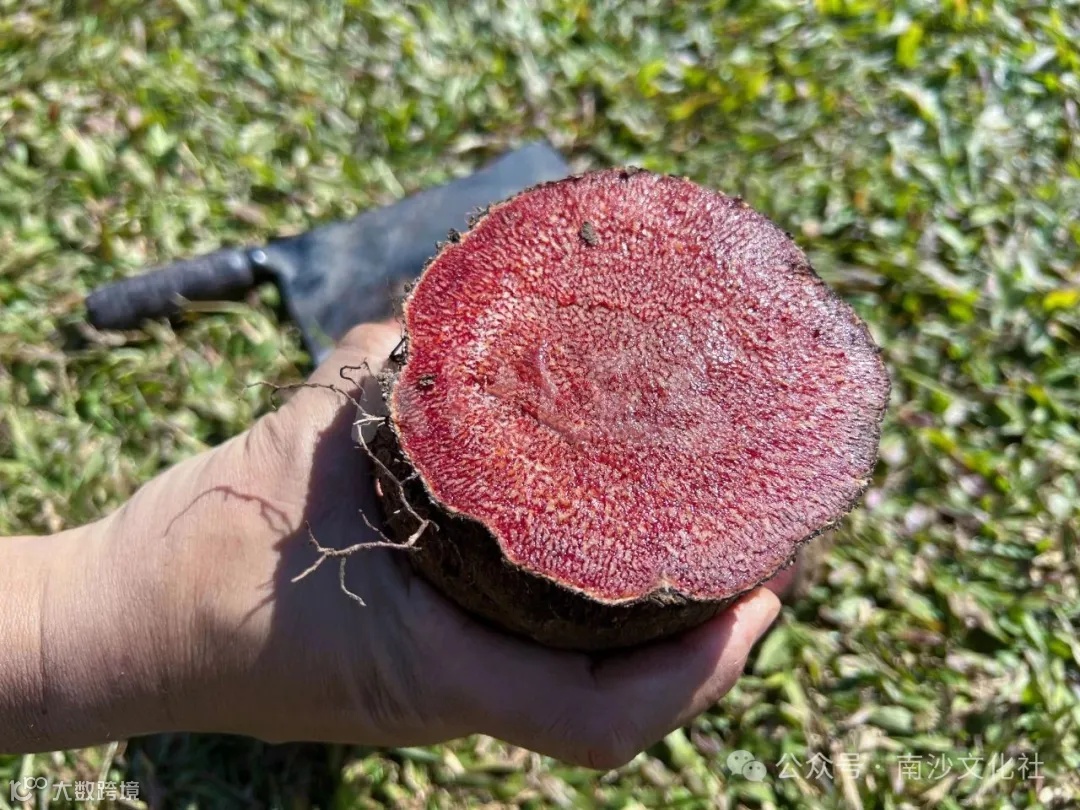
“There is also a fabric produced in Nantou, Xin’an [present-day Bao’an, Shenzhen]. The raw material comes from fishing nets originally made of ramie. Fisherwomen cut the worn-out nets into strips, unravel them into weft threads, and use cotton yarns as warp threads to weave the cloth. It is then boiled in limewater and rinsed in stream water to remove the previous gambiered (shuliang) reddish-brown color, making it brilliantly snow-white. Once finished, the cloth is divided into double-faced and single-faced types. The double-faced variety has fluffy naps of varying sizes on both sides, while the single-faced has them only on one side. The longer the naps, the more valuable the cloth; after prolonged rubbing or stroking, it becomes lush and velvety like a Western woolen blanket. If dyed again with gambiered (yam extract), the threads become firm and crisp, suitable for summer garments. If left undyed, it remains soft and can be used against the cold. The people of Guangdong highly value this fabric, considering it extraordinary. A proverb says: ‘This cloth, made by fishing households, when worn for fishing, fears neither wind nor storm.’ When worn by children, it is also said to ward off evil spirits. All these are rare in the Central Plains.”
Commentary:
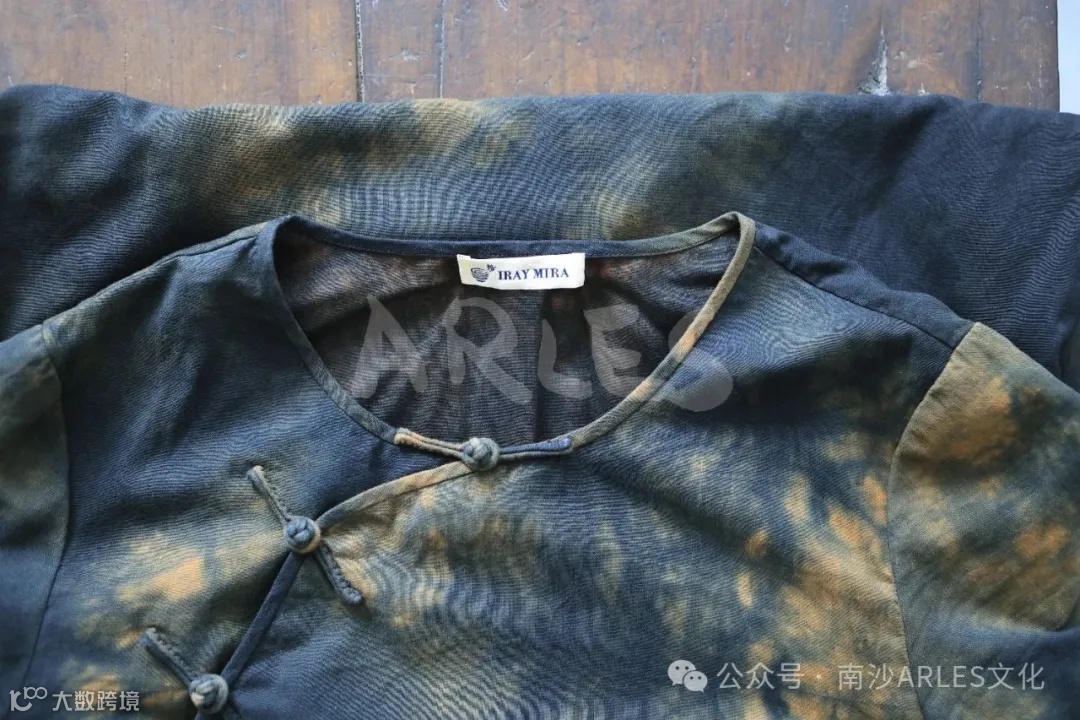
Although the gambiered fabric described in Guangdong New Tales originated in Nantou, Xin’an (modern Bao’an, Shenzhen), circumstantial evidence suggests that due to the shared geography, similar climate, and the continuous exchange between the Tanka (boat-dwelling) communities along the Pearl River Estuary—Nansha and Bao’an included—this practical technique of gambiered dyeing likely spread widely among the Tanka people throughout the estuary region. Nansha would have been no exception. Thus, the history of Nansha’s Tanka people using gambiered yam extract to dye their clothing dates back a long time. This craft not only arose from the practical needs of life on the water but also vividly embodies the Tanka’s wisdom in adapting to nature and making ingenious use of local resources.
As the editorial team of this column, we consistently uphold an open, inclusive, and neutral stance. We are well aware that in a multicultural context, truth often emerges from dialogue and the clash of diverse perspectives. Therefore, we do not position ourselves as arbiters of views, but rather as “presenters” and “connectors” of ideas. Our core mission is to build a platform for equal and rational exchange, bringing together insightful opinions from scholars across different fields and backgrounds. Here, you may find articles with opposing viewpoints placed side by side, or encounter completely different interpretations of the same issue. We believe that such juxtaposition itself holds power — it rejects a single narrative, encourages readers to move beyond habitual thinking, and fosters independent reflection through comparison and discernment. “The sea is vast because it admits all rivers.” We cherish every rigorous and sincere scholarly voice, whether from tradition or modernity, East or West. We envision this platform as a “free market of ideas,” where high-quality academic dialogue inspires new questions and directions for exploration.
— Editorial Department, Nansha Culture Society
NALANGE CHRONICLES
Editor-in-Chief: Wang Xuan
Photographer: Xiao Tie
Calligrapher: Zhi Ming
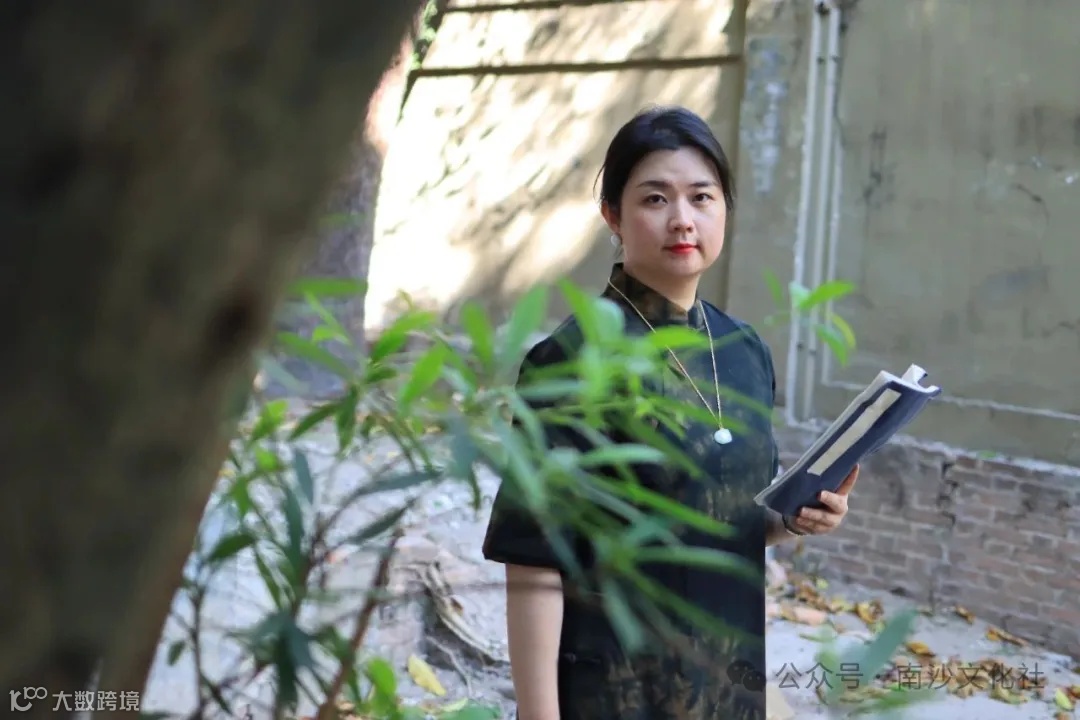
Costumes: WURAY MIRACLE, YUNSHA STAR RHYME
Dedicated to promoting Xiangyunsha silk as China’s intangible cultural heritage.
Email: 1399229194@qq.com