UV Protection Function of Gambiered Canton Silk
1. The Necessity of UV Protection and the Physical Barrier Effect of Gambiered Canton Silk
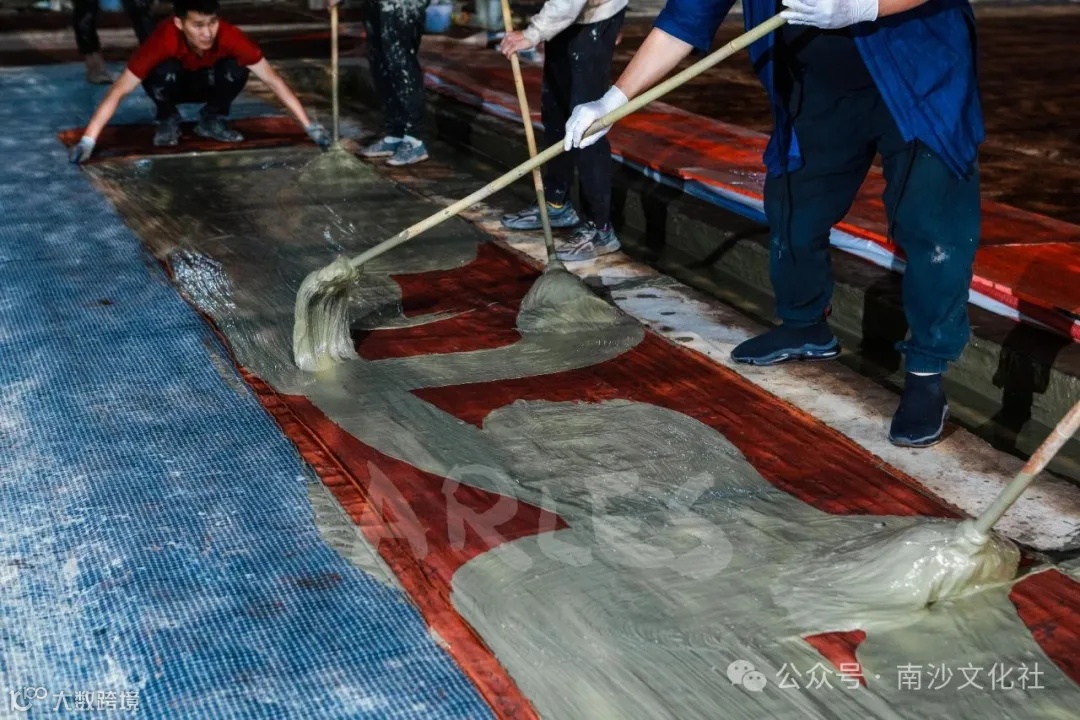
Solar ultraviolet radiation (UVA/UVB) is a primary factor causing skin photoaging and DNA damage. Short-term exposure can lead to sunburn and dermatitis, while long-term accumulation can degrade collagen and increase the risk of skin cancer. Research indicates that fabric density and coating thickness are key determinants of UV protection performance. Through its unique dyeing and finishing process, Gambiered Canton Silk forms a dense coating of black river mud, offering significantly superior physical shielding compared to ordinary silk. Experiments show that the Ultraviolet Protection Factor (UPF) of traditional Gambiered Canton Silk can reach 40+, far exceeding the UPF 15-20 of untreated silk fabrics, blocking over 97% of ultraviolet rays. This characteristic makes it particularly suitable for high-intensity UV environments, such as maritime operations or plateau regions.
2. The Synergistic Enhancement Mechanism of Tannic Acid and the River Mud Coating
The UV protection efficacy of Gambiered Canton Silk stems from the biochemical synergy of its natural raw materials:
The "UV Filtering" Effect of Dioscorea cirrhosa Tannins: The juice from Dioscorea cirrhosa tubers is rich in tannins (tannic acid). It exhibits an absorption rate of up to 98% in the UVB range (280-320 nm wavelength), effectively neutralizing ultraviolet light energy. The phenolic hydroxyl groups in the tannin molecular structure can capture free radicals, reducing oxidative damage to the skin—a property widely referenced in modern sunscreen cosmetics.
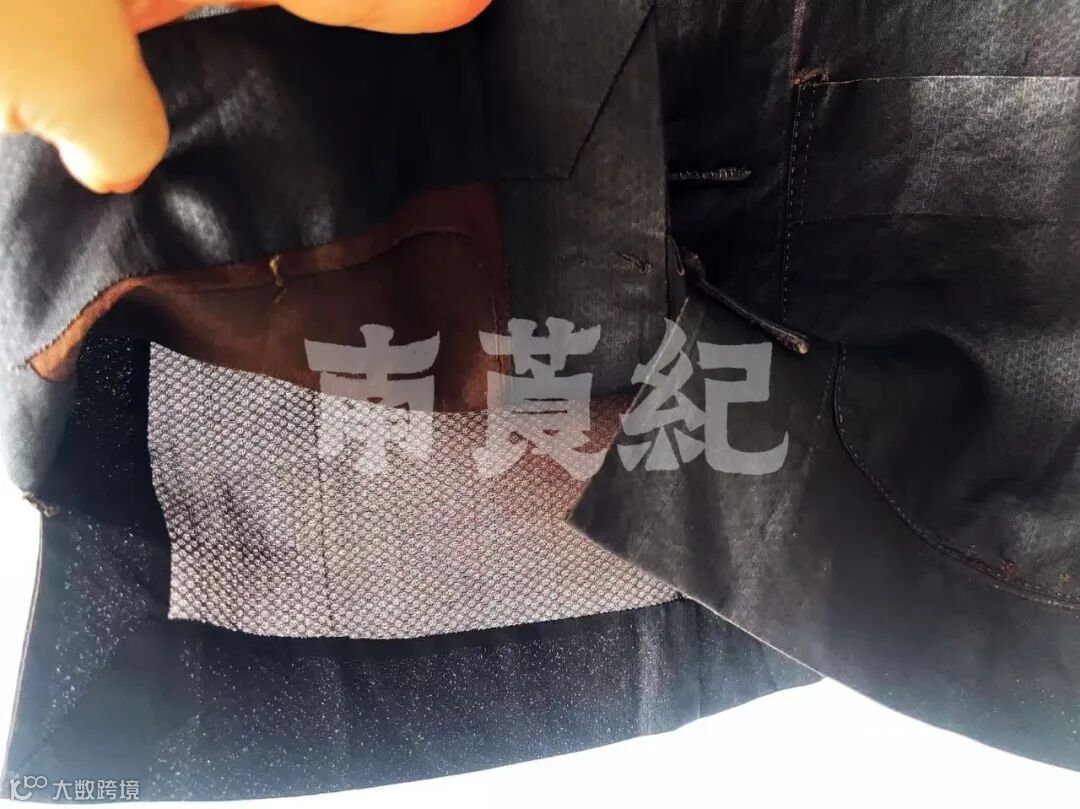
The Reinforced Barrier of Iron Ions in River Mud: The river mud from the Pearl River Delta is rich in ferrous ions. These react with tannic acid to form a black coating of ferrous tannate. This coating not only enhances light reflection but its nano-scale porous structure also scatters residual ultraviolet rays, creating a "physical-chemical" dual protection network. Process studies indicate that the coating increases the fabric's thickness by 30%, further improving its light-blocking capabilities.
3. Historical Practice and Modern Validation: From Fishermen's Protection to Scientific Quantification
The UV protection value of Gambiered Canton Silk was empirically demonstrated long ago among fishermen in the Lingnan region. Exposed to marine environments where UV reflection can reach 1.5 times that of terrestrial surfaces, fishermen favored garments made from Gambiered Canton Silk as their primary workwear due to its卓越 sun-blocking properties. Modern testing technology has further validated this traditional knowledge:
① Laboratory Data Support: According to tests conducted under the GB/T 18830 standard, the UPF value of Gambiered Canton Silk consistently ranges between 40 and 50+. Moreover, it retains a UPF of 35+ even after 50 washes, demonstrating durability superior to synthetic防晒 fabrics.
② Functional Improvements and Innovations: Recent developments include metal nano-coated Gambiered Canton Silk (e.g., titanium oxide-coated variants), which enhance UV reflectivity to achieve a UPF of 60+ while preserving the fabric's natural breathability. Meanwhile, high-density woven types like Sangbo satin Gambiered Canton Silk reduce UV transmittance to below 2%.
③ Conclusion: The UV protection performance of Gambiered Canton Silk represents a confluence of natural wisdom and modern technology. The combination of tannin bioactivity and mineral coating makes it a rare natural fabric that is both eco-friendly and highly protective. As the demand for functional防晒 textiles grows (with the global market projected to exceed $20 billion by 2025), ongoing process innovation will continue to transform Gambiered Canton Silk from a cultural heritage artifact into a high-value functional material.
NALANGE CHRONICLES
Editor-in-Chief: Wang Xuan
Photographer: Xiao Tie
Calligrapher: Zhi Ming
Costumes: WURAY MIRACLE, YUNSHA STAR RHYME
Dedicated to promoting Xiangyunsha silk as China’s intangible cultural heritage.
Email: 1399229194@qq.com