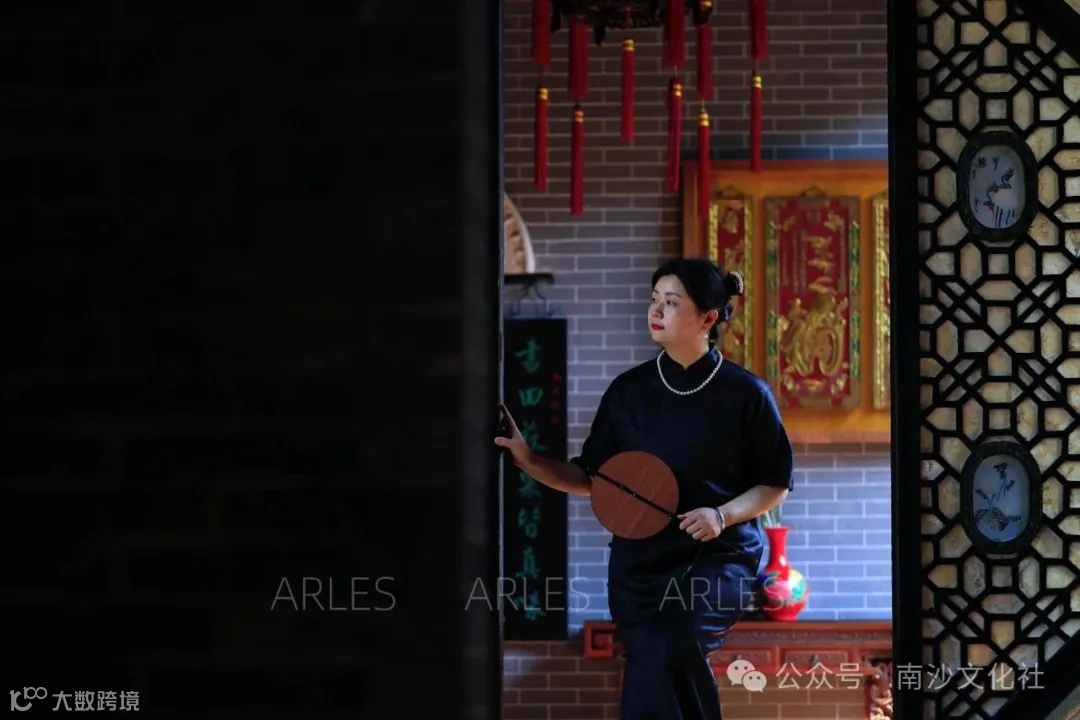
Records from the Huangge Town Annals on the Tianhou Temple Fair: “Zhuye Xiang” (Night Incense Burning), Yunsha (Gambiered Gauze), and Heijiaochou (Black Silk Fabric)
The Huangge Tianhou Temple Fair is recorded in the Huangge Town Annals as follows: The ancient Tianhou Temple was believed to be extremely efficacious, drawing an endless stream of pilgrims. During the Republic of China period (1912–1949) and the early 1950s, the annual celebration of Tianhou’s birthday on the 23rd day of the third lunar month was quite large in scale. It mainly featured three important activities: performing grand operas, burning night incense (“Zhuye Xiang”), and offering birthday congratulations.
“Zhuye Xiang” refers to the local “young maidens” (unmarried girls) who, on the eve of Tianhou’s birthday (the evening of the 22nd day of the third lunar month), would prepare fine incense of superior quality and fragrance, go to the Tianhou Temple, and offer incense before the Bodhisattva. Starting from the first stick of incense lit after dusk, they would continue for about an hour, then light another stick, and so on until the early morning, welcoming the arrival of the deity’s birthday (the 23rd). This process of continuous incense offering was called “night incense” by the locals. The maidens who performed “Zhuye Xiang” dressed even more meticulously than for the Spring Festival, demonstrating their devotion to the Tianhou Temple deity. The route for “Zhuye Xiang” had to pass through Xikeng She (the Xikeng Commune) in Lianxi Village. There stood an ancient banyan tree (said to be five hundred years old) so large that six or seven people holding hands could not encircle its trunk. In front of the banyan tree was a communal altar, beside which lay the only path leading to the Tianhou Temple. On the other side of the path was an arrowhead pond, part of which was shaded by the tree and unable to support plant growth, so the villagers had built a pergola that could seat dozens of people.
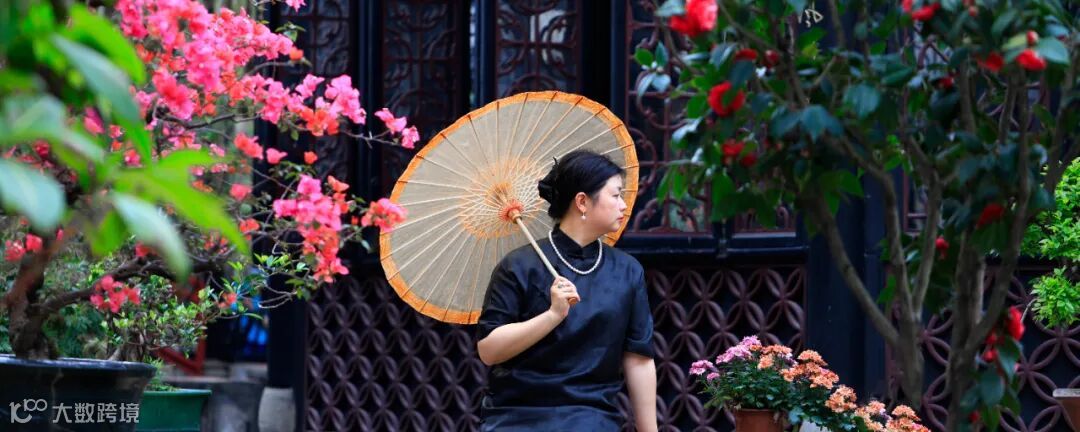
On the night of “Zhuye Xiang,” the well-dressed maidens emerged in a procession. They wore their hair in thick, loose braids or neatly coiled buns, with glossy hairpins, beautiful eyebrows, white teeth, and rosy cheeks. They were dressed in early summer attire, made of various fabrics such as black silk (heijiaochou), gambiered gauze (yunsha), or bamboo gauze. With the gradual influx of Hong Kong fashion (as Niangmu said, Western influence), the daughters of wealthy families, in pursuit of new trends, abandoned restrictive clothing, revealing their graceful curves, while ordinary peasant girls still bound their chests tightly. Carrying various kinds of fine incense, they walked with delicate, mincing steps, swaying gracefully—a truly beautiful sight. A local talented scholar, upon witnessing this scene, could not help but compose a couplet in praise: “Lotus steps so light, no dust they raise; willow waist so soft, yet not a sway.”
The “night incense” burners would arrive before the Tianhou Temple, light their first sticks of incense, and make their wishes. Before the opera began, the actors would enter the temple to perform “The Eight Immortals Offer Birthday Greetings,” and the maidens would withdraw. After the “birthday greetings” ended, the maidens would re-enter the temple to burn their incense. After burning incense, they would come back out, and when the incense had burned down about an hour later, they would go in again. This cycle continued until early morning. Only after the open-air opera had finished would the audience disperse. “Zhuye Xiang” is rich in Huangge’s folk customs and continues to this day, though its atmosphere has gradually faded.
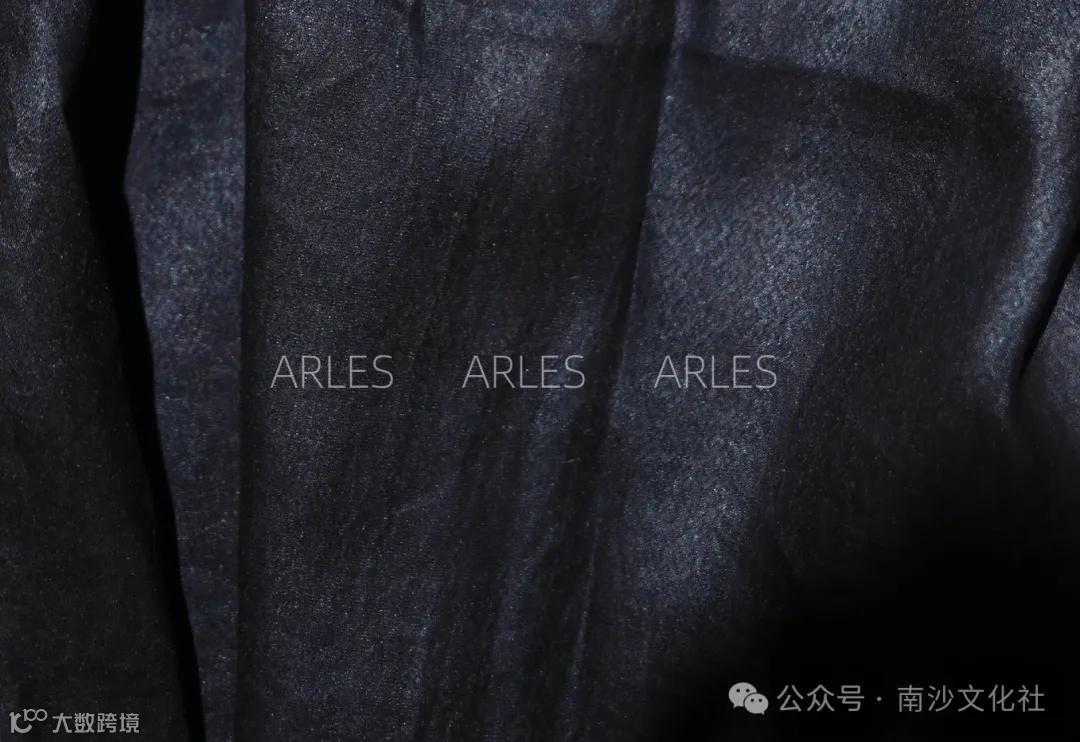
“Liu Yin Mei” (Young Maidens) and the “Six Gentlemen”:
Folk Practice and Prevalence of Xiangyunsha (Gambiered Gauze) in Republican-Era Nansha Huangge
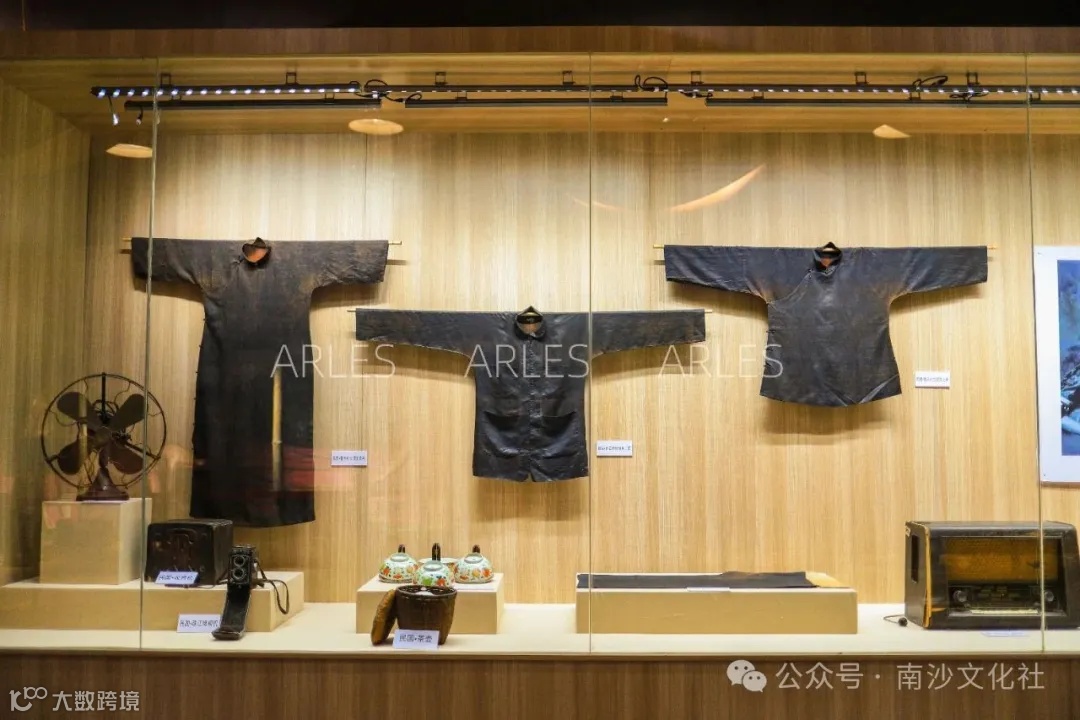
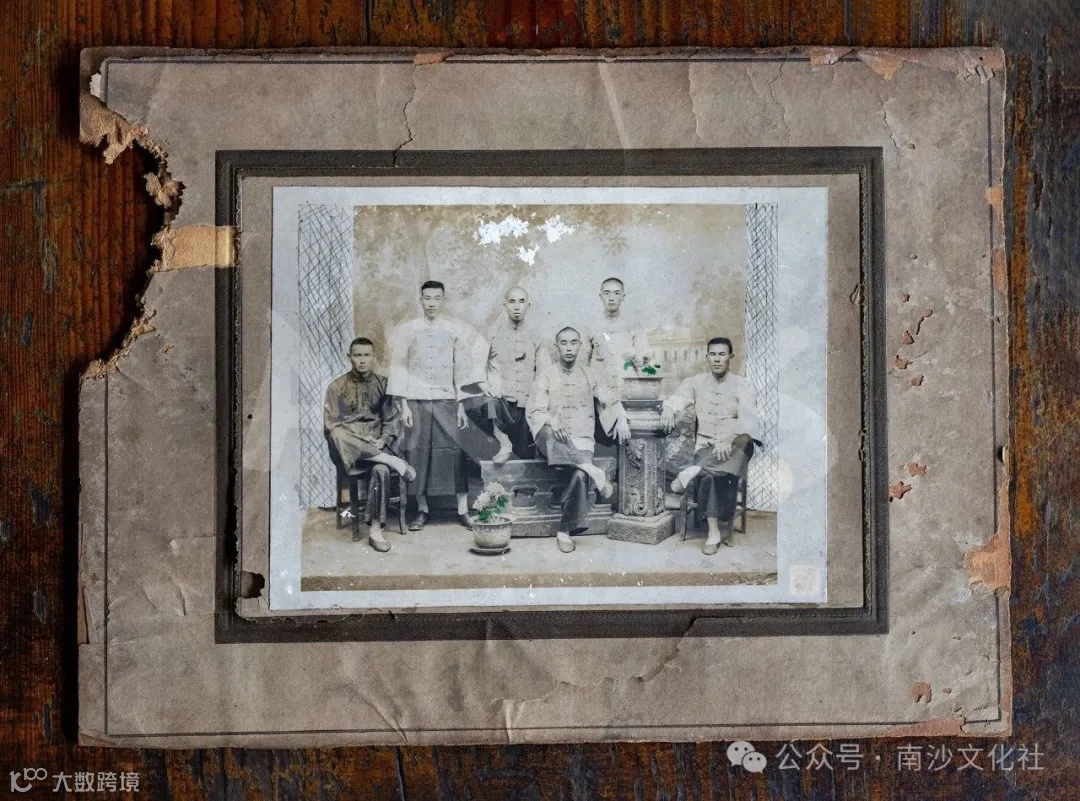
During the “Zhuye Xiang” (Night Incense Burning) ritual, the “Liu Yin Mei” (unmarried young maidens) paid great attention to their attire and appearance, wearing garments made of materials such as black silk fabric (heijiaochou), yunsha (gambiered gauze), and bamboo gauze. This record indicates that during the Republic of China period (1912–1949), fabrics like Xiangyunsha (gambiered gauze) and black silk fabric were already widely used among the common people in the Nansha area. Previously, a group photo titled “The Six Gentlemen of Tingjiao” from 1930, published in Issue No. 50 of Nansha Xiangyunsha, reflected the style of men from Tingjiao Village in Huangge wearing Xiangyunsha. The newly discovered document complements this by providing physical evidence that local women of the same period also commonly wore such fabrics. Together, these two sources confirm that during the Republican era, Xiangyunsha had become an important part of daily attire for both genders in the Huangge area of Nansha. This not only highlights the representative significance of this fabric in folk practices but also reflects the historical reality of Xiangyunsha being deeply integrated into the daily life and aesthetic culture of the people of Nansha.
▼Click the image below to jump to the original article ▼ Men wearing Xiangyunsha (gambiered gauze) in 1930
As the editorial team of this column, we consistently uphold an open, inclusive, and neutral stance. We are well aware that in a multicultural context, truth often emerges from dialogue and the clash of diverse perspectives. Therefore, we do not position ourselves as arbiters of views, but rather as “presenters” and “connectors” of ideas. Our core mission is to build a platform for equal and rational exchange, bringing together insightful opinions from scholars across different fields and backgrounds. Here, you may find articles with opposing viewpoints placed side by side, or encounter completely different interpretations of the same issue. We believe that such juxtaposition itself holds power — it rejects a single narrative, encourages readers to move beyond habitual thinking, and fosters independent reflection through comparison and discernment. “The sea is vast because it admits all rivers.” We cherish every rigorous and sincere scholarly voice, whether from tradition or modernity, East or West. We envision this platform as a “free market of ideas,” where high-quality academic dialogue inspires new questions and directions for exploration.
— Editorial Department, Nansha Culture Society
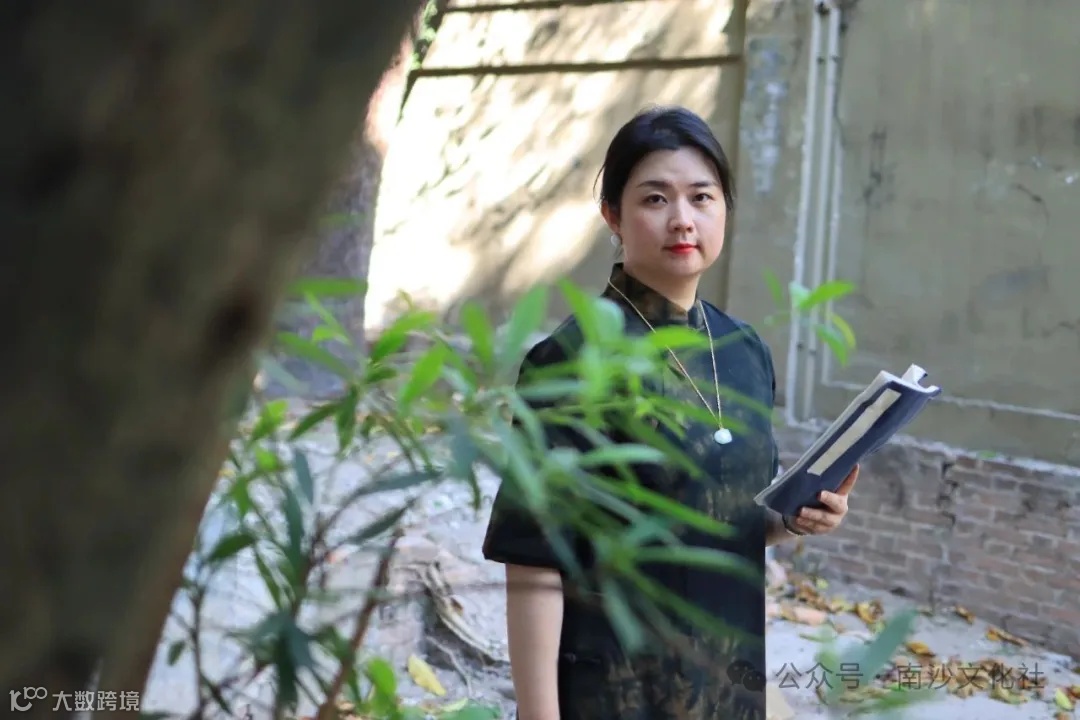
NALANGE CHRONICLES
Editor-in-Chief: Wang Xuan
Photographer: Xiao Tie
Calligrapher: Zhi Ming
Costumes: WURAY MIRACLE, YUNSHA STAR RHYME
Dedicated to promoting Xiangyunsha silk as China’s intangible cultural heritage.
Email: 1399229194@qq.com