


Overview of Nansha Subdistrict
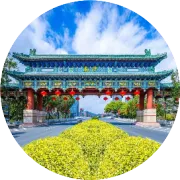
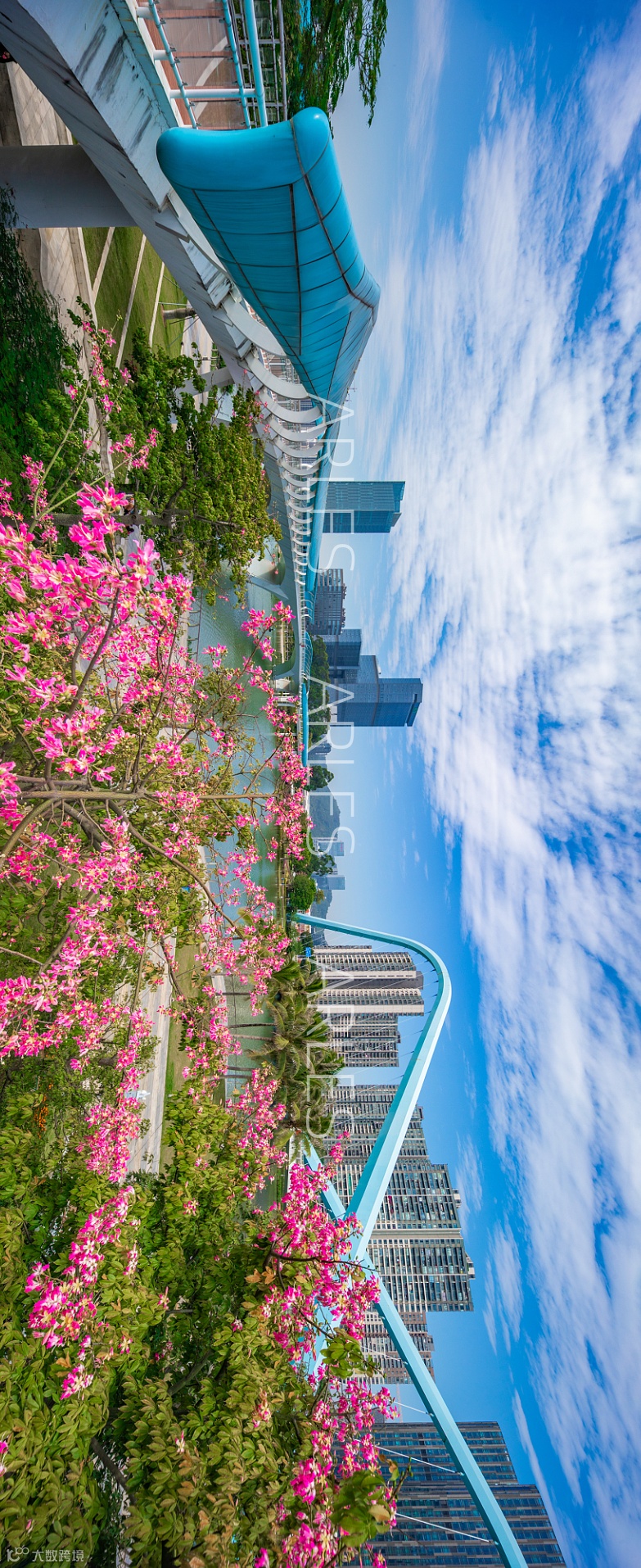
Nansha Subdistrict is located in the southeastern part of Nansha District, Guangzhou, on the western bank of the Humen Waterway at the Pearl River Estuary, serving as a major maritime passage for Guangzhou. The subdistrict covers an area of 44.97 square kilometers and administers 11 villages (Jinzhou, Bantou, Shaluowan, Tantou, Guanglong, Dachong, Dongguayu, Dongwan, Jiaomen, Tingjiao, and Tanwei) and 9 communities (Jiaomenhe, Hudiezhou, Haiting, Yitao, Jinlong, Jinsha, Shangwan, Fenghuang, and Meishan).
As of December 2024, the subdistrict has a registered population of 128,000 and a floating population of 150,000, with the total population under its management and services exceeding 350,000.
【Historical Development】
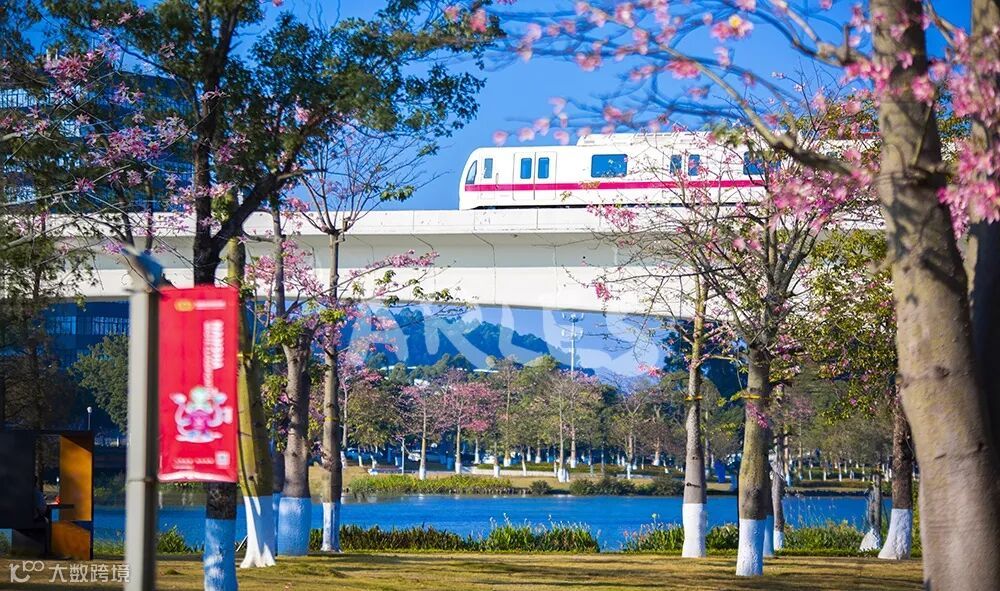
During the Song Dynasty and until the early years of the People's Republic of China, the area now constituting Nansha Subdistrict was under the jurisdiction of Dongguan County.
In 1953, it was transferred to Zhuhai County along with Wanqingsha.
In 1958, it was reassigned to Zhongshan County.
In 1959, it was incorporated into Panyu County as part of the Wanqingsha Commune.
In 1961, it was separated from the Wanqingsha People's Commune and established as the Nansha People's Commune.
In 1984, the commune was abolished and reorganized as Nansha District.
In 1987, the district was restructured into Nansha Town.
In 1993, Nansha Subdistrict was established under Panyu City and operated jointly with the Administrative Committee of Guangzhou Nansha Economic & Technological Development Zone.
In 2005, Nansha Subdistrict was separated from the Administrative Committee of Guangzhou Nansha Economic & Technological Development Zone, became an independent entity, and was renamed Nansha Subdistrict under Nansha District, Guangzhou City.
On December 28, 2023, in accordance with the Notice on Accelerating the Administrative Division Adjustment of Huangge Town and Nansha Subdistrict in Nansha District, Nansha Subdistrict held a cadres assembly for the newly formed administrative division and a plaque unveiling ceremony for the incorporated villages and communities.
【Geographical Setting】
【Tourist Attractions】
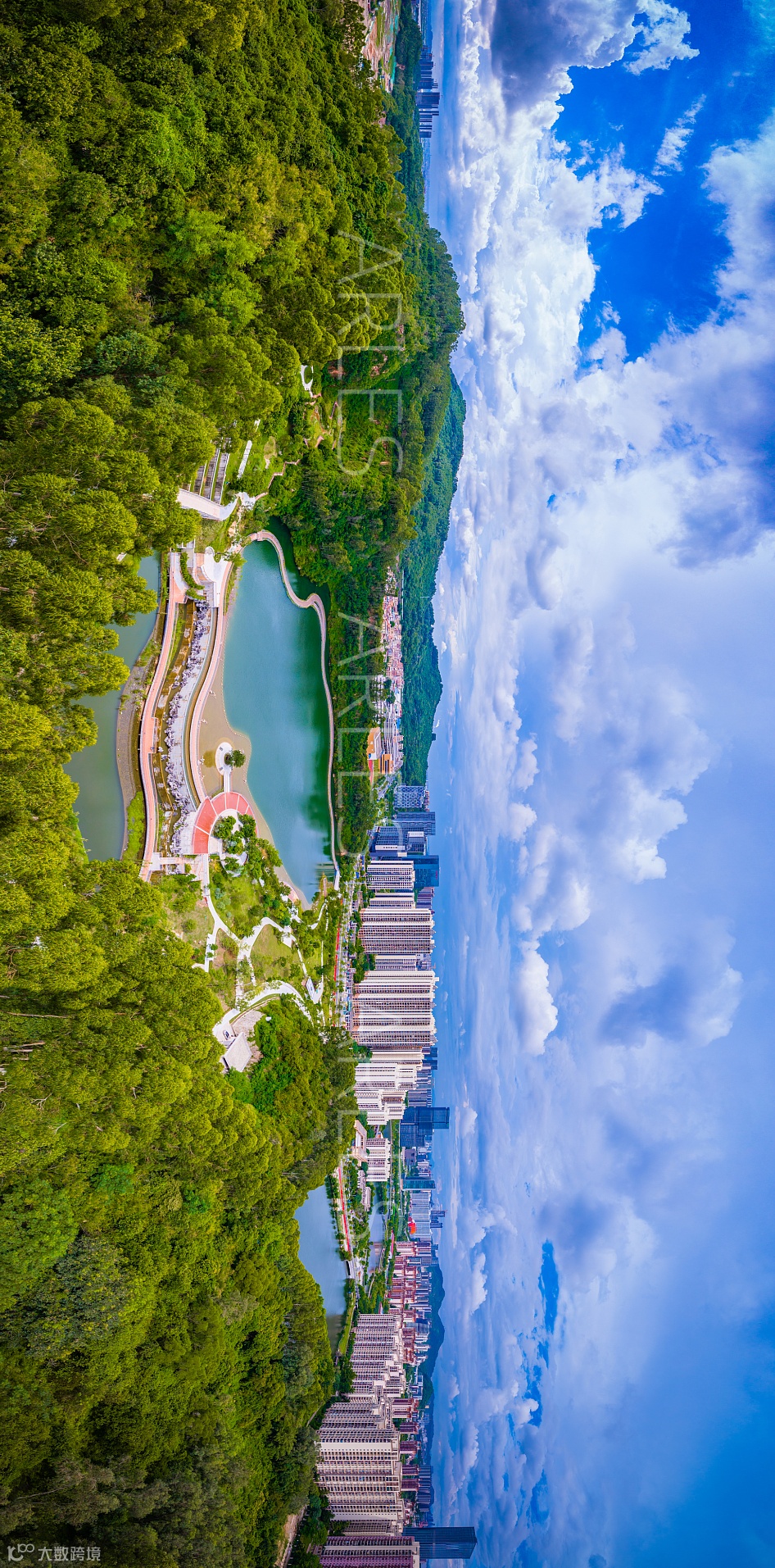
Nansha Subdistrict, as Guangzhou's new urban core, blends modern vitality with ecological beauty. At its heart lies Huangshanlu Forest Park, a rare urban "green lung" in southern Guangzhou. Its main peak, standing at 295 meters above sea level, is not only the highest point in the area but also a comprehensive scenic zone integrating mountain-sea landscapes, forest ecosystems, and cultural history. From the mountaintop observatory, visitors can simultaneously enjoy panoramic views of the majestic Pearl River Estuary, the winding Humen Bridge, and Nansha's modern urban skyline. This unique "mountain-meets-sea" perspective is its standout feature. With dense forest coverage, the park is home to 460 species of vascular plants and 41 species of birds, boasting an exceptional ecological environment. Since opening to the public free of charge in 2008, it has become a popular destination for hiking, leisure, fitness, and ecological education.
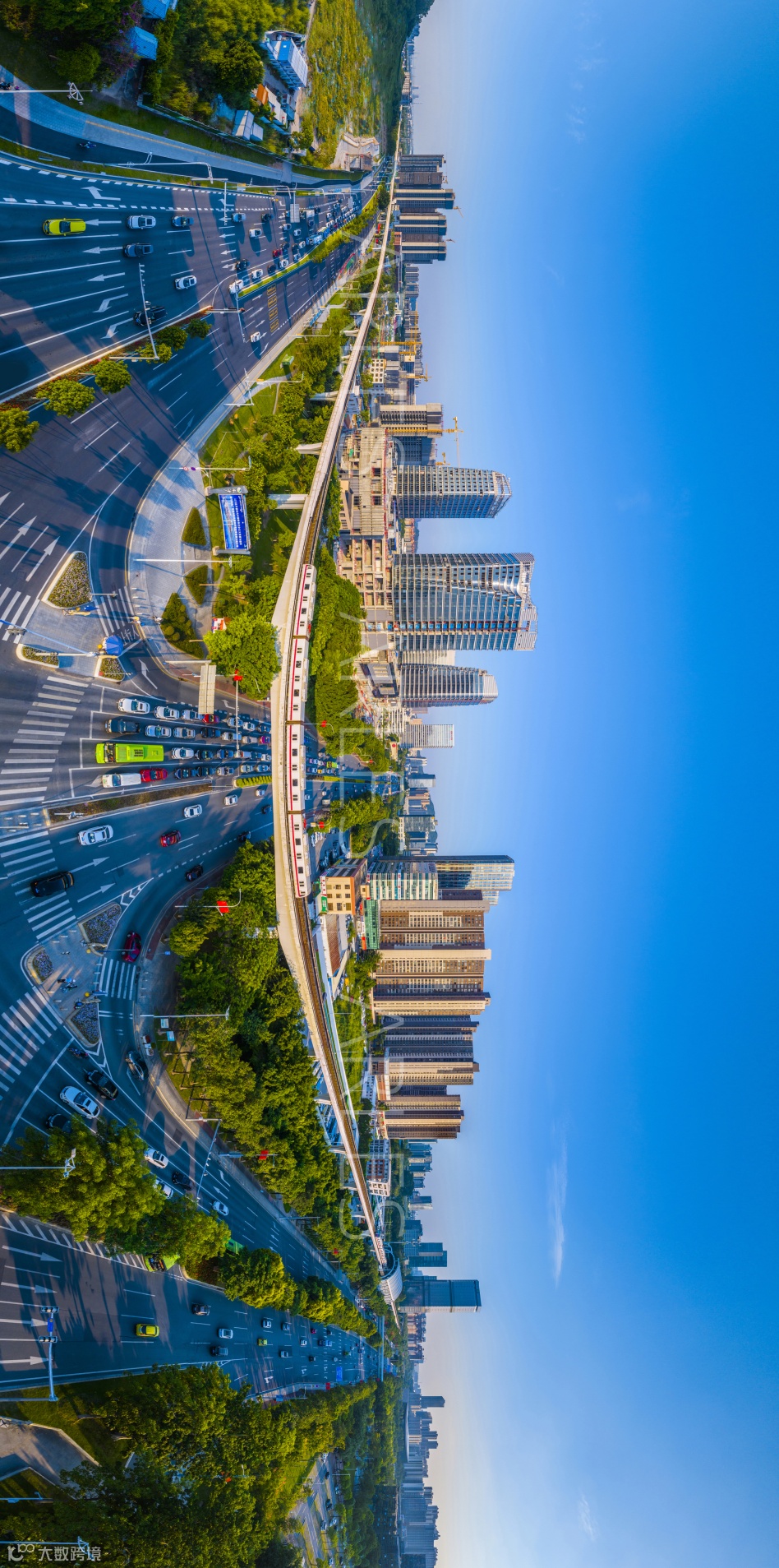
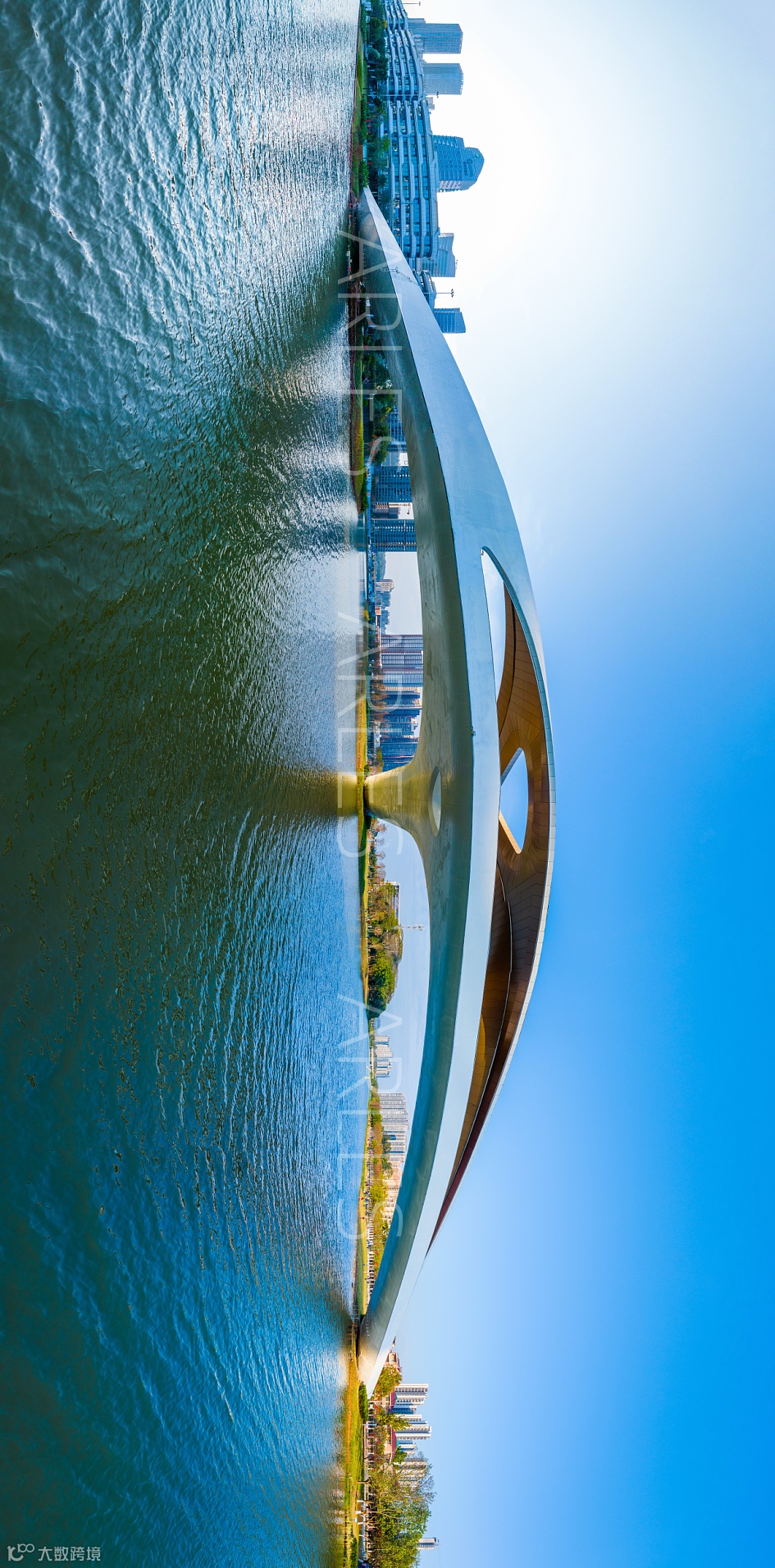
The recently popular white sand beach and flower meadows on Jiaomen Island Park, set along the Jiaomen River, together with the extensive greenways of the adjacent Jiaomen Park, form a vibrant waterfront leisure space in the city. Meanwhile, the marine-themed play facilities at Nansha Children's Park make it an ideal destination for families. Juxing Bridge, the country's first three-legged star-shaped pedestrian bridge, has become a new landmark with its futuristic design, connecting urban landscapes while illuminating the night sky.
In terms of cultural facilities, Nansha Subdistrict also shines. The modern-designed Nansha District Library offers citizens a tranquil and comfortable reading environment. Next door, the Nansha Planning Exhibition Center, with its architecture resembling a Tang Dynasty "jade pillow," serves as an ideal window to systematically understand Nansha's past, present, and future plans. Additionally, China's first Tunnel Museum adds a unique educational dimension to visits through its specialized themes and rich interactive experiences.
For visitors, getting off at Jiaomen or Jinzhou Station on Metro Line 4 provides convenient access to begin your exploration. Whether planning a family day trip connecting the major parks or arranging a cultural tour combining the library, planning exhibition center, and the nighttime view of Juxing Bridge, Nansha Subdistrict can meet diverse needs, allowing you to fully experience the unique charm of this coastal new town.
【History and Culture】
Nansha Subdistrict currently possesses 12 immovable cultural relics, 4 typical style buildings or structures and traditional character buildings, 5 site complexes, 4 intangible cultural heritage items at or above the district level, and 63 ancient and notable trees. Its historical and cultural heritage is both profound and clearly defined, which can be summarized into the following four main aspects:
1. Intact Sequence of Archaeological Sites from Prehistory to the Han Dynasty
The archaeological remains within the jurisdiction show a long chronological span and form a complete sequence. The Jinzhoushan Site dates back approximately 4,400-4,500 years, contemporaneous with the Lujing Site. The Jigongtou Pre-Qin Site and the Eastern Han Dynasty Site in Guanglong Village show continuous development; the Eastern Han Dynasty Site covers an area of 8,000 square meters and yielded daily utensils such as pottery jars, basins, and bowls, as well as architectural components. The Hecheng Village Site revealed cultural layers from four periods: Shang, Western Zhou, Tang-Song, and Ming-Qing, with the Shang period remains being predominant. The Western Zhou pottery jar unearthed here is a unique vessel form not found at the Lujing Site.
2. Coexistence and Integration of Diverse Folk Beliefs and Danjia Culture
The subdistrict boasts a rich diversity of folk belief sites. Beyond the Tianhou Temple, there are Guanyin Temples, Xiangu Temples, and Shej Temples (Land and Grain Gods). The Lingnan ancestral hall in Bantou Village, the Wenwu Temple in Tingjiao Village dedicated to Wenchang (God of Culture) and Guan Gong (God of War), the Dawang Temple and Huaguang Temple with their associated stage in Jiaomen Village, which venerate the God of Thunder and God of Fire respectively, and the Xiangu Temple in Dongguayu Village renovated by devotees from Hong Kong, all reflect the local integration of Lingnan culture and the shared cultural roots within the Greater Bay Area. Danjia culture centers around Mazu belief, exemplified by the Dongguayu Tianhou Palace. Customs like "worshipping the boat prow" ("Bai Ting Tou") and rowing the "Wa Bucket" ("Pa He Tong") in Tantou Village, the "Xianshui" folk songs in Tanwei Village, and traditional dragon boat activities are all manifestations of the living heritage of Danjia culture.
3. Complete and Historically Significant Coastal Defense System
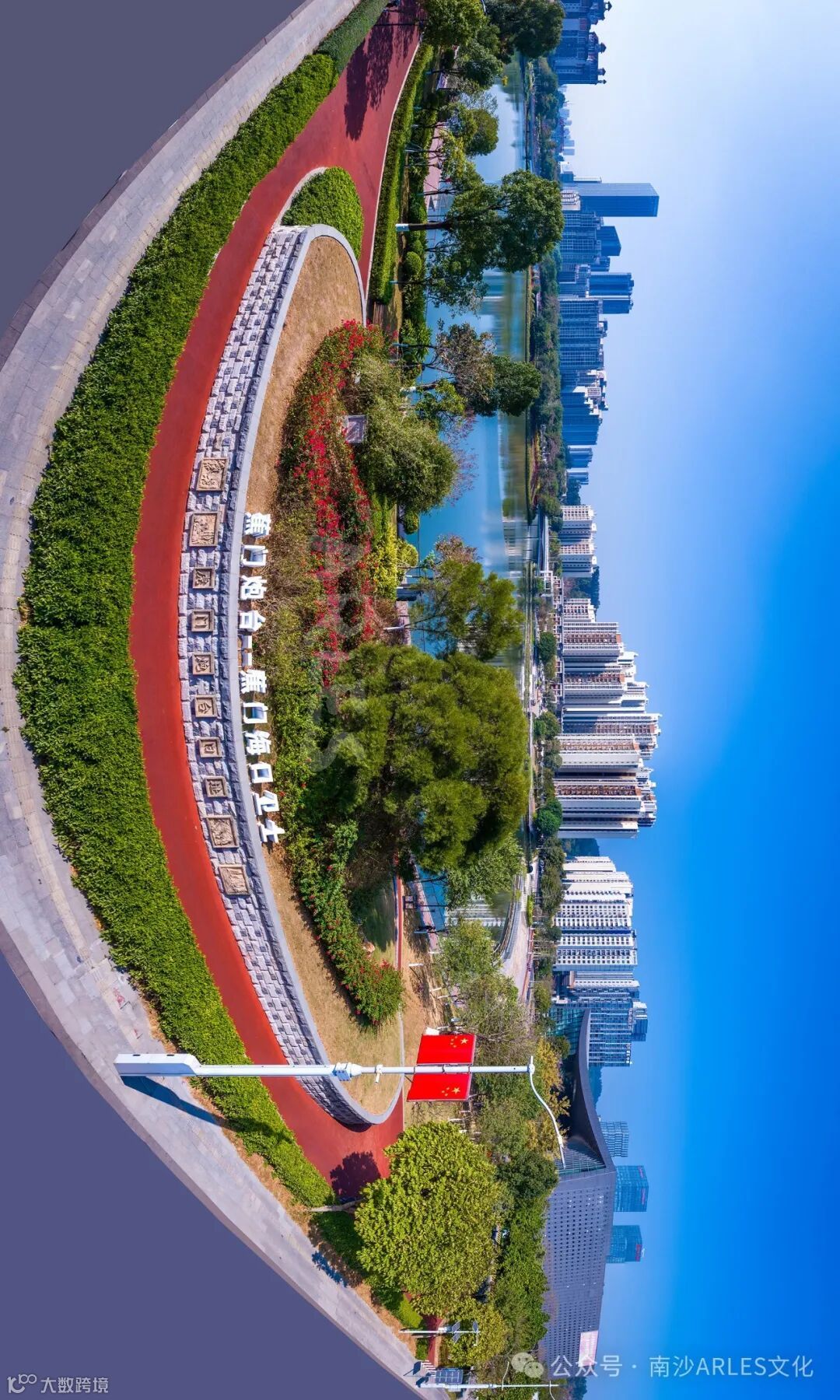
The Jiaomen Fort was built in the 17th year of the Jiaqing reign of the Qing Dynasty (1812 AD). As a key component of the Humen Fortress complex, it was equipped with fourteen embrasures for cannons and supporting facilities, primarily guarding the Jiaomen Waterway. According to the "Chou Hai Chu Ji" (First Collection on Coastal Defense Planning) and the "Guangdong Quan Sheng Hai Tu Zong Shuo" (General Description of the Coastal Maps of Guangdong Province) from the Guangxu era, the fort was still undergoing maintenance until the Guangxu period, making it one of the coastal forts with the longest continued use during the Opium War period. Coordinating with it was the Dashanna Beacon Tower, initially built in the late Ming Dynasty. During the Jiaqing period, when the pirate Zhang Baozi invaded, the beacon was lit to raise the alarm, prompting villagers from Huangge to reinforce the defense and achieve victory. A stone plaque inscribed "De Sheng Li" (Alley of Victory) was erected after this battle, and the Jiaomen Fort was subsequently constructed. Together, they formed the core of the Qing Dynasty coastal defense system for the Jiaomen Waterway.
4. Industrial Heritage Witnessing Modern Development
Nansha Subdistrict also bears witness to modern industrial development. The transition from traditional riverside thatched huts ("Mao Liao") to the rise of modern industry is concretely evidenced by industrial heritage sites like the Meishan Sugar Refinery. These sites testify to the local economic journey from an agricultural society towards industrialization and stand as important physical examples of Nansha's economic take-off following the Reform and Opening-up policy.
【Commercial Hubs】
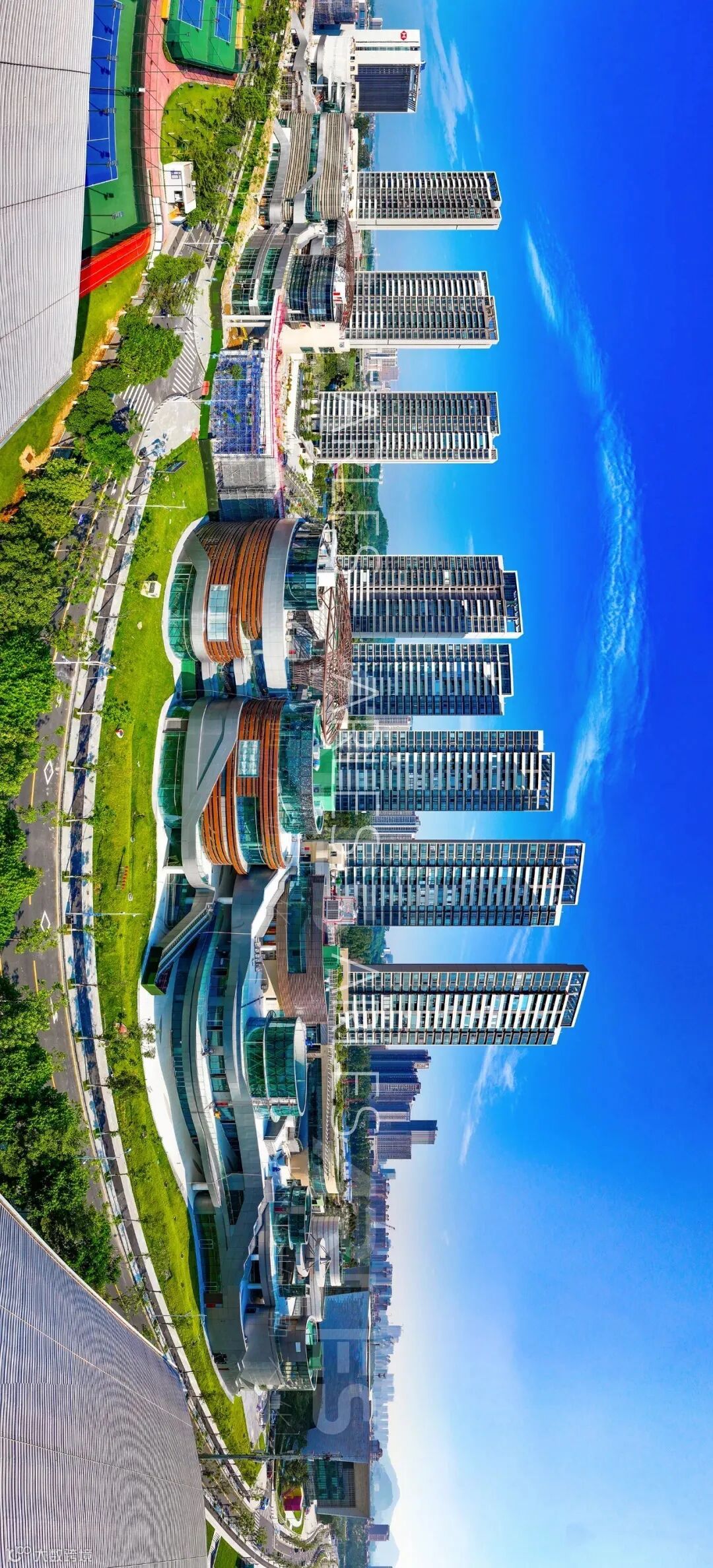
Nansha Subdistrict is the earliest developed and most functionally mature urban area in Nansha. Following the recent administrative division adjustments, three major popular commercial centers — CR Land·Nansha COCO Park, China Railway Construction·Nansha Global Harbor, and Nansha UFun World — have all been consolidated within the new boundaries of Nansha Subdistrict, solidifying its status as the focal point of Nansha's commercial landscape.
The subdistrict is fully committed to developing the 20-square-kilometer urban core area along both banks of the Jiaomen River. By guiding the four major commercial hubs — COCO Park, Global Harbor, UFun World, and Wanda Plaza — to pursue differentiated development, it aims to cater to personalized and diverse consumer demand.
Major Commercial Hubs & Project Highlights
China Railway Construction·Nansha Global Harbor: A new commercial landmark in the Greater Bay Area, Global Harbor attracts large crowds with its distinctive "Nature + Art + Experience" concept. It introduced a remarkable 70% of its brands as their first store in Guangzhou or the wider region, demonstrating its strong appeal to cross-city consumers from across the Greater Bay Area.
Nansha COCO Park: Opened in December 2023, this project centers on "Fashion, Trends, and Experience." It successfully launched with over 60 brands entering the Nansha market for the first time.
Nansha Wanda Plaza: As the first large-scale commercial complex to open in Nansha District, it remains a cornerstone of the area's commerce. Following upgrades—including introducing the first renovated and upgraded Yonghui Supermarket in Guangzhou and creating the "Shi Guang Li" night economy zone—its customer traffic had recovered to 2023 levels by the second half of 2024.
Nansha UFun World: Opened in 2019, it is the only commercial complex in Nansha integrating a park and lake views, adjacent to the Nansha Green Axis Plaza and Fenghuang Lake Park. With a focus on culinary offerings, it provides residents with an excellent venue for gatherings and leisure.
17 Town: Located in the Qingsheng starting area of Mingzhu Bay, it is Nansha's first urban space project explicitly characterized as a "non-standard commercial" venture. Designed by the American architecture firm JERDE, it is envisioned as a "breathable," park-like open commercial block.
【Premium Amenities】
Educational Facilities
The subdistrict currently has 62 basic education schools, equating to 1.4 schools per square kilometer, ranking it among the top in the district for school density. This includes 18 compulsory education schools and 44 kindergartens, representing abundant educational resources. Following the recent adjustment, six renowned primary and secondary schools—including Guangzhou Foreign Language School, Nansha Affiliated School of South China Normal University, Guangzhou Nansha Binhai Experimental School, Nansha Affiliated Primary School of South China Normal University (Dongyuewan Campus), and Nansha Dongwan Primary School Affiliated to Guangdong University of Education—have been incorporated. Together with the existing Zhixin Nansha School, they form a robust matrix of prestigious educational institutions. Concurrently, the consortium-based school operation model continues to deepen, with the establishment of the Jinlong Primary School Education Group, Nansha Affiliated Middle School of South China Normal University Education Group, and Guangzhou Foreign Language School Education Group, effectively expanding the coverage of high-quality education.
Healthcare Services
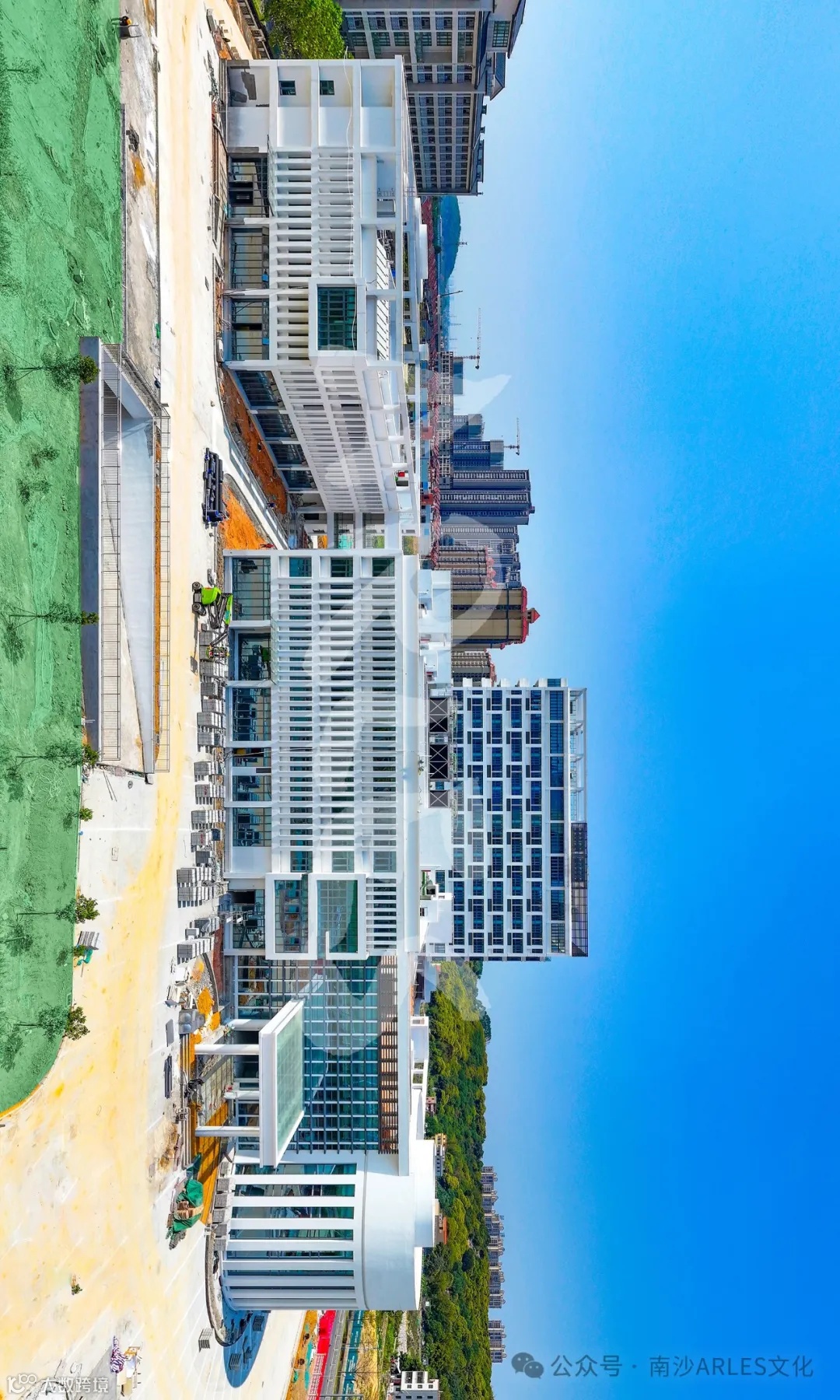
Regarding healthcare, Nansha Subdistrict boasts a well-established community health service system that effectively meets residents' basic medical and public health needs. The core of the medical system within the jurisdiction is the Guangzhou First People's Hospital Nansha Hospital (also known as Guangzhou Nansha Central Hospital). This is a public general hospital built to Class A Tertiary standards, with a planned capacity of 1,000 beds. It is equipped with advanced technology and serves as a regional emergency center, among other critical functions. The Nansha Subdistrict Community Health Service Center (Address: No. 54 Jingang Avenue, Nansha District) acts as the primary healthcare core facility within the area, responsible for providing residents with convenient and reliable medical services.
Furthermore, the Nansha Hospital of Guangdong Provincial Hospital of Traditional Chinese Medicine is a highly anticipated National Medical Center Project. Adjacent to the Guangdong Provincial Academy of Chinese Medical Sciences, it will form an integrated complex combining TCM medical services, scientific research, and innovation, poised to become a hub for Traditional Chinese Medicine in the Guangdong-Hong Kong-Macao Greater Bay Area. Additionally, the Nansha Campus of Guangzhou Women and Children's Medical Center, located within the subdistrict and with its main structure already completed, will add high-quality specialized medical capabilities to the region once operational.
【Honorary Titles】
Ranked among the "Top 500 Dynamic Subdistricts" nationally.
Selected as one of the National Pilot Zones for the Legalization of Petitioning.
Designated as one of Guangzhou's first Metropolitan-Level "Yangcheng Night Economy" Pioneer Zones.
Recognized as a Pilot Internationalized Community in Guangzhou.
Accredited as a Youth Development-Friendly Urban Subdistrict in Nansha.
Acknowledged as the "Jiaomen River Urban Image Showcase".
Produced By: Nansha Cultural Society
Editor: Xuan Wang
Photography: Xiaotie Chen
Contact Us: 1399229194@qq.com