

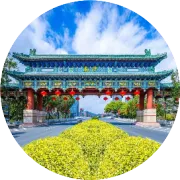

Overview of Zhujiang Subdistrict
Zhujiang Subdistrict is situated in the central part of Nansha District, Guangzhou, on the western bank of the Jiaomen Waterway of the Pearl River. It faces Nansha Subdistrict across the river to the east, connects to Hengli Town via the Xiahengli Bridge and Fenghuang Bridge to the north, borders Hengli Town to the west, and adjoins Wanqingsha Town to the southwest. Established on October 30, 2008, its history traces back to the Dongguan County Mingluntang Model Farm founded in the 1940s. After multiple administrative adjustments, it was eventually incorporated into the formal administrative divisions. The area is traversed by Lingxin Highway for 10 km and the Nansha Port Expressway for 5 km, featuring an extensive water network. Nine canals (First to Ninth Canal) connecting the Jiaomen Waterway and Hongqili Waterway run parallel from north to south, showcasing the distinctive Lingnan watertown landscape.
The subdistrict covers a total area of 41.5 square kilometers and comprises 9 communities. As of 2024, it has a registered population of approximately 24,000 and a permanent population of around 45,000, including over 4,000 returned overseas Chinese and their relatives. Currently, Zhujiang Subdistrict serves multiple strategic functions, including being part of the Pilot Free Trade Zone, the Nansha Hub pioneer launch area, and the core functional zone of the Nansha Science City. It boasts significant locational advantages and holds strategic importance. With the comprehensive development of the Nansha Hub underway, Zhujiang Subdistrict is accelerating its transformation into a "hub gateway, sci-tech innovation hub, and city of the future" within the Guangdong-Hong Kong-Macao Greater Bay Area, striving to build a dynamic New Zhujiang.
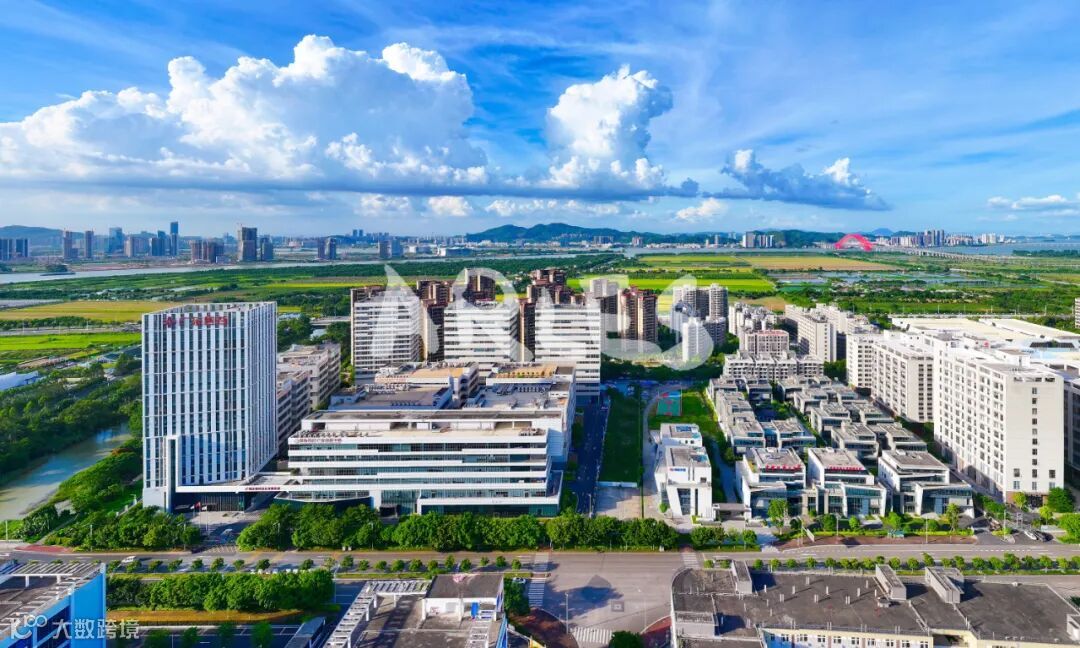
1. Qing Dynasty to 1949: Early Development and Agricultural Origins
Zhujiang Subdistrict is located in the northeastern part of the Wanqingsha Polder, with its landmass forming during the Qianlong and Jiaqing eras of the Qing Dynasty, making it the earliest formed land in the Wanqingsha Shoal. During the Qing Dynasty, the Tanka people (boat-dwelling communities) of the Pearl River Delta moored their boats, fished, and farmed here. The population gradually gathered and expanded towards the Fifth Canal, forming a small-scale market town. Before the founding of the People's Republic of China, the Dongguan County Mingluntang Model Farm was established here. The farmers working these sandy fields mostly came from Dongguan, Panyu, Shunde, and Zhongshan. In November 1949, the Dongguan County Wanqingsha Takeover Office took over this farm and absorbed over 200 sandy field farmers as employees, laying the foundation for subsequent administrative establishment.
2. Early 1950s - 1970s: Establishment and Consolidation of the Overseas Chinese Farm
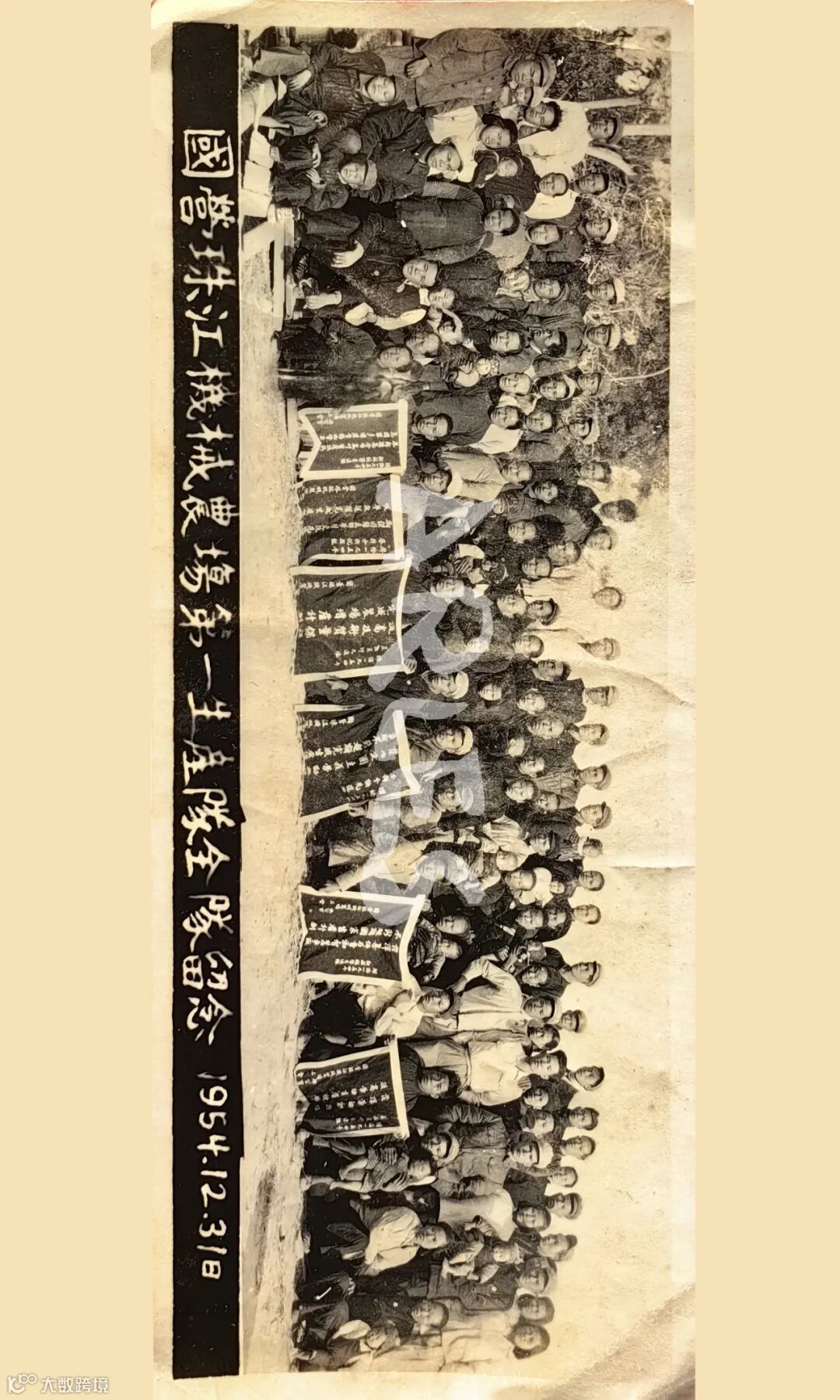
In December 1951, the People's Government of Guangdong Province established the nation's first overseas Chinese farm – the Guangdong Committee for Handling Returned Impoverished Overseas Chinese Farm – in the area of the Second Canal in Wanqingsha, specifically to receive and settle returned impoverished overseas Chinese. After subsequent mergers and name changes, it was successively known as the Guangdong Wanqingsha Collective Overseas Chinese Farm and the Guangdong Wanqingsha State-Owned Zhujiang Mechanical Farm. In 1978, it was renamed the "Guangdong Zhujiang Overseas Chinese Farm," establishing a development framework centered around the overseas Chinese farm.
3. 1988 - 1990s: Municipal Management and Establishment of the Management Zone
In August 1988, the Zhujiang Overseas Chinese Farm was transferred from provincial to Guangzhou City management. To advance structural reforms, the Guangzhou Municipal Government approved the establishment of the "Guangzhou Zhujiang Management Zone" in January 1992, granting it county-level administrative and economic management authority. It operated under a management model of "three names with one administrative team" alongside the Zhujiang Overseas Chinese Farm and the Guangzhou State-Owned Zhujiang Overseas Chinese Agriculture-Industry-Commerce Union Company. In June 1998, the Management Zone was adjusted to a Guangzhou unit managed according to civil service regulations, deepening the reform separating government and enterprise functions.
4. 2002 - 2008: Integration into Nansha and Establishment as a Subdistrict
In October 2002, the Zhujiang Management Zone was wholly transferred into the Guangzhou Nansha Development Zone, becoming its subordinate full department-level administrative unit. Following the transfer of social functions and the separation of government and enterprise, on October 30, 2008, with the approval of the provincial and municipal governments, the Zhujiang Management Zone was officially abolished, and the Zhujiang Subdistrict Office of Nansha District, Guangzhou was established. With a total area of 41.5 square kilometers and governing 9 communities, it completed the institutional transition from an overseas Chinese farm to an urban subdistrict.
5. Post-2008 to Present: Strategic Positioning and New Development
After its establishment as a subdistrict, Zhujiang was integrated into the core development area of Nansha New District, undertaking multiple strategic functions including being part of the Pilot Free Trade Zone, the Nansha Hub pioneer launch area, and the core functional zone of the Nansha Science City. With the comprehensive launch of the Nansha Hub construction, Zhujiang Subdistrict is accelerating its development as the "Hub Gateway, Sci-Tech Innovation Highground, and City of the Future" within the Guangdong-Hong Kong-Macao Greater Bay Area.
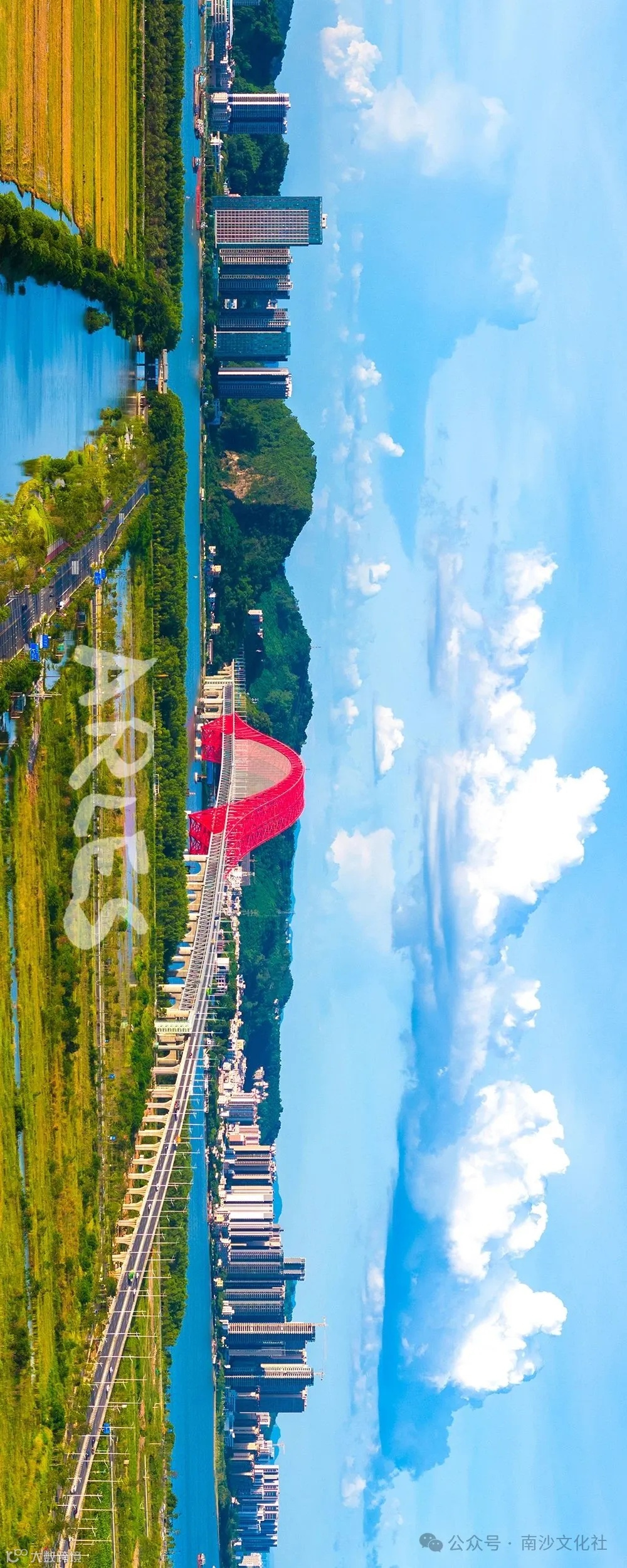
【Geographical Setting】
Zhujiang Subdistrict is located in the alluvial plain of the Pearl River Delta and the densely networked estuary area of the Pearl River. The terrain is generally low-lying, with an average elevation of approximately -0.3 meters relative to the Pearl River water level, classifying it as a typical low-lying sandy field area. The land consists primarily of alluvial soil, characterized by deep layers and fertile earth. The upper strata are dominated by marine sediments, while the lower strata consist mainly of terrestrial sediments, with the overall soil layer reaching a thickness of up to 25.42 meters. The area features a crisscross network of rivers and canals, and the drainage and irrigation channels within the embankments are rich in naturally breeding fish and shrimp resources, earning it the reputation as a "land of fish and rice." The daily tidal fluctuations, occurring twice daily, provide excellent drainage and irrigation conditions. Coupled with fertile land and a suitable climate, the area is highly suited for cultivating various subtropical crops such as rice, sugarcane, lotus root, vegetables, bananas, lychees, mangoes, longan, as well as trees, flowers, and plants.
The region enjoys a subtropical monsoon maritime climate, situated south of the Tropic of Cancer, with abundant sunshine, plentiful rainfall, and humid air. The four seasons are distinct: summers last up to six months but are rarely excessively hot; winters are relatively short and seldom severely cold; springs are often overcast and rainy, while autumns are characterized by clear, crisp weather. The average annual temperature is 23.6°C, with an annual temperature range of 14.7°C. Average annual rainfall measures approximately 1646.9 millimeters, concentrated mainly during the rainy season from April to September. The average annual relative humidity is 79%, and the average wind speed is 2.2 meters per second. Southeasterly winds prevail in summer, shifting to northerly winds in winter. The area is also part of a strong thunderstorm zone, with an average of 78.3 thunderstorm days per year, often accompanied by thunderstorm gusts, heavy rainfall, and intense lightning. During summer and autumn, the region is affected by an average of 3–4 tropical cyclones, while winter brings 1–2 strong cold air intrusions. Other meteorological phenomena impacting agricultural production include prolonged low temperatures with rain, late spring cold spells, cold dew wind, and frost wind.
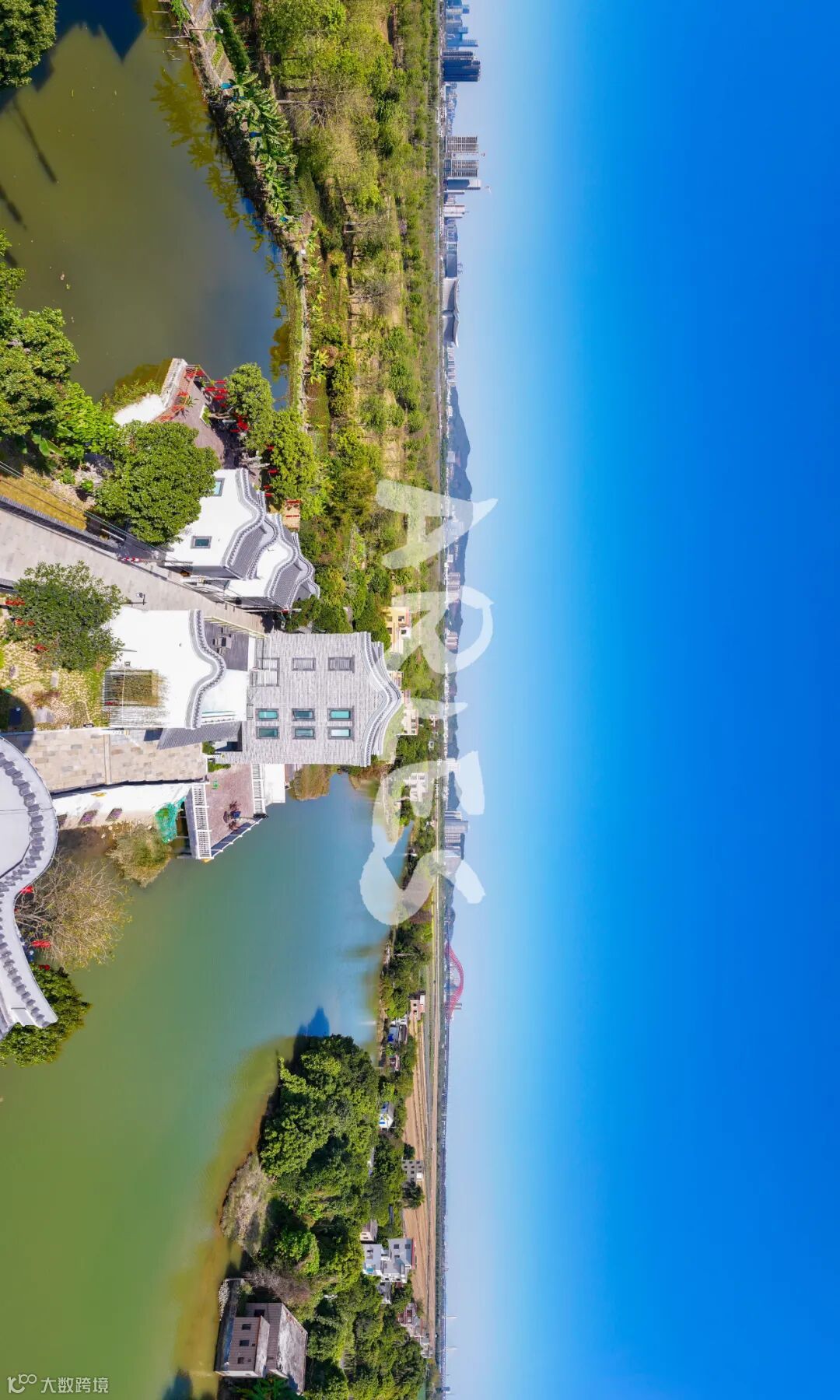
【Tourist Attractions】
Zhujiang Subdistrict in Nansha District, Guangzhou, is a delightful leisure destination that blends Lingnan watertown charm, modern pastoral pleasures, and diverse overseas Chinese culture. Its flagship project, the "Qianfeng Waterfront Village" new rural demonstration zone, is located in Qianfeng Community. Leveraging its rich heritage of Tanka culture, returned overseas Chinese, land reclamation, and educated youth history, it is being developed into a comprehensive cultural and tourism block that deeply integrates nature and humanity. The overall project progress currently exceeds 60%. The startup section (Phase I) is scheduled to open officially by the end of 2024, while the entire demonstration area is expected to welcome the public by the end of 2025, becoming a significant window into Nansha's local cultural characteristics.
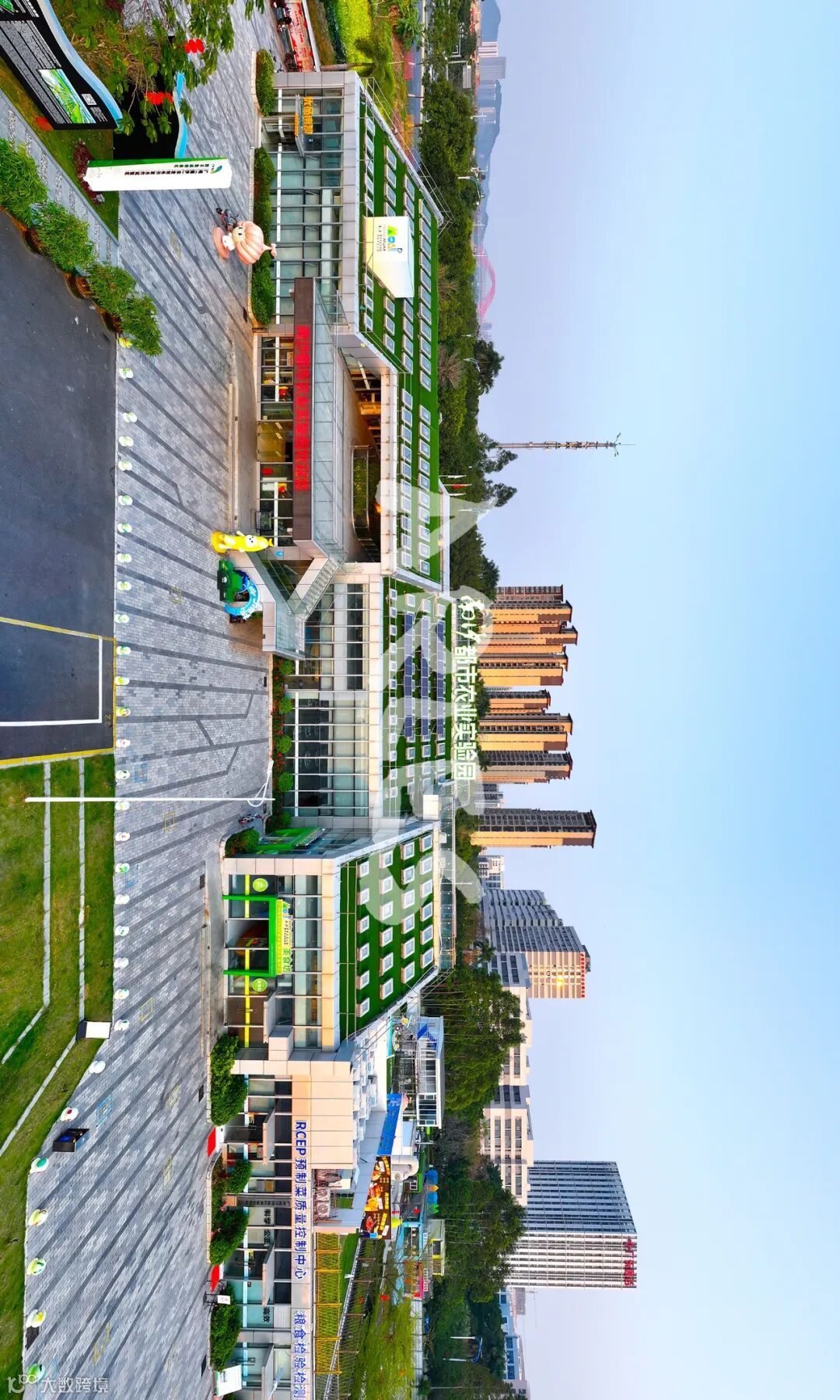
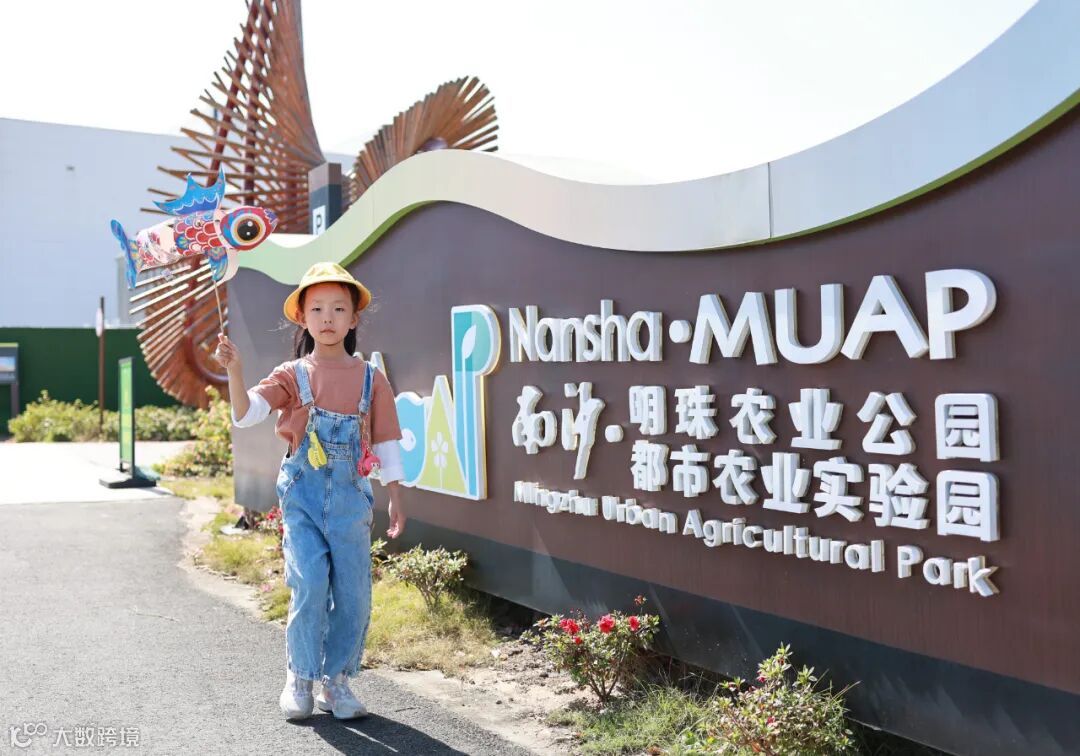
In terms of agricultural and pastoral experiences, the nationally accredited AAA tourist attraction—Nansha Urban Agricultural Experimental Park (Nansha Mingzhu Agricultural Park)—is vast, with a planned area of approximately 10,300 mu. The park features not only sightseeing areas such as a rice research and learning zone, a Southern Chinese Medicinal Herb Garden, and a Spice Garden but also a "Happy Farming Garden" where residents can adopt vegetable plots for an immersive experience in modern agriculture. Additionally, the cultural and creative park project, transformed from the Nansha Agricultural Group Grain and Oil Processing Plant, has commenced. Through minor renovations, it will create a vibrant community integrating waterfront commerce, cultural and artistic displays, and landscape-based research and learning, expected to begin trial operations in December 2024.
Evenings in Zhujiang Subdistrict are equally vibrant. The Chuangxin Valley Night Market, located in the central area of the Zhujiang Innovation Valley, has officially opened. Dozens of food stalls offer a variety of delights, from traditional snacks to specialty barbecues, providing a lively new consumption scene for park employees and nearby residents and effectively boosting the night-time economy.
In cultural heritage and culinary experiences, Zhujiang Subdistrict is equally distinctive. The Zhujiang Overseas Chinese Farm History and Culture Museum, along with IP images like "Qiao Xiao Zhu" and related cultural and creative activities, continuously enliven the profound "overseas Chinese culture." Culinary offerings are highlighted not only by signature agricultural products such as "Wanzhu Black Treasure Pork," "Yulu Bay Lobster," and "Yulu Melon" but also by returned overseas Chinese specialties like Vietnamese braised pork belly and pandan nine-layer cake, allowing visitors to savor authentic Southeast Asian flavors without leaving the country.
Recommended Tour Route: Nansha Urban Agricultural Experimental Park → "Qianfeng Waterfront Village" New Rural Demonstration Zone → Chuangxin Valley Night Market.
【History and Culture】
The profound transformation of Zhujiang Subdistrict began with the vast South China Sea. Over two hundred years ago, this area was still an expanse of ocean known as the "Wuzhu Ocean." Benefiting from the silt carried by the three major waterways of the Pearl River—the East River, West River, and North River—which converged and deposited at outlets such as Humen, Jiaomen, and Hongqili, the earliest landmass of the Wanqingsha Shoal emerged around the area of the present-day Third Canal in Zhujiang Subdistrict during the Qianlong and Jiaqing eras of the Qing Dynasty. This marked the beginning of the long process of land formation, described poetically as "where fish swim and cranes stand, sand flats gradually appear."
As the sandy fields emerged, the early pioneers—the Tanka people—arrived by boat. They moored their vessels here for fishing, came ashore to farm, and established the earliest production and settlement points. However, this continuously expanding fertile land also sparked disputes over administrative jurisdiction, with Dongguan and Xiangshan counties entangled in years of litigation over the sandy fields. It was not until 1849 that the two counties surveyed and demarcated the boundary, digging a dividing channel. The eastern part of Wanqingsha was officially assigned to Dongguan County and allocated to the Dongguan Mingluntang as school-owned farmland. Organized by the Mingluntang, large-scale land reclamation and development accelerated. By the late Qing Dynasty, the sandy fields had extended to the Eleventh Canal, laying the foundation for an agricultural settlement.
As the wheel of history rolled into the 20th century, the role of this land underwent a profound transformation. In 1951, the nation's first overseas Chinese farm—the "Guangdong Committee for Handling Returned Impoverished Overseas Chinese Farm"—was established here, later renamed the "Guangdong Zhujiang Overseas Chinese Farm." It became a welcoming harbor for overseas compatriots, successively settling over ten thousand returned impoverished overseas Chinese from countries such as Malaysia, Indonesia, and Vietnam. A unique overseas Chinese culture took root here, with Southeast Asian flavors like Vietnamese braised pork belly and pandan cake becoming part of the local cuisine. Subsequently, in the 1960s and 1970s, nearly three thousand educated youth heeded the call, moving from cities to this area. They devoted their youth and passion to land reclamation, production, and militia building. The "wave of educated youth" and the "spirit of overseas Chinese" interwove here, collectively shaping the multicultural, inclusive, and dedicated cultural fabric of the Zhujiang area.
Entering the new century, Zhujiang Subdistrict welcomed its third "metamorphosis." In 2008, the structural reform of the Zhujiang Overseas Chinese Farm led to the official establishment of the Zhujiang Subdistrict Office, marking the modern transition from a farm to an urban subdistrict. Today, this land has been endowed with a new mission of the times: it is not only a place承载ing the sci-tech innovation dreams of the Nansha Science City and the Guangdong-Hong Kong-Macao Greater Bay Area—epitomized by the "Biomedical Valley and Chip Hub"—but also, through projects like the "Qianfeng Waterfront Village," it revitalizes the watertown, overseas Chinese, and educated youth cultures, creating nostalgic cultural and tourism landmarks.
From turbulent waves to sprawling sand shoals, from Tanka boats to homes for returned overseas Chinese, from the fervor of educated youth to blueprints for sci-tech innovation—each transformation of Zhujiang Subdistrict is a profound echo of the tides of time. The story of this vibrant land continues to be written amid the surging tides of the Pearl River.
【Commercial Hubs】
1. Industrial Platforms and Technology Enterprise Clusters
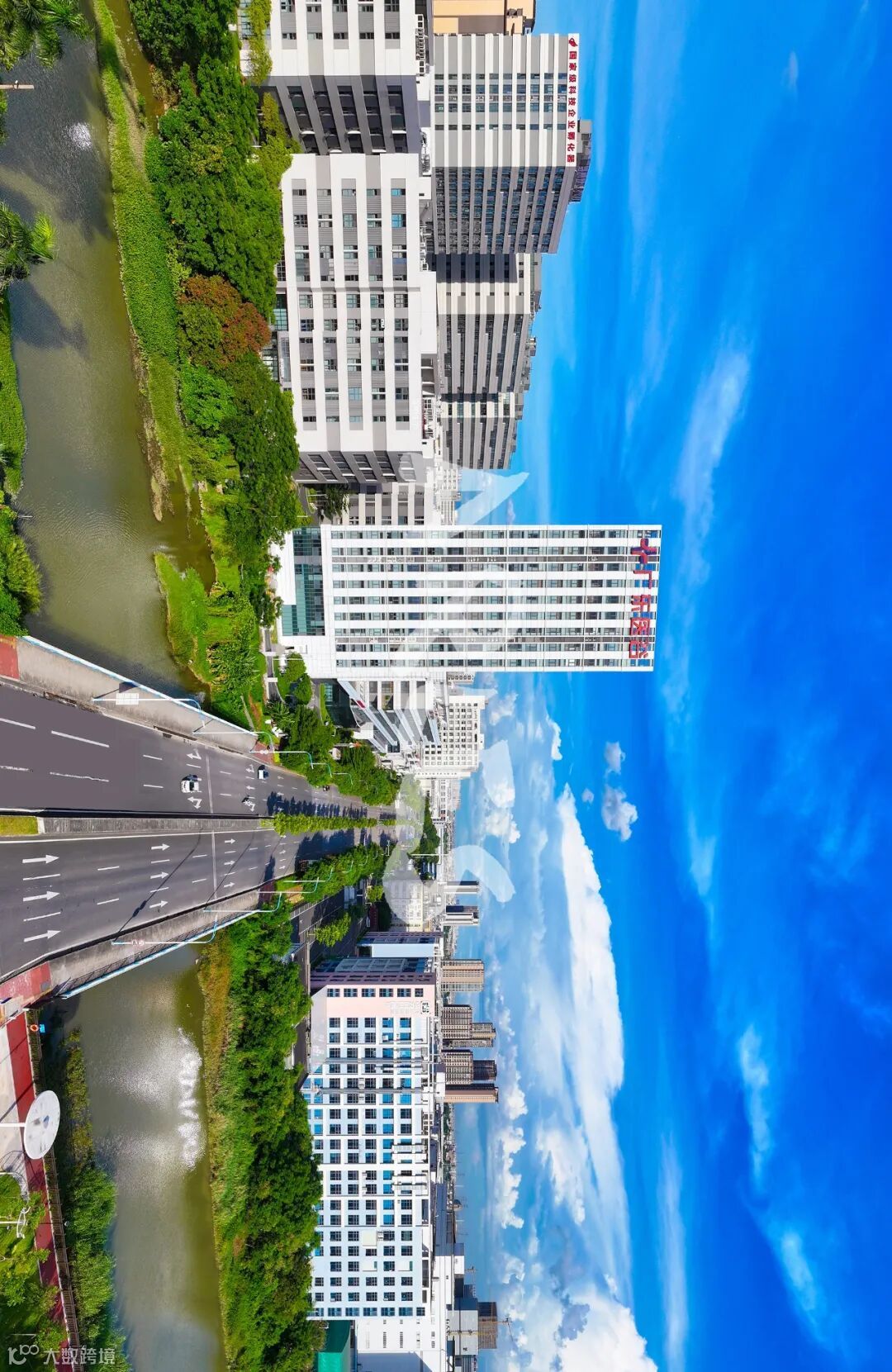
Zhujiang Subdistrict demonstrates robust industrial strength. In 2024, the total output value of industries above the designated size reached 26.283 billion yuan, ranking third in the district by volume and maintaining a high year-on-year growth rate of 17.4%. This dynamic area hosts over 120 industrial enterprises above the designated size, including 1 leading enterprise with an output value exceeding ten billion yuan and 6 with output values exceeding one billion yuan, such as Hualing Refrigeration, Midea Refrigerator, Guangzhou Paper Co., Ltd., Tongze Kangwei, among others.
This vitality stems from a high-quality industrial ecosystem and sustained investment in innovation. The subdistrict is home to major industrial development and scientific research platforms like Guangdong Medical Valley, Zhujiang Innovation Valley, and the Chinese Academy of Sciences Mingzhou Science Park. Here, innovative achievements continuously emerge: the domestic first low-altitude aircraft wind tunnel test platform has completed construction and testing, and the national first gene therapy and stem cell therapy projects have also successfully been established. The strong growth momentum has attracted numerous high-quality enterprises, with nearly 50 excellent projects introduced in the first half of 2025 alone.
2. Medical Valley Research Institutions and Innovation Momentum
In the biomedical field, Zhujiang Subdistrict exhibits strong capabilities in integrating scientific research and industry. The Guangdong Provincial Hospital of Traditional Chinese Medicine (TCM) National Medical Center (including the Guangdong Provincial Academy of Chinese Medical Sciences), located in the subdistrict, has officially commenced construction and is expected to be completed in 2028. This project will integrate resources from "medical care, education, research, industry, and government," aiming to build a medical hub for the Guangdong-Hong Kong-Macao Greater Bay Area and a bridgehead for TCM's global expansion. The industrial clustering effect is equally evident, with platforms like Guangdong Medical Valley continuously attracting and nurturing innovative enterprises. For instance, Linnan Gene has settled here and successfully implemented the nation's first clinical application of cell and gene therapy for thalassemia. The establishment of a non-invasive cardiac function testing equipment production base further enriches the regional biomedical industry landscape.
3. Business District Development and Locational Prospects
Although the current development of commercial circles in Zhujiang Subdistrict is still in its early stages, its future potential is immense, primarily due to its unique location and transportation advantages. The subdistrict boasts access to the Wanqingsha Station on Metro Line 18 and is adjacent to the planned Nansha Station comprehensive transport hub. The latter is scheduled to be completed and operational by 2028 and is envisioned to become a "super comprehensive transport hub" integrating 5 railway lines, 4 intercity rail lines, and 5 metro lines. According to the plan, the Nansha Hub area will be developed into Guangzhou's modern service zone for a hub gateway, with plans to attract a population agglomeration of nearly 250,000 people. This lays a solid foundation for the future formation and prosperity of commercial circles. It is foreseeable that with the continuous influx of industries and people, coupled with the completion of the Nansha Hub, the commercial atmosphere in Zhujiang Subdistrict will rapidly improve, positioning it to become a new consumption center and vibrant urban area in Nansha.
Education Support
The Zhujiang Subdistrict area includes schools such as Jia'an Primary School and Zhujiang Primary School. It is worth mentioning that the Guangdong Second Normal University Affiliated Nansha Zhujiang School offers a Hong Kong and Macao Students Class for the first year of junior middle school. In 2025, it will enroll no more than 50 students from across the city, who will be integrated into classes with local students. For preschool education, the Guangzhou Nansha District Zhujiang Subdistrict Central Kindergarten (Tong'antai Campus) (formerly the Zhujiang Third Area Kindergarten) is a district-level kindergarten and a Guangzhou Safe and Civilized Campus, providing educational resources for age-eligible children in the area. Furthermore, educational resources in Zhujiang Subdistrict are continuously expanding. Located within the Nansha Hub sector, a 48-class primary school and a 36-class complete secondary school are under construction, both expected to be completed in 2026. Upon project completion, they are projected to provide approximately 3,960 student places, further meeting the future enrollment needs of the area.
Healthcare Services
The Guangdong Provincial Hospital of Traditional Chinese Medicine (TCM) Nansha Hospital, located in Zhujiang Subdistrict, is under construction. The main structure of the project has been accepted, and specialized medical works are currently underway. More notably, the adjacent Guangdong Provincial Academy of Chinese Medical Sciences (a component of the Guangdong Provincial Hospital of TCM National Medical Center) has also officially commenced construction. It is expected to be completed in 2028 and will focus on scientific research, innovation, and the transformation of achievements in Traditional Chinese Medicine. Within the primary healthcare network, the Zhujiang Subdistrict Community Health Service Center is a crucial component, continuously enhancing its service capacity through equipment procurement. Additionally, service points within the subdistrict are being optimized; for instance, the Qianfeng Community Health Service Station recently completed a change in its practice address. Simultaneously, medical institutions established by social forces are beginning to appear in the jurisdiction, such as the approved Yidengtang Comprehensive Clinic, further enriching residents' healthcare options.
Infrastructure
1.Highway Network: Lingxin Highway, Nansha Port Expressway, and Fenghuang Avenue form the main internal road network framework of the subdistrict, ensuring smooth connectivity within and beyond the area.
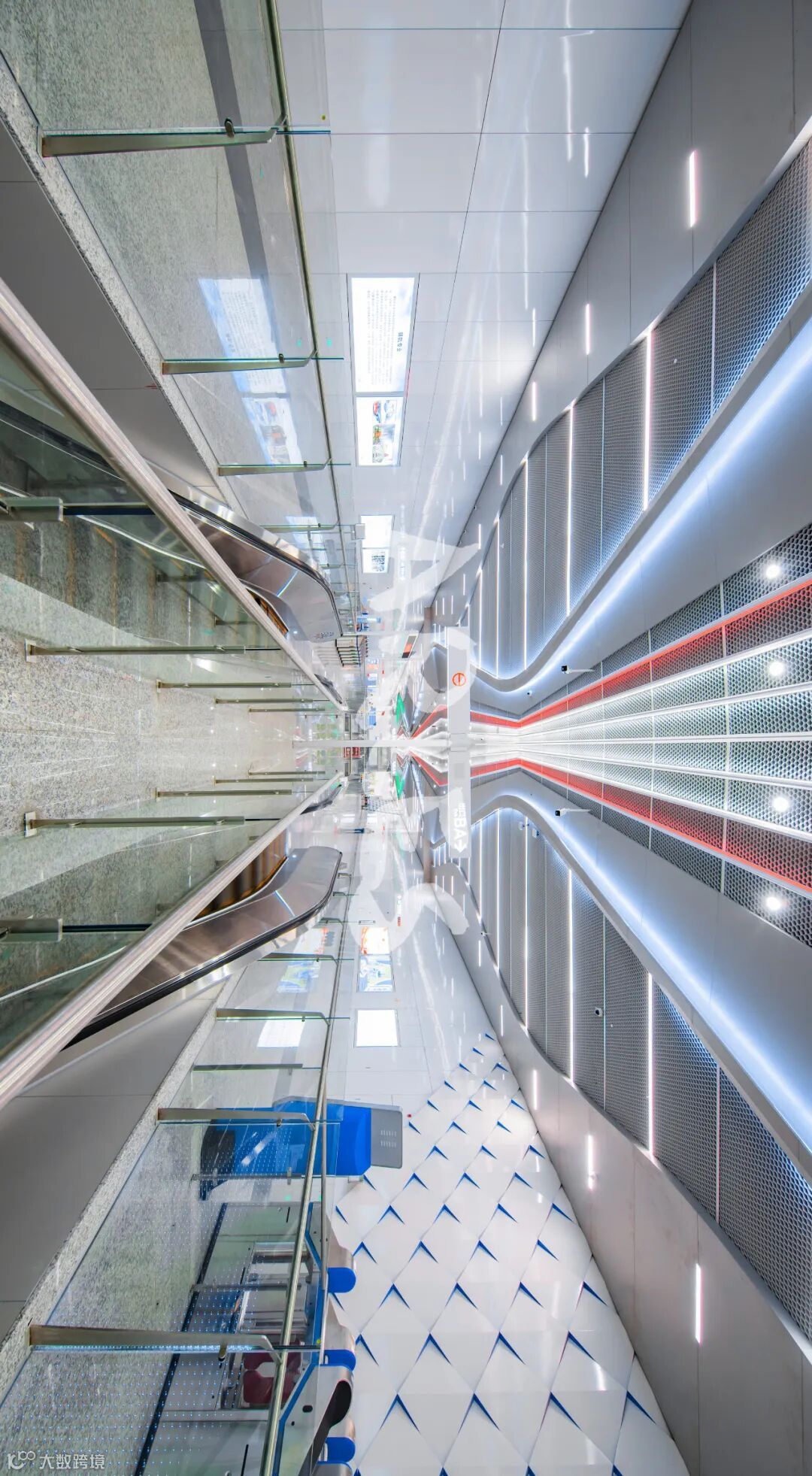
2.Core Hub - Nansha Station: The Nansha Station, located in Zhujiang Subdistrict, is a key project. This planned "super hub," envisioned to surpass Guangzhou Baiyun Station in scale, is expected to be completed by the end of February 2028. Its long-term plan includes 14 platforms and 29 tracks, intending to incorporate several railway lines such as the Nansha Port Railway, Shenzhen-Maoming Railway, and Guangzhou-Zhongshan-Zhuhai-Macao High-Speed Railway, while also integrating Metro Line 18, Line 15, and the Line 4 duplicate. It aims to create a demonstration zone for station-city integration.
3.Rail Transit: In addition to the lines connecting to Nansha Station, the NZC Intercity Railway (formerly the Nansha-Zhongshan Intercity Railway) has commenced construction. Its starting point in Nansha District, Guangzhou is Wanqingsha Station, and it is planned to operate through-services with Guangzhou Metro Line 18 in the future.
4.Regional Connectivity: In the future, leveraging Nansha Station, Zhujiang Subdistrict is expected to achieve effective travel within 1 hour to major Greater Bay Area cities like Shenzhen, Zhuhai, and Foshan. This will significantly improve commute efficiency and strengthen core connections within the Guangdong-Hong Kong-Macao Greater Bay Area.
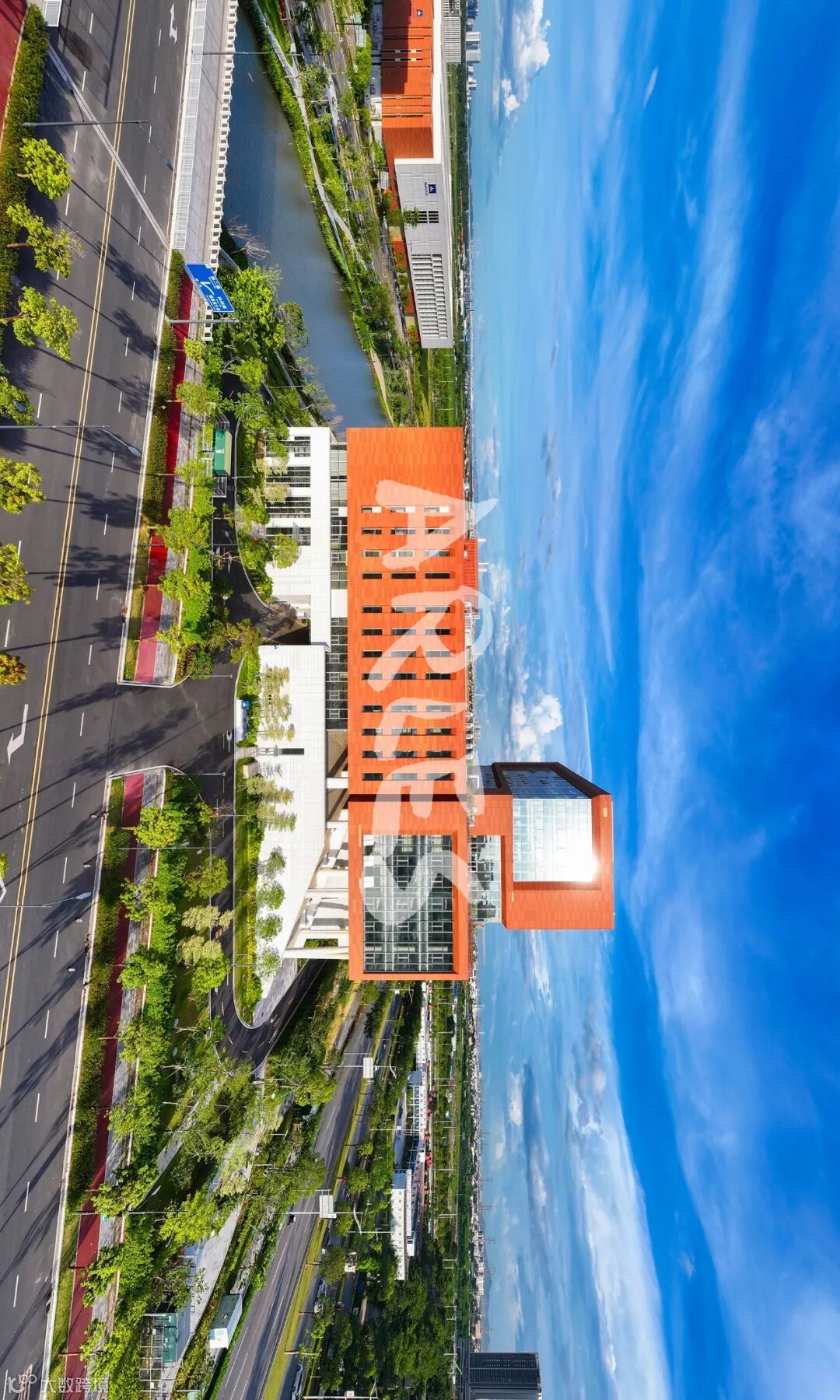
How about a visit to this dynamic corner of Nansha - Zhujiang Subdistrict?
Produced By: Nansha Cultural Society
Editor: Xuan Wang
Photography: Xiaotie Chen
Model: Nicole
Contact Us: 1399229194@qq.com