

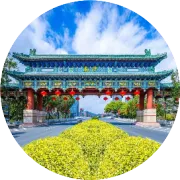

Overview of Huangge Town
Huangge Town is a historic and culturally rich ancient town in Nansha District, Guangzhou City, with a total area of 60.74 square kilometers. Its location is strategically significant: to the east, it faces the Lion Sea and looks across the water towards Dongguan City. The Big and Small Tiger Islands in the east guard the key maritime access route to Guangzhou. To the southeast, it borders Nansha Subdistrict, while to the south, it is separated by the Jiaomen Waterway from Hengli Town. To the west and north, it connects with Dongchong Town, and to the northeast, it looks across the Lotus Mountain Waterway towards Haiao Island of Shilou Town. Two of the eight major estuaries of the Pearl River Basin—Humen and Jiaomen—are located within the town's territory, highlighting its crucial role as a land and water transport hub.
Historically known as Huangqijiao and Daliangjiao, the town was renamed Huangjiao in the early Republic of China era. The origin of its current name, Huangge, has two explanations. One account attributes it to the Tang Dynasty chancellor Zhang Jiuling, who, during his travels south, was so captivated by the scenic landscape that he named the village's rear hill "Phoenix Pavilion" (Fenghuang Ge), from which the village derived its name. Another version traces it to the ninth year of the Xianchun era in the Southern Song Dynasty (1273), when Mai Bida and his four brothers migrated from Zhuji Lane in Nanxiong and settled here, naming the area "Phoenix Pavilion." During the Song Dynasty, it was abbreviated as "Huangge," symbolizing the residence of high-ranking officials. With a history of nearly 800 years since the Mai family established the village, Huangge was officially designated as a town in 1987. It now administers 10 village committees—Dongli, Lianxi, Datang, Dajing, Nanyongkou, Wuzhou, Liudong, Xinhai, Xiaohu, and Shazai—as well as the Huangge Community Neighborhood Committee and Dongfeng Farm. The town has a registered population of 53,400, a migrant population of approximately 37,300, and a permanent resident population of 75,800, reflecting a dynamic urban character where tradition and modernity coexist.
I. Tang, Song, Ming, and Qing Dynasties
1.The establishment of Huangge Town can be traced back to the Tang Dynasty, when it was under the jurisdiction of Dongguan County.
2.In the 22nd year of the Shaoxing era of the Southern Song Dynasty (1152), its administrative affiliation was transferred from Dongguan County to the newly established Xiangshan County (now Zhongshan City), where it was known as "Huangqijiao Village, Guhai Township, Xiangshan County."
3.In the 9th year of the Xianchun era of the Southern Song Dynasty (1273), Mai Bida and his brothers migrated with their family from Zhuji Lane in Nanxiong to settle here. This is widely regarded as the documented founding of Huangge, with a history of over 750 years.
4.During the Yuan and Ming Dynasties, Huangge remained under the administration of Xiangshan County, initially part of Guangzhou Road and later Guangzhou Prefecture.
5.In the Ming Dynasty, it was incorporated into the Huangqi Du administrative division under Xiangshan County.
6.The Qing Dynasty followed the Ming system, with Huangge continuing to belong to Xiangshan County under Guangzhou Prefecture.
II. Republic of China Period
In the early years of the Republic of China, the name of Huangge was changed from "Huangqijiao" to "Huangjiao."
III. After the Founding of the People's Republic of China
The administrative divisions of Huangge were adjusted once again.
1.In 1959, Huangge was transferred from Zhongshan County to Panyu County.
2.In 1987, it was officially designated as Huangge Town.
3.With regional economic development, Panyu County was converted into a county-level city in 1992, and Huangge Town accordingly came under the administration of Panyu City. In 2000, Panyu was integrated into Guangzhou as a district, and Huangge Town then became part of Guangzhou's Panyu District.
4.In 2005, to promote regional development, Guangzhou established Nansha District, and Huangge Town was fully transferred from Panyu District to Nansha District, becoming Huangge Town, Nansha District, Guangzhou City.
5.Notably, around 2024, Huangge Town underwent a significant administrative division adjustment, transferring originally governed areas such as Jiaomen Village, Tingjiao Village, Tanwei Village, Dongwan Village, Fenghuang Community, and Meishan Community to the jurisdiction of Nansha Subdistrict, forming its current administrative scope.
【Geographical Setting】
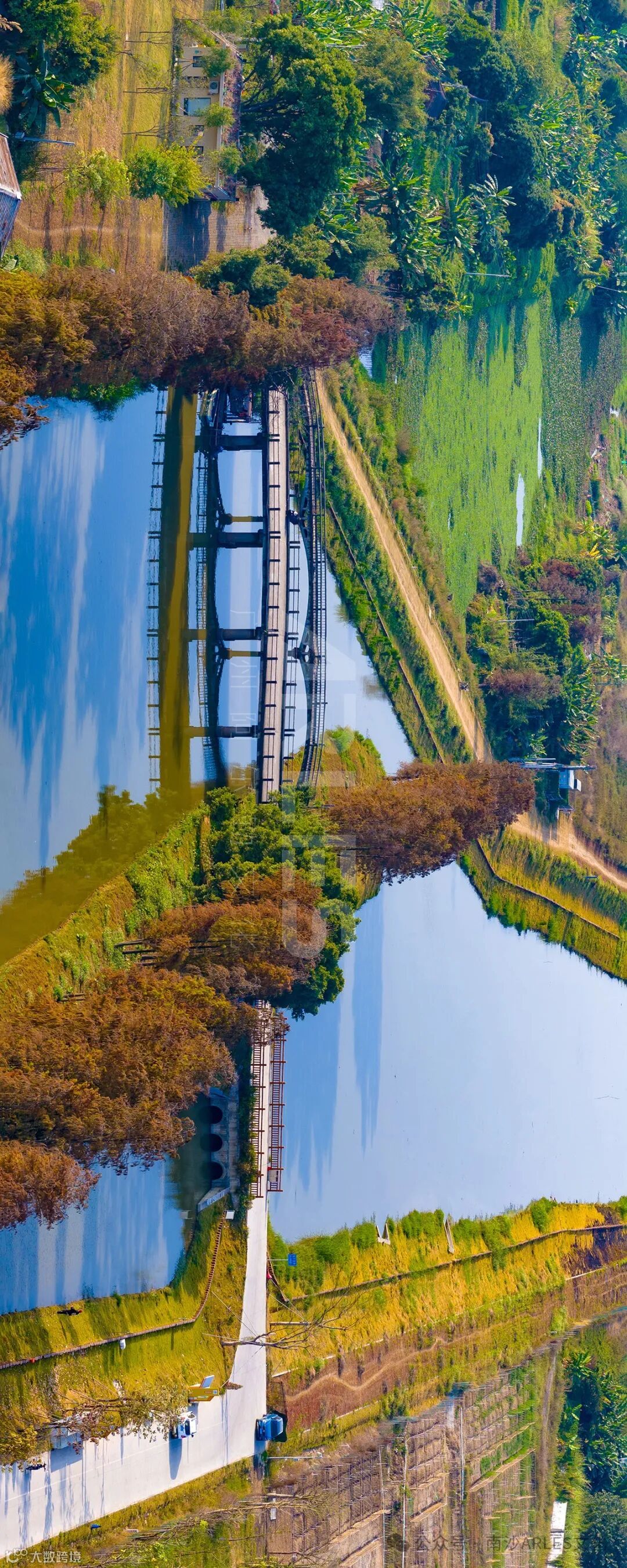
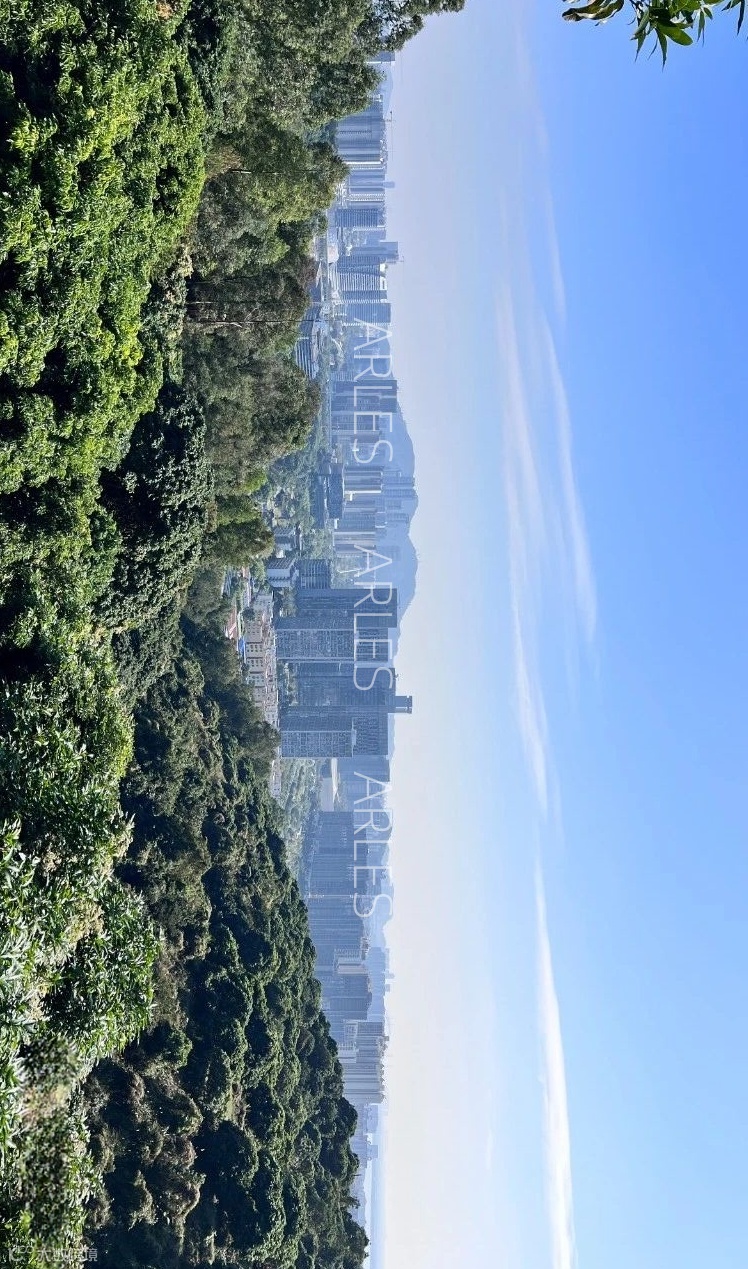
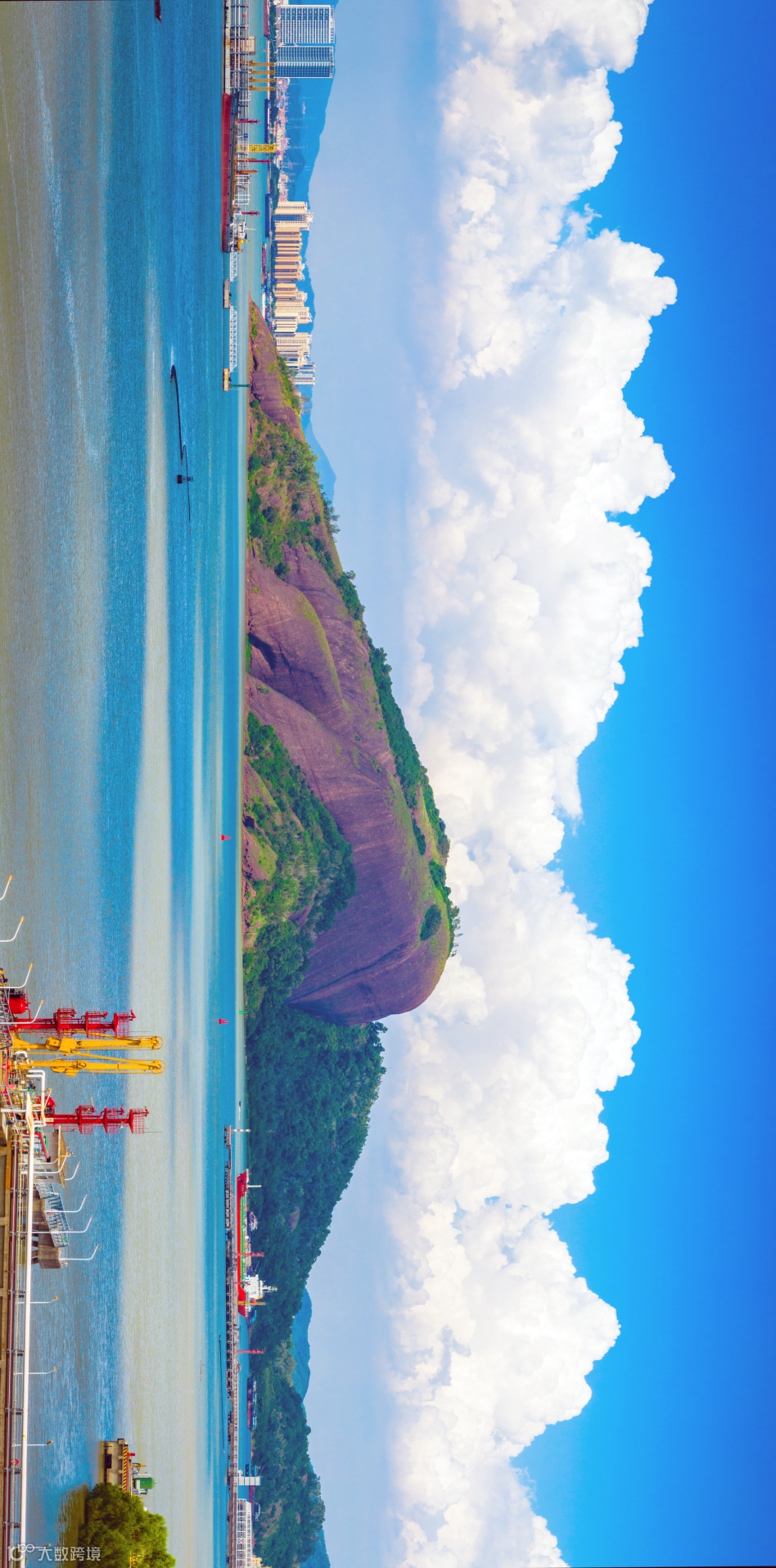
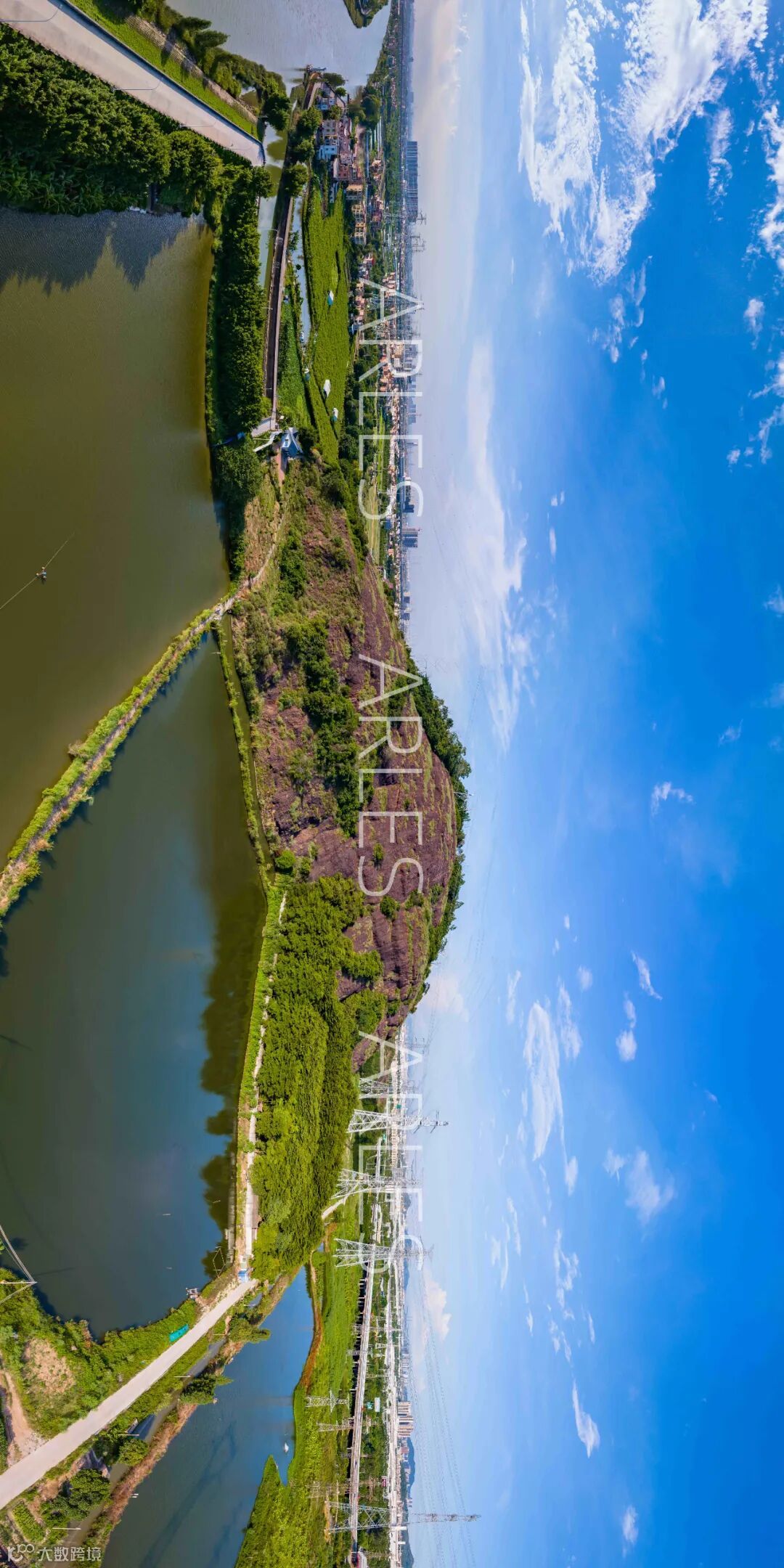
Huangge Town is located south of the Tropic of Cancer and enjoys a subtropical maritime monsoon climate characterized by warmth, abundant rainfall, and humidity. Summers are long, lasting over six months, while winters are short. The climate throughout the seasons can be summarized as follows: summers are hot but not extreme, and winters are mild without severe cold; spring is often overcast and rainy, while autumn is clear and pleasant. As a green and beautiful town with a pleasant environment and rich resources, Huangge is home to eight mountains, including Dashanna Mountain, Luqian Mountain, Songlu Mountain, Haotou Mountain, Fenghuang Mountain, Xiaohu Mountain, Dahu Mountain, and Liugang Mountain. Among them, Dashanna is the second highest peak in Nansha District, covering a total area of 9.46 square kilometers, with a main body area of 6.01 square kilometers. Its main peak, Yandun Summit, stands at an elevation of 224 meters. As an important ecological and scenic green core in Nansha District, it offers panoramic views of the development of the new Nansha area, including the central Jiaomen River area and the starting zone of Mingzhu Bay. Within the town, there are 18 inland rivers, 4 outer rivers, 66 ancient and notable trees, and a combined 3.3 kilometers of greenways along Wuzhou Chong and Dongli Xinhe Chong. In 2017, Huangge Town was awarded the title of one of the first "Guangdong Forest Towns" by the Provincial Forestry Department. In 2024, Huangge Avenue was included in Guangzhou's first list of characteristic scenic tree-shaded roads.
【Tourist Attractions】
I. Geographical Origins and Natural Resources
The geological foundation of Huangge Town was laid approximately 100 million years ago during the Yanshan Movement. Through prolonged natural evolution, it has developed a unique landscape featuring sea cliffs, marine erosion platforms, and alluvial plains. This land, nestled among mountains and facing the sea, boasts a beautiful environment and fertile soil, earning it the reputation of a "land of fish and rice." The area is rich in natural resources, with its aquaculture industry being particularly prominent. It is renowned for its production of Xiaohu shrimp, as well as migratory fish such as reeves shad, yellow croaker, and river eel. Additionally, the town possesses substantial granite reserves, which have been mined and utilized for over a century.
II. Historical Development and Topographical Changes
Since the late Southern Song Dynasty, migrants from the Central Plains moved south, reclaiming wasteland and settling here, initiating the systematic transformation of the natural environment. After centuries of development through the Song, Yuan, Ming, Qing, and Republic of China periods, coupled with continuous sedimentation from rivers, originally scattered islands and hills—such as Dashanna, Jigu Hill, and Wuzhou Hill—gradually connected, forming alluvial plains within a tidal river network area. Particularly after the 1950s, the government organized large-scale embankment construction and land reclamation, accumulating over 40,000 mu of reclaimed land by the 1990s. This ultimately shaped Huangge's distinctive geographical pattern of "one mountain, three waterways, and six sand fields."
III. Ecological Development and Modern Landscape
Entering the 21st century, Huangge Town has focused on planning ecological civilization construction, effectively balancing production, living, and ecological spaces. Today, from the summit of Dashanna, one can gaze upon vast, rolling forests and emerald-green peaks, all enveloped in lush greenery. Through continuous promotion of beautiful village initiatives, upgrading parks and squares, and emphasizing courtyard-style green design in residential areas, Huangge has created a livable environment for its residents, characterized by clear skies, clean water, and vibrant natural scenery.
IV. Tourism Resources After Administrative Adjustments
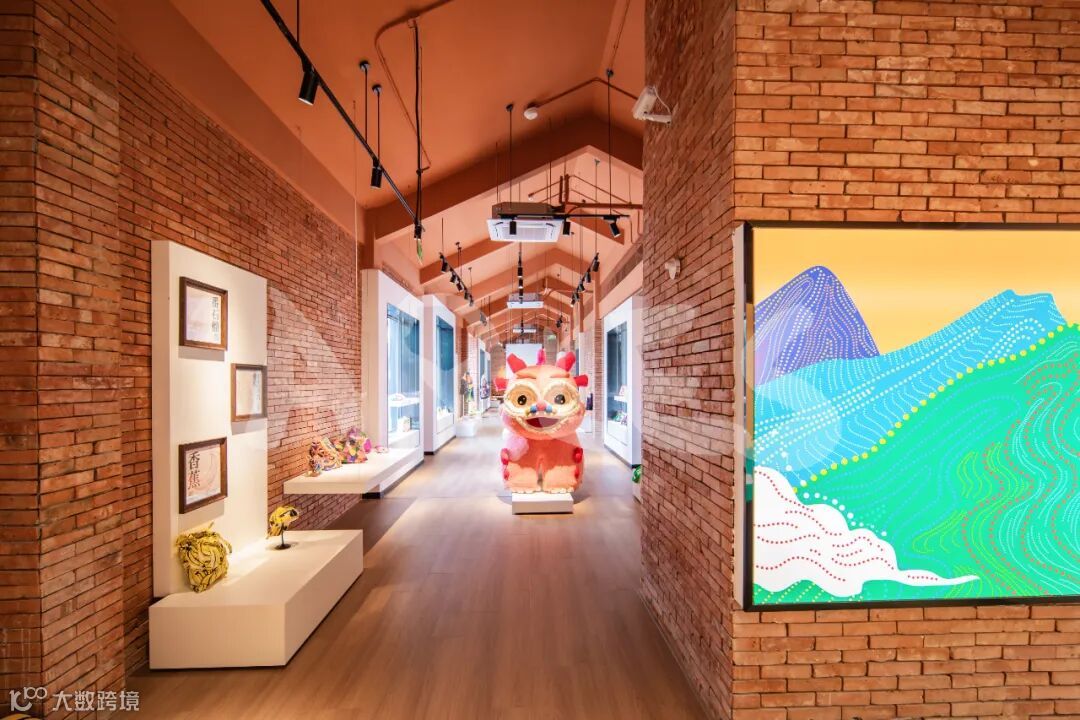
According to the administrative adjustments made around late 2023 to early 2024, Huangge Town now features distinctive tourism resources. In terms of history and culture, Lianxi Village serves as the core, housing the Mai Clan Ancestral Hall, the Qilin Culture Exhibition Hall, and summer lotus ponds. These are complemented by the Qilin dance in Datang Village and the "Dongli Red House" in Dongli Village, together forming a rich cultural landscape. For natural scenery, Dashanna offers a high vantage point for panoramic views, while the imposing Xiaohu Island and Dahu Island, standing proudly in the Lion Sea, form a unique scenic perimeter around the town with their pristine ecosystems and majestic landscapes.
【History and Culture】
Huangge Town: A Historical and Cultural Ancient Town
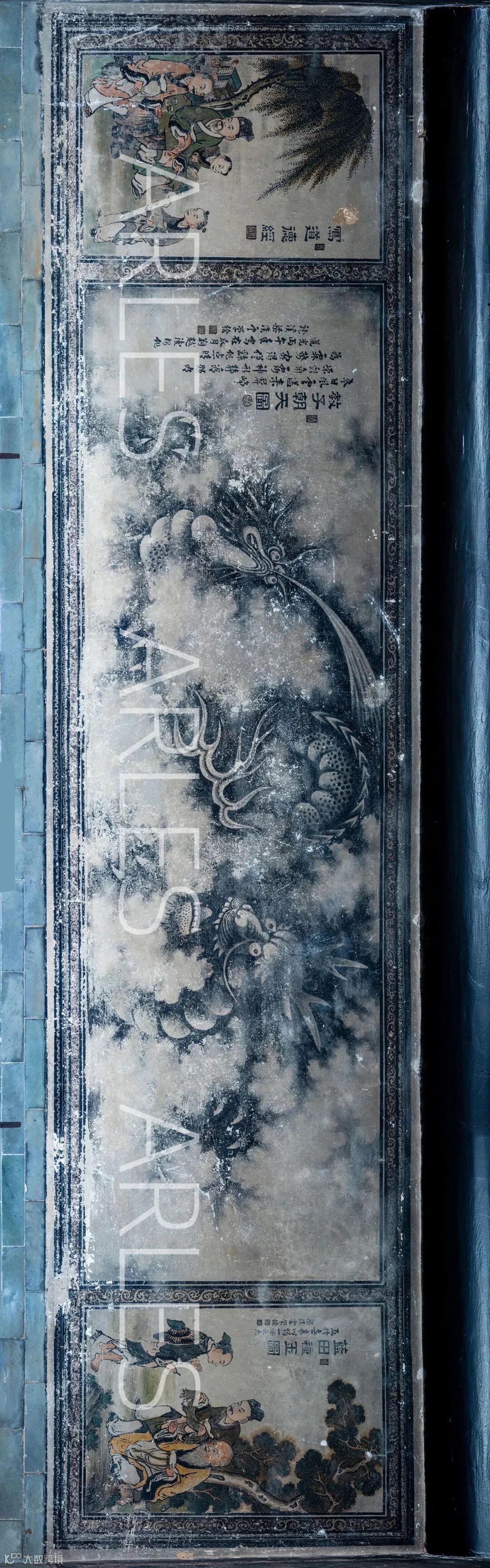
Huangge Town is a historic cultural ancient town renowned for its rich cultural heritage. It is home to 62 immovable cultural heritage sites, accounting for 60.1% of the total in the district. These include one provincial-level traditional village (Lianxi Village) and two municipal-level traditional villages (Dajing Village and Dongli Village).
The history of Huangge Town can be traced back to the late Neolithic Period. Artifacts unearthed on Xiaohu Island and at Meishan Chong in 1985 and 1986 provide evidence of early human settlement and livelihoods based on fishing and hunting. During the Song and Yuan dynasties, as the Panyu alluvial delta rapidly formed, migrants from the Central Plains—including the Mai, Zhang, Chen, and Li families—moved south and settled here. They built embankments, reclaimed land, introduced advanced agricultural techniques from the Central Plains, established clan-based villages, and constructed well-preserved ancestral halls such as the Mai Clan Ancestral Hall, laying the foundation for the development of ancient civilization in Huangge.
Coastal Defense Culture and Mazu Belief represent a vivid chapter in Huangge's history. Situated at the Pearl River estuary with strategically significant terrain, Huangge has long been a contested location. During the Ming and Qing dynasties, a comprehensive coastal defense system was established here to resist foreign invaders and pirates, including the Dahu Hill Fort and Jiaomen Fort. Closely linked to coastal defense culture is a deep-seated maritime faith. The Ancient Mazu Temple in Lianxi Village, with its long history and enduring incense offerings, is recognized as one of the Four Great Temples of Guangdong and serves as a spiritual anchor for local residents praying for maritime safety.
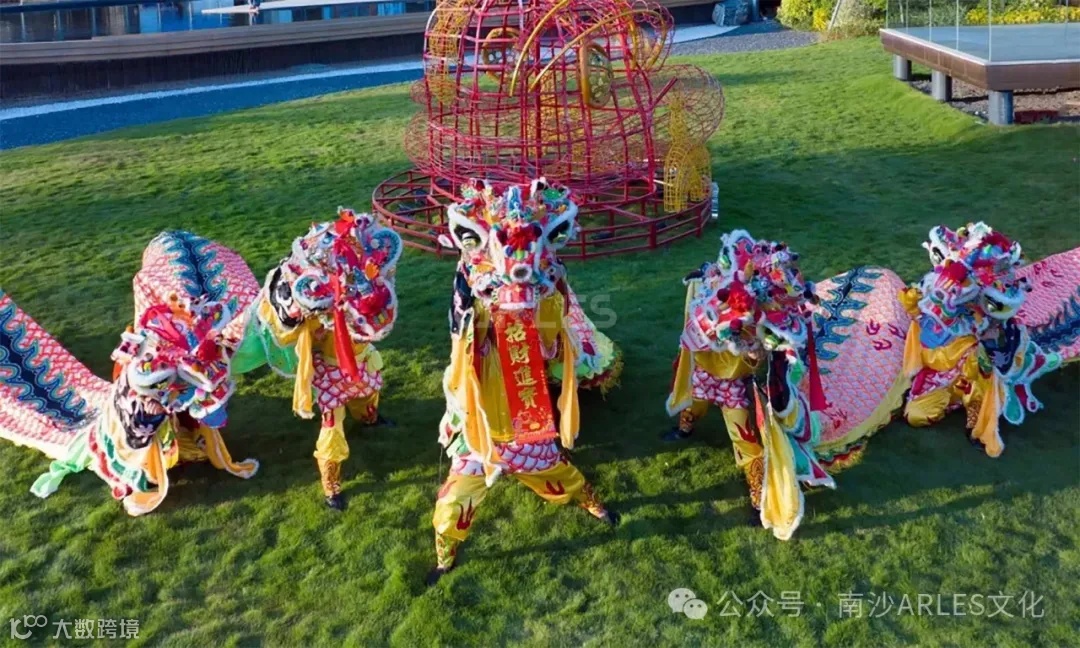
Intangible Cultural Heritage exemplifies the living transmission of Huangge's culture. Among these, the "Huangge Qilin Dance" stands out brilliantly. Integrating music, dance, crafts, and Southern Chinese martial arts, it has a history of over 200 years, is recognized as an Intangible Cultural Heritage of Guangdong Province, and has won the national "Shanhua Award," the highest honor in Chinese folk art. Under the efforts of inheritors like Mai Xiaofeng, the Qilin Dance continues to innovate while preserving traditional forms such as the "Eighteen Postures," even incorporating modern elements like hip-hop to enhance its contemporary vitality. Additionally, Huangge Roasted Pork (a district-level intangible cultural heritage) and the famous specialty agricultural product "Huangge Xiaohu Shrimp" (a National Geographical Indication Product) together constitute Huangge's unique culinary heritage.
Huangge's cultural depth is also encapsulated in its unique dialect. Huangge dialect preserves many archaic linguistic features, particularly in its tones, which retain a notable abundance of entering tones. Research indicates that it evolved from languages of the Central Plains and northern Guangdong, making it a "living fossil" for the study of ancient Chinese.
In summary, from the traces of Neolithic ancestors to the development by Central Plains migrants since the Song and Yuan dynasties; from the coastal defense struggles and Mazu worship of the Ming and Qing periods to the still-vibrant Qilin Dance, distinctive cuisine, and unique dialect—Huangge Town stands as a three-dimensional museum of Lingnan culture, bearing profound historical memories and cultural continuity.
【Commercial Hubs】
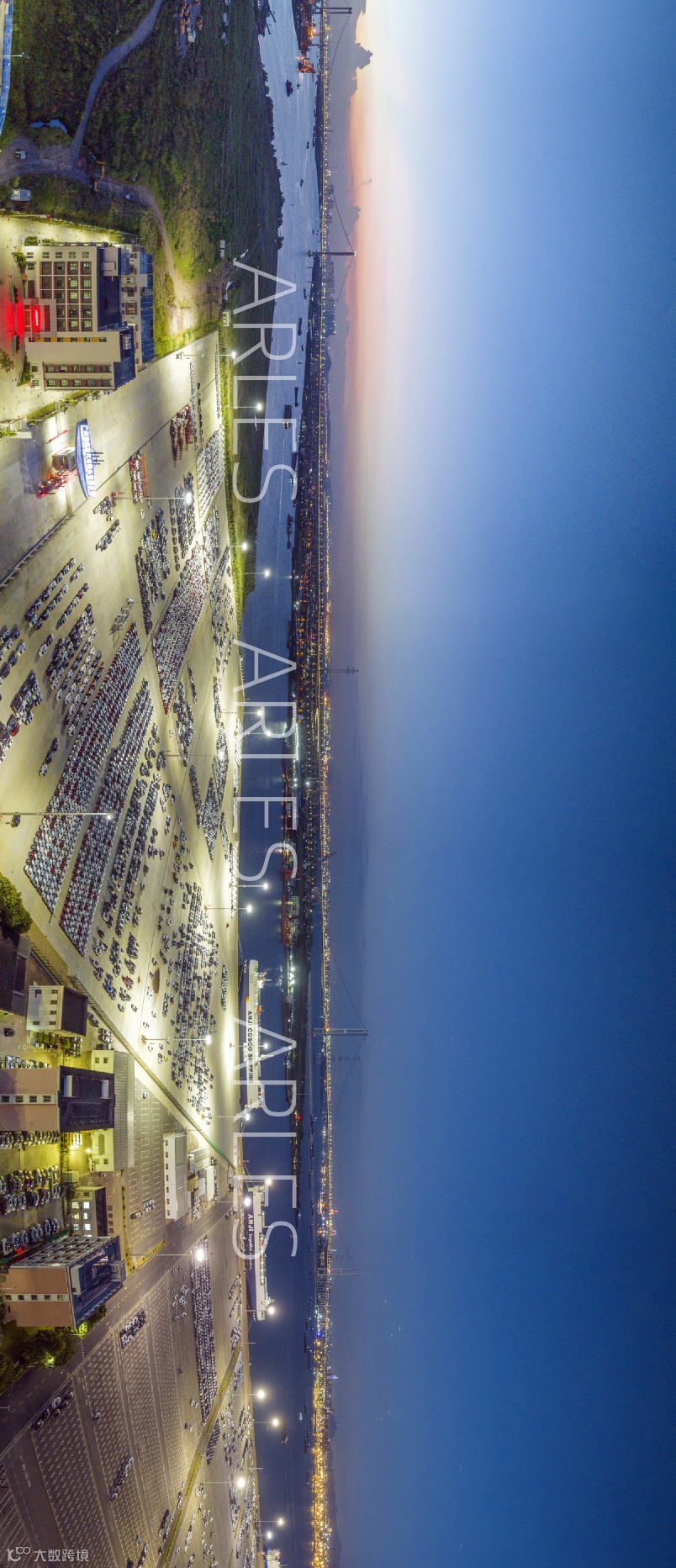
Huangge Town is a major economic and industrial powerhouse, boasting a trillion-yuan automotive manufacturing and logistics industry. It has established itself as a key base for sectors including the automotive industry, equipment manufacturing, fine chemicals, and port logistics. Within its jurisdiction are Asia's largest vehicle ro-ro terminal on Shazai Island and Guangzhou's only chemical industry park (Guangzhou Nansha Xiaohu Chemical Industry Park).
The town is home to 234 designated "Four Above" enterprises (including 11 affiliated with Fortune Global 500 companies). It has gathered numerous industrial parks such as Lety Cloud Valley Industrial Park, Nansha Auto MALL, and Datang Technology Industrial Park, attracting and nurturing 516 enterprises. These companies collectively hold over 4,000 intellectual property rights, including inventions, utility models, software copyrights, and trademarks. Among them are 3 national-level "Little Giant" specialized and sophisticated SMEs, 21 provincial-level specialized and sophisticated SMEs, 66 high-tech enterprises, 116 technology-based SMEs, and 72 innovative SMEs.
In 2024, Huangge Town was included in the list of typical towns (specialized towns) for the "Hundreds of Thousands of Millions Project". Lianxi Village, recognized as a Guangdong Traditional Village, Guangzhou Beautiful Village, and Guangzhou Famous Village, was designated as a provincial-level typical village under the same project. The key nodes of the "Qile Harmony" project have been largely completed, while the Nanyongkou Art Village gained remarkable popularity during the 2025 New Year's Day gift series events, becoming a prominent showcase of Huangge's achievements in the "Hundreds of Thousands of Millions Project".
Education Facilities
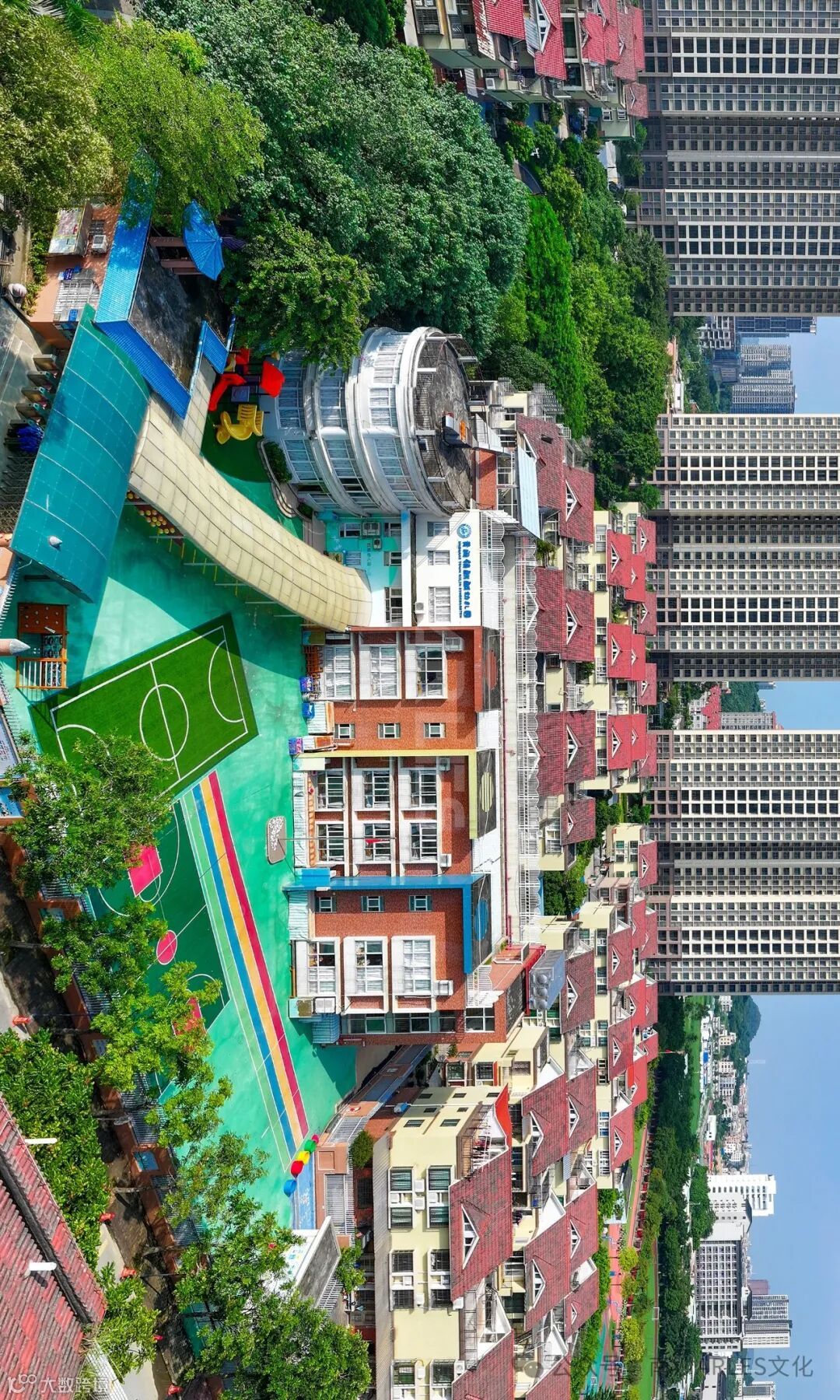
Huangge Town offers a range of public educational resources from primary to secondary schools. The town is home to several primary schools, including the long-established Huangge Primary School and Datang Primary School, as well as newer institutions like Liantang Primary School. In recent years, educational facilities have been continuously upgraded with the introduction of Tieying School (Primary Section), managed by the Guangzhou Tiezhi No.1 Middle School Education Group, and Meisha Experimental Primary School, known for its distinctive curriculum. At the secondary level, Huangge Middle School, a well-established public junior high school, traces its origins to the Qing Dynasty-era "Yueshan Academy." Additionally, the area includes Nansha Binhai Experimental School, which offers primary education, and Qihui School, dedicated to students with special needs, collectively forming a relatively comprehensive educational system in Huangge Town.
Healthcare Services
The core public medical resource in Huangge Town, Nansha District, Guangzhou, is the Second People's Hospital of Nansha District, Guangzhou (a Class A, Grade I general hospital). Complementing this, a grassroots healthcare network has been established, centered around the Huangge Town Community Health Service Center and supported by multiple village health stations, providing residents with essential medical and public health services. Furthermore, a newly approved pediatric specialty clinic has been added within the town, collectively forming the primary healthcare support system in the area.
Infrastructure
Huangge Town's key roadways include the north-south arterial Fenghuang Avenue (whose main tunnel for rapid transformation has already opened to traffic), the east-west Shinan Road (currently undergoing rapid transformation), and the town-center traversing Huangge Avenue. These main roads continue to improve traffic efficiency through node upgrades, such as the new overpass at the Huangge Avenue-Shinan Road intersection. Meanwhile, municipal配套设施 continue to be upgraded, such as the pedestrian overpass equipped with barrier-free elevators at the Huangge Metro Station exit. It is important to note that, to facilitate these upgrades, sections of roads like Jigushan Road are currently closed for construction (until the end of 2026), with free shuttle bus services provided to the metro station during this period.
Produced By: Nansha Cultural Society
Editor: Xuan Wang
Photography: Xiaotie Chen
Contact Us: 1399229194@qq.com