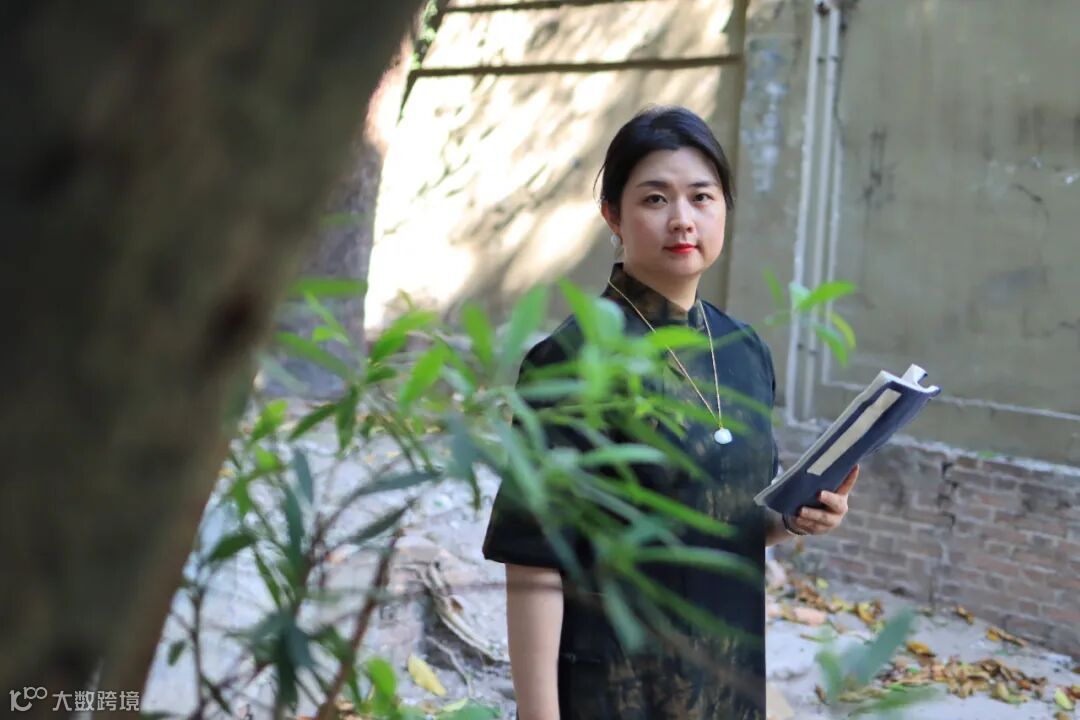
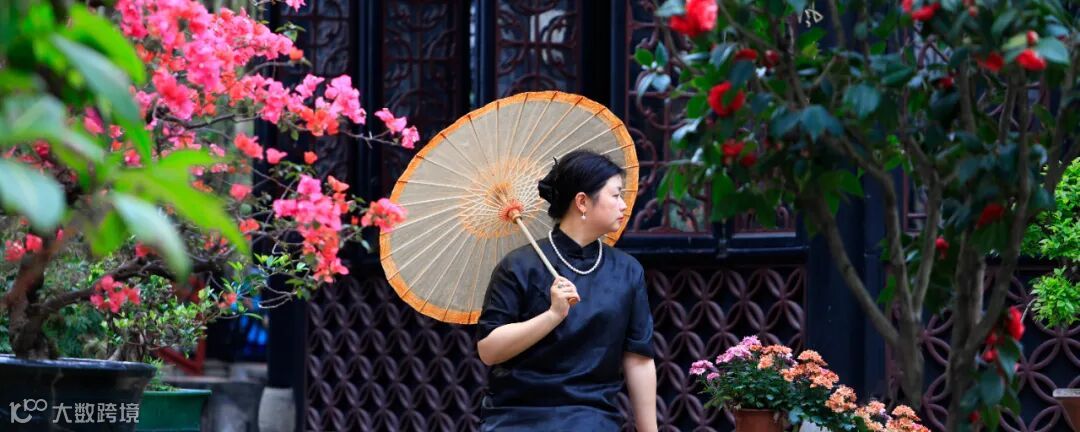
Xiangyun Sha, originally known as "Liang Sha", specifically referred to a silk gauze (a lightweight, open-work fabric woven with the leno jacquard technique, commonly called "twisted-eye openwork") patterned with designs such as swastika motifs, victory flowers, walnut patterns, or checkboards. The gauze was then processed through sun-dyeing (a unique dyeing and finishing technique for Xiangyun Sha). Later, its meaning expanded to become the general term for "Liang Sha Chou", which encompasses both the open-work Liang gauze (Sha) and the plain-weave Liang satin (Chou). It is important to note that Liang Sha and Liang Chou are entirely different in terms of their weaving techniques.
Step Fourteen in Dyeing and Finishing: The Final Application of Liangshui and Sun-Drying
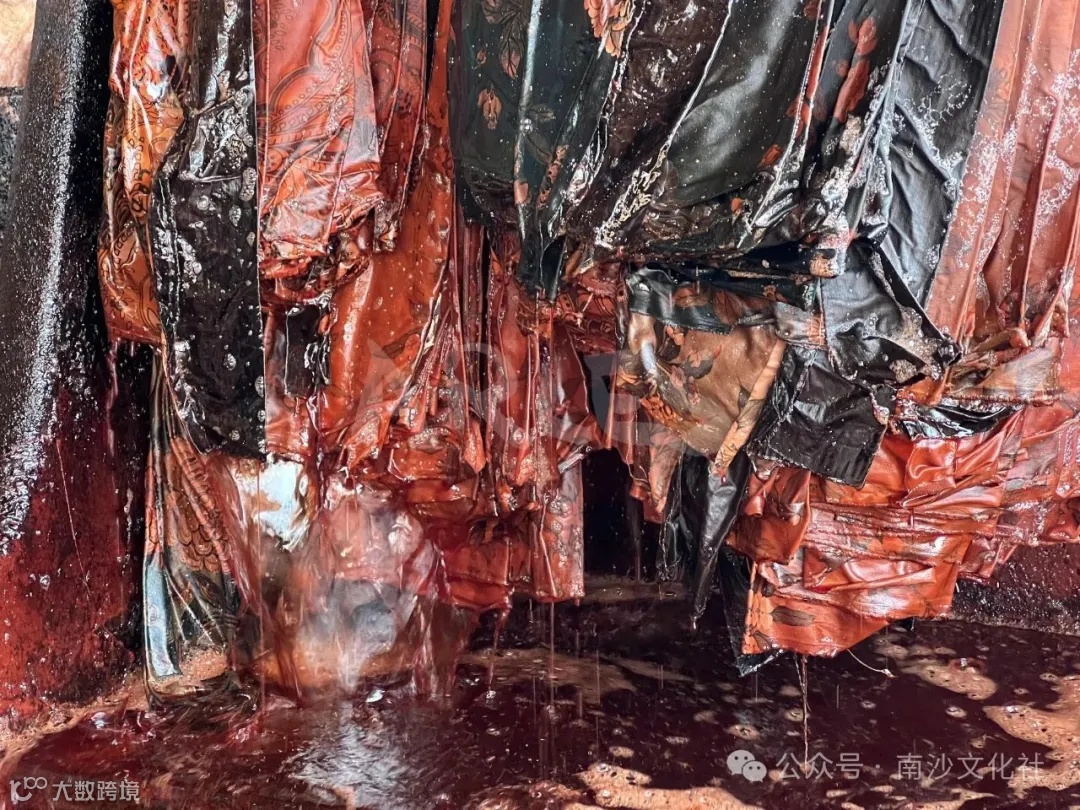
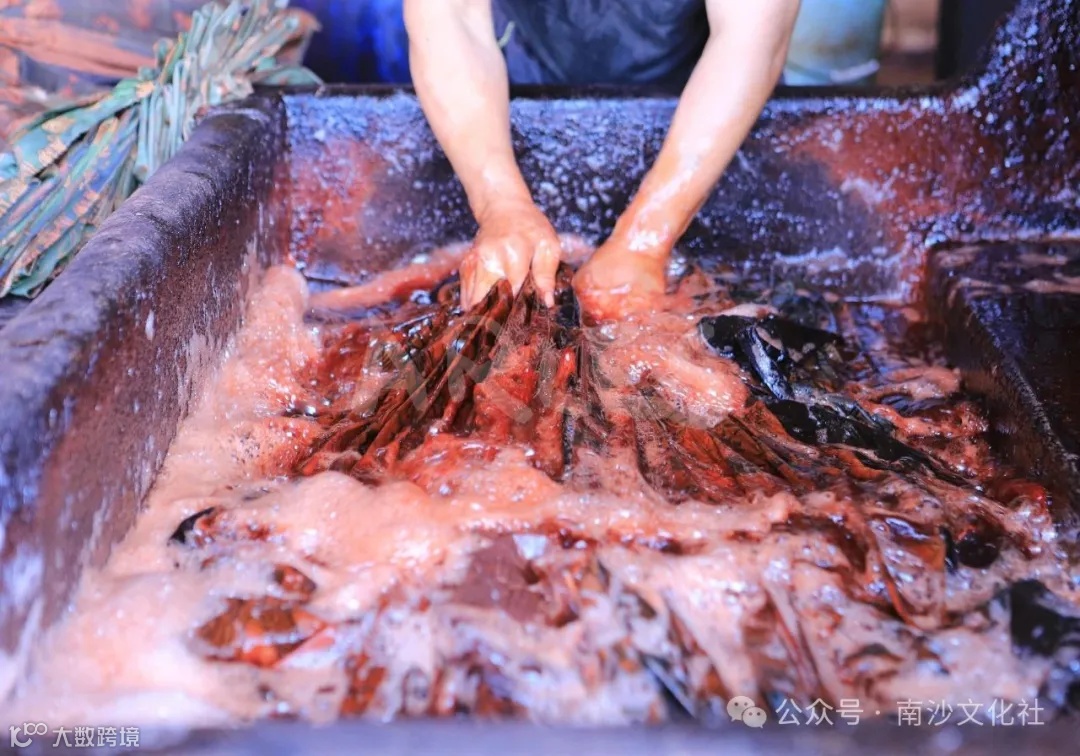
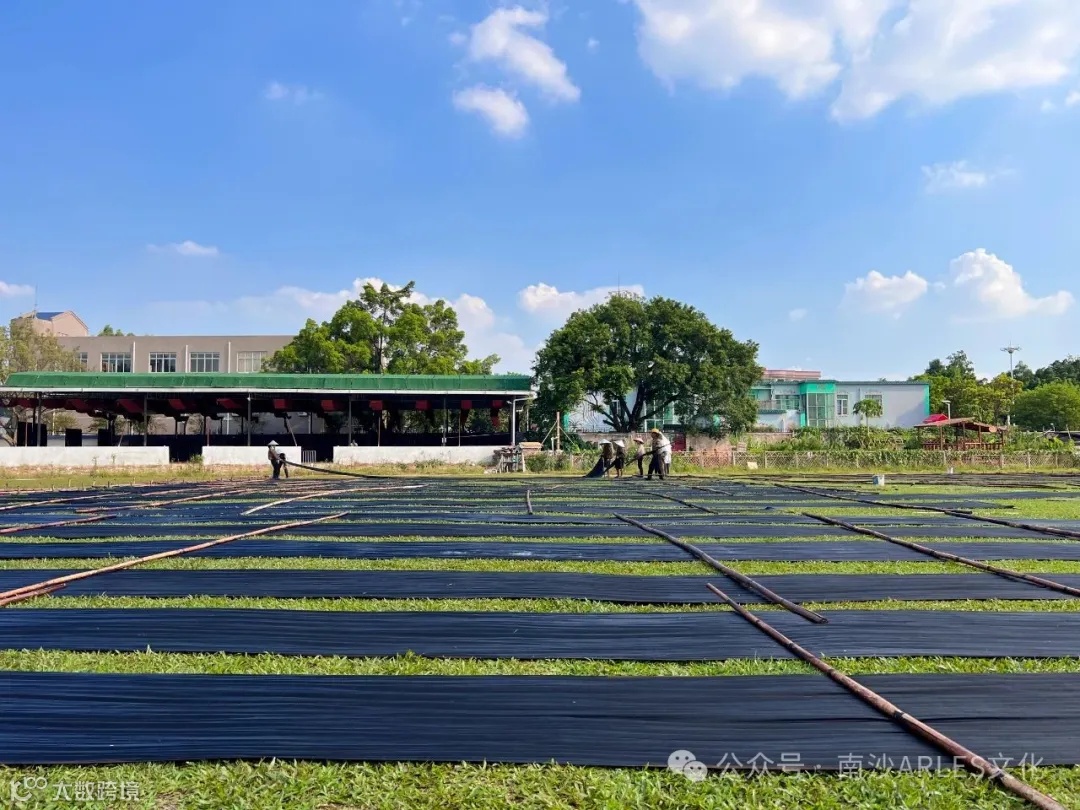
The final application of Liangshui lasts for one hour, aiming to make the silk surface more lustrous and the color absorption more uniform. After applying Liangshui, the silk is spread flat on the grass to dry under the sun.
The legendary hues of Gambiered Guangdong Silk are rooted in the ancient and intricate cyclic process of "sealing with Liangshui" and "sun-drying." This procedure is far from a simple mechanical repetition; rather, it is a refined art that relies on the collaboration between the craftsman's expertise and the forces of nature.
If you're intrigued by the intricate beauty of Gambiered Guangdong Gauze and wish to explore it further, we have a curated space just for that. Simply leave a comment below or send us a private message with "NanshaXiangyunsha" to find your way into our WeChat cultural community.
▲Wang Xuan, Xiangyunsha Culture Researcher
NALANGE CHRONICLES
Editor-in-Chief: Wang Xuan
Photographer: Xiao Tie
Calligrapher: Zhi Ming
Costumes: WURAY MIRACLE, YUNSHA STAR RHYME
Dedicated to promoting Xiangyunsha silk as China’s intangible cultural heritage.
Email: 1399229194@qq.com