The high cost of Xiangyunsha, an intangible cultural heritage, can be attributed to three main factors:
1. Strict Reliance on Natural Conditions and Extremely Time-Consuming Handcraftsmanship
Xiangyunsha production requires continuous sunny weather during specific seasons (May to November) and relies on iron-rich river mud from the Pearl River Delta and dyeing with Shuliang (a type of yam). Fewer than ten suitable sun-drying fields remain in China. Its core process, known as "three steamings, nine boilings, and eighteen sun-dryings," involves over 30 steps. Each bolt of fabric undergoes more than 20 rounds of repeated dyeing in Shuliang extract, followed by a chemical reaction with river mud coating. The entire process takes at least 20 days and cannot be mechanized. Master artisans rely on experience to regulate sunlight exposure and mud-dyeing, with daily output averaging less than one-tenth of ordinary fabrics. The labor and natural resource costs are exceptionally high.
2. Scarcity of Raw Materials and Extremely Limited Production Capacity
Premium Xiangyunsha must use mulberry silk of over 40 momme (thick and durable), requiring 0.5 kg of raw silk for a single dress, with base material costs exceeding 300 yuan. Due to ecological degradation, Shuliang must now be sourced from other provinces, driving annual cost increases of 20%. Constrained by weather, limited sun-drying sites, and a shortage of skilled artisans (national annual output is only 100,000 meters), coupled with declining interest among younger generations, production capacity is just 0.1% of ordinary silk. This supply-demand imbalance further elevates prices.
3. Irreplaceable Functionality and Cultural Heritage Value
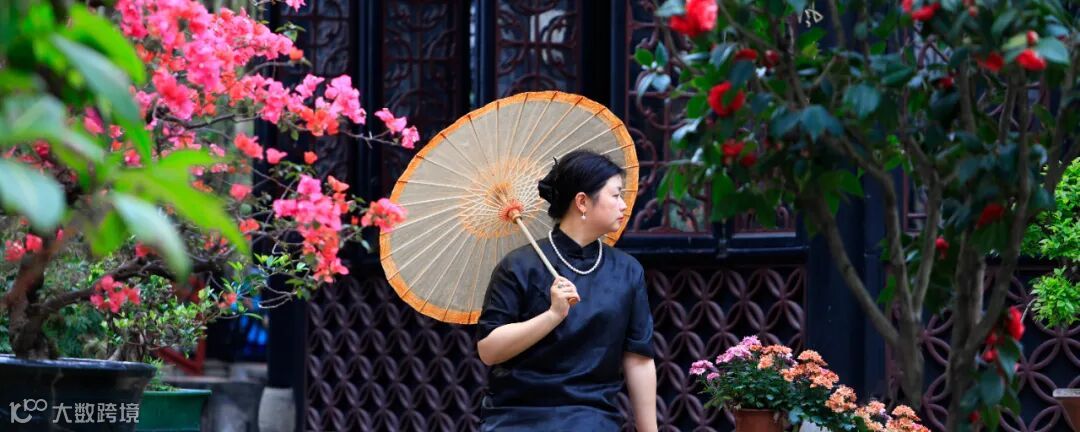
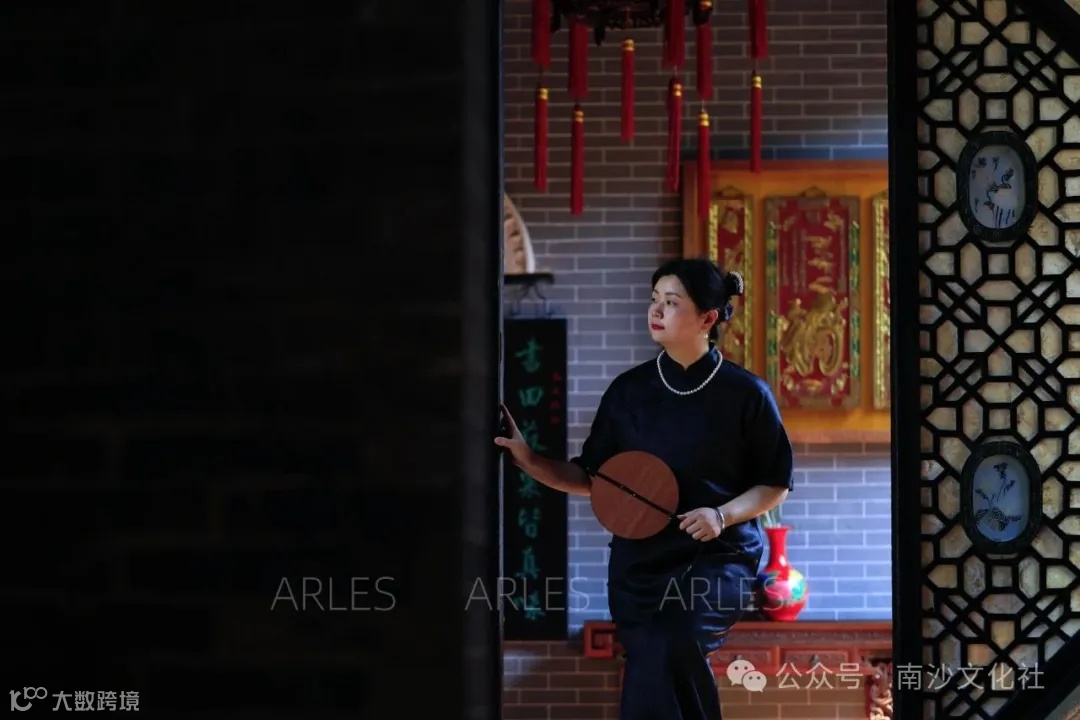
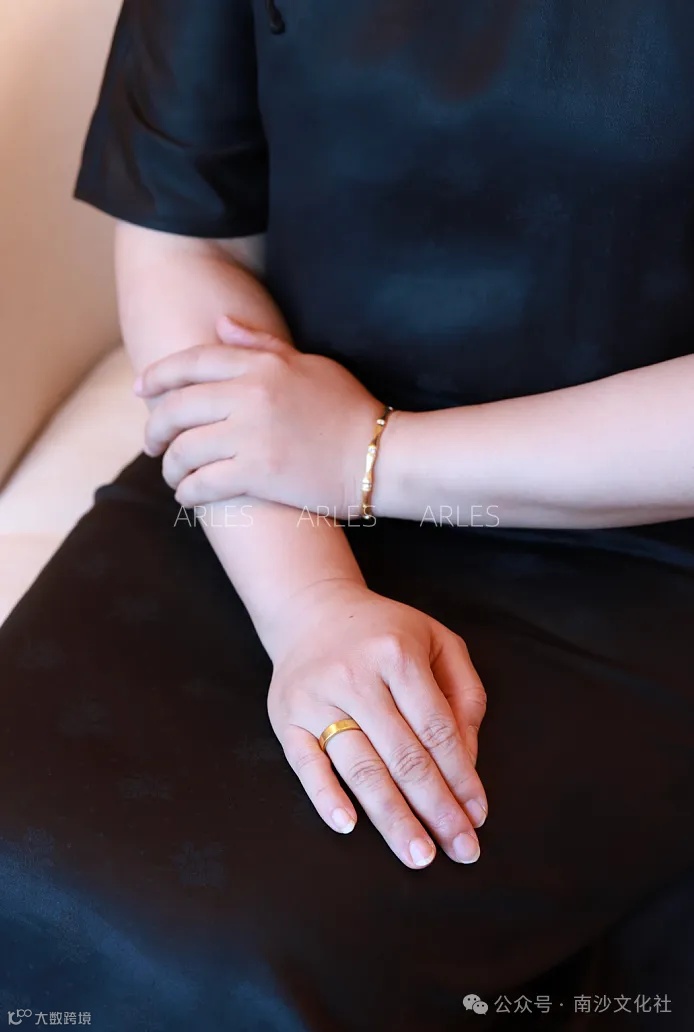
The finished fabric is naturally antibacterial, breathable, quick-drying, and becomes softer with wear, offering exceptional durability—earning it the nickname "soft gold." Its history traces back to the Maritime Silk Road in the Ming Dynasty, when it was exported to Europe at a price of twelve taels of silver per bolt and celebrated by cultural icons like Eileen Chang. In 2008, it received national intangible cultural heritage status, and in 2020, it was included in the EU's geographical indications protection list, adding significant cultural premium. Authentic Xiangyunsha is truly "wearable historical heritage."
NALANGE CHRONICLES
Editor-in-Chief: Wang Xuan
Photographer: Xiao Tie
Calligrapher: Zhi Ming
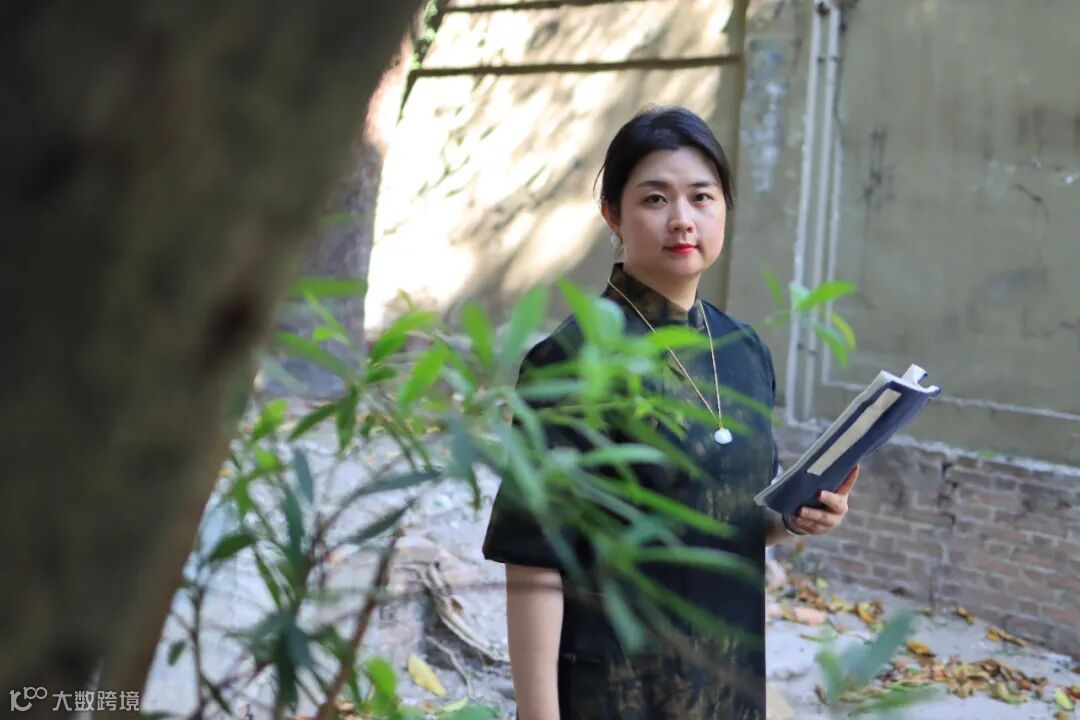
Costumes: WURAY MIRACLE, YUNSHA STAR RHYME
Dedicated to promoting Xiangyunsha silk as China’s intangible cultural heritage.
Email: 1399229194@qq.com