



According to Argentine legislation, a vineyard can be planted in an area that is different from other areas. Recognised for their specificity they are given a Geographical Indication (GI) for example; La Consulta, in the Uco Valley, Agrelo, in Lujan de Cuyo, Cafayate, in Salta, or the recently approved Zonda in , and Paraje Altamira, again in the Uco Valley.If a label you saw that names a specific region accompanied by the term ‘Indicación Geográfica’ (Geographic Indication), it means that the wine will reflect the character of that region.
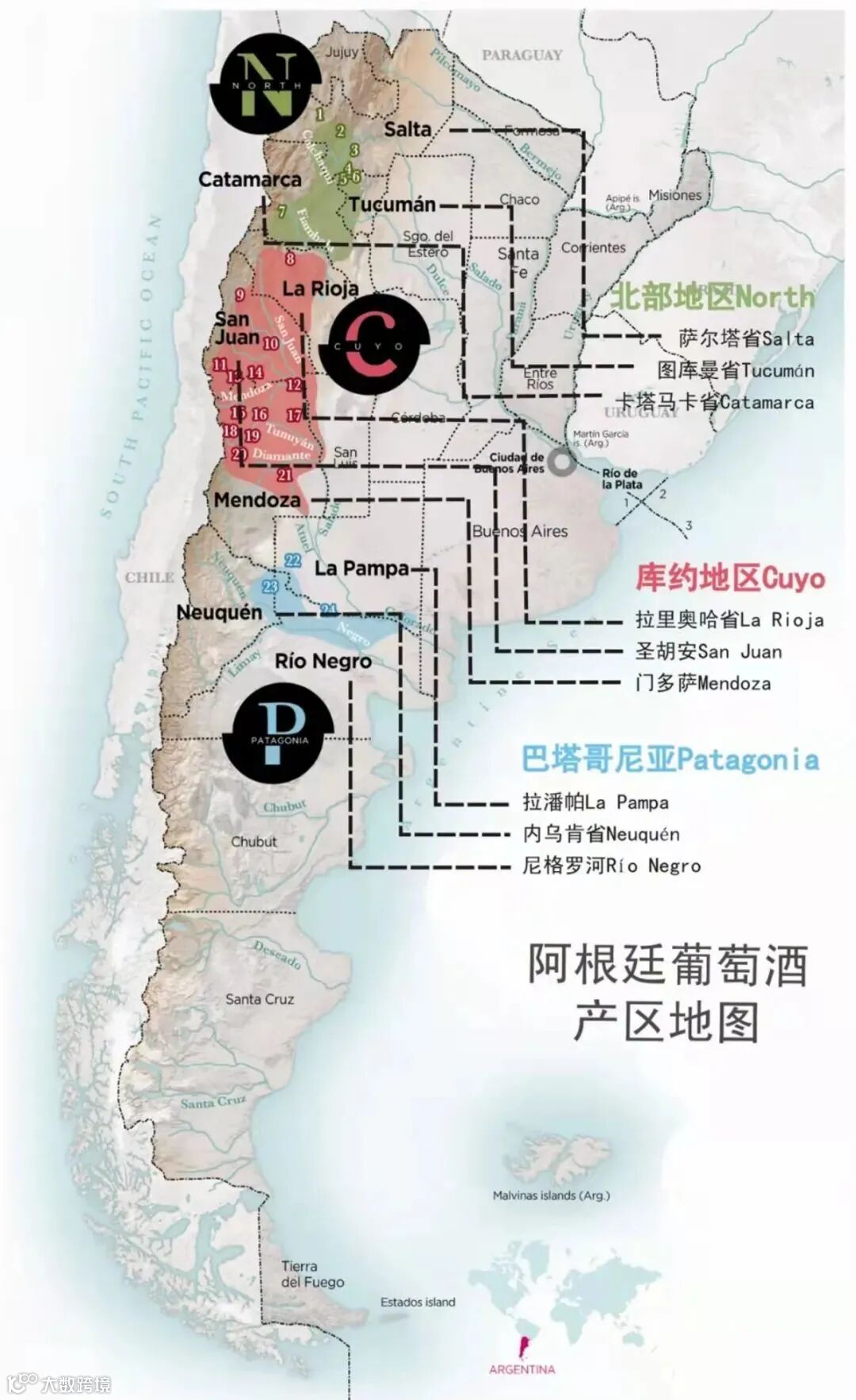
阿根廷产区标识适用85%的标准:标明产地的葡萄酒必须至少有85%是用该地区的葡萄酿造的。然后,系统逐步将内容从一般内容缩小到具体内容。来自不同地区的葡萄可以混合在一起,但在这种情况下,命名的地理单元必须包含其边界内的所有葡萄园。
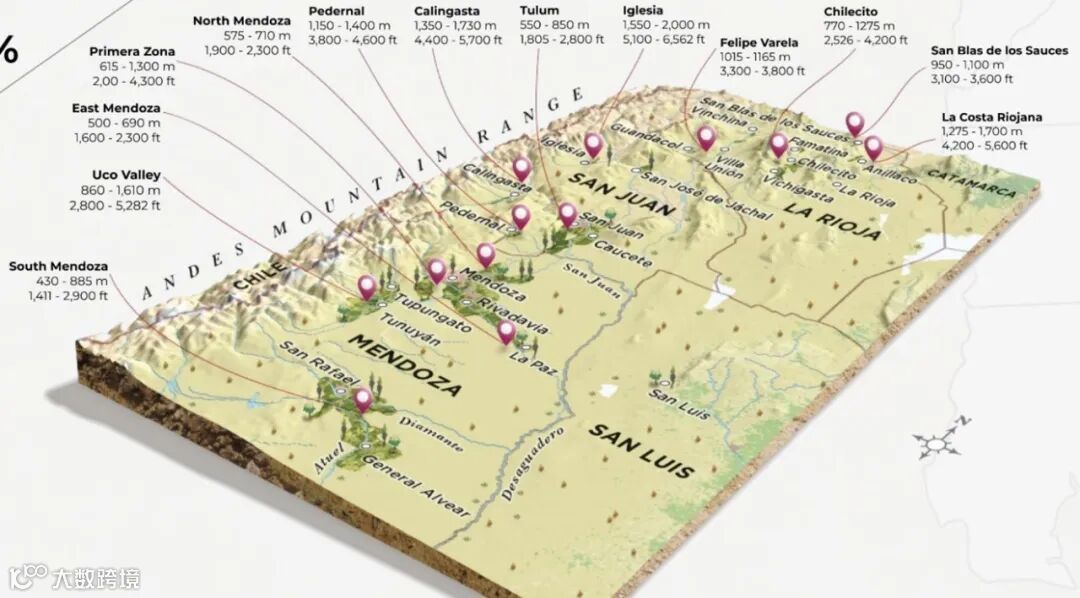
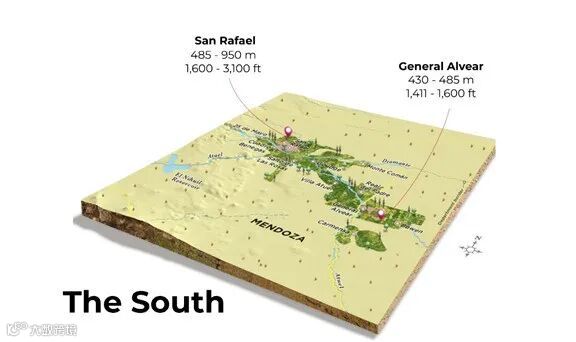
For example, a Malbec made with grapes from Gualtallary and La Consulta will have the Uco Valley as its origin, where the two GI’s are located. However, if grapes from Agrelo and Los Arboles, in Lujan de Cuyo and Uco Valley respectively are used, the origin of the wine will be Mendoza. And so, by following the same reasoning, if grapes are sourced from more than one province, the label will simply read, Argentina.
那为什么有些葡萄酒会有GI或DOC呢?
Okay so, why are some wines given the mark of designation of origin or DOC?
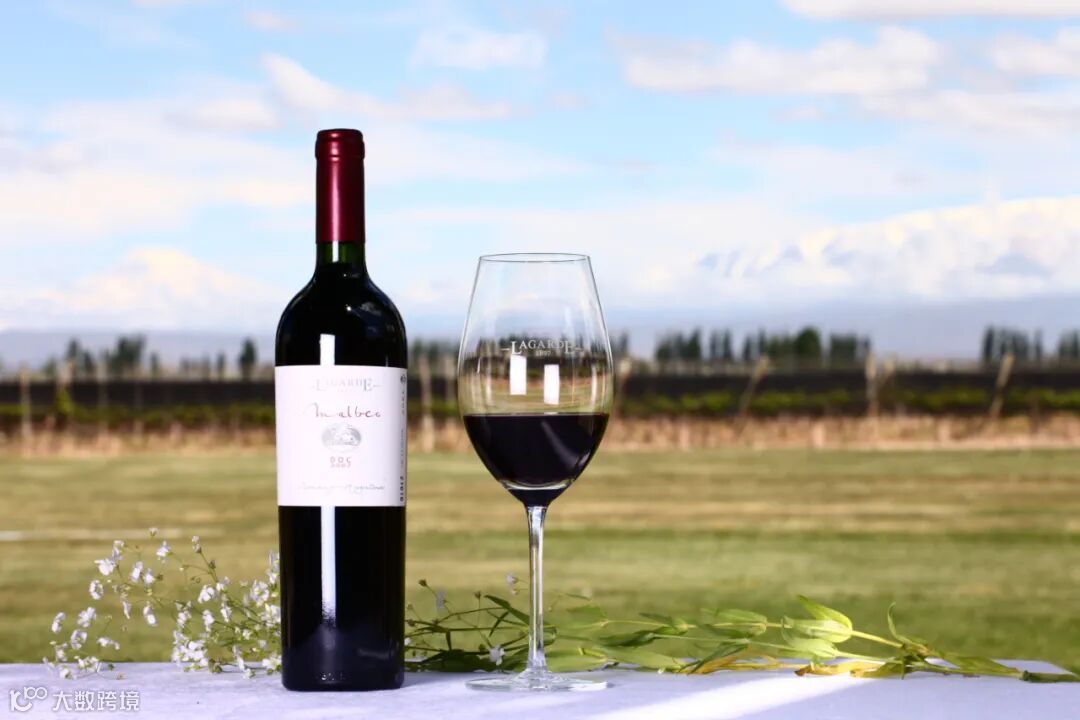
这些都是特定的地理标志(geographical indications),取决于监管委员会(regulatory council)确定在某个地方生产的葡萄酒的种类。就阿根廷来说,DOC数量很少,而且彼此非常不同。一个很好的例子是:Luján de Cuyo DOC,用于Malbec,产地是Luján de Cuyo,其产量每公顷不到10吨,在橡木桶中陈酿不少于一年,然后是瓶陈。而在授权的原产地名称中,Luján de Cuyo只能被一小部分酒庄标记且用于生产Malbec。
-
珍藏“Reserva”这个词,是指所有在橡木桶中陈酿至少一年的红葡萄酒,而白葡萄酒则是6个月。
The term Reserva, is given to all reds which have been aged in oak barrels for at least one year. While in the case of whites, it is six months
-
格兰珍藏或有叫窖藏(Gran Reserva)一词,适用于陈酿至少两年的红葡萄酒,而白葡萄酒则为一年。 The term Gran Reserva, applies to red wines which have been aged for at least two years, while for white wines, it is one year.
-
oak这个词可以用来指在木桶中陈酿的葡萄酒,也可以用来形容使用过其它橡木片、条等形式的葡萄酒,比如你可能会见到ROBLE这个词。 The term oak, however, can be used to refer to wines that have been aged in barrels or to describe the use of wood in the form of chips, staves or inner staves.For instance, if you see the word ROBLE that means that the wine attained its woody flavours using alternative methods and not in barrels.
In terms of varietal wines and blends, Argentine legislation is fairly demanding. A wine bearing the name varietal – for example Cabernet Sauvignon, Malbec or Chardonnay- must have at least 85% of that grape in its composition, with the rest being made up of whatever the winemaking team decide. While Blends, Assemblages, Coupages or Corte, Mezcla are wines where no single grape reaches 85% of the composition.
作为起泡酒的量产国和消费国,阿根廷对它们有一个混合的命名法。首先,不像法国或西班牙,他们没有自己的名字,被称为起泡酒。其次,与其他国家相比,他们有不同的糖用量,根据这个标准分为:Nature(不含糖),Brut Nature(最多2克糖),Extra Brut(最多8克),Brut(高达14克),而Demi Sec(可高达25克),Dulce(超过25克)。
A large maker and consumer of sparkling wines, Argentina has a mixed nomenclature for its bubbles.Firstly, unlike France or Spain, they do not have their own names and are known as sparkling to dry. Secondly, and in contrast to other countries, they have a different dosage of sugar, according to this criteria: Nature, no sugar; Brut Nature, up to 2 grams of sugar; Extra Brut, up to 8 grams; Brut, up to 14 grams; Demi Sec, up to 25 grams; Dulce, more than 25 grams.
了解了上面的小知识,会让大家更容易对你即将开瓶的葡萄产生哪种期望。当然,喝酒最有趣的是找到让味蕾完全爱上的葡萄酒,让它超越法律和习俗的规定,让我们努力去找到那个自己会被诱惑到的美酒。
以上资料源自:
https://blog.winesofargentina.com/news/how-does-the-denominations-system-work-for-argentine-wine/
https://blog.winesofargentina.com/destacadas/how-to-read-a-malbec-label/