

点击上方“蓝字”,关注我们吧
Following a cool and rainy 2016 El Niño year, the rains stopped in June, and over the winter, precipitations were lower than usual. Mountain snow in the Andes, however, was abundant, and we noted increased levels in the Andean Glaciers that feed our vineyards. The winter was moderate, with temperatures ever so slightly warmer than usual.
A dry, cool spring created the environment for a series of frosts (frost is more common when there is low humidity) that reduced yields overall in Mendoza by about 25% but had an even stronger effect on the UCO Valley and especially on Malbec, which was down by about 40% to 60%. The rain did come in late November, and it was a little more humid than usual over the early summer (December and January.) At that point, yields were already significantly reduced, and the slightly increased humidity was good for the vines, lowering the need for irrigation.
春天干燥、凉爽的环境形成了一系列霜冻(在湿度低的时候霜冻更常见),导致门多萨的产量降低了约25%,但对优克谷(Uco Valley)的影响更大,尤其是马尔贝克,产量下降了约40%到60%。降雨确实在11月底,初夏(12月和1月)比平时潮湿一些。那时,产量已经显著下降,略有增加的湿度对葡萄藤还是有利的,降低了灌溉的需要。
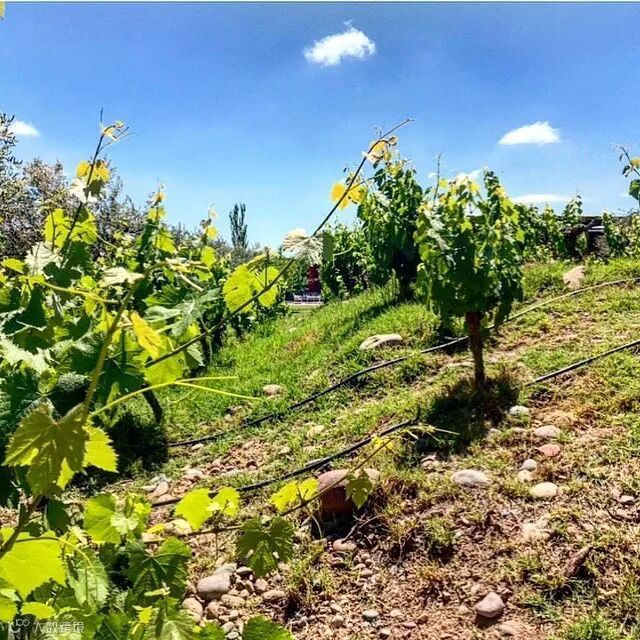
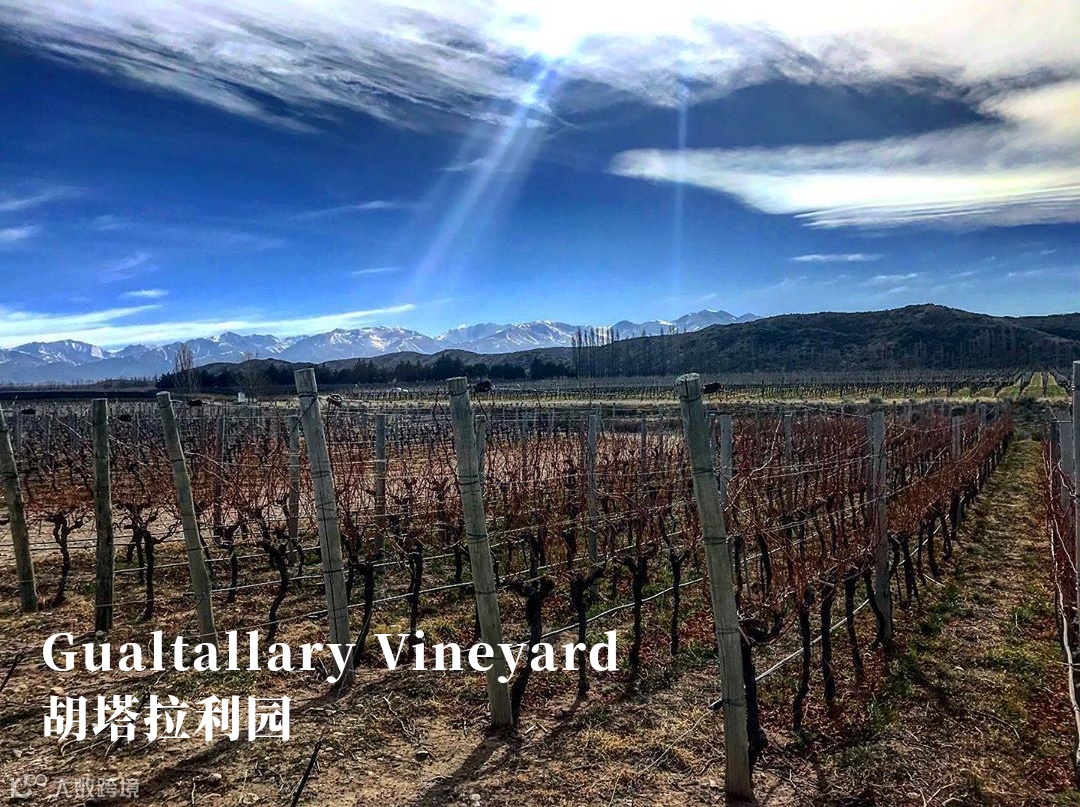
The lower yields in the UCO Valley and resulting earlier harvest (by two weeks) gave us a much shorter harvest season overall—everybody was very, very tired by the end of March. There was less rain than usual throughout the harvest months of January and February, and by the time the heavy rains started in late March and April most of the picking was, thankfully, over. A mild summer allowed us to relax after the frosts were over, and the rain stayed away throughout the crucial picking months.
优克谷的低产量和提前采摘(两周)让我们的采收季更短——到3月底,每个人都非常、非常累。在1月和2月的采收季里,降雨量比往常少,等到3月底和4月初下大雨时,谢天谢地,大部分采摘工作已经结束了。在霜冻结束后,一个温和的夏天让我们得以放松,而在关键的采收季,雨水也一直没有降临。
We were delighted by the glorious, glorious concentration, heightened cool-climate acidity and explosive aromatics! And if anybody ever said that yields don’t matter, this year proves otherwise: Low yields result in greater concentration as long as the weather is dry and mild following a yield-reducing, yet not decimating, frost.
我们对葡萄的集中度非常满意,有着在凉爽气候下的酸度和爆炸性的芳香! 如果有人说产量无关紧要,那么2017的事实证明并非如此:低产会导致更好的集中度,只要天气干燥温和,产量降低(但又没有因为霜冻造成严重破坏),会让果实有更高的浓缩度。
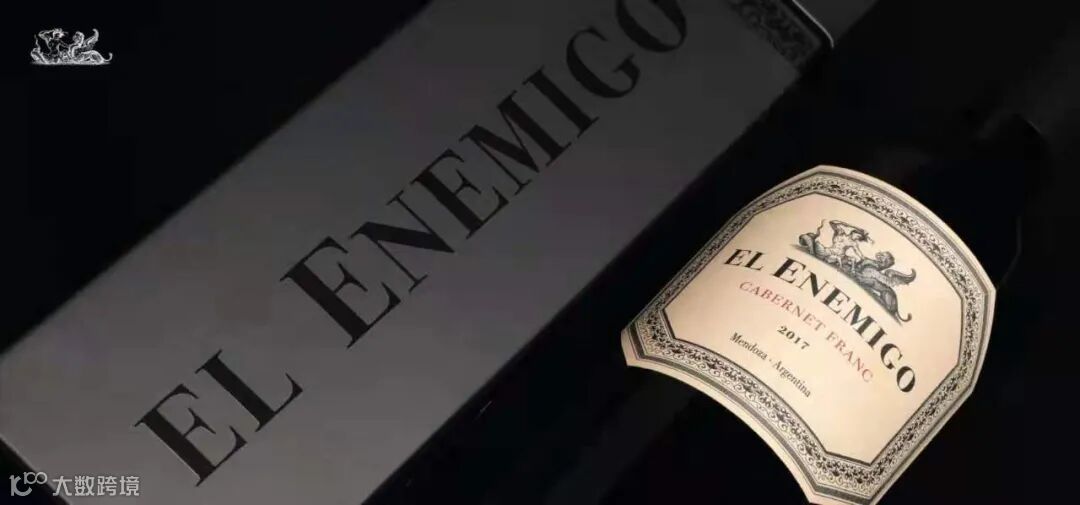
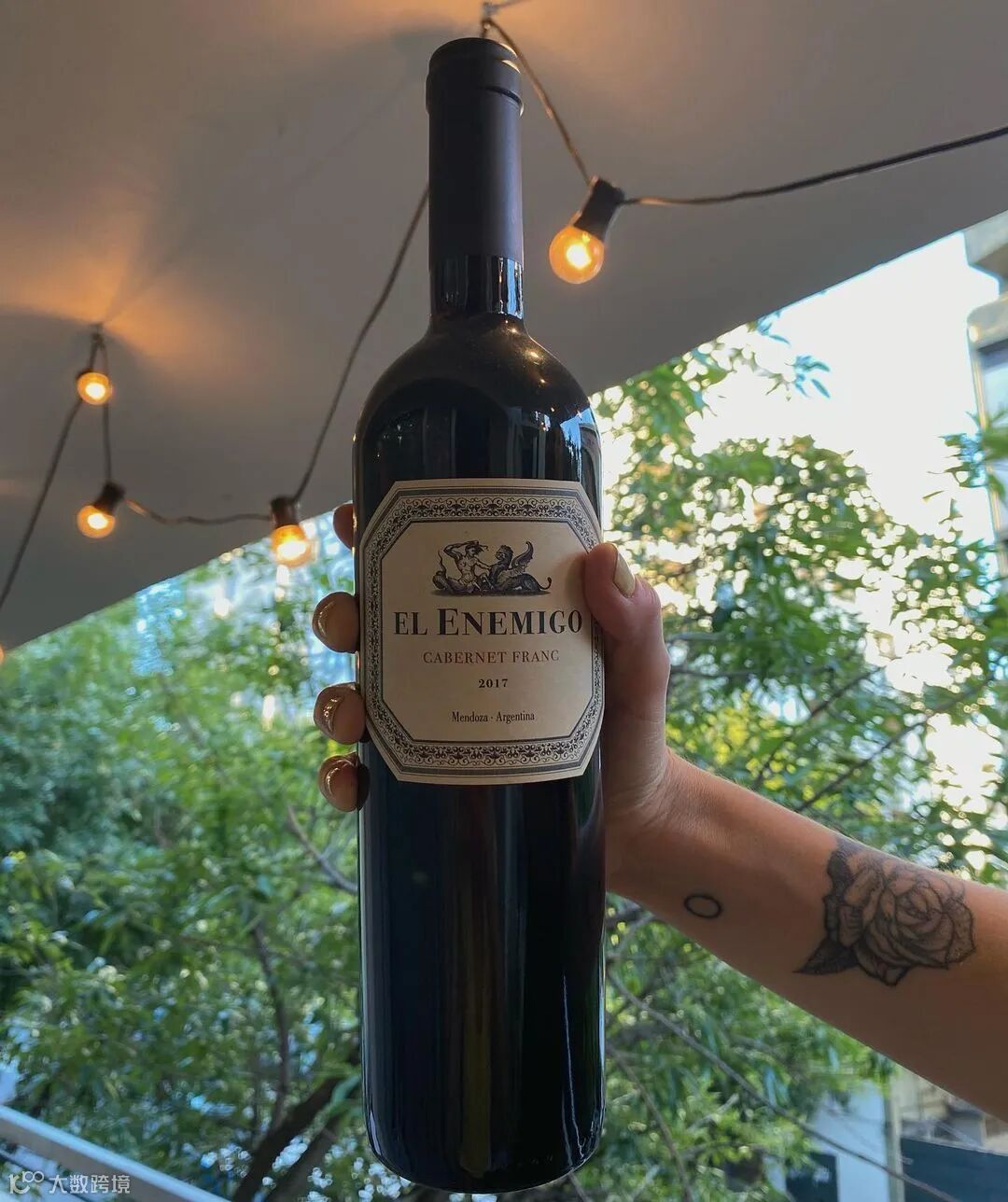
“El Año Mendocino,” the Mendoza Year we call it. After a small cool vintage 2017, which we call “El Año Bordelés” (the Bordeaux Year) and a small, very cool and rainy year in 2016 “El Año Bourguignon” (the Burgundian year), we finally got a vintage that is classically Mendozan: dry, cool, sunny and with moderate yields in every region from the lowest to the highest altitudes.
我们称2018为门多萨年(El Año Mendocino)。经过了稍微凉爽的我们称之为波尔多年(El Año Bordelés)的2017和一个非常凉爽且多雨的我们称之为勃艮第年(El Año Bourguignon)的2016后,我们终于迎来了一个复古经典的门多萨大年:干燥、凉爽、阳光充足,每一个地区从最低到最高海拔,产量都不错。
Cool Nights and high day-night Thermal Amplitude: the summer of 2017 started out warm but then cooled off during the 2018 harvest months of February, March and April. This, in addition to the lower rainfall, gave rise to optimal balance in the fruit, with beautiful natural acidity, regional aromatic expression and smooth tannins.
夜晚凉爽,昼夜温差大:2017年夏天开始时很温暖,但在2018年2月、3月和4月的采摘季月份时降温了。这点,再加上较低的降雨量,使果实达到了最佳的平衡,具有漂亮的自然酸度,香气表达和柔顺的单宁。
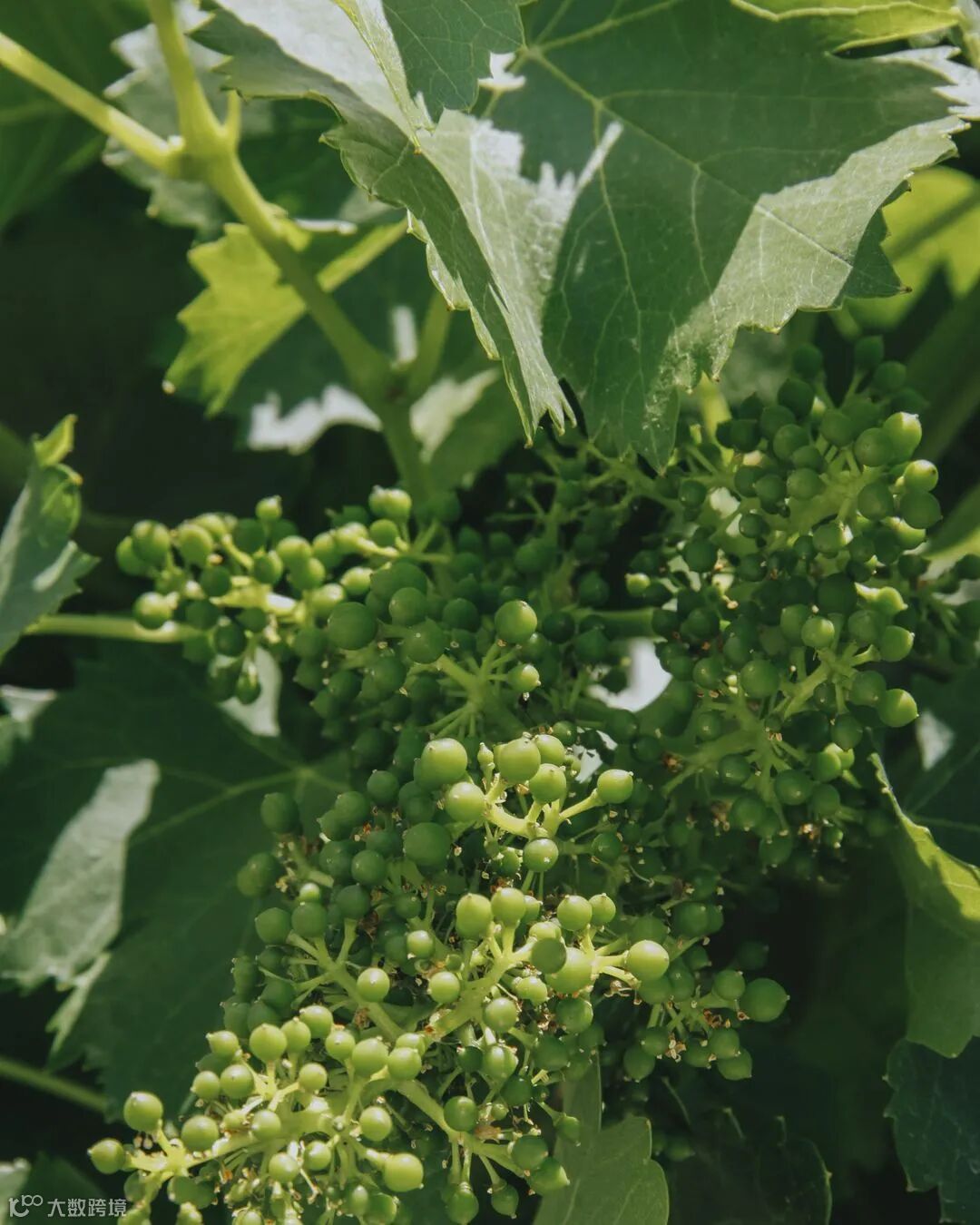
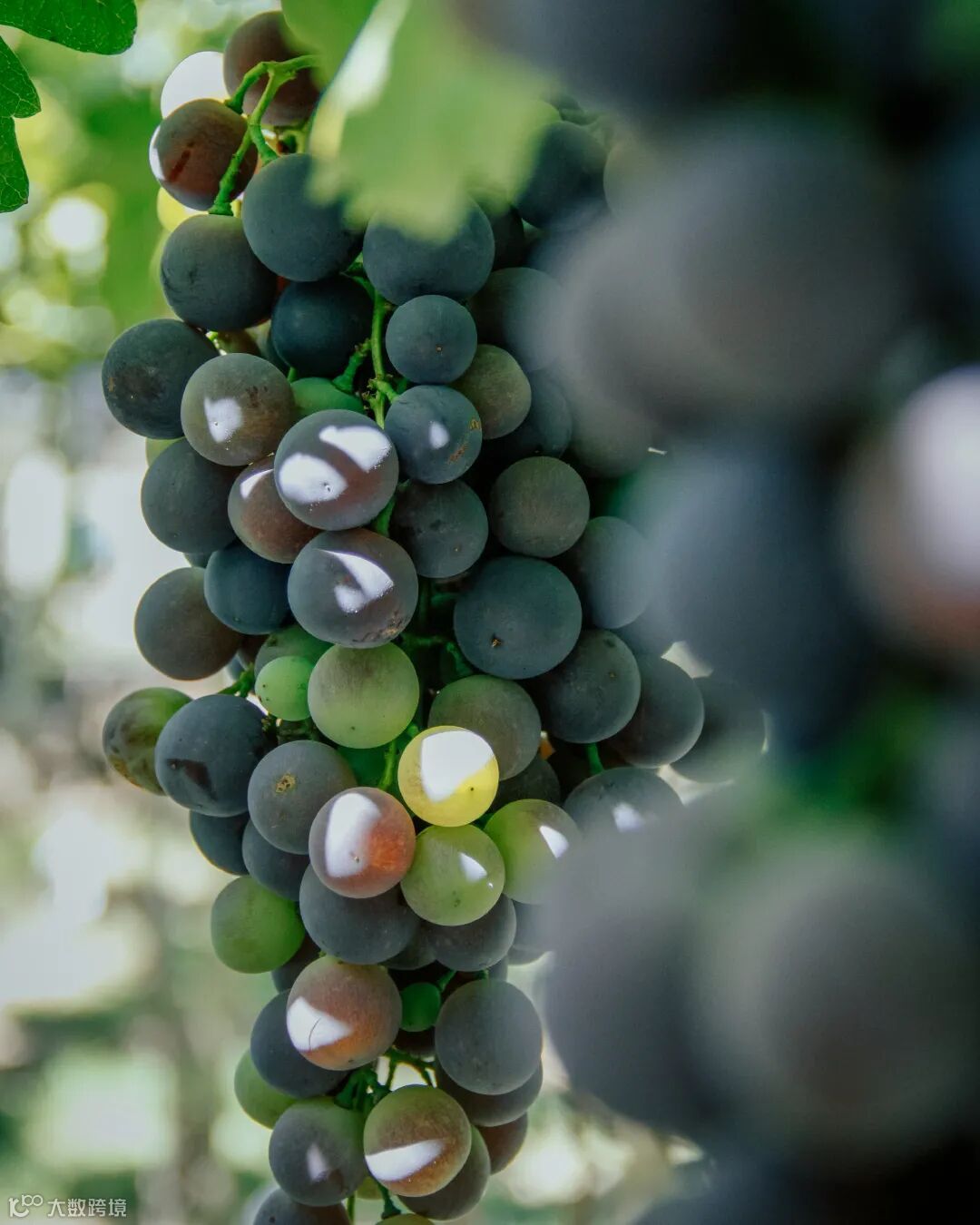
A warm summer followed by the cooling effect of the Pacific over the Andes during the months of February, March and April gave rise to a slightly earlier (by two weeks) harvest in 2018.
2018年2、3和4月,温暖的夏季之后,鉴于太平洋对安第斯山脉上空的空气的冷却作用,导致2018年的收成稍微提前了(两周)。
There was a decrease of about 100 mm (4 inches), about 30% less rain in every region.
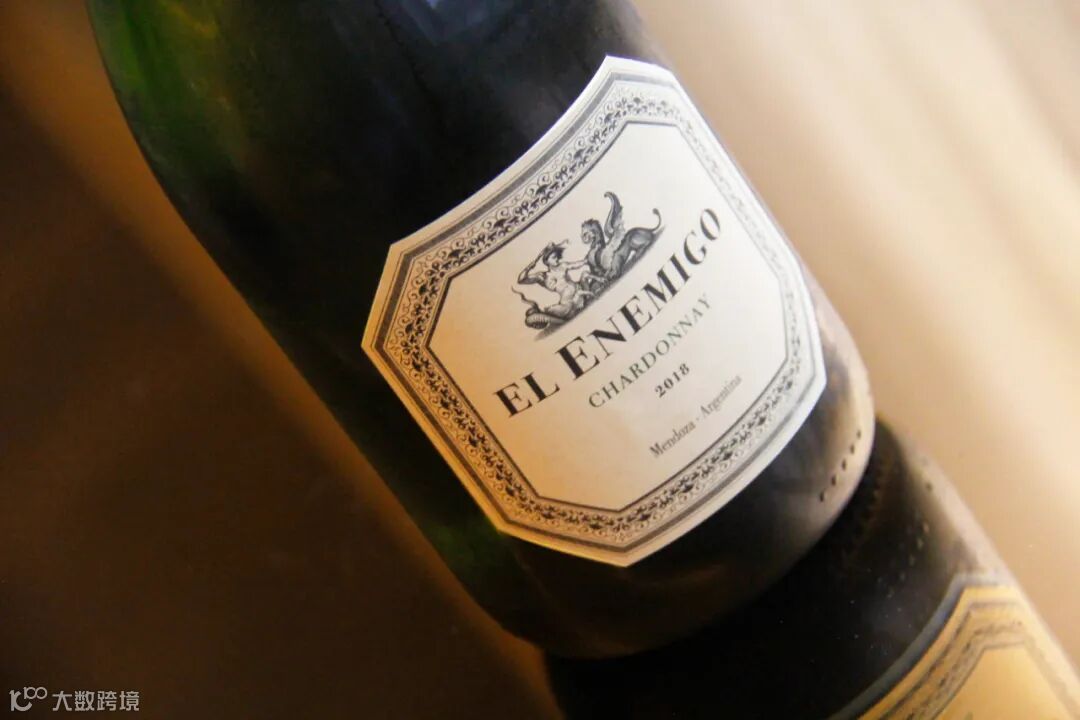
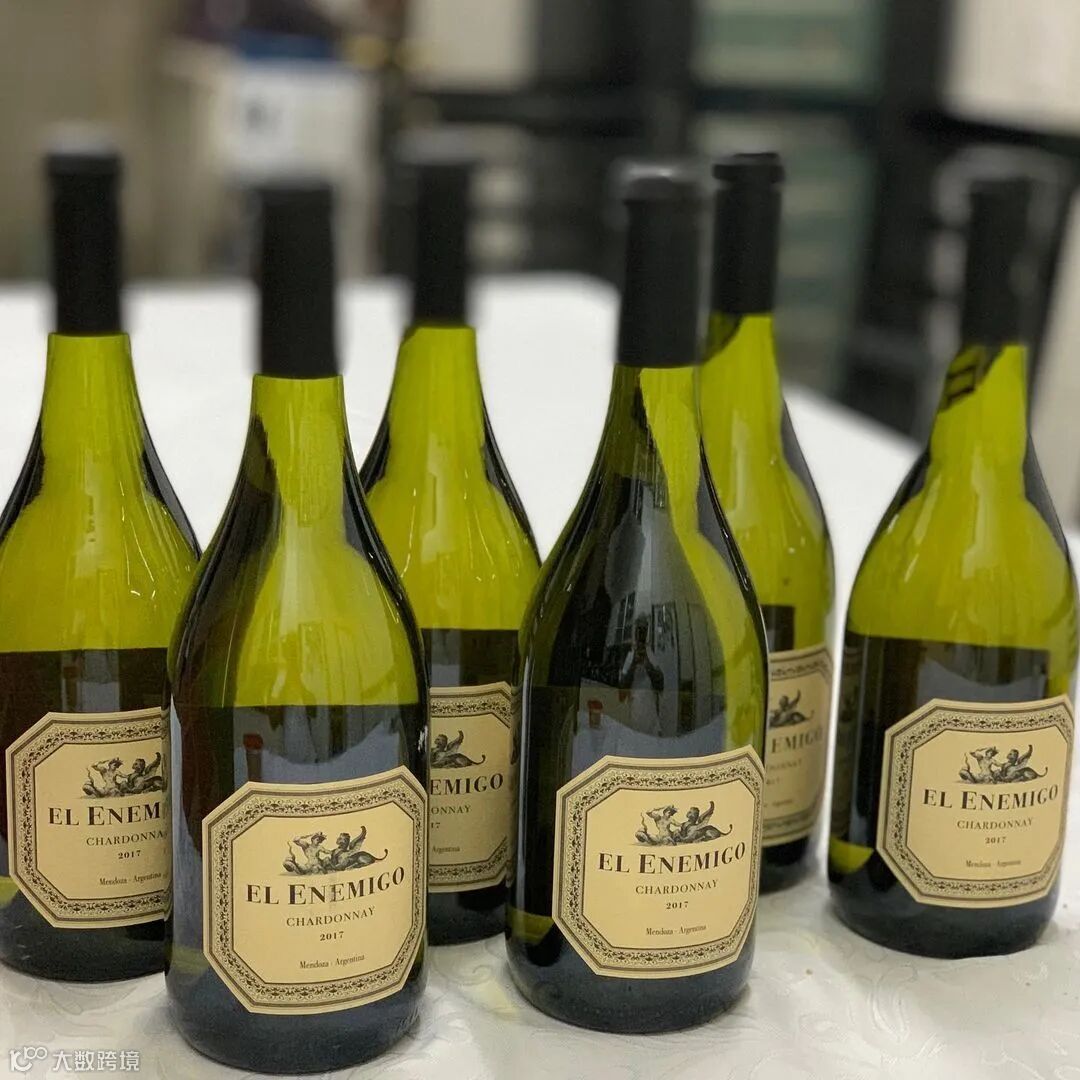

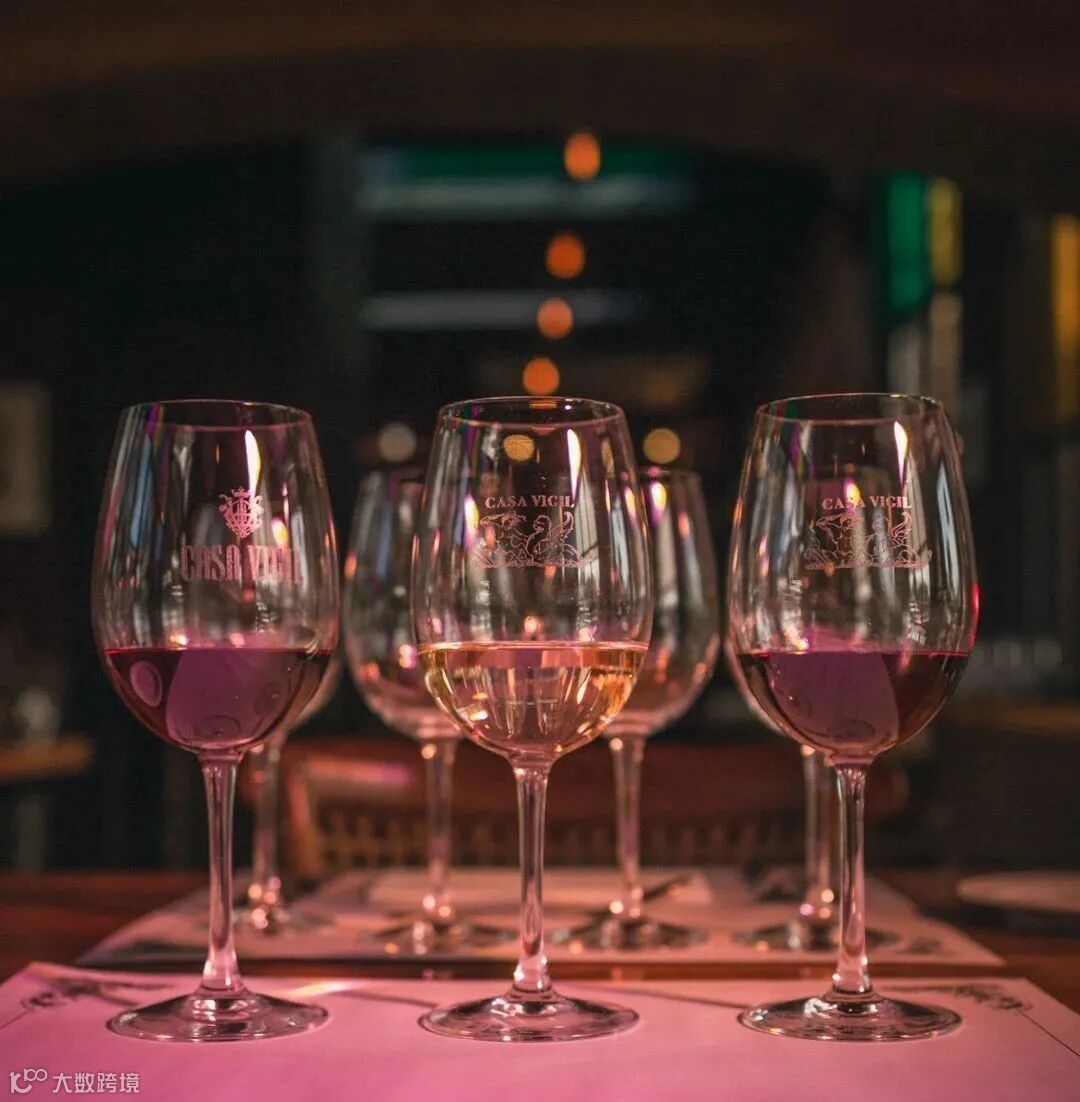
以上资料源自品牌方
如需转载,请获取授权