点击上方“蓝字”,关注我们吧
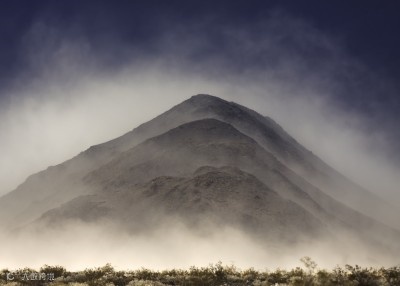
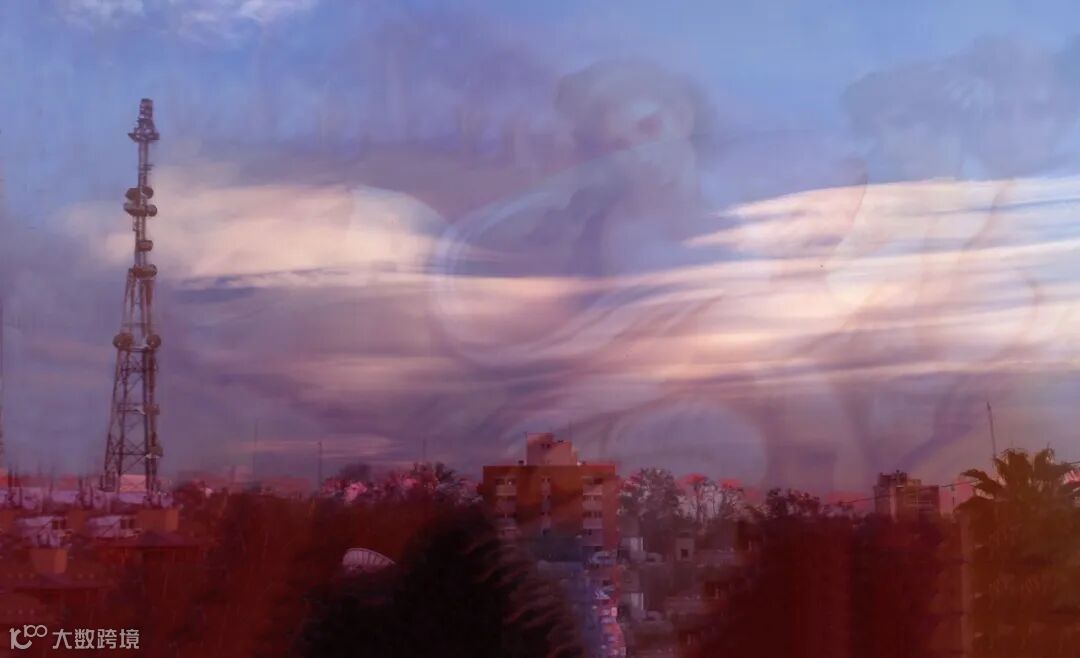
它们被称之为怀拉普卡(Huayrapuca)——“女巫之风”。它能让鸟儿飞起来,让太阳变成棕色,还能推倒树木。当感觉到它的接近时,人们会感觉有失眠、焦虑、窒息和抑郁。它通常在中午到下午6点之间吹,可以持续1到12个小时,听起来像人类吹口哨的声音。
They call it Huayrapuca, “the witches’ wind.” It sends birds flying, makes the sun appear brown, and knocks down trees. When they feel it approaching, people complain of sleeplessness, anxiety, a suffocating feeling, and depression. It usually starts up between noon and six pm, can last anywhere from one to 12 hours, and sounds eerily like a human whistling sound.
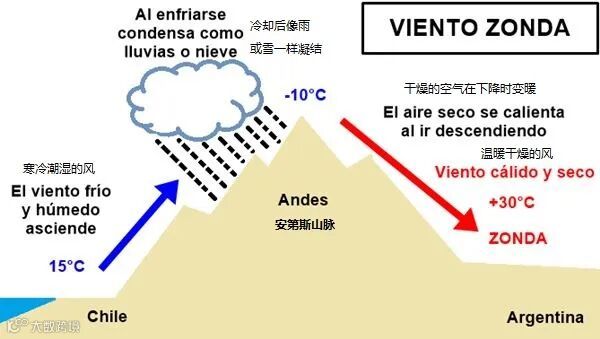
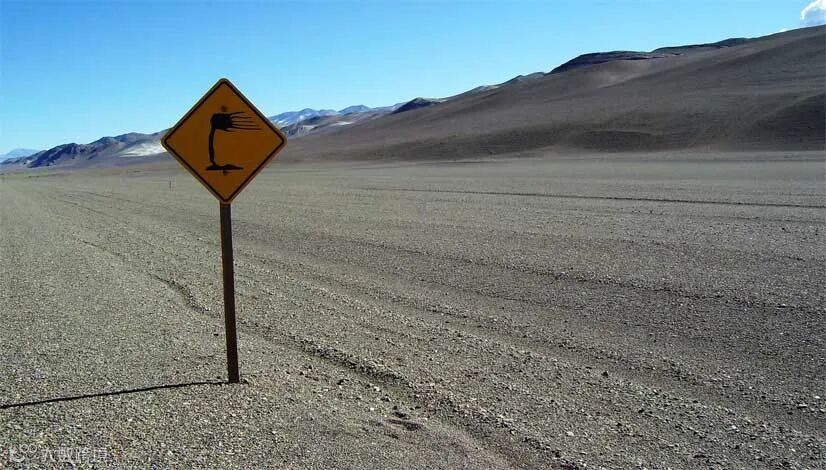
它们也被称为佐达风(viento Zonda)。从技术上讲,佐达风是一种焚风,即一种干燥的下坡风,发生在山脉的背风(下风)一侧。“Zonda”是一个地区术语,用于描述这种风,因为它发生在阿根廷西部的安第斯山脉斜坡上,包括门多萨、拉里奥哈和圣胡安的葡萄酒产区。在这些地区,风特别凶猛,因为它必须爬过山脉的高海拔(然后呼啸而下)。
They also call it the Zonda wind, “viento Zonda.” Technically, the Zonda wind is a type of foehn wind, that is, a dry, down-slope wind that occurs on the lee (downwind) side of a mountain range. The Zonda is a regional term used for this type of wind as it occurs over those parts of western Argentina tucked into the slopes of the Andes, including the wine regions of Mendoza, La Rioja, and San Juan. The wind is especially brutal in these areas due to the high altitude of the mountain range it must climb over (and swoosh down.)
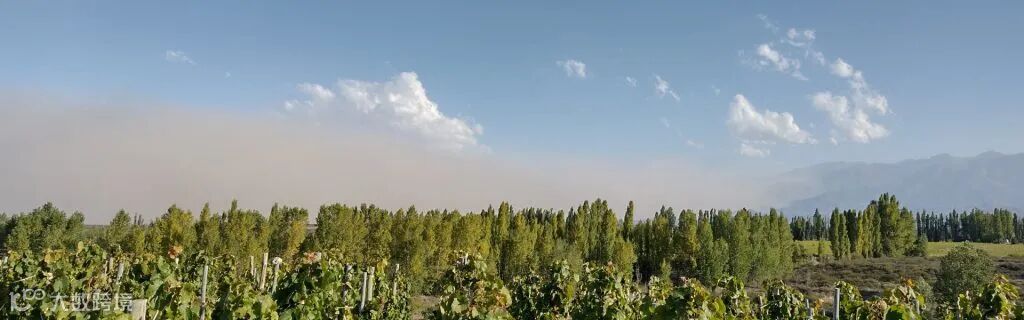
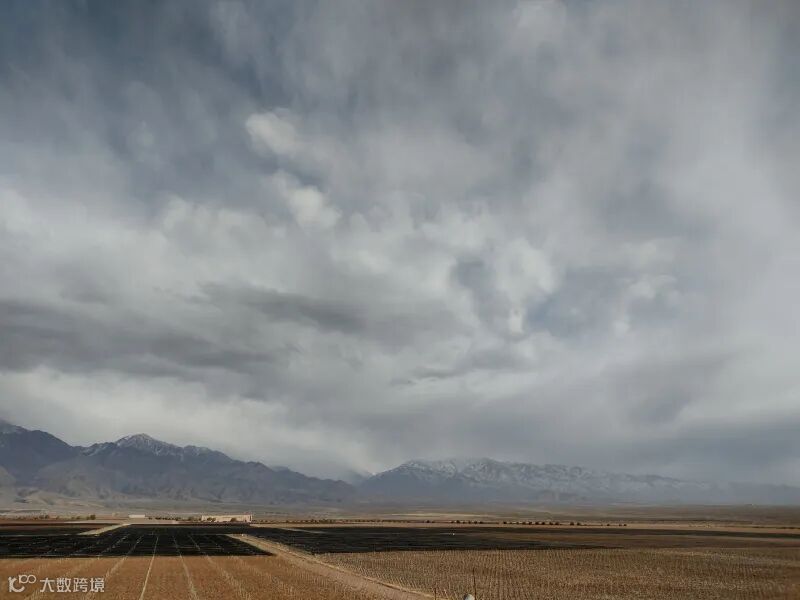
这是门多萨一个寒冷的八月早晨,晴朗干燥的一天。葡萄园里的温度计显示温度在零下几度。对冬眠过冬的植物没有威胁。然而,当修剪葡萄藤的葡萄种植者抬头望向安第斯山脉时,他们会看到他们被一种白色的薄雾包围着,这种薄雾与云线混合在一起,或者在它下面聚集成巨大的杏仁状云。那是佐达风在山间呼啸,酿酒师知道这一点。
It’s a cold August morning in Mendoza. A clear, dry day. The thermometers in the vineyards show that the temperature is a couple of degrees below zero. No threat to plants hibernating peacefully through the winter. However, when the winegrower pruning their vines looks up toward the Andes they see that they’re enveloped in a kind of white mist that blends in with cloud-line, or that has gathered below it into large almond shaped clouds. It’s the Zonda wind roaring through the mountains and the winegrower knows it.
八月,冬季中期,所以从安第斯山脉吹来的温暖干燥的风并不构成威胁。事实上,到当天下午三点的时候,那个早上还裹得严严实实御寒的葡萄种植者,就会在突然变得温暖宜人的天气里,只穿着一件毛衣,甚至只穿着衬衫袖子,继续修剪葡萄枝。如果不是因为一件心里发毛的事情,情况将是非常温和的 —— 那就是在山上肆虐的风暴是即将到来的坏事的迹象 —— 一个警告。只在8月修剪,是因为他们想尽可能地推迟葡萄藤发芽。
It’s the middle of August, mid-winter, so this warm, dry wind coming down from the Andes doesn’t represent a threat. In fact, by three that same afternoon, the winegrower, who was wrapped up against the cold that morning, will be found continuing their pruning in what has suddenly become a pleasant warmth, in just a sweater or even their shirtsleeves. The conditions would be absolutely benign if it weren’t for one unsettling thing: the storm raging in the mountains is a sign of things to come, a warning. If they’re only pruning in August, it’s because they want to delay budding as long as possible.
到9月底或10月,同样类型的风暴将敲响警钟。现在,从太平洋吹到安第斯山脉的佐达风与雪云混合在一起,对葡萄园来说是一个明确而现实的危险。早晨开始的时候可能是晴朗干燥的,但到了中午,那种温暖的感觉预示着葡萄种植者们内心最深的恐惧。
By the end of September, or into October, the same kinds of storms will be setting off alarm bells. Now, the Zonda wind that gusts up into the Andes from the Pacific to mingle with snow clouds is a clear and present danger to the vineyards. The mornings might start out clear and dry but by midday, that pleasantly warm sensation heralds winegrowers’ deepest fears.
植物正在发芽,这种不寻常的温暖只会促使它们生长得更旺盛。但现在风真的开始起了。你可以从很远的地方看到它;一团灰尘从北方或西方落下。赶紧躲起来,并关门关窗。
The plants are budding and the unusual warmth only encourages them to grow more vigorously. But now the wind really begins to gust. You can see it from a long way off: a cloud of dust coming down from the north or west. Best to get inside and batten down the hatches.
下午四点,狂风呼啸。佐达风的风速高达每小时60英里(96公里),将葡萄园笼罩在像龙息一样热的尘埃云中。到10月初,春天正式开始的时候,Zonda地区的气温可能高达40℃,干燥得让人眼花。
By four in the afternoon, the winds are roaring. Blowing at gusts of up to 60 miles an hour, the Zonda wind has enveloped the vineyard in a cloud of dust hot as dragon’s breath. By early October, when spring has officially begun, temperatures during the Zonda can be as high as 40 degrees centigrade and eye-scorchingly dry.
它带来的低气压可以在太阳穴中感受到:大多数人都感到头痛和困倦,与外面看到的能量形成鲜明对比:树枝被从树上扯下来,屋顶被撕裂到空中,道路因缺乏能见度而封路。
The low pressure it brings with it can be felt in the temples: most people suffer from headaches and the drowsiness comes in stark contrast to the energy seen outside, where branches are being torn from trees, roofs are being ripped into the air and roads are closed due to a lack of visibility.
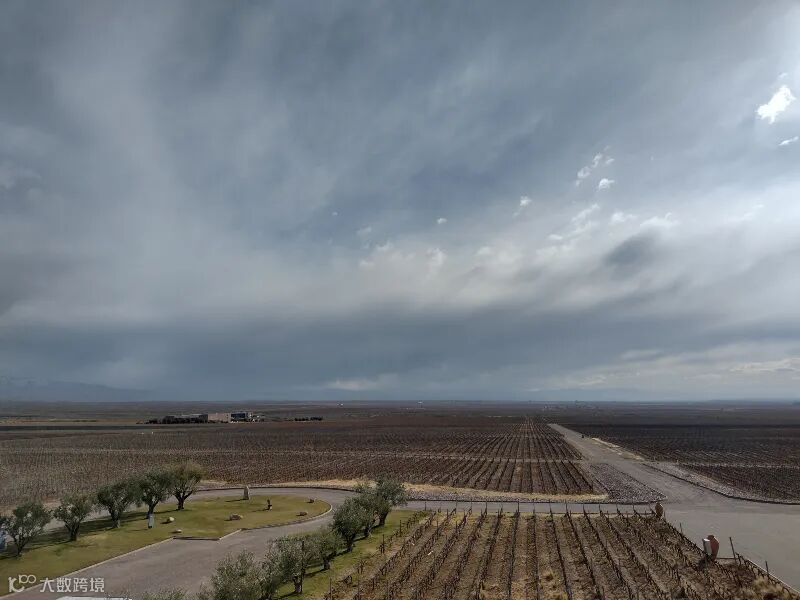
对于葡萄种植者来说,这是一个可怕的情况。这些植物受到气候压力的影响,在湿度下降到足以使霜冻成为严重危险的时候,它们会发芽(下午气温高达40度,绝对的!)Zonda会在晚上逐渐减弱,但紧跟着它的是一股来自南方的冷锋,气温会骤降。
For a winegrower, this is a terrible situation. The plants are subjected to climatic stress that drives budding while the humidity dips enough to make frosts a serious danger. With the temperature at 40 degrees that afternoon? Absolutely: the Zonda tends to die down by evening, but right on its heels will come a cold front from the south and the temperature will plunge.
没有了湿度的自然缓冲,霜冻就会从滋扰恶化为重大灾难。再过几个小时,气温就会降到零下一二度,甚至更低。然后,花蕾就会暴露出来,如果不采取保护措施,或者葡萄园太高,冷空气要到天亮才能到达,它们就会被冻伤。
Without the natural buffer of humidity, frosts worsen from nuisance to major calamity. In just a few hours, the temperatures will be at -1, -2 or even colder. The buds are then exposed and, if protective measures aren’t taken, or the vineyard is so high that the cold air doesn’t get there until daybreak, they’ll be frost-bitten.
佐达风在世界范围内得到了广泛的研究。在阿根廷,这种现象的名字令人回味,但在气象界,这种现象是众所周知的。最早被描述的是阿尔卑斯山的焚风(Foehn),但在其他地方也有记录,总是用不同的名字;落基山脉的奇努克(Chinook),南非的伯格风(Berg-Wind),以及新西兰西北的风。
The Zonda wind has been widely studied across the world. It goes by that evocative name in Argentina but the phenomenon is well-known in meteorological circles. The first to be described was the Foehn in the Alps, but it has also been recorded elsewhere, always with a different name: the Chinook in the Rockies, the Berg-Wind in South Africa, and the nor’wester in New Zealand.
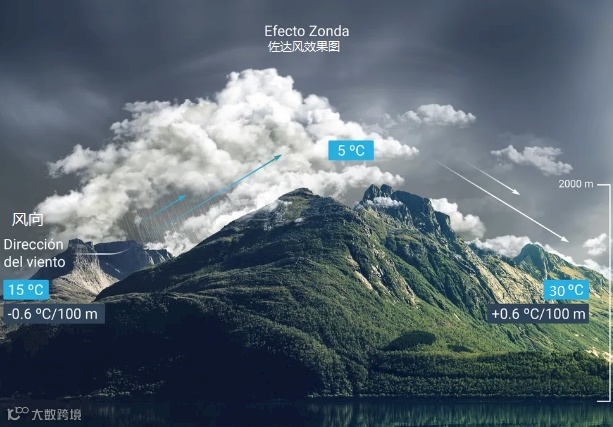
这是在大山脉中常见的现象。就Zonda而言,它通常发生在5月至11月之间。来自太平洋的风上升到安第斯山脉的斜坡上,根据海拔高度的不同,以雨或雪的形式释放湿度,并经常以凉爽、干燥的气流的形式在山峰上继续流动。然而,当它下降到平原时,压缩的影响——它从海拔6000米下降到700多米——把它变成了一团热的、脱水的空气。
It’s a phenomenon commonly found in large mountain ranges. In the case of the Zonda, it generally occurs between May and November. Winds from the Pacific rise up the slopes of the Andes, shedding their humidity as rain or snow depending on the altitude and often continuing over the peaks as a cool, dry current. When it descends to the plains, however, the effect of compression – it drops from 19,500 to 2500 feet above sea level – turns it into a hot, dehydrated mass of air.
东带的形成是潮湿空气从太平洋上升的结果,在那里它向上移动并越过安第斯山脉的智利一侧。在冬季,它有助于安第斯山脉高海拔地区的积雪凝聚,这为这个干旱地区提供了急需的融雪(以及灌溉的可能性)。风(只要保持适度)也可以帮助葡萄园保持干燥、卫生,并降低霉菌和真菌的风险。
The Zonda forms as a result of humid air rising off the Pacific Ocean, where it travels up and over the Chilean side of the Andes. In the winter it helps the snow build-up in the high elevations of the Andes, which provides the much-needed melt-off (and the possibility of irrigation) to this otherwise arid area. The wind—as long as it stays somewhat moderate—can also help keep the vineyards dry, hygienic, and with a low level of risk from molds and fungi.
然而,在春季和夏季,当Zonda沿着阿根廷一侧的山脉下降时,它会造成严重破坏。它失去了水分,变得越来越热,并聚集了大量的尘埃云。Zonda通常以每小时25英里(40公里/小时)的速度冲出山脉,但速度可以达到每小时120英里(200公里/小时)。Zonda可以在短短几个小时内将温度升高30℃;风过后通常会有一个冰冷的冷锋。难怪人们会发疯!
In the spring and summer, however, the Zonda can create havoc as it descends down the Argentine side of the mountains. It loses its moisture, becomes warmer and warmer, and gathers up large clouds of dust. The Zonda generally rushes off the mountains at 25 miles per hour (40km/h) but can reach speeds of 120 miles per hour (~200 km/h). The Zonda can raise temperatures by as much as 54°F (30°C) in just a couple of hours; and the wind event is often followed by a freezing cold front. No wonder people go crazy!
一旦植物发芽,它就会对葡萄栽培和水果栽培造成持续的威胁。这对葡萄藤来说尤其如此,因为除了霜冻造成的损害外,马尔贝克等品种的果实如果在11月的花期受到霜冻的影响,就会受到影响。
It is a constant threat to viticulture and fruticulture in general once the plants have budded. This is especially true of grape vines because in addition to damage caused by frost, varieties such as Malbec can have the setting of their fruit affected if it hits during the blossom period, which occurs in November.
到那时,全球气流已经开始转变,减少了风带形成的可能性。从理论上讲,从11月15日开始,葡萄树是安全的,在这段宽限期里,人们通常不必担心霜冻。在那之后,葡萄酒种植者就可以仰望山脉,简单地享受它们日复一日的变化,就像他们的葡萄藤一样,从早春的恐惧中解脱出来。可能会有更多的飓风袭击,但它们通常要弱得多,也更不稳定。现在,在夏季风暴来临之前,葡萄是安全的。
By then, global air currents have begun to shift, reducing the likelihood of a Zonda wind. The vines are theoretically safe from November 15 onward, the grace period when one generally doesn’t have to worry about frosts. After that, winegrowers can look up at the mountains and simply enjoy how they change from day to day, just like their vines, released from the fear that stalks them in early spring. More Zondas might hit but they are usually far weaker and more erratic. Now the grapes will be safe until the summer storms.
传说,一个名叫Huampi的卡尔查基印第安人是一个傲慢的猎人,他在频繁的狩猎旅行中不放过任何动物。他杀死了路上的所有生物,从最小的林鸟到雄伟的美洲驼。他的狩猎技能为他赢得了极大的尊重,他喜欢被人尊敬甚至害怕。然而,他的狩猎失去了控制,这表明该地区所有的动物都处于灭绝的边缘。
Legend holds that a Calchaqui Indian named Huampi was an arrogant hunter who spared no creature on his frequent hunting trips. He killed every creature in his path, from the tiniest wood birds to the majestic llama. His hunting prowess earned him great respect and he enjoyed being revered and even feared. However, his hunting was out of control to point that all of the region’s animals were on the brink of extinction.
一天,当他打猎归来时,大地女神Pachamama在耀眼的光芒中出现在他面前,对他说:“Humapi,邪恶的大地之子!你打算杀了所有的动物吗? 没有肉,谁给你吃?没有羊毛,谁给你穿?”然后,刹那间,她不见了。
One day, as he was returning from the hunt, Pachamama, the earth goddess, appeared before him in a blinding light and said, “Humapi, villainous child of the earth! Do you intend to kill all the animals? Who will feed you when there is no meat, and who will clothe you when there is no wool?” And then, in a flash, she was gone.
当Humapi瘫倒在一棵树上,试图让自己平静下来时,他听到了一种奇怪的口哨声。他感到脸被风吹得焦灼。在他周围,树木倒在地上,鲜花和水果在他头顶盘旋,他被刺痛的灰尘刺瞎了眼睛。Pachamama的复仇向他扑来,从那天起,当Zonda呼啸着穿过安第斯山谷时,它发出了人类的声音,让所有经过的人都停下来,向大地母亲的力量致敬。
As Huampi slumped against a tree and tried to calm himself, he heard a strange whistling sound. He felt his face lashed and burnt by the wind. All around him, trees crashed to the ground, flowers and fruit swirled over his head, and he was blinded by the stinging dust in his eyes. Pachamama’s revenge was upon him, and since that day, as the Zonda screeches through the Andean valleys, it cries out with a human voice, causing all in its path to stop and pay respect to the power of mother earth.
以上资料参考来源:
1.https://blog.winesofargentina.com/destacadas/zonda-wind/
2.https://winewitandwisdomswe.com/2013/05/04/the-winds-of-wine-the-zonda/
成立于2007年,是一家专注经营阿根廷精品葡萄酒进口的公司,现为阿根廷二十多个酒庄的中国总代,其中包括阿根廷的数家名庄,也是国内唯一一家由阿根廷投资,旨在促进阿根廷葡萄酒推广和销售的公司。成立近16年来,阿根多凭借专业的选酒标准、合理的价格、广泛的产品线、优质的服务,已经成为阿根廷葡萄酒的主流进口商。因为源自阿根廷,基于对阿根廷葡萄酒文化的深入了解,公司一直专注于阿根廷葡萄酒及葡萄酒文化在中国的推广和传播。经过多年的努力,公司在精选阿根廷葡萄酒方面追求品质,力求以合理的价格为大众提供醉好的来自葡萄酒的享受。因此,我们也在市场上赢得了极好的声誉,合作伙伴们给予的评价是严谨、专业、稳定、可靠的阿根廷葡萄酒供应商。
阿根多葡萄酒专家
或访问
www.agenduo.com