

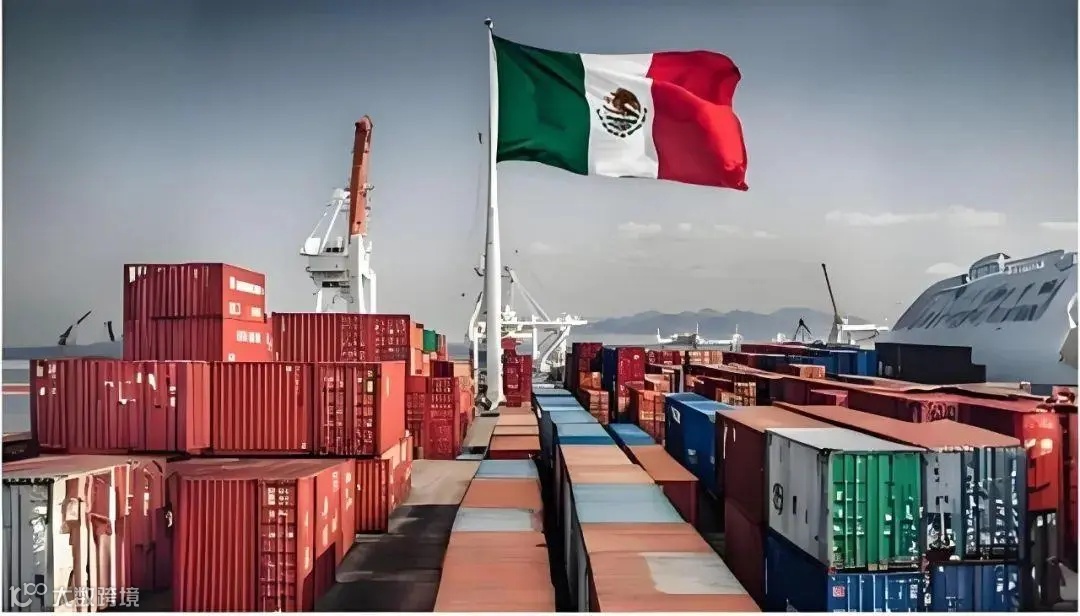
近期,墨西哥曼萨尼约港突然爆发了一场前所未有的弃货潮:一个月内约900个集装箱货物被弃置,数量同比激增300%,其中绝大多数装有来自中国的商品,且被认定为“假冒或盗版货物”。
Recently, an unprecedented wave of abandonment broke out at the port of Manzanillo in Mexico: about 900 containers of cargo were abandoned in a month, a year-on-year increase of 300%, of which The vast majority contain goods from China and are classified as "counterfeit or pirated goods".
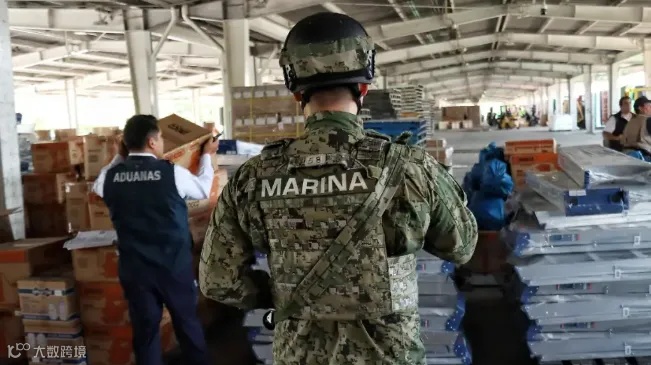
这一事件不仅引发了跨境物流行业的广泛关注,更暴露出在墨西哥知识产权法规日益严格的背景下,跨境物流中潜藏的合规风险。
This incident has not only aroused widespread attention in the cross-border logistics industry, but also exposed the compliance risks hidden in cross-border logistics in the context of increasingly stringent intellectual property regulations in Mexico.
此次弃货潮并非偶发事件,而是墨西哥全国打击盗版行动升级的直接结果。据墨西哥国家海关总署(ANAM)通报,这些被弃置的货物大多因无法提供合规证明而被海关查验扣押,最终导致货主或货代选择放弃提货。
This wave of abandonment is not an accident, but a direct result of the escalation of Mexico's nationwide anti-piracy campaign. According to the Mexican National Customs Agency (ANAM), most of these abandoned goods were inspected and seized by customs because they could not provide compliance certificates, which eventually led to the cargo owner or freight forwarder choosing to give up picking up the goods.
ANAM(墨西哥国家海关总署)给出的官方理由是:墨西哥全国打击盗版行动升级,货主/货代因“无法提供合规证明”直接放弃货物。
The official reason given by ANAM (Mexican National Customs Agency) is that Mexico's nationwide anti-piracy operation has escalated, and shippers/freight forwarders have directly abandoned the goods because they "cannot provide proof of compliance".
经调查发现:
The investigation found that:
提单与装箱单信息与实际货物严重不符
海外代理未按规定申报真实商品信息
收货人因担忧巨额罚款和法律风险,选择放弃提货
The information on the bill of lading and packing list is seriously inconsistent with the actual goods
Overseas agents fail to declare true product information in accordance with regulations The consignee chose to give up picking up the goods due to concerns about huge fines and legal risks
其关键问题在于:品牌侵权风险未被提前预警,合规意识薄弱,最终酿成当前局面。
The key problem is that the risk of brand infringement has not been warned in advance, and the awareness of compliance is weak, which ultimately leads to the current situation.
墨西哥对知识产权的保护力度极强,海关设立了专门的查验机制
Mexico has strong protection of intellectual property rights, and customs has set up a special inspection mechanism
OEM代工货也可能被界定为假货
OEM goods may also be defined as fake
值得注意的是,即便是OEM(原始设备制造商)生产的货物,只要商品标识未在墨西哥海关系统注册或无授权证明,同样可能被认定为侵权货,遭海关扣押。这一规定对许多依赖OEM模式出口的中国企业构成了严峻挑战。
It is important to note that even goods produced by OEMs (original equipment manufacturers) can be considered infringing and seized by customs as long as the product markings are not registered with the Mexican customs system or do not have a certificate of authorization. This regulation poses a serious challenge to many Chinese companies that rely on OEM exports
拼柜混装风险大,整柜货物或遭殃
LCL mixed packaging is risky, and the whole container of goods may suffer
拼箱柜中若有侵权嫌疑货物,整个柜子都将被查验。这不仅会导致滞留时间长、成本跟风险高,收货人往往只能选择放弃提货,导致无辜货物被“连坐”,给货主和货代带来巨大损失。
If there are suspected infringing goods in the LCL container, the entire cabinet will be inspected. This not only leads to long detention time, high cost and risk, but also often has to choose to give up picking up the goods, resulting in innocent goods being "jointly punished", bringing huge losses to cargo owners and freight forwarders.
面对墨西哥日益严格的知识产权保护和海关查验,跨境物流企业必须采取有效措施,确保货物安全通关。以下是三步避坑策略:
In the face of Mexico's increasingly stringent intellectual property protection and customs inspections, cross-border logistics companies must take effective measures to ensure the safe clearance of goods. Here are three steps to avoid pitfalls:
1、出口前自查品牌合规
Self-check brand compliance before exporting
任何带品牌标识、包装的货物,务必备齐合法授权。无授权的情况下,建议不能使用品牌外观。这要求企业在出口前对货物进行严格的品牌合规检查,确保所有货物均符合目的地知识产权法规。
Any goods with brand logo and packaging must be legally authorized. It is recommended not to use brand appearance without authorization. This requires businesses to conduct rigorous brand compliance checks on goods before export, ensuring that all goods comply with destination IP regulations.
2、拼柜责任要明确,签署“拼柜声明”
The responsibility of consolidating cabinets should be clear, and the "consolidation statement" should be signed ...
在拼柜运输中,各方应明确申报责任,签署“拼柜声明”,避免因他人违规被牵连。这有助于在海关查验时明确责任归属,减少无辜货物被查扣的风险。
In LCL transportation, all parties should clearly declare their responsibilities and sign a "LC Statement" to avoid being implicated by others' violations. This helps clarify responsibility during customs inspections and reduces the risk of innocent goods being seized.
3、重点港口加强预警意识
Key ports have strengthened early warning awareness
针对墨西哥、巴西、沙特等高风险地区,建议出货之前跟合作代理明确清关风险和清关责任,提升风险防控能力。这包括了解目的港的海关政策、知识产权保护法规以及可能的查验重点,从而制定针对性的出口策略。
For high-risk areas such as Mexico, Brazil, and Saudi Arabia, it is recommended to clarify customs clearance risks and customs clearance responsibilities with cooperative agents before shipment to improve risk prevention and control capabilities. This includes understanding the customs policies, IP protection regulations, and possible inspection priorities of the destination port to develop a targeted export strategy.


官网丨www.tjwasungen.com