



介绍
Introduction
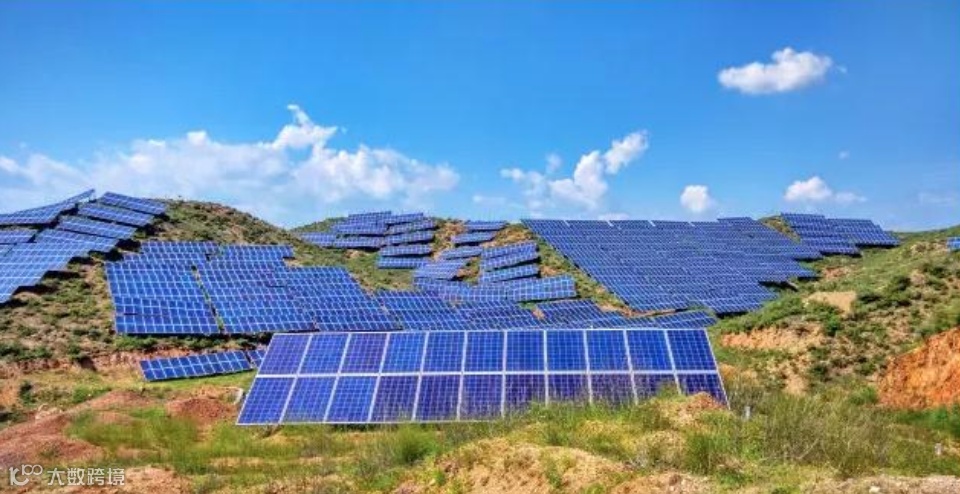
随着近几年新能源行业的兴起,光伏土地资源日趋紧张,为实现光伏多种应用场景的有效利用,柔性支架应运而生。
面对复杂多变的应用场景,柔性支架如何选型成为了多方关注的重点。
With the rise of the new energy industry in recent years, PV land resources are becoming increasingly tense, in order to realize the effective use of PV multiple application scenarios, flexible bracket came into being.
In the face of complex and changing application scenarios, how to select the flexible bracket has become the focus of attention.
1、大跨度
Large Span
通过对拉索施加预张力,使结构获得初始刚度,预张力可以抵消上部结构的荷载,通过控制索力与结构整体变形实现大的跨度。
By applying prestress to the cables, the structure gains initial stiffness. This prestress can counteract the load on the upper structure, allowing the achievement of a large span by controlling the cable forces and overall deformation of the structure.
张拉并锚固,最后进行孔道灌浆与封锚。无粘结预应力筋则不直接接触混凝土,带有防腐隔离层和外护套,适用于特定的施工要求。
Prestressing tendons are usually composed of single or bundled steel wires, steel strands, or rebar. They can be categorized based on the construction method into bonded and unbonded prestressing tendons. Bonded prestressing involves leaving ducts in the concrete component or structure, pouring concrete, curing it, threading the prestressing tendons into the ducts, and then tensioning and anchoring them once the concrete reaches the required strength, followed by grout filling and anchoring. Unbonded prestressing tendons, however, do not come into direct contact with the concrete and are protected by a corrosion-resistant layer and an outer sheath.
2、多场景 Multi-Scenario
柔性支架具有形式多样性,可适用于山地、水厂、鱼塘、水库、农业大棚、厂房、停车场等多种场景。
Flexible supports offer a variety of designs, making them suitable for diverse scenarios such as mountainous areas, water treatment plants, fish ponds, reservoirs, agricultural greenhouses, factories, and parking lots.
3、多连跨 Multi-Span
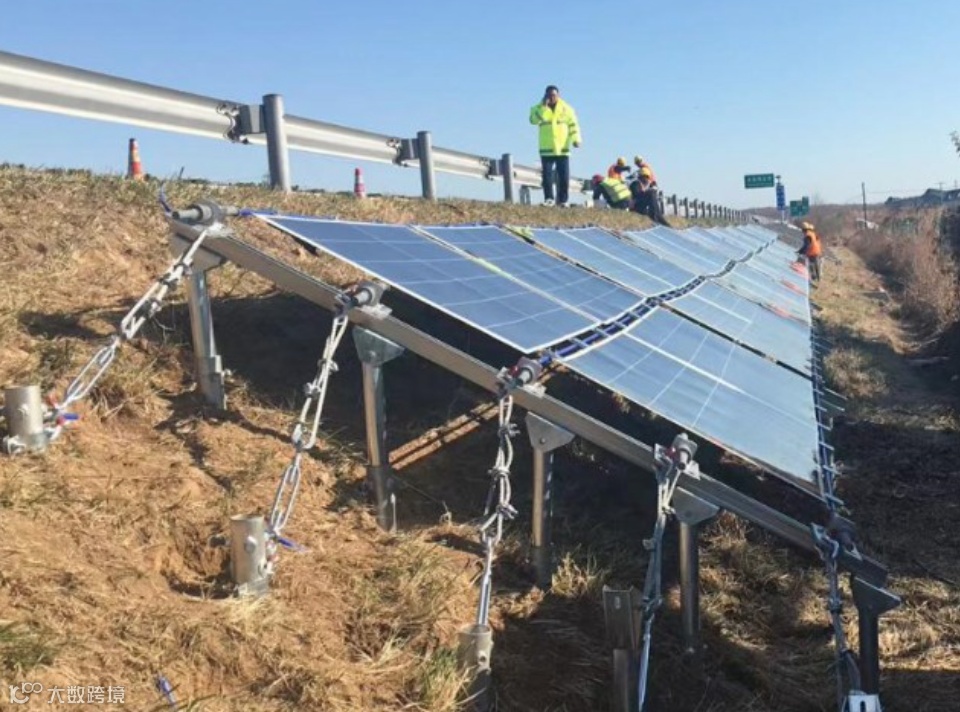
柔性支架根据地形条件可以布置成连续多跨的形式,中间不需要断开,将阵列长度加长,中间在一定的跨度范围内设置摇摆柱,端部设置支承结构。
Flexible supports can be arranged in a continuous multi-span configuration according to the terrain conditions, without the need for breaks in between. The array length is extended, with swing columns placed within a certain span range, and supporting structures installed at the ends.
4、高容量 High Capacity
柔性支架可充分利用场地条件,按“多连跨,多联排”的原则,将结构合理布局,最大限度提高土地利用率。
Flexible supports can fully utilize site conditions by following the principle of "multi-span, multi-row" arrangements. This allows for a rational layout of the structure, maximizing land use efficiency.
5、高净空 High Clearance
柔性支架可采用架高立柱的方案以适应场地净空要求,如水厂、厂房、连廊等项目高度可做到10m以上。
Flexible supports can use elevated column designs to meet site clearance requirements. For projects such as water treatment plants, factories, and corridors, heights can exceed 10 meters.
6、低含钢量 Low Steel Content
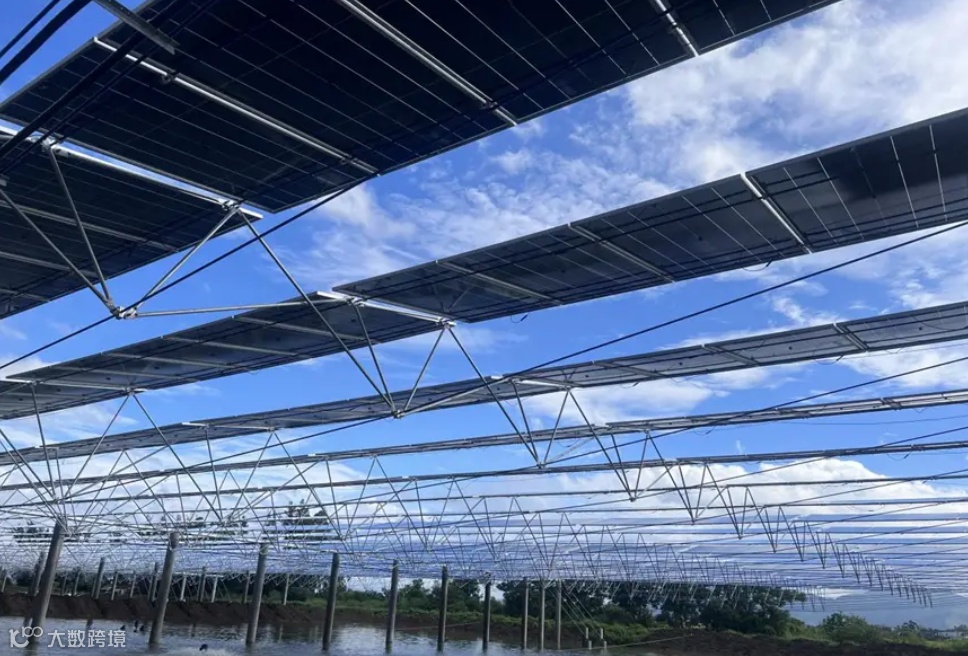
与传统刚架或桁架相比,柔性支架具有低含钢量的特点。用高强度拉索替代一般受拉构件,大大降低结构自重,从而降低结构整体用钢量。拉索为结构提供整体刚度的同时贡献应力刚度。
Compared to traditional rigid frames or trusses, flexible supports feature a low steel content. By replacing conventional tensile components with high-strength cables, the structural self-weight is significantly reduced, thereby decreasing the overall steel usage. The cables provide overall stiffness to the structure while also contributing to its stress stiffness.
面对形式多样的柔性支架,可结合其结构形式和受力特点,总结出适用条件,作为结构选型的依据。
Given the diverse forms of flexible supports, it is essential to summarize their applicable conditions based on their structural forms and load characteristics. This summary can then serve as a basis for selecting the appropriate structure.
|
||||||||

点击蓝字,关注我们