
2025年DSE核心科目之一的英语科的阅读和写作于今天(4月3日)顺利结束啦!考后我们欣喜地发现,威学一百老师们精准预测了本次考试的题型与内容!学员反馈课堂上的教材内容与实际考试内容高度契合。

△ 精准预测考试题型
此次DSE大考期间,我们始终与广大考生并肩作战,为此精心策划了「25年DSE大考系列重磅直播——考前之夜(必修科目)」线上讲座,助力同学们实现考前高效备战!昨晚,陈志珊老师和王珊老师倾情分享了英语阅读和英语写作的必考点、重难点和易错点,助力考生更有针对性地备考,从而在考场上发挥出最佳水平!
25年DSE大考系列重磅直播——考前之夜(必修科目)线上直播于4.4-4.7晚上19:00持续精彩开播,老师们将带领同学们在考前实现快速梳理必考点、重难点和易错点,全面提升备考质量和效率!此外,25年DSE大考系列重磅直播——考前回顾(必修科目)线上直播于4.5-4.8下午16:00持续精彩开播,由我们亲赴考场的老师带来第一手的考情回顾,欢迎大家扫码下方海报预约直播!


本次考试,威学一百的老师们也亲身参与其中应考,在考后以迅捷高效的教研效率,对整个考试具体考情进行了精心整理与详细分析,旨在为后续考生提供清晰且精准的备考方向!
点击回顾:
接下来,小编就来带大家揭秘今年英语科的阅读和写作考试题目和考情分析。2026/2027年备考DSE的各位同学们,切勿错失这份弥足珍贵的备考资料!务必好好收藏并充分利用哦!
为了帮助大家更好地备考,我们特整理了今年DSE英语阅读真题来源以及DSE写作题目,想要领取的小伙伴可以扫码添加小助手领取哦~
↓↓↓

Part A 阅读题目
Part A Text 1
出处1:Everyday Health 《每日健康》
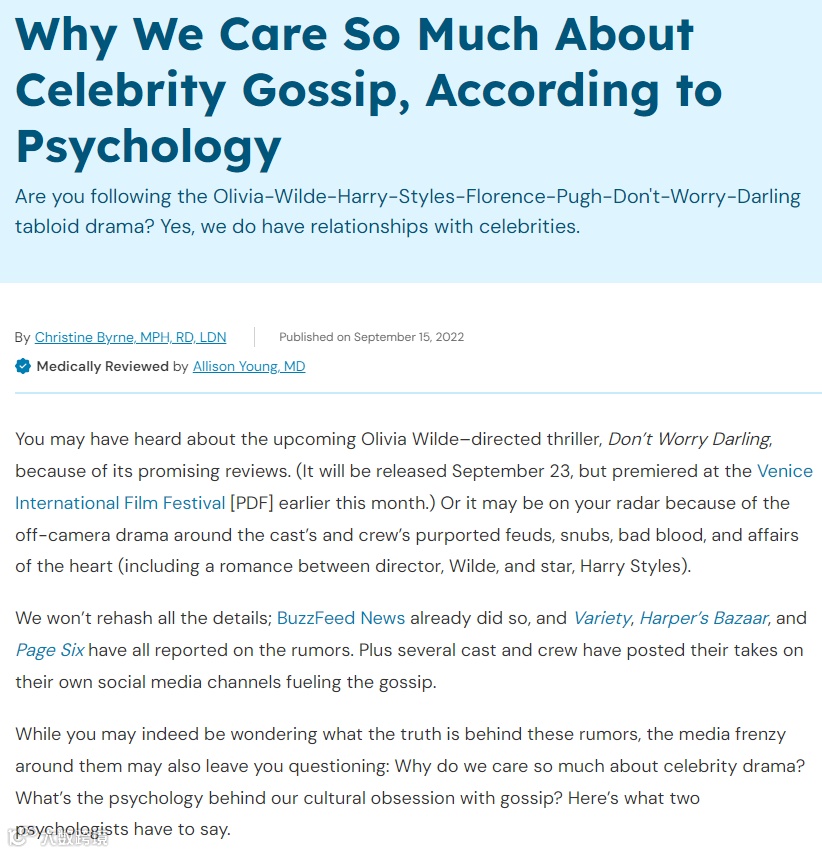
出处2:NPR 美国国家公共广播电台

Part B 阅读题目
Part B1 Text 3
出处:Varsity Hong Kong《香港大学报》
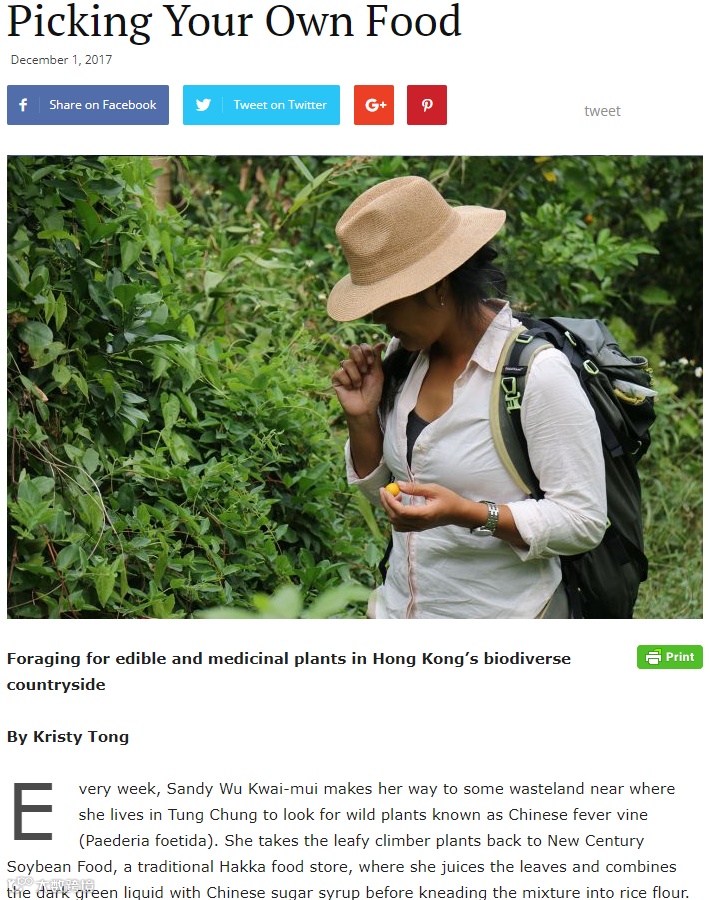
Part B1 Text 4
出处:Imagine5 newsletter(网上平台)

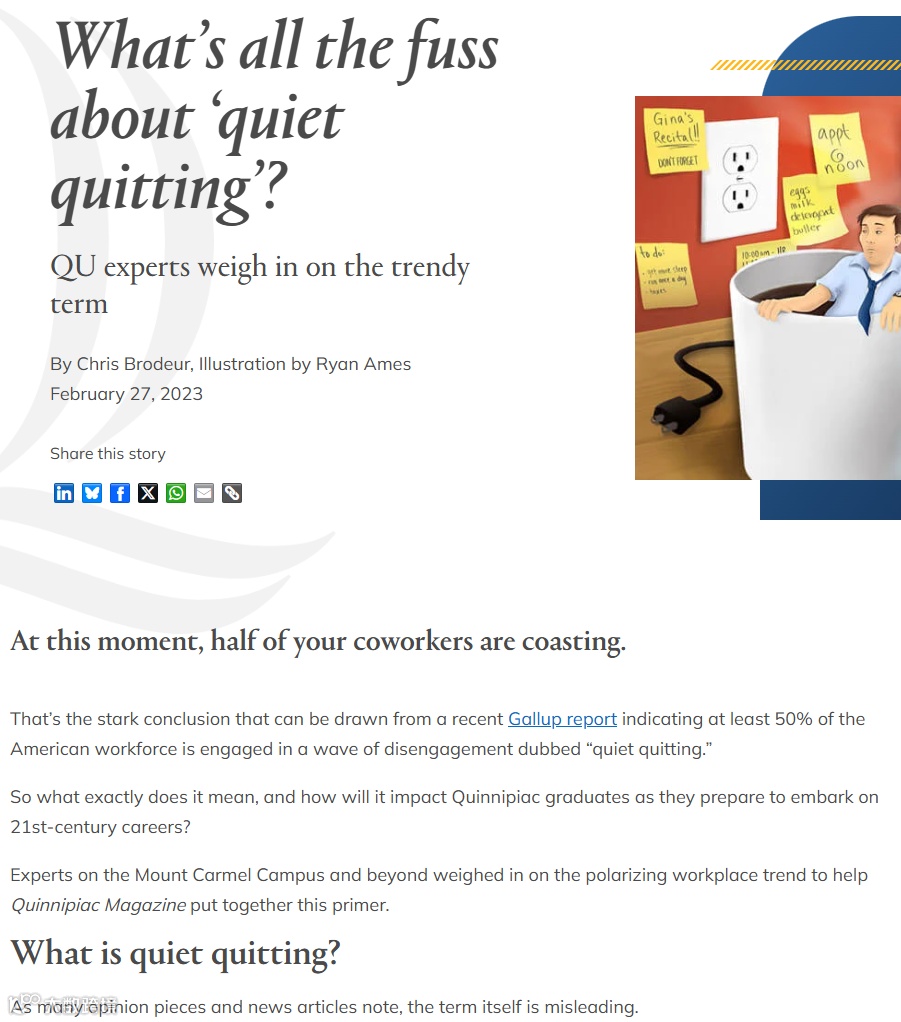
Part B2 Text 5
出处:Quinnipiac Today《奎尼皮亚克大学今日》(奎尼皮亚克大学运营的新闻平台)
Part A 写作
题目1:
题型:Leaflet
内容:852 TEEN Art Club社团介绍
要求围绕以下三个标题来写(按照顺序):
1. our background
2. A club member's most memorable experience
3. future activities
Part B 写作
以下题目选择一个来进行写作:
题目2:
题型:short story
内容:You met an old classmate who behaved bad. He became a better person after something happened last year. Write a story about what happened to him.
题目3:
题型:Letter to the editor
内容:many people today sit in coffee shops and fast food restaurants for a long time doing tutorial lessons and other activities. write a letter to a newspaper editor to discuss this problem.
题目4:
题型:Essay
内容:Teamwork is important in the workplace but in reality it is not popular among workers. Write an essay discuss the challenges of teamwork and suggestions to overcome these challenges.
题目5:
题型:Blog Post
内容:Share your experience about being a vegetarian for 1 week and explain whether you will continue or not.
阅读考情分析
文章内容&难度:
Part A: Celebrity Gossip
难度:大于2024年
题型:常规题型(多指代、解释类题目;填空题难度较高)
文章难度:中等
Part B2:Quiet quitting
难度:略小于2024年
题型:3道summary填空题;无改错题
注意:Part A(参考2019 Q18)和Part B2(人名)都有匹配题
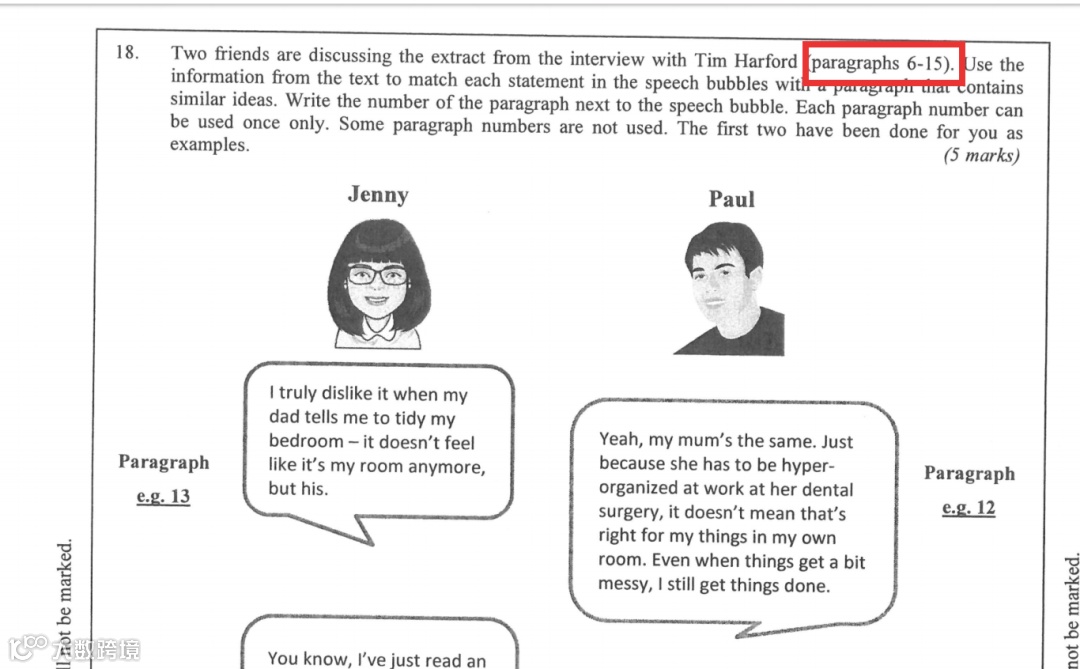
△ 2019年Part A Q18
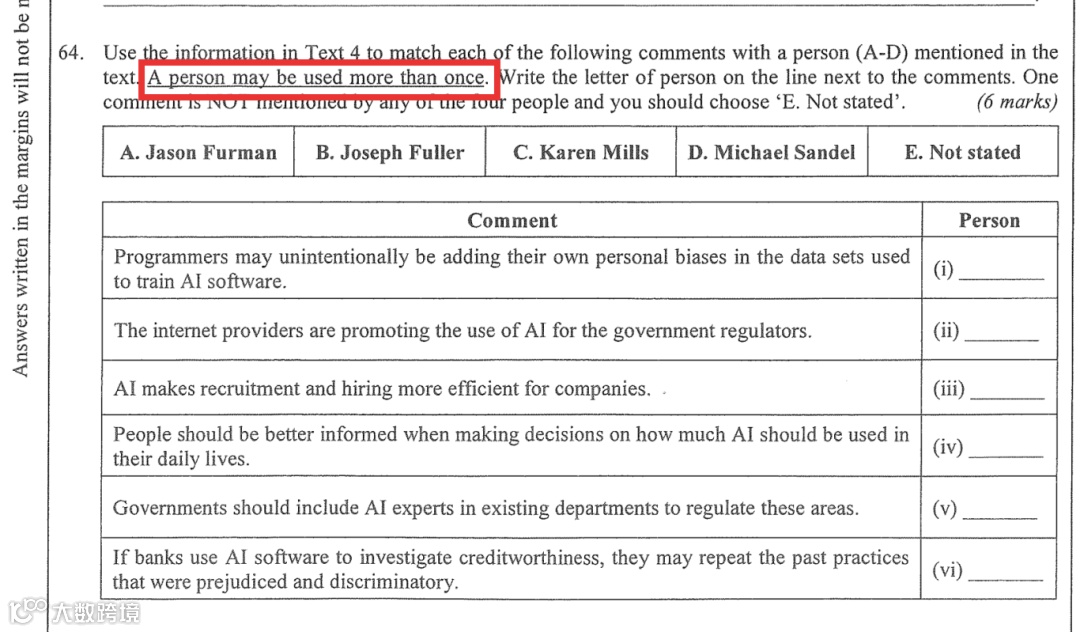
△ 2022年Part B2 Q64
备考建议:
1. 加强核心词汇积累和长难句分析能力
2. 平时一定要限时做题+模考
3. 熟练掌握常见题型的答题技巧
4. 考试的临场发挥非常重要
答题技巧:
1. 填空、判断、指代题难度一般相对较低,时间不够时可优先完成;
2. 乱序的配对题一定和前面的顺序题同时完成;
3. 时间不够时一定要舍弃自己不擅长的题目,优先考虑正确率。
写作考情分析(Part A)
题目1
题型:Leaflet
内容:852 TEEN Art Club社团介绍
要求围绕以下三个标题来写(按照顺序):
1. our background
2. A club member's most memorable experience
3. future activities
写作思路剖析
1.Our Background
Welcome to the 852 TEEN Art Club, a vibrant community for young art enthusiasts in Hong Kong!
Founded in 2018, our club is dedicated to nurturing creativity and providing a platform for teens aged 13-18 to explore their artistic talents.
Whether you're passionate about ink painting, photography, pottery-making, or other exciting art forms, we've got something for everyone.
Our mission is to inspire self-expression and build a supportive network where members can learn from professional artists, share ideas, and grow together.
With over 100 active members and monthly workshops held at our cozy studio in Kowloon, we've become a hub for artistic discovery.
No prior experience is needed—just a curiosity for art and a willingness to try new things!
2.A Club Member's Most Memorable Experience
One of our members, 16-year-old Chloe, recalls her unforgettable experience during last year's Ink Painting Exhibition.
“I'd never tried ink painting before joining the club,” she shares. “But during a workshop, our instructor taught us traditional techniques, and I created a piece inspired by the Victoria Harbour skyline. I was nervous at first, but seeing my artwork displayed at our annual exhibition was incredible. Friends, family, and even strangers complimented my work—it boosted my confidence so much!”
Chloe's story is just one of many. Our club isn't just about making art; it's about creating memories, building skills, and celebrating every member's unique journey.
From pottery mishaps turned into laughter to photography trips capturing Hong Kong's hidden gems, these moments make our club special.
3.Future Activities
Exciting things are on the horizon for 852 TEEN Art Club!
In the coming months, we're planning a Photography Walk through Tai Kwun to snap stunning shots of heritage and culture, followed by a Pottery-Making Day where members can craft their own bowls and vases.
We're also launching a collaborative mural project in December to showcase our talents to the community.
Plus, look out for guest workshops with local artists and a year-end Art Fair in 2026 to display your masterpieces.
Join us to unleash your creativity and be part of something amazing—sign up today at 852teenartclub.hk! Let's make art together!
写作考情分析(Part B)
题目3
题型:Letter to the editor
内容:many people today sit in coffee shops and fast food restaurants for a long time doing tutorial lessons and other activities. write a letter to a newspaper editor to discuss this problem.
写作思路剖析
Dear Editor,
I am writing to express my views on a growing trend in our city: people spending extended periods in coffee shops and fast food restaurants, not just to eat or socialize, but to engage in activities like tutorial lessons, work, or even leisure pursuits. While this phenomenon reflects the adaptability of modern lifestyles, it also raises questions about the purpose of these spaces and their impact on businesses and the community.
On one hand, I see the appeal of using coffee shops and fast food outlets as makeshift study or work hubs. With their comfortable seating, free Wi-Fi, and readily available food and drinks, these venues offer a convenient alternative to libraries or homes, especially for students preparing for exams like the HKDSE. For instance, a group of teenagers revising together over a cup of coffee can enjoy a relaxed yet focused atmosphere that a crowded library might not provide. Similarly, freelancers or remote workers might find these spaces a refreshing change from isolation at home. In a fast-paced city like ours, where space is a luxury, it's understandable that people maximize these accessible locations.
However, this trend is not without its downsides. Coffee shops and fast food restaurants are, at their core, businesses designed to serve customers efficiently and turn over tables. When individuals occupy seats for hours—sometimes buying only a single drink or small meal—it can strain the establishment's resources and profitability. I've noticed, for example, that during peak hours, some cafes become so packed with students or laptop users that regular customers struggle to find a seat. This could discourage those who simply want a quick meal or coffee break, potentially hurting the business's primary purpose. Shouldn't there be a balance between accommodating these extended stays and ensuring fair access for all patrons?
Moreover, I wonder about the broader social implications. While it's great to see young people studying diligently, I worry that this reliance on commercial spaces might reflect a lack of affordable, dedicated public areas for such activities. Libraries, while excellent, are often limited in number and hours, and community centers may not always meet the demand. Perhaps the government could invest in more youth-friendly study hubs—spaces with Wi-Fi, desks, and a quiet environment—reducing the pressure on private businesses while supporting students' needs.
That said, I don't believe the onus should fall entirely on businesses or authorities. Customers could also play a part by being mindful of their time and spending. For example, if someone plans to stay for hours, they might consider ordering periodically to support the venue. Some cafes overseas have introduced time limits or minimum-spend policies during busy periods, which could be a fair compromise here too. It's about mutual respect—acknowledging that these are shared spaces, not personal offices.
In conclusion, while I appreciate why people linger in coffee shops and fast food restaurants for tutorials and other tasks, I believe we need a more sustainable approach. Businesses, customers, and policymakers could work together to address this trend, ensuring these venues remain welcoming for everyone. I'd love to hear other readers' thoughts on how we can strike this balance in our bustling city.
题目4
题型:Essay
内容:Teamwork is important in the workplace but in reality it is not popular among workers. Write an essay discuss the challenges of teamwork and suggestions to overcome these challenges.
写作思路剖析
The Challenges of Teamwork in the Workplace and How to Overcome Them
Teamwork is often hailed as a cornerstone of success in the workplace, fostering collaboration, innovation, and efficiency. However, despite its praised benefits, it remains surprisingly unpopular among many workers. This paradox stems from several challenges that make teamwork difficult to embrace in reality. By understanding these obstacles and proposing practical solutions, employers and employees alike can unlock the true potential of collective effort.
One major challenge is the clash of personalities and working styles. In any team, individuals bring diverse traits—some are assertive, others reserved; some thrive on structure, while others prefer flexibility. These differences can lead to friction. For instance, a meticulous worker might feel frustrated by a teammate's laid-back approach, resulting in tension rather than synergy. I've seen this in school group projects, where mismatched dynamics often derail progress. In the workplace, such conflicts can reduce morale and productivity, making solo work seem more appealing.
Another hurdle is unequal contribution, often dubbed the “free-rider” problem. In teams, there's a risk that some members coast along, relying on others to carry the load. This breeds resentment among diligent workers who feel overburdened and undervalued. Imagine a sales team where one member consistently misses targets, yet the group bonus is shared equally—hardly motivating for the high performers. This imbalance can make workers skeptical of teamwork, preferring individual tasks where effort directly correlates with reward.
Communication breakdowns also pose a significant barrier. Effective teamwork hinges on clear, timely exchanges, but misunderstandings or poor coordination can derail even the best intentions. For example, if a project deadline shifts and not everyone is informed, confusion ensues, deadlines are missed, and blame circulates. In fast-paced workplaces, where emails pile up and meetings are rushed, such missteps are common, reinforcing the notion that working alone is simpler and less error-prone.
So, how can these challenges be addressed? First, fostering compatibility within teams is key. Employers could assess employees' strengths, preferences, and personalities—perhaps through surveys or team-building exercises—before assigning groups. Pairing complementary skills, like a creative thinker with a detail-oriented planner, can turn diversity into an asset rather than a liability. Regular check-ins could also help teams adjust dynamics early, preventing conflicts from festering.
To tackle unequal contribution, clear roles and accountability measures are essential. Managers should define each member's responsibilities from the outset and track progress transparently, perhaps using shared tools like project management software. Recognizing individual efforts within the team—through praise or incentives—can also motivate everyone to pull their weight. If one person's slacking becomes evident, it's easier to address without souring the group's spirit.
Improving communication requires both structure and culture. Teams could establish preferred channels—say, instant messaging for quick updates and meetings for big decisions—to streamline interactions. Encouraging an open environment where questions and feedback are welcomed can also reduce misunderstandings. Training in active listening or conflict resolution might further equip workers to navigate team challenges confidently.
In conclusion, while teamwork's unpopularity stems from real issues like personality clashes, uneven effort, and poor communication, these are not insurmountable. With thoughtful team formation, clear accountability, and robust communication strategies, workplaces can transform teamwork from a burden into a strength. It's time we bridge the gap between its theoretical value and practical appeal, creating environments where collaboration truly thrives.
结语
我们深耕国际教育领域多年,深度了解港系国际学校备考,对于DSE课程更是深入剖析。目前,广州/深圳/杭州校区「DSE全年班」火热招生中!名额有限!精品小班制授课,助力26年/27年学员冲击香港梦校!欢迎扫描下方海报二维码了解更多课程详情!

<<< 更多精彩文章 <<