While young Chinese consumers’ passions for tea and coffee have made the products a token for socialization, brands’ marketing strategy is also navigating from unveiling new flavors to crossover teaming up with luxury houses which drives more social buzz.
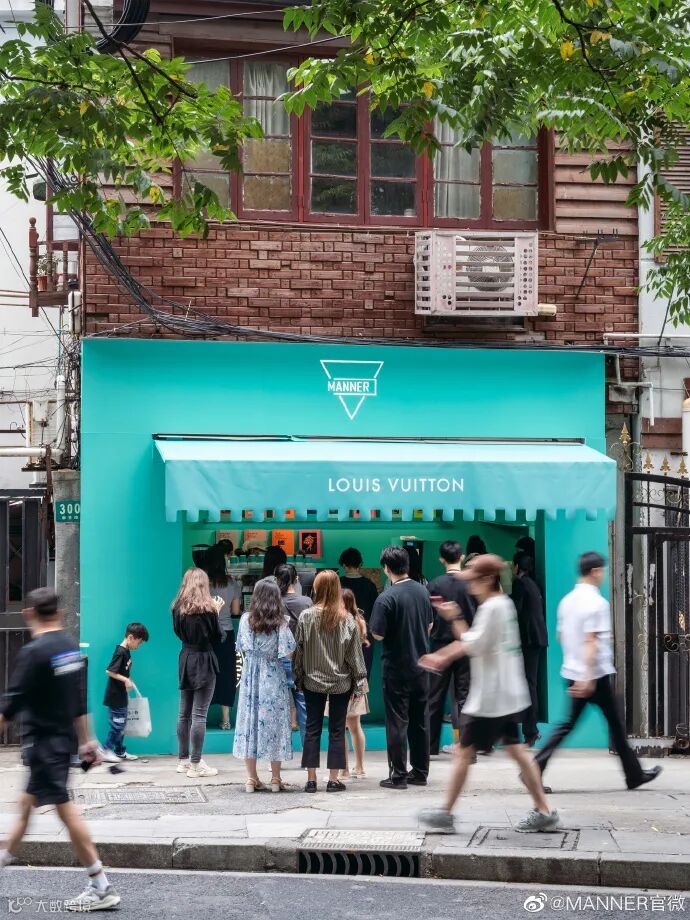
Fendi × Heytea, Louis Vuitton × Manner, luxury brands and new consumer brands are partnering together to embrace Gen Z consumers.
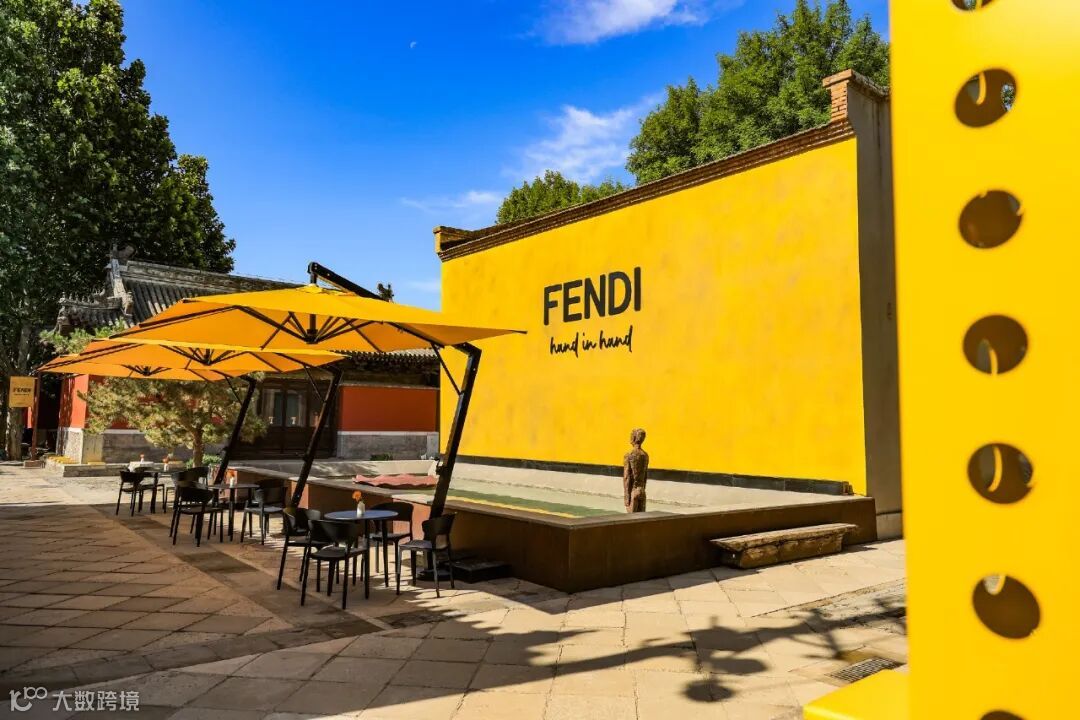
The former turned the yellow and black drink packaging and paper bags ‘hunger marketing tricks’ in China, as hundreds of thousands of young people had to wait and queue online and in-store to buy new drinks and collect what might be their very-first bag with a ‘Fendi’ luxury logo affixed to it; the latter opened up pop-up bookstores in Shanghai for people to buy Manner coffee with the LV logo special edition paper cups or else two books for at least 580 RMB to get a canvas tote bag with the LV logo.
DENTSU CREATIVE’s Gen Z creative team dentsu Z talks to Campaign Asia, decoding whether it’s a likely pick or gimmick when luxury brands meet new consumer brands, as well as whether the phenomenon will become a win-win new marketing strategy.
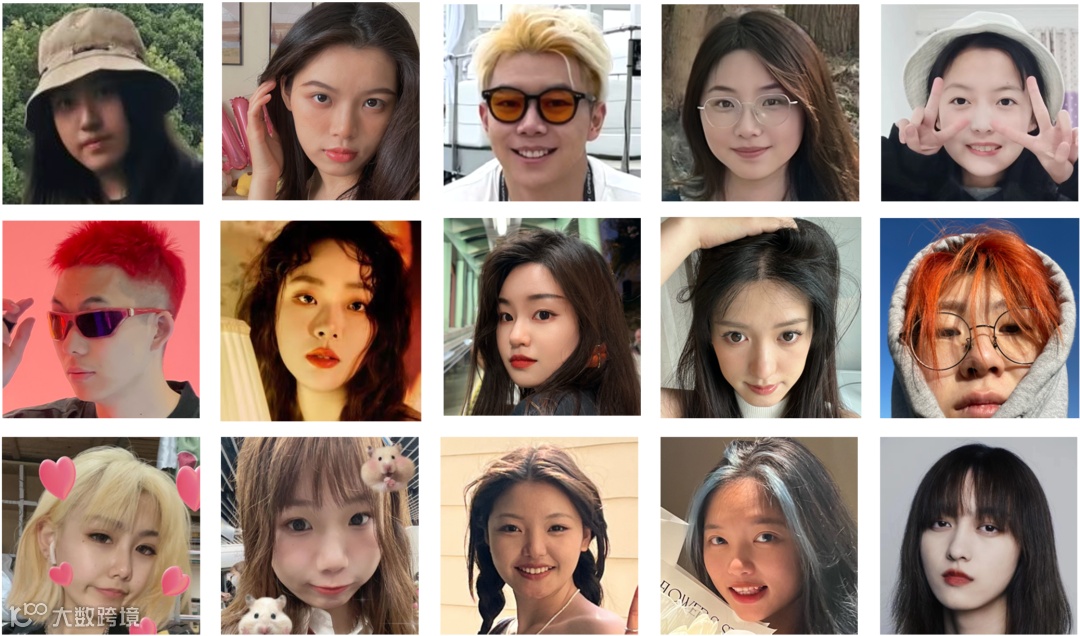 dentsu Z 2.0 team
I think brand collaborations brings fresh experience, and Gen Z will notice the freshness. Some FMCG and luxury brands collabs will have a great sense of contrast, and consumers will be curious about what they’ve done. Finally, there will also be a kind of ‘conformity’: my friends have been there, bought it, drank it...so I’m going to check it out too.
dentsu Z 2.0 team
I think brand collaborations brings fresh experience, and Gen Z will notice the freshness. Some FMCG and luxury brands collabs will have a great sense of contrast, and consumers will be curious about what they’ve done. Finally, there will also be a kind of ‘conformity’: my friends have been there, bought it, drank it...so I’m going to check it out too.
The brands themselves are not quite closely related but are well known, which will stimulate consumers’ curiosity. Undifferentiated collaboration breaks down consumer stereotypes and perceptions, which is really a “brave” move.
@Yike
Like Fendi × Heytea’s case, Fendi is a luxury brand that “can only be admired from afar” by most people. But through a collaboration with beverage brand Heytea, with a slogan of “19 yuan to buy the first luxury item in your life,” it becomes affordable to almost everyone. Through culture and brand identity, the saying meets the unique psychological emotions of consumers. Everyone feels the kind of psychological implication that one is buying bubble tea with extra benefits. Together with the brand’s marketing, two brands which seem to be irrelevant brought a massive amount of trending topics on social media, from product packaging to design, and quickly broke out of the circle to become a hot topic online.
 With differentiation and a “thinking out of the box” mindset, the point of such collaboration, in my opinion, is to step out of your comfort zone and break out of your own bottleneck. I think it will continue to rise in the short term, but for a brand itself, branding outweighs constant collaboration with other brands.
Such fantastic brand collaboration will be eye-catching regardless of its format and presentation. No one can help but be surprised by the sudden announcement of almost unrelated products. To break the circle and achieve this sense of shock, brands need something new; collaboration is the most direct way to do that. But brands should be careful about content. Otherwise, it may produce the opposite effect. They can’t just cooperate for the sake of exposure and popularity.
It is an excellent opportunity for emerging brands to get exposure quickly. As more consumer sub-cultures emerge, brand collaborations have more approaches and will help emerging brands as a long-term strategy. Although there may currently be some comments about the brands’ market sinking, mainstream opinions still trend positive, tapping and bringing brands and potential customers closer together.
Brand collaboration will make luxury goods more accessible and trendy, but if the quality of the co-branded products cannot be guaranteed, it will affect the “classic” style of the luxury goods.
16-25 years olds who are active online or are heavy users of social media platforms love to buy trendy products, as these collaborations give them an illusion of purchasing luxury goods at the price of a cup of milk tea. Brands with deep insights into the new trend of post-pandemic consumption downgrading are catching the user’s pain points at the moment.
With differentiation and a “thinking out of the box” mindset, the point of such collaboration, in my opinion, is to step out of your comfort zone and break out of your own bottleneck. I think it will continue to rise in the short term, but for a brand itself, branding outweighs constant collaboration with other brands.
Such fantastic brand collaboration will be eye-catching regardless of its format and presentation. No one can help but be surprised by the sudden announcement of almost unrelated products. To break the circle and achieve this sense of shock, brands need something new; collaboration is the most direct way to do that. But brands should be careful about content. Otherwise, it may produce the opposite effect. They can’t just cooperate for the sake of exposure and popularity.
It is an excellent opportunity for emerging brands to get exposure quickly. As more consumer sub-cultures emerge, brand collaborations have more approaches and will help emerging brands as a long-term strategy. Although there may currently be some comments about the brands’ market sinking, mainstream opinions still trend positive, tapping and bringing brands and potential customers closer together.
Brand collaboration will make luxury goods more accessible and trendy, but if the quality of the co-branded products cannot be guaranteed, it will affect the “classic” style of the luxury goods.
16-25 years olds who are active online or are heavy users of social media platforms love to buy trendy products, as these collaborations give them an illusion of purchasing luxury goods at the price of a cup of milk tea. Brands with deep insights into the new trend of post-pandemic consumption downgrading are catching the user’s pain points at the moment.
It’s not just about changing packaging and labelling. Instead, it is about brand fusion and co-creation. Taking KFC and Pop Mart as an example, collaboration and co-creation becomes a set of IP toy blind boxes. Unlike most brands that simply use the image of the co-branded IP, KFC wanted to attract young people while keeping valuable brand equity. Therefore, the most classic Colonel Sanders and KFC food were used as inspiration and perfectly integrated into the DIMOO design, vividly and interestingly showcasing the KFC brand’s charm.
Tap “Read More” for more insights on Campaign Asia.