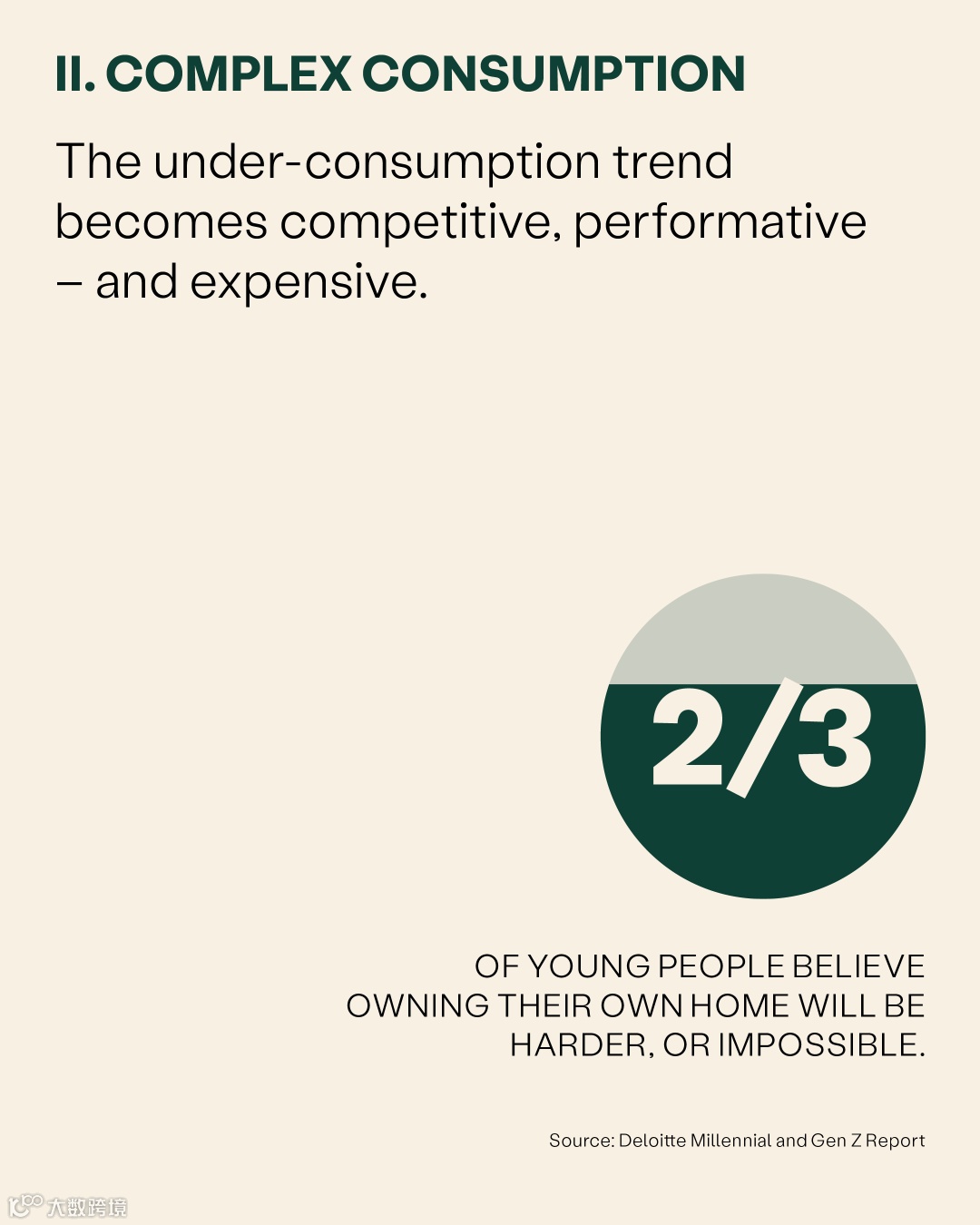
Research revealed that almost two-thirds of young people believe that owning their own home will be a challenge, while 47% of Millennials feel that starting a family is out of reach. For others the response is at worst a sense of resignation, at best a re-evaluation of what a life well-lived means, and whether an alternative definition of success, one that prioritizes wellbeing and personal fulfilment, may be possible.
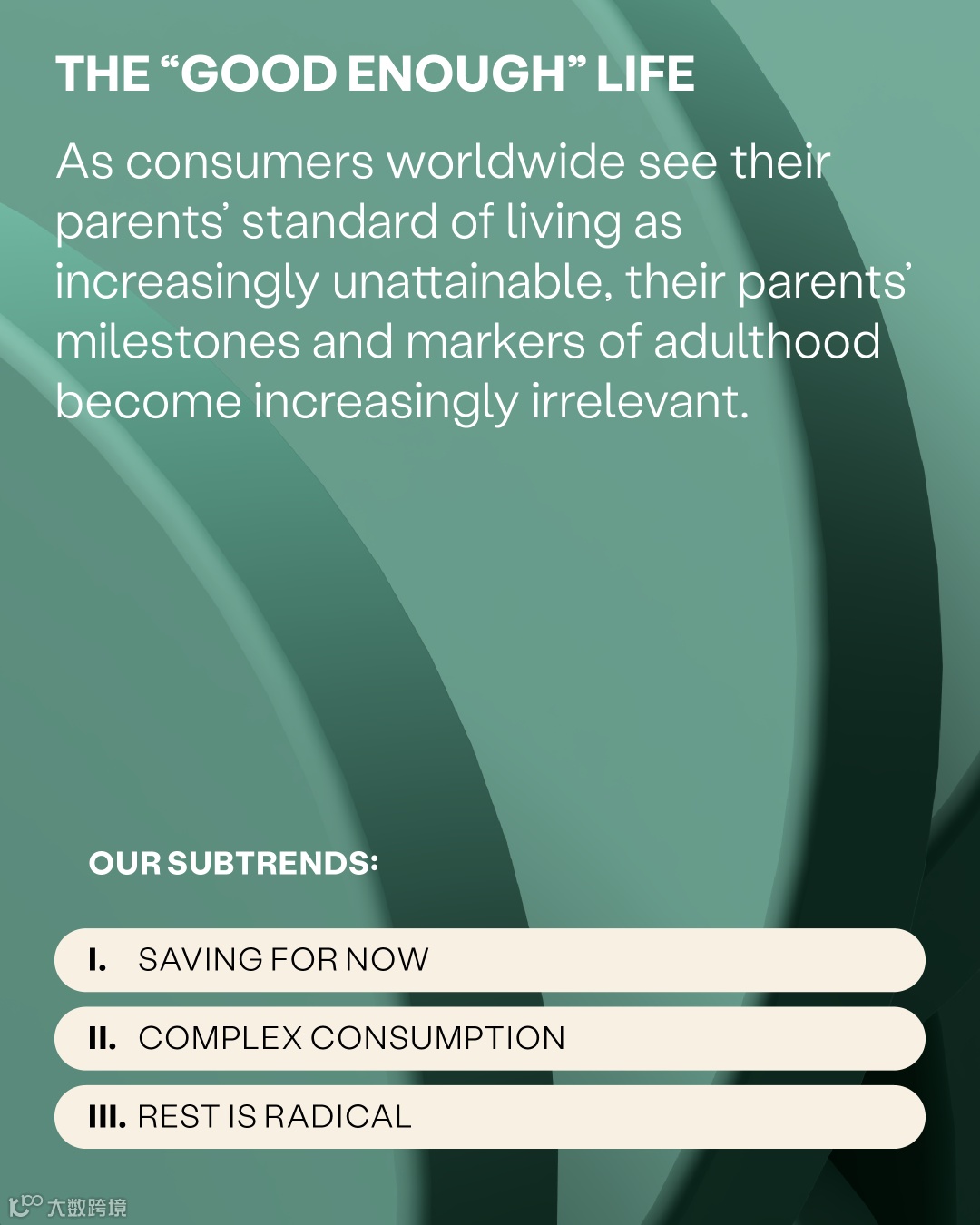
In that spirit of re-evaluation, many are ditching extreme work (and workout) regimes, climbing off the career ladder and making do with what’s already in the wardrobe. They are embracing a life that is “good enough”.
The passion economy is having a transformational effect on the future of employment, as more and more individuals embrace a freelance existence, develop their own business or find ways to monetize their passions. 45% of Millennials in the US are freelancers, while 60% of young people in the UK want to start their own business. Data from Adobe shows that almost half (48%) of the creators in the world are monetizing their output to some degree.
Across generations and markets, we see consumers redefining what they want in life, what counts as ‘aspirational’ and what constitutes ‘success’ on a planet in crisis. Within these trends we see three subtrends to unpack.
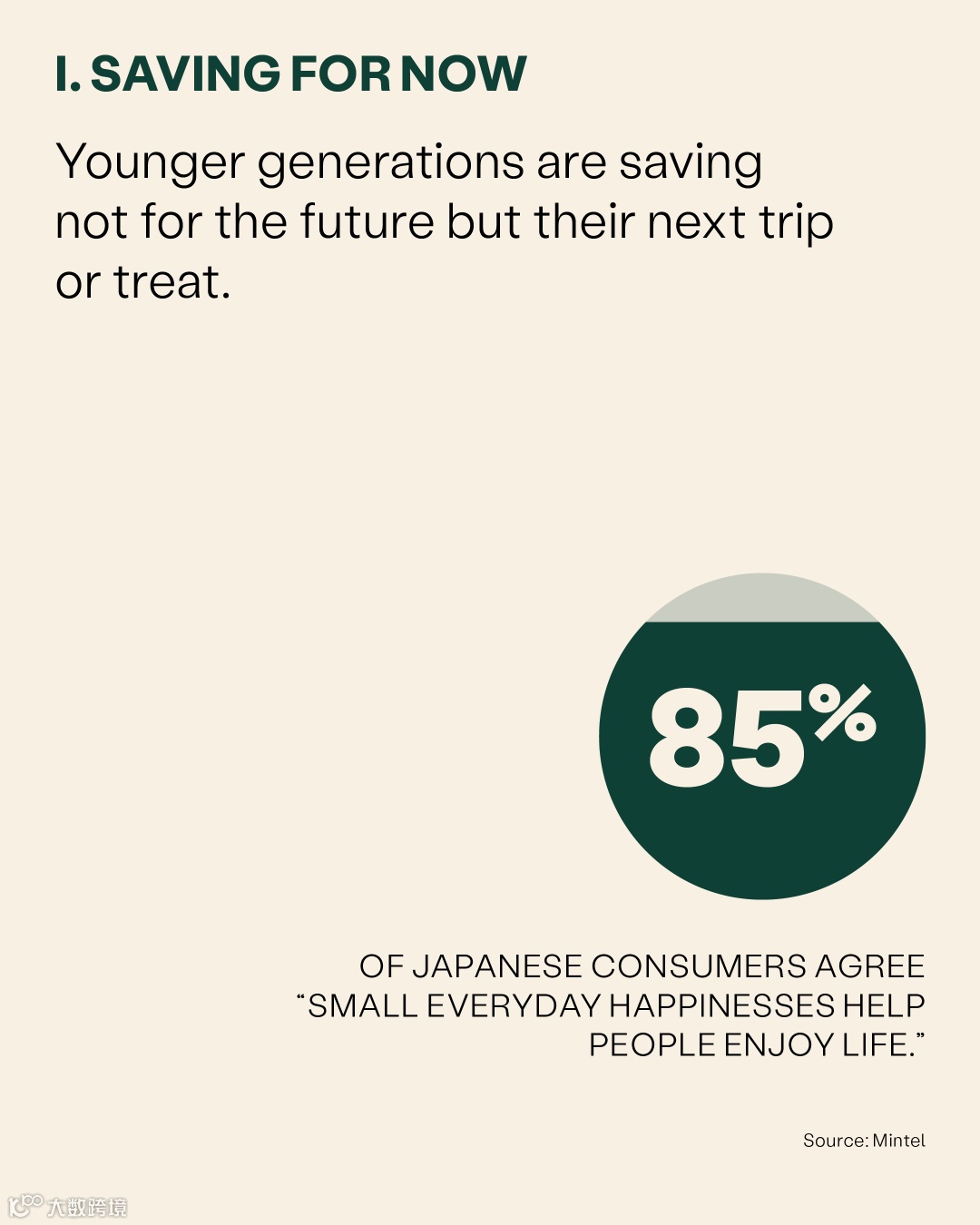
Younger generations are saving not for the future but their next trip or treat.
Whereas previous generations saved for the future, younger audiences today are saving for trips, treats, and the freedom to live on their own terms. Financial independence, work-life balance and the ability to generate “passive income” represent financial success for younger generations, according to a study by Prudential. For many, what they desire most is the freedom to pursue their passions, best of all to make a living doing what they love. TikTok’s “TikTok Means Business” campaign strapline has recognized this passion-led entrepreneurial spirit.
Travel is a higher priority for Millennials than traditional life goals, perhaps in response to those goals shifting further beyond their reach. A study by Business Insider, in partnership with YouGov, shows Millennials in the US prioritize travel over being debt free, owning a home or starting a family.
Elsewhere we see a trend towards “doom spending” – the 21st century equivalent of “the lipstick effect” embraced by 43% of Millennials and 35% of Gen Z, according to a survey by Credit Karma. In 2025 we will continue to see “treat therapy” as both a dopamine lift and a means to build social capital, as #littletreat culture continues to offer both escapism and indulgence.
The under-consumption trend becomes competitive, performative – and expensive.
Earlier this year, “Underconsumption Core” emerged as the latest trend on TikTok and garnered much debate. The intention is admirable – use what you have and encourage others to do the same by showcasing your “good-enough” old items. It follows other nudge-based trends that seek to normalize not spending like “loud budgeting” and “de-influencing”.
Yet the trend itself can create social pressure: in South Korea, the notion of “sohwakhaeng” among younger generations was intended to foster joy in small pleasures but has gradually become a means of showcasing status – with exclusive luxuries tagged as a #smalljoy.
Brands can direct the trend as a force for good through initiatives that promote re-use and repair whilst appealing to the appetite for resale which is estimated to increase by 100 billion dollars by 2026 (Statista. 2024).
IKEA are currently trialling Preowned, their own second-hand peer- to-peer marketplace, as part of their ambition to become a circular economy business by 2030. Other businesses are adopting new make- do and reuse service models. For example, UK based Somer Furniture is a resale, refurbish, buy-back scheme for kitchens and home renovation systems that usually end up in landfill. Eco friendly detergent brand Ecover developed the “Rewear Chair”, infused with deodorizing cedar oil, to promote re-wearing clothes between washes.
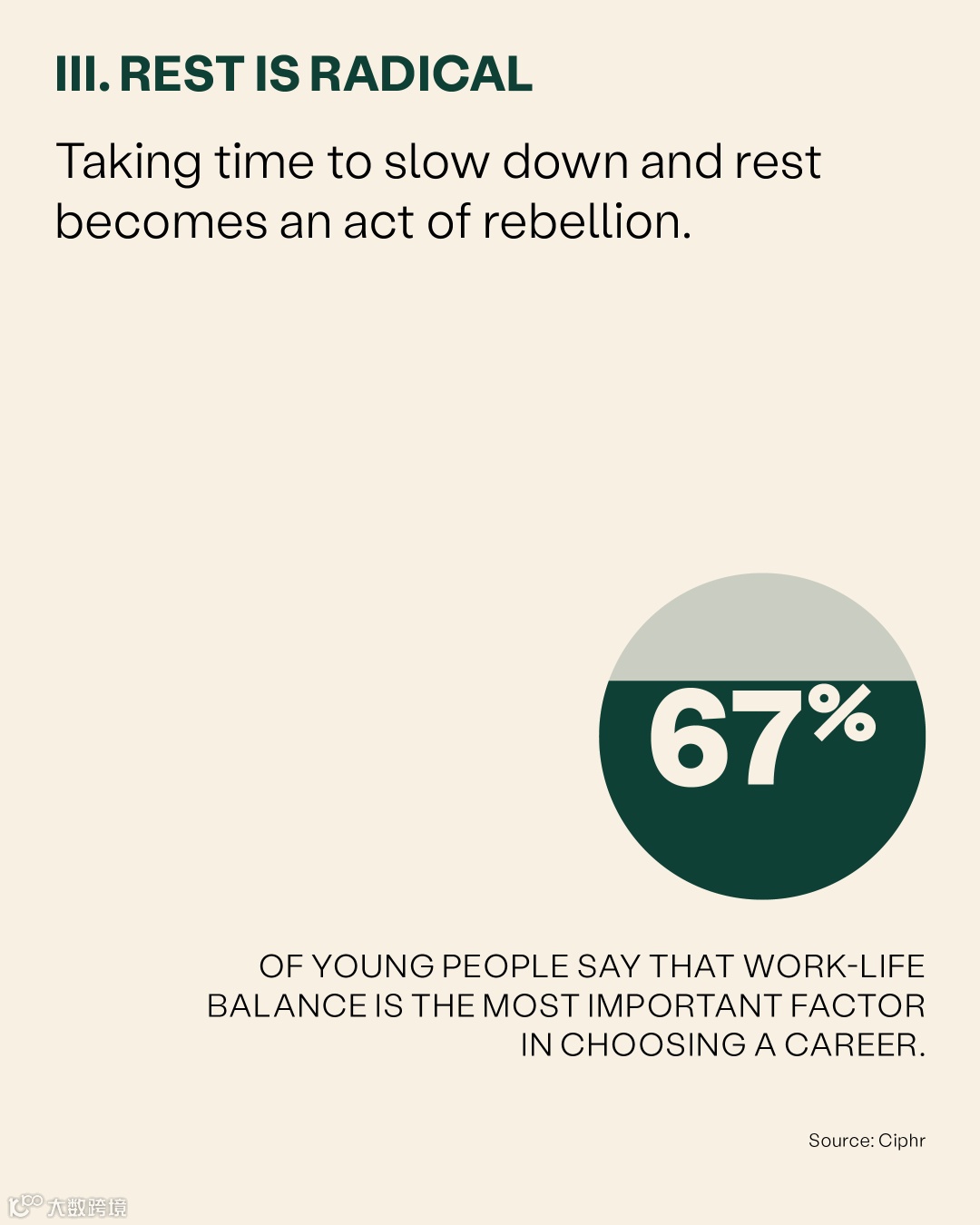
Taking time to slow down and rest becomes an act of rebellion.
Covid triggered “The Great Resignation” and the landscape of work has been shifting and re-settling ever since. Many workers are living through “The Great Exhaustion”. In previous years the “lying flat”, “quiet quitting”, and “bare minimum Monday” trends marked a change in generational attitudes to work.
The trend is now reverberating across the generations. The FIRE (Financial Independence, Retire Early) movement – which encourages a frugal approach in your younger years to fund early retirement, travel and wellbeing – has been gaining pace for some time, in contrast to our “save for now” trend.
Sports brand ASICS implemented a Desk Break Clause in employment contracts offering workers a legal right to additional 15-minute movement breaks during their working day, while Chinese supermarket chain Pangdonglai has initiated “unhappiness leave” which offers up to ten no- questions-asked days off in addition to sick and holiday leave.
In the fitness space we see the emergence of a “soft health” approach which shifts the focus away from extreme exercise. Research from ASICS and Mind shows that 68% of adults feel too self-conscious to visit a gym, while 49% find “Exercise Culture” off-putting.
In a world where striving is less and less appealing, brands have an opportunity to celebrate and enhance simple pleasures. Both in what they say, but more importantly in what they do; leveraging opportunities from packaging to experiences to help customers make the most of their small indulgences and simple pleasures.
DESIGNING FOR THE “GOOD ENOUGH” ECONOMY
Brands and businesses can play an important role in helping customers redefine and celebrate success on their own terms, not the success of their parents’ generation. Sectors from banking to insurance to housing will need to develop new propositions designed to reflect less predictable income, and more nomadic lifestyles.
ENABLING UNDER-CONSUMPTION
To deliver sustainable growth (in every sense), businesses must find ways to enable their customers to waste less, and reuse or repurpose more. An ever-increasing number of fashion retailers incentivize customers to recycle pre-worn items in store in exchange for credit, while start-ups such as “Rubies in the Rubble” make condiments from fruit and veg that would usually be rejected.
BRAND: KFC
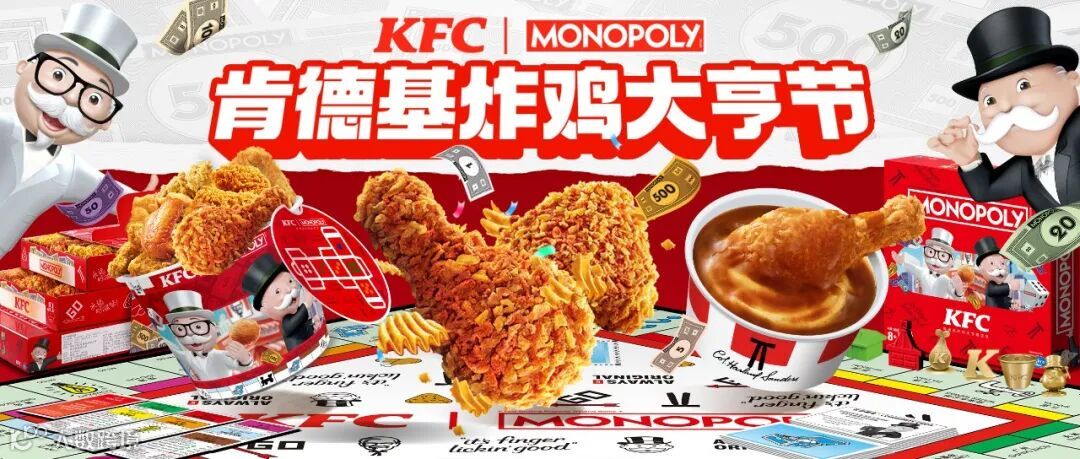
It is known that Chinese people are obsessed over property investment. Yet, the soaring property prices in China over time have placed homeownership out of reach for the younger population. The key is to turn the customers into the owners/stakeholders of KFC.
In a partnership with the classic economics-themed board game Monopoly, KFC is inviting players to purchase “real estate” and build their own fried chicken business. While enjoying fried chicken, the gamer has the opportunity to earn money, relishing the joy of purchasing properties, homes, and land, as well as the social interactions of the board game that enrich their dining experience.
Colonel Sanders, the iconic figure of KFC, was presented in a new visual as the “Fried Chicken Mogul,” partnering with the Monopoly character from the board game to launch the grand annual fried chicken festival.
We also created the crazy money spitting machine, a tailored limited edition gift box that integrates the classic Monopoly game with KFC’s fried chicken products. Meanwhile, four tokens from the Monopoly game were uniquely crafted to reflect KFC, and we altered the game’s buildings to become a KFC outlet.
The partnership received the Product Innovation Award for 2024 from Hasbro.
The content of this article is sourced from the Dentsu Creative Trends Report 2025: Fragment Forward.
Tap ‘Read More’ or below link to visit our global website and download the full report.
www.dentsucreative.com/news/dentsu-creative-trends-2025
-ENDS-
Dentsu Creative unveils the Silver Generation Trends Report 2025
Dentsu Creative 2024 CMO Report