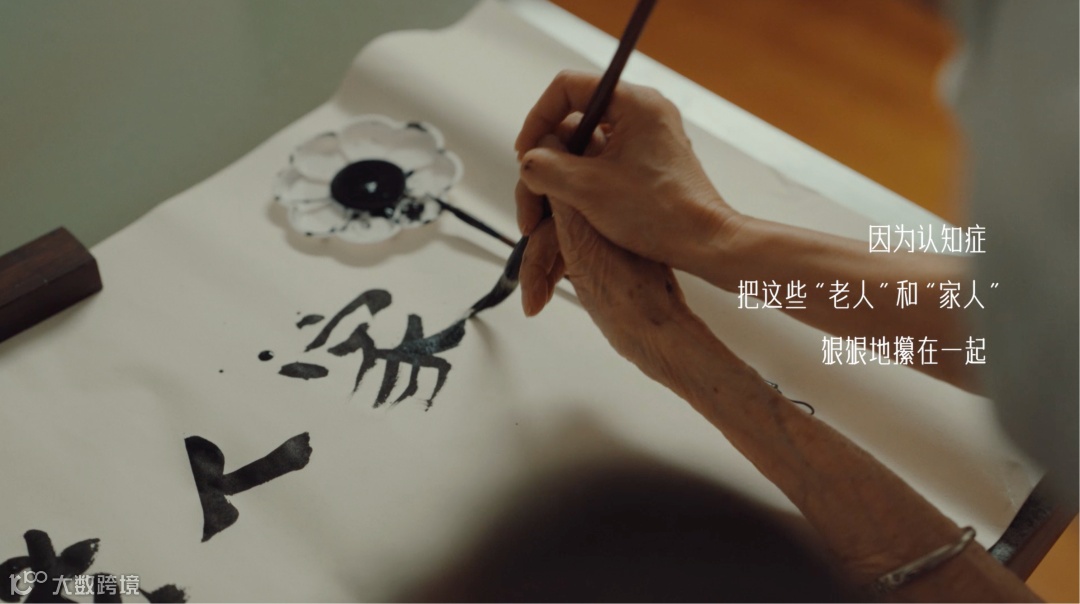
September marks World Alzheimer’s Month — a time when headlines and hearts turn toward people living with Alzheimer’s. Yet amid the focus on patients, another group often fades from view: the family members who shoulder the around‑the‑clock work of dementia care.
As the population ages, dementia is increasingly woven into the daily reality of more households. Roughly 90% of people with dementia in China — with Alzheimer’s making up the largest share — are cared for at home. Behind each diagnosis stands a family caregiver whose day rarely ends: 93.1% report providing care for more than 13 hours every day. The emotional and physical cost is severe — two‑thirds (66.7%) of these caregivers struggle with depressive symptoms, and more than one in three (33.3%) endure physical or verbal harm in the course of their duties.
Stripped of consistent professional support and public recognition, many caregivers must bear this enormous burden alone. They are the silent sentinels on isolated “care islands,” keeping loved ones safe and dignified while their own needs go largely unseen. This month asks us to widen our gaze — to honor not only those living with dementia but also the family caregivers who love, labor for, and protect them.
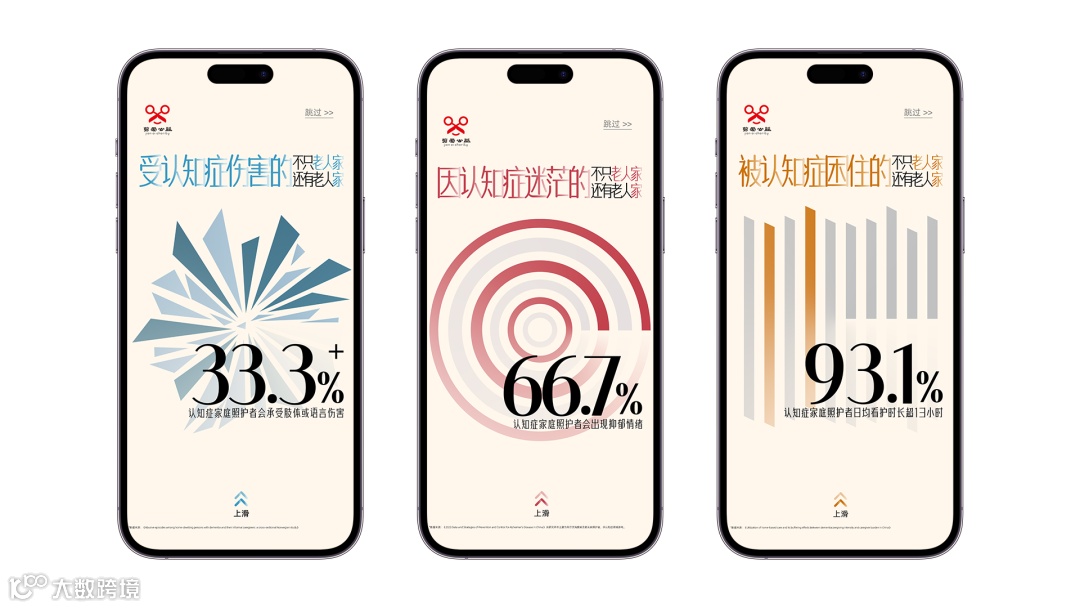
Meet Lao Ren Jia
To reach those isolated caregivers, Jian Ai Elderly Charity Center and a coalition of partners launched #MeetLaoRenJia — an initiative that widens the view from diagnosis to household.
Rooted in the tender phrase “老人家” (Lao Ren Jia), the initiative invites everyone to read the words as a whole — elder plus family — and to follow that thread from memory to routine, from the person living with dementia to the hands that hold them. It reframes dementia as a lived household story and urges society to swap solitary pity for collective care.
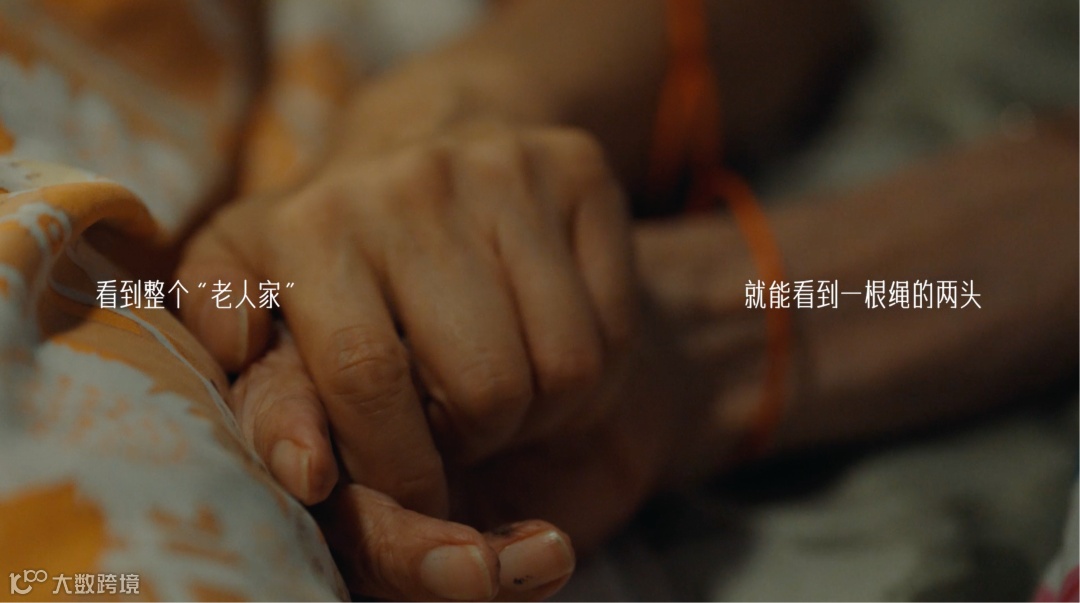
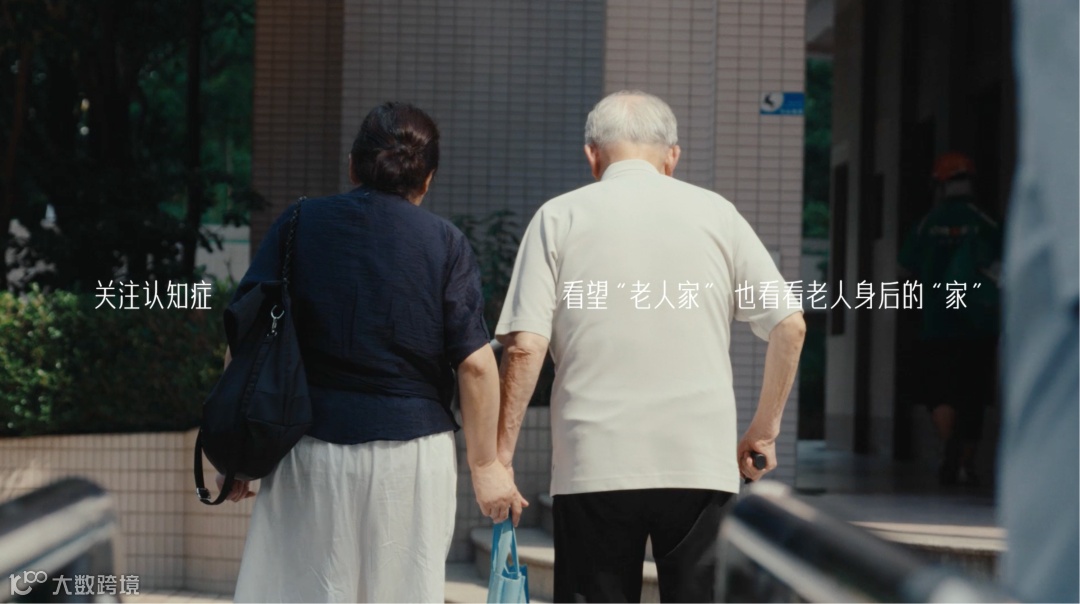
Jian Ai and partner organizations produced a documentary‑style advocacy film that immerses viewers in everyday caregiving. Intentionally non‑sensational, it lingers on the textures of daily life — the repeated questions met with patient replies, the small rituals that tether memory, and flashes of humor that lighten fraught moments.
The film shows how dementia binds elder and family into a single, interdependent unit: forgetting and remembering woven together, repetition evolving into companionship, and countless unacknowledged sacrifices accumulating over time. Its central metaphor — “two ends of one rope” — aptly captures the reciprocal reliance at a household’s core.
To broaden the film’s credibility and reach, the initiative enlisted distinguished narrators: acclaimed actor Huang Bo provides intimate narration; Professor Hu Yong of Peking University offers measured, authoritative commentary; and SMG broadcaster Shu Yi recorded a Shanghainese version to deepen local resonance. Their voices help translate empathy into action.
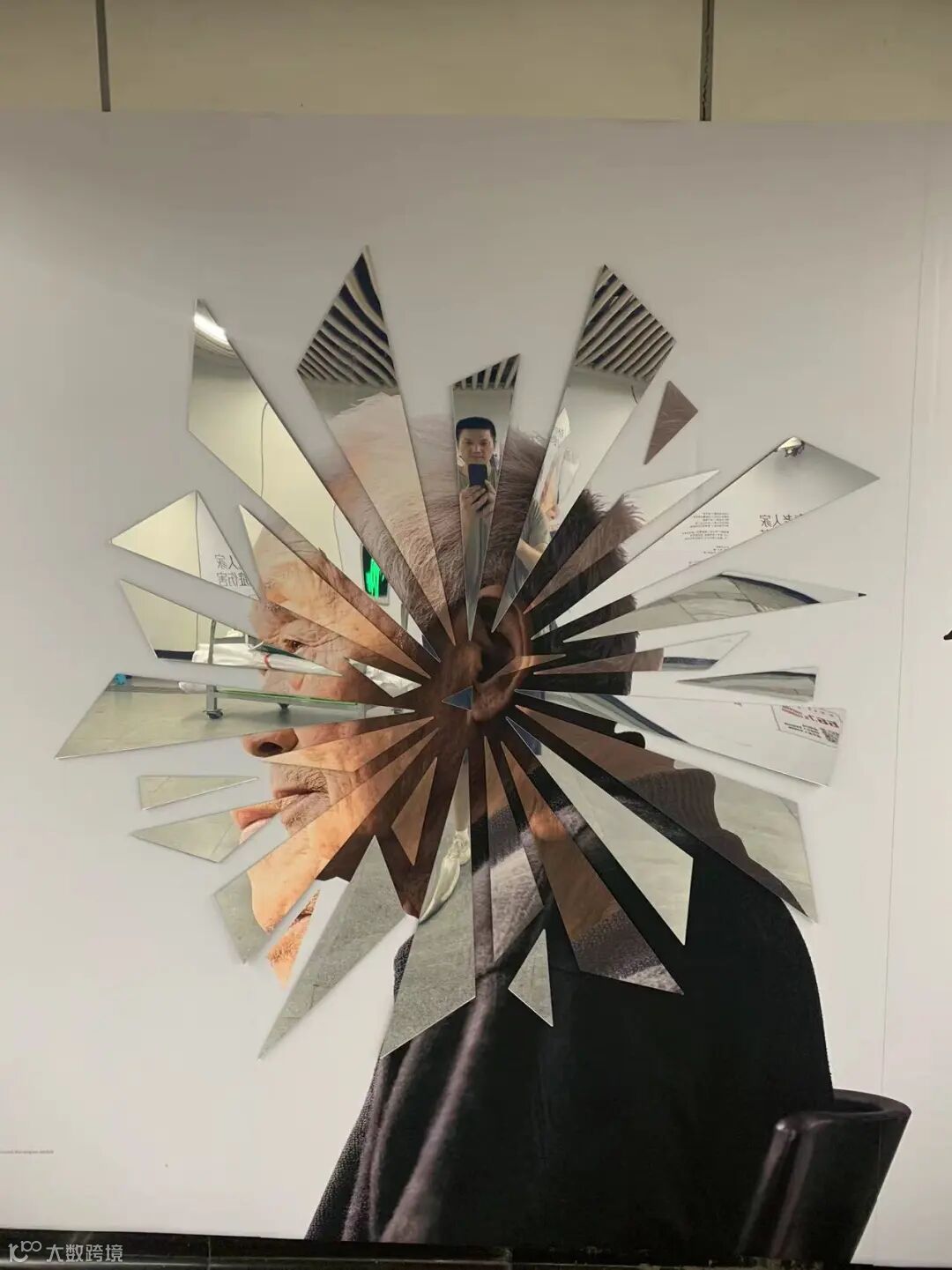
Interactive mirrored posters were also installed at scale in Shanghai’s bustling People’s Square metro station with pro bono support from JCDecaux Shanghai.
When commuters paused and peered into the mirrors, the image dissolved into an out‑of‑focus tableau — a disoriented older adult’s face layered over fragments of the viewer’s own. The effect was immediate and visceral with viewers feeling both the disorientation of dementia and the caregiver’s heartbreak. It turned a private struggle into a public moment of empathy.
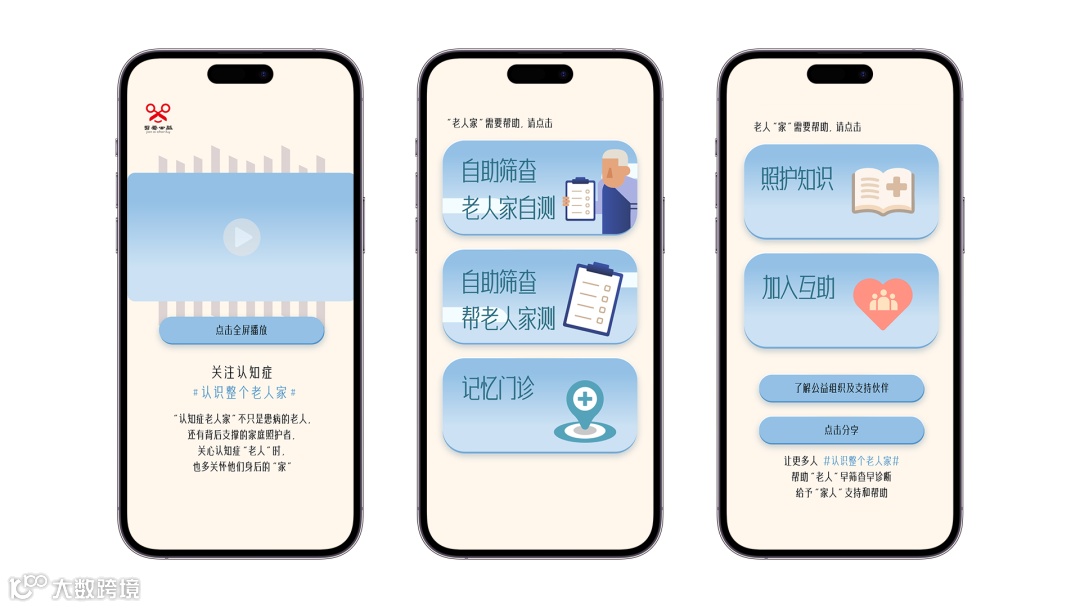
Alongside the installation, an H5 microsite was launched to carry the experience online. Tap “Read More” at the bottom of this article or scan the QR code below to access a practical toolkit that includes a validated early‑screening questionnaire and clinic referral pathways for at‑risk individuals, prevention guidance and caregiving tips for families, and simple ways for the public to get involved.
Combined, the film, the installation, and the H5 microsite form a seamless pathway — from awareness to screening and diagnosis to hands‑on support — ensuring families in need can access charitable resources directly.
“This goes beyond dementia care; it supplements China’s family‑care system,” says Recky Hou, Executive Creative Director at Dentsu Creative. “We hope ‘Lao Ren Jia’ becomes a lasting symbol of public welfare, turning solitary compassion into shared family support so caregiving is no longer carried out in isolation.”
The plan is systemic. It shifts the focus from the illness to the people and families living with it, and converts pity into practical, sustained support for caregivers.
Every look, every share, every scan matters. If one more person remembers “the elder and their home,” a person with dementia — and the family supporting them — becomes more visible.
Watch and share the film, visit the mirrored installation in Shanghai, click the H5 to screen and connect, and tag #MeetLaoRenJia. Each action tightens the social rope around caregiving families.

Meet Lao Ren Jia
Thank you to all contributors
Participating families and caregivers who shared their lives on camera
Non‑profit organization: Jian Ai Elderly Charity Center
Narration: Huang Bo, Hu Yong, Shu Yi
Inspiration for the installation: Cannes Young Lions “Self-Defocusing”
Creative partner: Dentsu Creative
Media partners: JCDecaux Shanghai, Changzhou Mejour Group
Corporate partner: Eisai (China)
We also thank the many supporting partners, production teams, partner organizations, and individual contributors whose generosity and hard work made this campaign possible.