
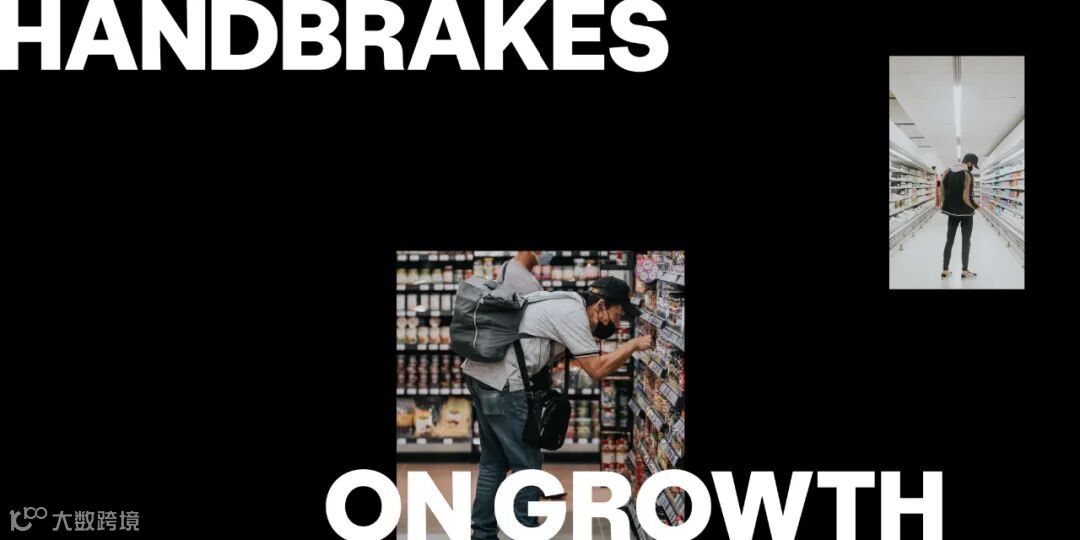
A perfect storm is creating a challenging environment for growth in 2023. While consumers are facing a cost of living crisis unprecedented in recent decades, businesses are facing a cost of goods crisis brought on by inflation, climate instability, supply chain challenges and more.
A vicious circle of rising prices and falling disposable incomes creates a bleak economic outlook for 2023 for many. The UK Economy is predicted to decline by 1.4% in 2023, with consumer confidence hitting an all time low. Similarly, US consumers are twice as pessimistic about the economy today as they were at the height of the pandemic.
Globally, the IMF are predicting that growth will slow to 2.7%, warning that “The worst is yet to come, and for many people 2023 will feel like a recession.” Predictions from Morgan Stanley suggest that the US will narrowly avoid recession with 0.5% growth, while emerging economies may show a more positive trajectory.
Brands and businesses across every sector will be impacted by dramatic shifts in consumer behaviour, as even more affluent middle class consumers start to re-evaluate what were once default purchases.
HANDBRAKES ON GROWTH:
BY THE NUMBERS
4/10
Nearly four in ten have reduced spendingon nonfood discretionary items.
58%
58% of European consumers state that rising prices are their biggest concern.
276M
In April 2022, global food prices were the highest they’d ever been, with more than 276 million peopleacross 53 countries and territories at risk of severe food insecurity – double pre-pandemic levels.
WHAT IT LOOKS LIKE
PROFIT VS PEOPLE
Food prices in the US have risen 13.5% year on year, according to the Bureau of Labor Statistics. While some brands feel they have little choice but to pass rising costs on to the customer, others are shouldering the cost of essential items on their behalf.
For example, French retailer Carrefour froze the prices of 100 of its own-brand products in its French stores for 100 days to soften the impact of inflation on consumer, with similar initiatives in place from retailers such as Aldi and Boots.
THE LIPSTICK EFFECT?
It remains to be seen whether the famous “lipstick effect” will be maintained in 2023, with consumers holding on to small treats to boost their spirits. The ubiquity of “buy now pay later” schemes may be a factor, with 17M customers using buy now pay later schemes in the UK alone. Data from Global Web Index suggests that right now, consumers are looking to fashion, takeaway food, and technology as ways to treat themselves on a budget, with beauty and skincare products remaining high on the agenda for young women.
SUPPORTING THE MOST VULNERABLE
With many families facing stark choices this winter, ethical businesses are stepping up to provide support.
All Plants, a plant-based food brand, delivered 7,000 “Not at School dinners” to families facing rising food costs during the school holidays while Kraft Heinz partnered with Morrison’s, a leading UK supermarket, to offer a free lunch to anyone in need who came in store to “Ask for Henry”, inspired by founder Henry J. Heinz.

As extreme weather wreaks havoc on cities and farmlands alike, businesses and governments will begin to realise that the cost of action will ultimately be dwarfed by the cost of inaction. In the first half of 2021 alone, for example, climate-related disasters in the US inflicted $42BN worth of damage covered by insurance.
Meanwhile, as cities worldwide legislate against ICE vehicles and rising emissions, we see car manufacturers accelerate the shift towards electric and towards alternative ownership models. The micromobiity trend also shows no sign of slowing down, on track to reach a predicted $6BN by 2027.
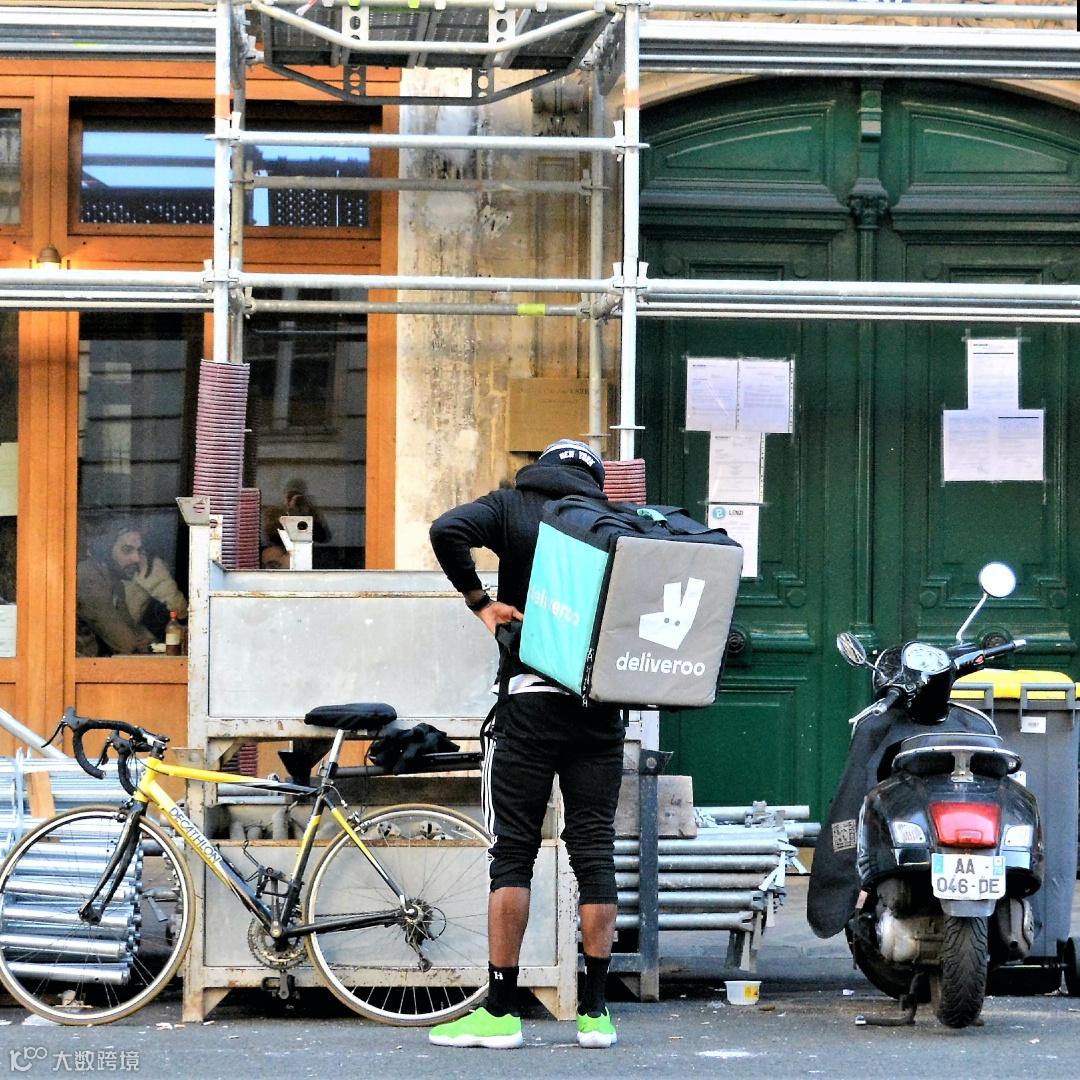
Innovative brands are finding ways to repurpose old infrastructure to regenerate cities for the better, such as Ooneepod, repurposing vacant newsstands in New York to providing parking, charging and respite facilities for delivery workers. Meanwhile, a new village in Copenhagen goes further still, aiming to solve for all 17 of the UN’s Sustainable Development Goals.
THE IMPERATIVE FOR GOOD:
BY THE NUMBERS
145BN
The EU has lost around €145 billion in a decade due to climate-related events, according to Eurostat via World Economic Forum, 2022.
2.8%
Just 2.8% of scripted Movies and TV shows released in 2016-2021 mentioned climate change.
95%

WHAT IT LOOKS LIKE
SHARED VALUES
Tesco, the UK’s largest supermarket is addressing one of the biggest barriers to sustainable action - shareholder profit. As reported in the Grocery Gazette, they have set an ambitious deadline to cut food waste in half by 2025 and linked that objective directly to executive bonuses. Executive directors must support in achieving these targets in order to benefit from tens of thousands of pounds in Tesco shares.
CLIMATE REPARATIONS
Governments are now acknowledging that industrialised nations have benefited from behaviour that is now creating disproportionate climate breakdown in the global south - evidenced this year for example by catastrophic floods in Pakistan. At COP 27 in Sharm el Sheik, a historic agreement on “Loss and Damage” funding for the most vulnerable countries in the world was agreed, alongside an agreement to provide technical support to those countries via the Santiago Network.
BEYOND CONSUMPTION
Recycling, recommerce and rental models are continuing to accelerate within the fashion industry. Luxury fashion outlet store, The Outnet, offers a resale concierge service for its customers. Department store Selfridges announced an ambition to drive 50% of sales from recommerce, rental, repair or refills by 2030. Services such as Thrift are making it easier for consumers to sell pre-loved items in exchange for credit, while community rental platforms such as Hurr and By Rotation are enabling users to earn money on their fashion investments.

INCENTIVISING GREEN CHOICES
Brands are experimenting with ways they can generate sustainable sales without excessive consumption. Acknowledging the churn of models and the role the telecomms industry plays in extraction and ewaste, this year Finnish electronics company Nokia launched Nokia Circular, a cellphone subscription service that rewards subscribers for retaining their device for longer then either recirculates or repairs the device.
Meanwhile Apple has introduced its newest recycling innovation, a machine significantly improving the recovery of materials from recycled electronics.
COMMUNITY POWER
In response to rising fuel prices and instability, communities are coming together to generate their own sustainable energy sources.
From hydroelectricity in the Scottish Highlands to a network of European Energy Co-operatives, communities are coming together to safeguard their supply of clean energy, as portrayed in Patagonia’s documentary “We the Power.”
OUR WORK...
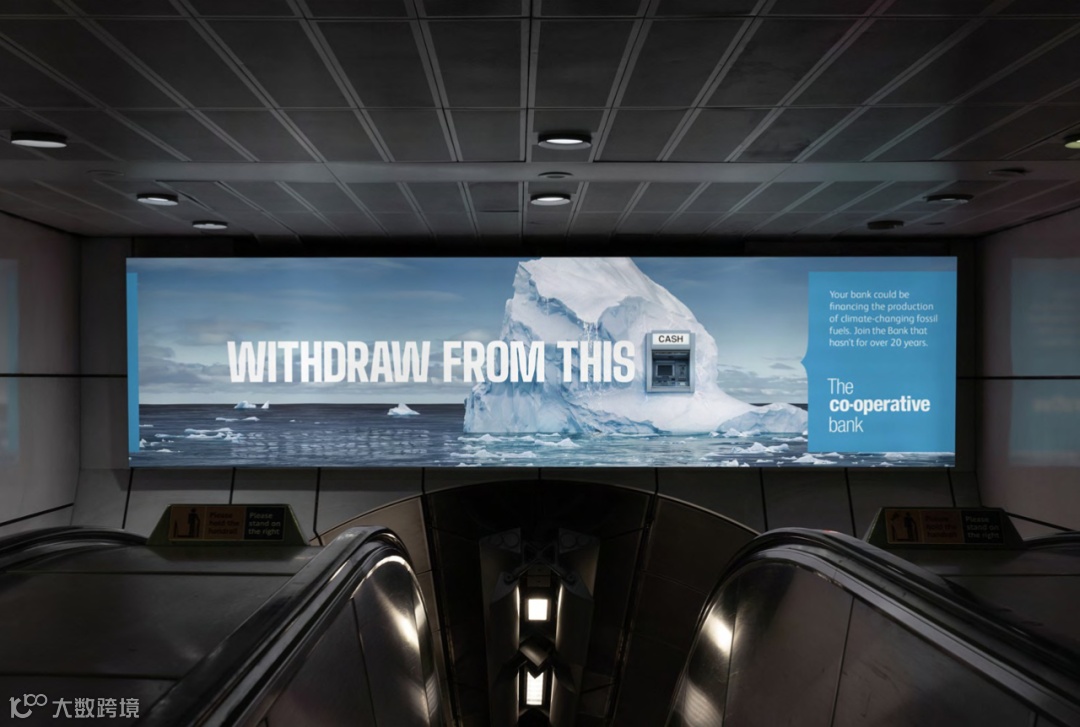
HOLDING BANKS TO ACCOUNT: CO-OP
The Co-operative Bank lifted the lid on the issue of fossil fuel finance through a campaign urging people to ‘Withdraw From This’ in an effort to tackle the climate crisis.
The dramatic campaign shows a customer taking money out of an ATM. As they do, the walls of the bank crumble away to reveal the journey their bank notes have been on. They flutter through scenes of worldwide devastation caused by the fossil fuel industry, before finally being dispensed into the customer’s hands. “Do you know where your bank invests your money?” says the voiceover. “It could be logging in the Amazon. Or coal-fired power stations. It’s time to Withdraw from This.”
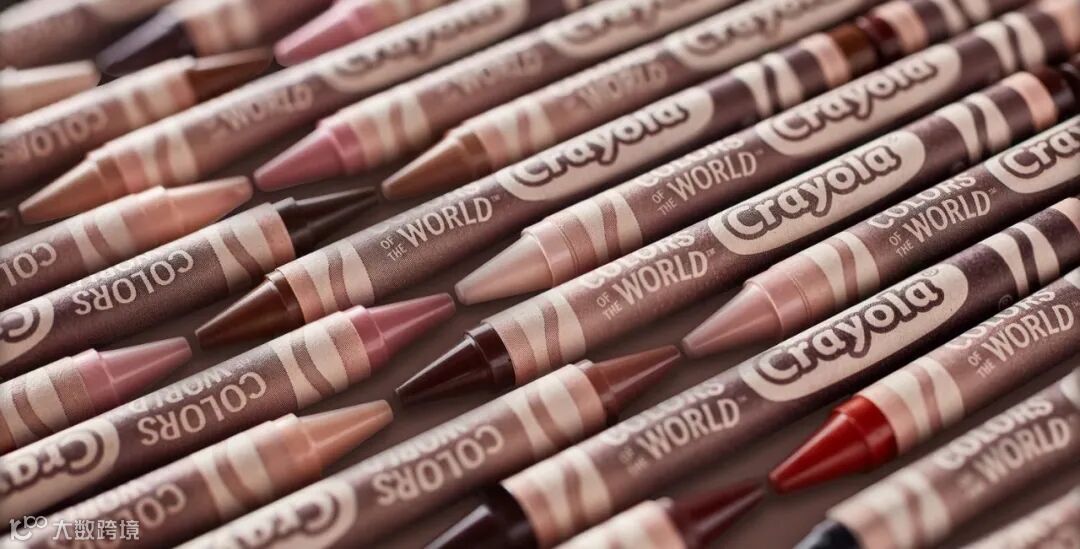
THEIR PLACE IN THE WORLD
The issue of equal and accurate representation for all is an old one. One that is exacerbated as the world becomes increasingly diverse without simultaneously advancing equal and accurate representation. The effect has been significant and unsettling—generations of children growing up in a world that doesn’t reflect them.
Crayola needed to launch Colors of the World, specially formulated crayons designed by Victor Casale, current CEO of MOB and Pure Culture Beauty to mirror and represent over 40 global skin tones. We helped them ensure the campaign achieved the reach and attention necessary to foster a greater sense of belonging and acceptance and cultivate a more inclusive world for children of all ages, races, cultures and ethnicities.
THE IMPERATIVE FOR GOOD:
A PERSPECTIVE
Will we come out of this season changed or will we simply revert to our ways? My gut says the past three years of shake up may bring about a rewiring of our ideals. From chasing productivity as an indicator of success to wellbeing as an indicator of fulfilment. According to the Bank of England, we will be entering a different shaped recession in the coming months. Unlike previous recessions which lasted for 9-12 months (a deep V-shaped curve), this upcoming recession is forecasted to last longer (up to 18 months), a shallower U-shaped curve. What does that mean?——June Fong, Strategy Director, UK
Whilst this may look different in many markets, coming right after a pandemic means a resilience has been built up. There is a collective sense of defiant optimism to no longer allow our lives to be held back, with 56% of individuals trying to balance having fun while making up for lost time with saving money. It is no longer a sacrifice of one or the other, but a compromise of this and that. This would bring about less drastic changes in spending habits, but a lasting mindset change in one’s relationship with money.
As individuals become increasingly considered with their spend, we will find them prioritising quality over quantity. When chatting to a Gen Z consumer recently, she claimed she will reduce the number of times she shops at Waitrose but will be buying herself a Prada bag for Christmas as it will last for years. Quality ranks ahead of cost when deciding which brand to buy from. This would mean businesses will have to actively think about what growth looks like in the coming years, it will not be volume driving and abundance, but one of holistic appreciation reflected in higher prices.
With that, we will most likely not see a comeback of the lipstick index phenomenon - Estee Lauder selling the most amount of lipstick in its history in a year of recession. Lipstick, a small joy as a means of escapism from the dreary recession in the ‘00s. Instead, we are likely to see people approaching recession with a lot of realism and consideration. The question that begs to be answered is what will greet us on the other side? Historical data from McKinsey has showed us that companies that respond and not react to recession will emerge as winners, but beyond the mechanic of achieving ESOV, how should businesses be aligning themselves? In Rollo May’s “Man’s Search for Himself”, it depicted a scene quite similar to what we are seeing. This was post World War II, where anxiety levels were heightened and no one has experienced anything quite like it. This collective anxiety was desperate to grip onto an ideal for solace and purpose. Unsurprising, this was when the term ‘consumerism’ was introduced and brands started to sell the American dream, a life of materialism.
This time around, brands will be required to unsell that dream. Productivity can no longer be defined by relentless consumption but instead business success should be aligned to societal wellbeing. There are signs of us moving towards this, with the importance of ESG and active stewardship in boardrooms. It is time for brands to start referring to our audience as citizens who share in this world we live in and not consumers who simply take from the world. There’s never been a more exciting time to be in marketing, to rethink our BAU habits and start being responsible with the culture we are promoting and in turn start behaving like a citizen ourselves.
WHAT IT MEANS FOR BRANDS...
REAPPRAISAL IS RAMPANT
It has never been a more dangerous time to assume “business as usual” as consumers the world over feel the cost of inflation. Decades-old brand loyalty is being called into question as nervous consumers count every penny more carefully. Brand love matters more than ever, but love will be built through action not advertising alone.
PLAN TO PIVOT
In a world where “permacrisis” is a new part of our vocabulary, hoping things will simply go back to normal feels futile. Now is the time for businesses and brands to run at the future, exploring sustainable new business and revenue models that either remove or mitigate their dependence on ever more volatile market and climate conditions.
COMMUNITY MATTERS
While it is clear that no one brand, business, government or individual can solve the challenges we face alone, our ability to connect like minded institutions and individuals in common cause is what will make a difference. Brands have a unique opportunity to engage consumers in mutually beneficial communities where their sustainable behaviours are enabled, recognised and rewarded.
For full report, please visit DENTSU CREATIVE global website below.
www.dentsucreative.com/news/trends-2023
-ENDS-