
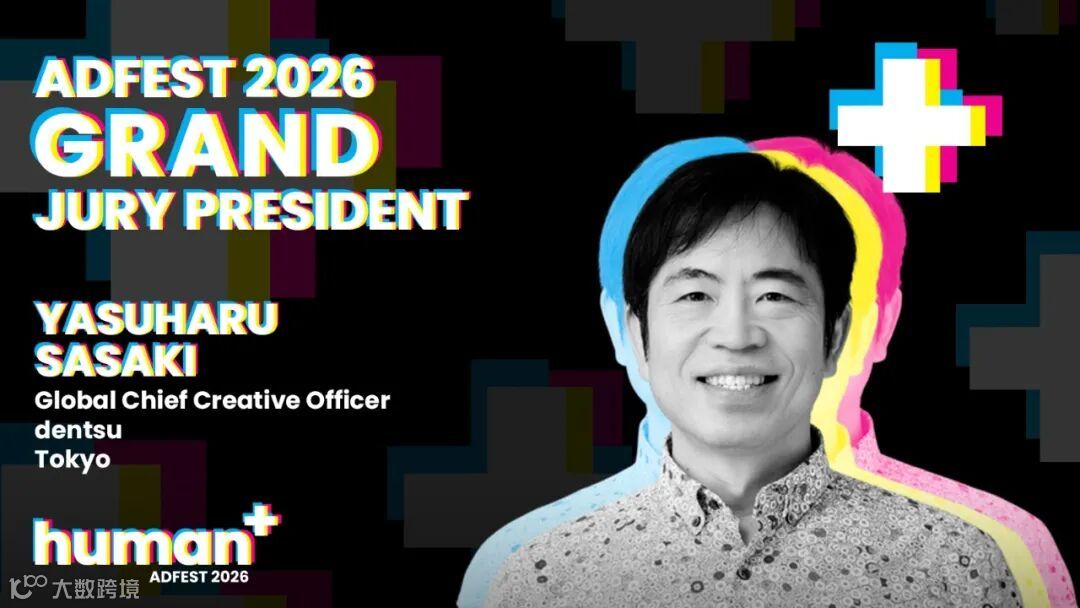
ADFEST 2026, themed “Human+”, is being held in Pattaya, Thailand. This year, Yasuharu Sasaki, known as Yasu, Global Chief Creative Officer of dentsu, has been appointed Grand Jury President. In this role, he will lead the panel of Jury Presidents to judge ADFEST’s unique award celebrating work with deep local cultural relevance, the Lotus Roots. He is also serving as Jury President for the Creative Strategy Lotus, Effective Lotus, INNOVA Lotus, and Sustainable Lotus.
Meanwhile, Recky Hou, Executive Creative Director from the Dentsu Creative China team, joined the jury for Film Lotus, Outdoor Lotus, Press Lotus, and Radio & Audio Lotus.
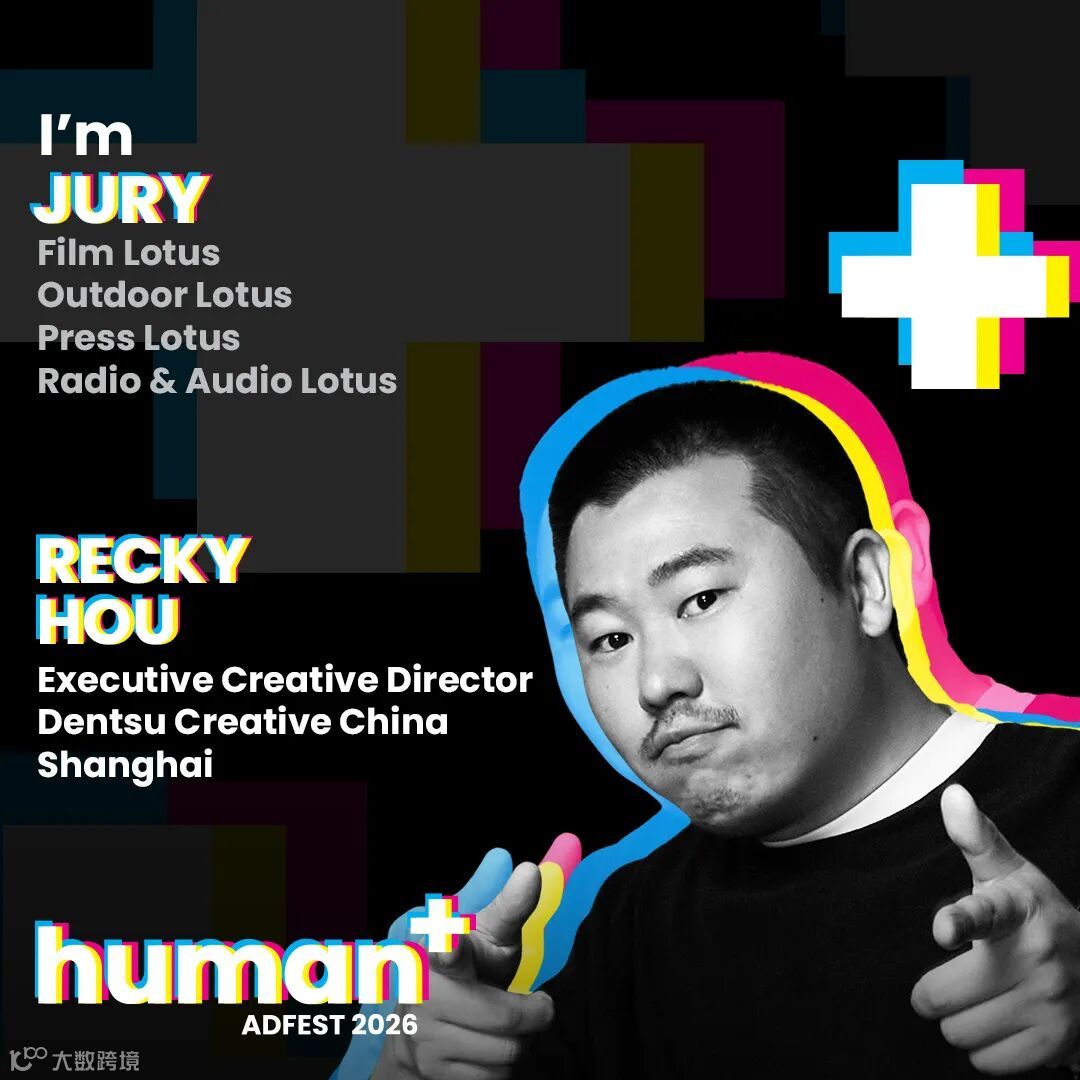
Yasu outlined for ADFEST the thinking of a pre-eminent creative leader and an outstanding Grand Jury President. We then invited Recky—who is about to head to Pattaya, Thailand to serve as an ADFEST judge for the first time—to talk about his observations and thoughts, drawing on both his past experience and this upcoming judging journey.
Q: What guidelines will you give your jurors to make sure that ADFEST finds and applauds the greatest creative work in the region, accurately and fairly?
Yasuharu Sasaki: I would encourage jurors to hold both a local lens and a global vantage point at the same time. That means being attentive to the small, but deeply important, issues that exist across Asia, and having the sensitivity to recognise them when they appear in the work. At the same time, we must approach those issues with integrity: not to exaggerate them for the world’s attention, but to understand them precisely and represent them honestly.
And finally, I would ask jurors to look for work that can translate uniquely Asian problem-solving into value that resonates beyond borders, work that can be navigated from local truth to global relevance without losing its authenticity.
Q: What do you feel are the attributes of the greatest creative work?
Yasuharu Sasaki: I believe the highest form of creativity is work that creates discontinuous change—work that shifts reality. Such work moves people deeply. In other words, it produces both surprise and empathy: it makes us feel something unexpected, and it makes us recognise something true. And it also travels. The strongest ideas can be shared effortlessly—passed from one person to another—and can often be adapted and applied beyond their original purpose, extending their impact over time.
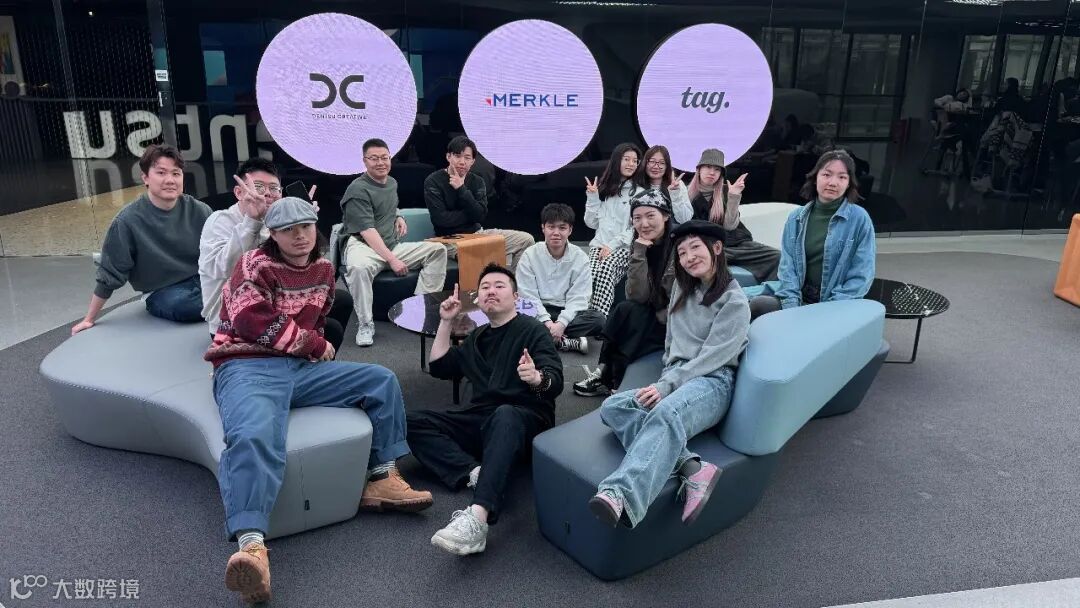
RECKY AND HIS TEAM
Recky Hou: A long time ago in China, the best talents were picked through two big exams: one crowned the Top Scholar in the Civil Arts (Wen Zhuangyuan), and the other crowned the Top Scholar in the Martial Arts (Wu Zhuangyuan).
I think we can look at creativity in the same two dimensions. From the “civil / wen” side, a piece of work has to move people emotionally. From the “martial / wu” side, in terms of how it’s executed and communicated, it should offer the boldest, most innovative solutions.
But if we’re talking about true “greatness”, then the civil and the martial top scholars have to become one.
Only when emotion and innovation are both at their peak can an idea really leave a mark on its era and become a shared memory for a time and a place.
Q: 2025 was an upheaval year for the industry. What do you think the work being judged had to overcome/conquer to be great?
Yasuharu Sasaki: It may sound obvious, but I believe the first challenge is to prioritise real human reaction over award recognition—to value the laughter, the surprise, and the genuine emotion of everyday people more than the approval of any jury. In the age of AI, we must not use technology to fabricate what was never truly achieved. Instead, we should focus on ideas that touch emotions AI cannot move—ideas that reach the complex, human layers of feeling. Rather than optimizing a case film, we should remain uncompromising about the idea and the craft.
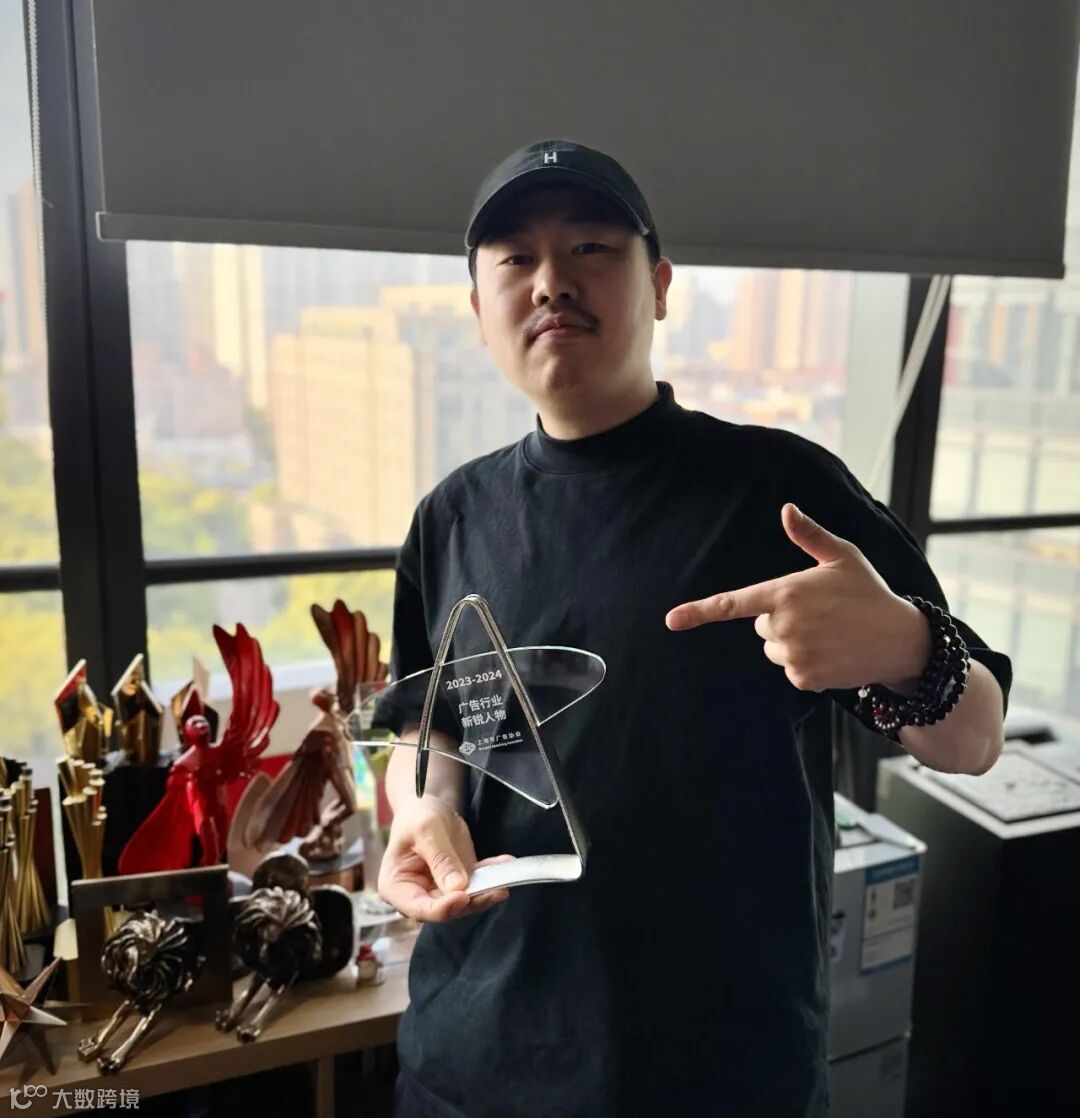
Recky Hou: At the end of the day, all advertising work has one basic mission: solve problems.
What we call “upheaval” in the industry is really just this: the problems we’re facing are getting bigger and harder. People’s tastes are changing, the market is changing, tech tools are changing, channels are changing…
But we all know one thing hasn’t changed: human nature.
From ancient times until now, those who can face problems head‑on, don’t back down from difficulty, and go all in to make things work—that’s the kind of “greatness” we admire.
To be clear, I’m not just talking about tackling external problems. Being able to conquer what’s inside us—weakness, laziness, fear, compromise, escapism—that’s the real deal.
And truly great creative work will always show you the attitude and character of the team behind it. When you see their names, you can almost picture how fired up they must have been when they cracked the idea.
Q: What are the joys and challenges of being a creative - and a creative jury?
Yasuharu Sasaki: The joy of judging is the way different perspectives combine to create new ones. There is something uniquely powerful about a jury room: sometimes five minutes of genuine discussion reveals more than hours of prompting alone. The challenge, in this era of massive data, is settling for what everyone currently agrees is “good.” I aspire to be a creative who can passionately and courageously speak about the brilliance of an idea that no one dared to voice.
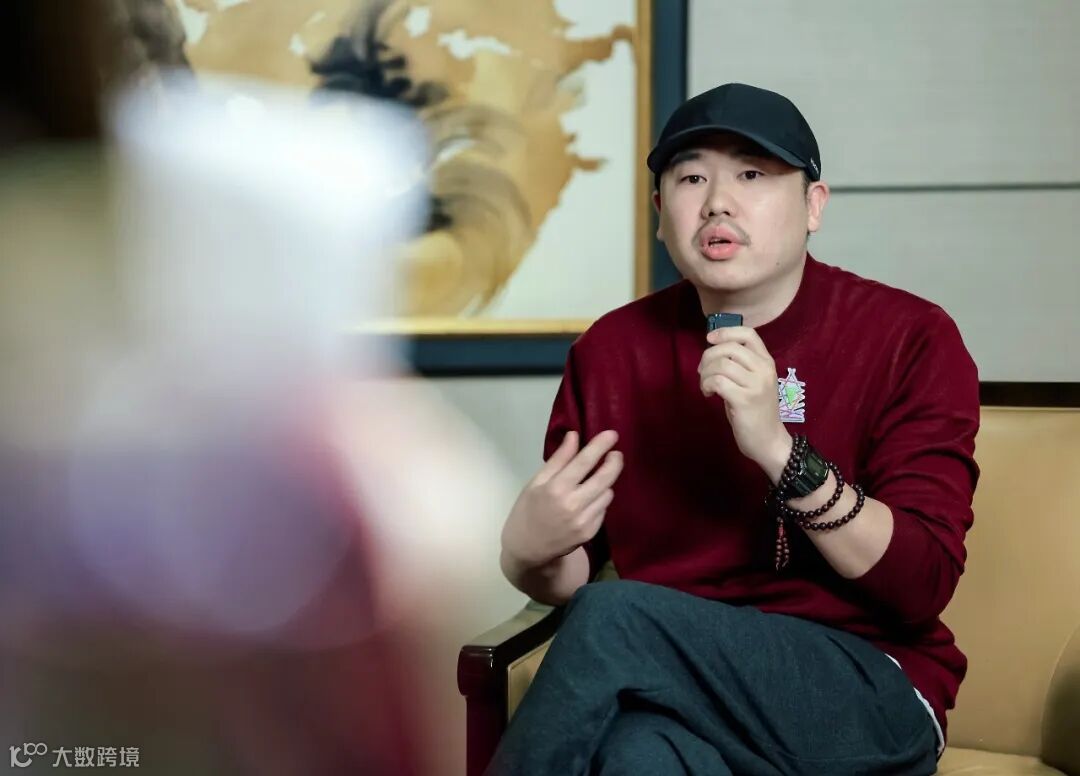
Recky Hou: Like I said, creativity is both civil and martial. There’s an old saying: “In the civil realm, there’s no absolute number one. In the martial realm, there is no number two.”
No single piece of work will please everyone.
When a bunch of strong‑minded, sharp, talented people sit in a room together, serious arguments are pretty much guaranteed. But at its core, everyone is really just using each piece of work to express their own definition of “what is good.”
Every round of discussion leaves us with a lot to chew on—it lingers, and we learn a lot from it.
Yes, cultural and background differences, plus the need to land on a somewhat consistent standard, are real challenges for any jury. But honestly, compared to the joy of going through that process, those challenges feel pretty small.
Q: Your collaborations with Jian ai Charity—like the “Lost in Time” and “Lao Ren Jia”—as well as your work for Ant Forest, have all won multiple international awards. Why do you think these projects resonate so strongly in global competitions?
Recky Hou: People sometimes think public service work wins awards easily because it taps into human kindness. But that’s really not how it works.
The public service category is actually one of the most competitive in many award shows. Professional judges are very clear‑headed—they can quickly see where the real creative value is.
Behind these light‑seeming, simple pieces, it’s not just about who they helped or what they changed, and it’s definitely not just about showing off clever tricks.
For ideas that truly get recognized, we have to pour everything into them: our creativity, our insight, and our sincerity. We have to find the best possible way to spark emotion and push people to act—and then keep going until the work actually exists in the real world.
I’ve always believed: as long as we plant our belief in creativity and our perseverance into the work itself, people will feel it.
ABOUT ADFEST
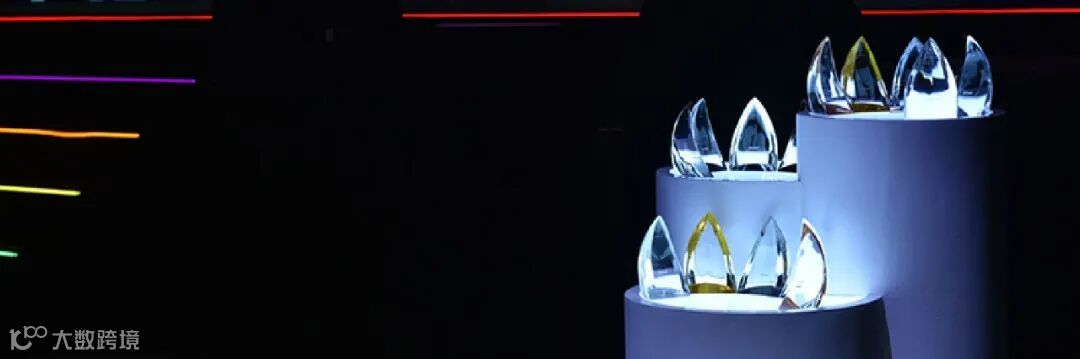
ADFEST is a not-for profit entity that believes passionately in its role to nurture and support the creative industry in the Asia Pacific and MENA region. It is 1 of only 7 regional creative festivals included in the WARC Creative 100 Rankings, 1 of 12 awards included in the Campaign Brief Asia Rankings, and 1 of 22 awards included in The Drum World Creative Rankings.
Learn more at adfest.com.
-ENDS-
London played host to our Dentsu Creative Council
THIS IS VERY GREEN Won Grand Prix at ROI Festival|Dentsu Rocks