FEELING STRANGE
“Weird/surreal/absurd/chaotic seems to be emerging as a response to nihilism” remarks Keely Adler, VP Cultural Futurism, DENTSU CREATIVE Chicago.
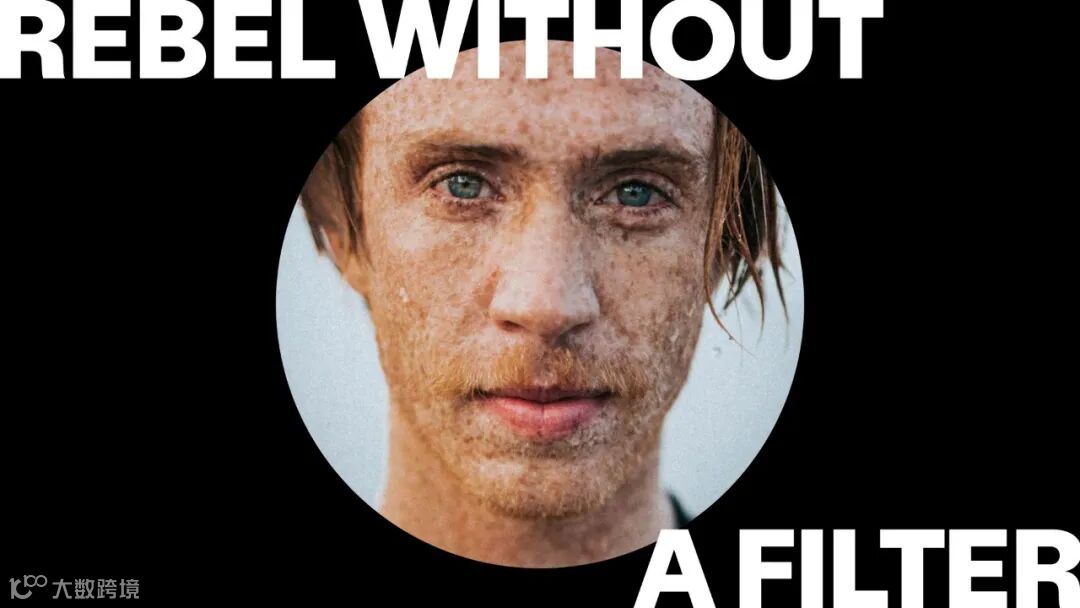
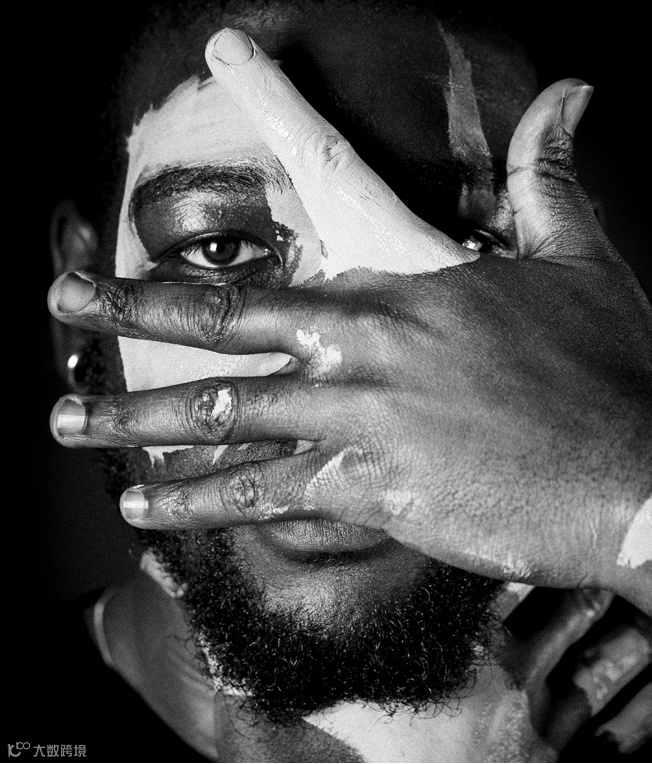
Niche aesthetics rising up to dominate our social feeds have characterised the past year and now things are taking an increasingly more rebellious, borderline ‘ugly’ turn. Exhausted by the relentless cycle of fads, Gen Z are embracing “Weird Girl” fashion; an eclectic, playful, and authentic mismatch of looks. It’s partly an extreme extrapolation of ‘being real’, part satire of the extreme churn of trends, and part outright rebellion against the high-maintenance gloss and highly filtered ideals that have been streamed through our screens in recent years.
SURPRISE ME
As people start to opt out of the cycle of latest trends, they are opting into finding unique facets of their own identity. “Anonymously run hyper-niche meme accounts are suddenly the coolest, most exciting follows on Instagram.” Kaitlyn Tiffany writes for The Atlantic.
Samsung’s latest campaign, challenges consumers to #findyourflipsidediscovering new and unexpected facets of themselves. Cult gamer @loserfruit was challenged to divert away from the screen and towards the dance floor whilst fashion influencer @simplydanbrown was invited to venture into object design.
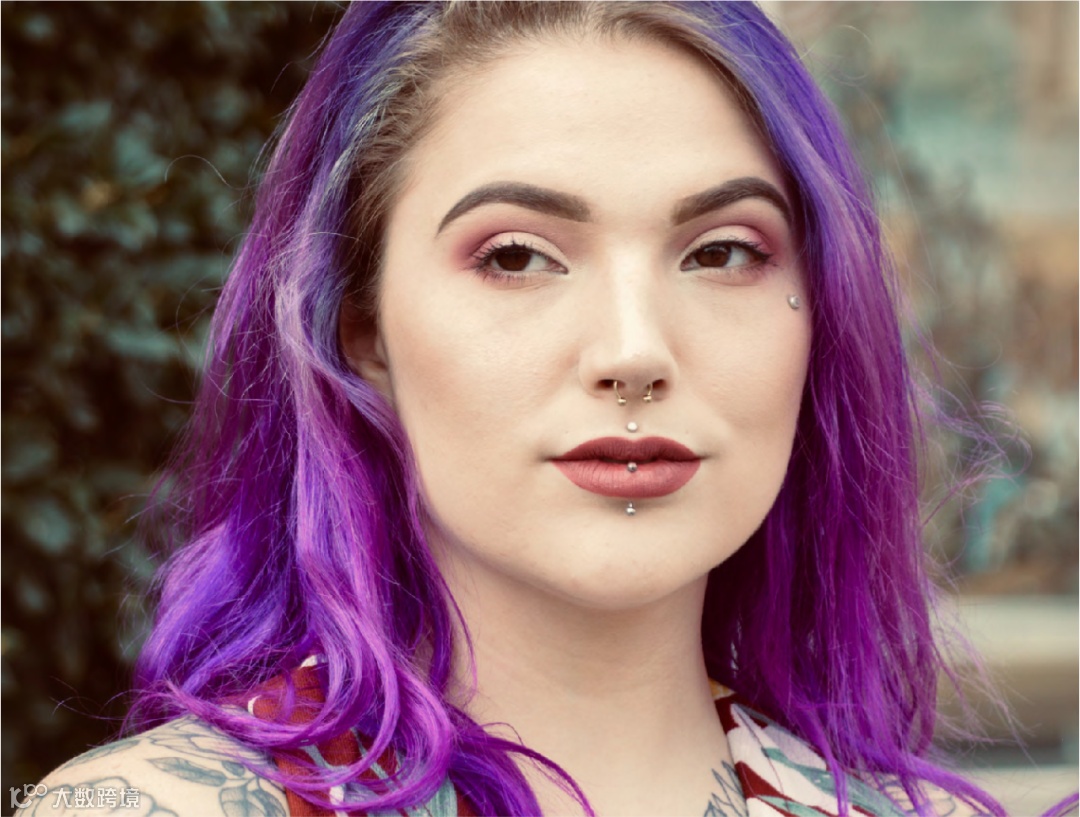
People, especially younger generations, cannot be bothered to do it for the ‘gram anymore. They don’t want to live in contrasting existences, between a bleak reality and a fantastical digital persona – they want more realistic windows into each other’s lives that celebrate commonalities.
TikTok’s ‘Come As You Are’ mantra started as a fertile ground for self-expression, discovery and celebration. The rise of weird and confusing aesthetics such as ‘goblincore’ (1.4B views) and ‘dark academia’ (3.3B views) shows clear evidence that people finally feel free to embrace their inner geeks, while the surge of ‘ugly chic’ (2.3M views) and ‘maximalism’ (667M views) fashion signals a collective shift towards abandoning what’s flattering for what’s fun.
This “unapologetically me” attitude is also channelled outside the platform: makeup usage fell by 28% with foundation taking the biggest hit, while 47% of Fortnite and Roblox players said they are using their avatars to express themselves in a new and different way.
People don’t only yearn for real identities, but also for real action. Be Real’s successful year is due to the app’s stripped back features, which leave no room for camera filters or time to find a nice background, making it hard to BeFake. Against all odds, even Instagram shows resistance against diligent curation.
The widely used, minimal effort ‘photo dumps’ take a nostalgic nod towards the early days of social media, a place to connect with friends without superficial aesthetics or algorithms taking over our feeds.
In 2023 people will continue embracing individual styles and preferences as the battlefront against perfection gets more reinforcements. We will see more friction against conventional beauty standards, with many deliberately playing around in a bid to foil socially constructed, conventional algorithms that ultimately put you in a box. No one wants to be a mass consumer anymore, meaning that brands need to encourage more playful uses of their products and leave room for more divergent stylistic configurations.
While many are pursuing a life unfiltered, on the flipside we are seeing the embrace of new avatar identities.
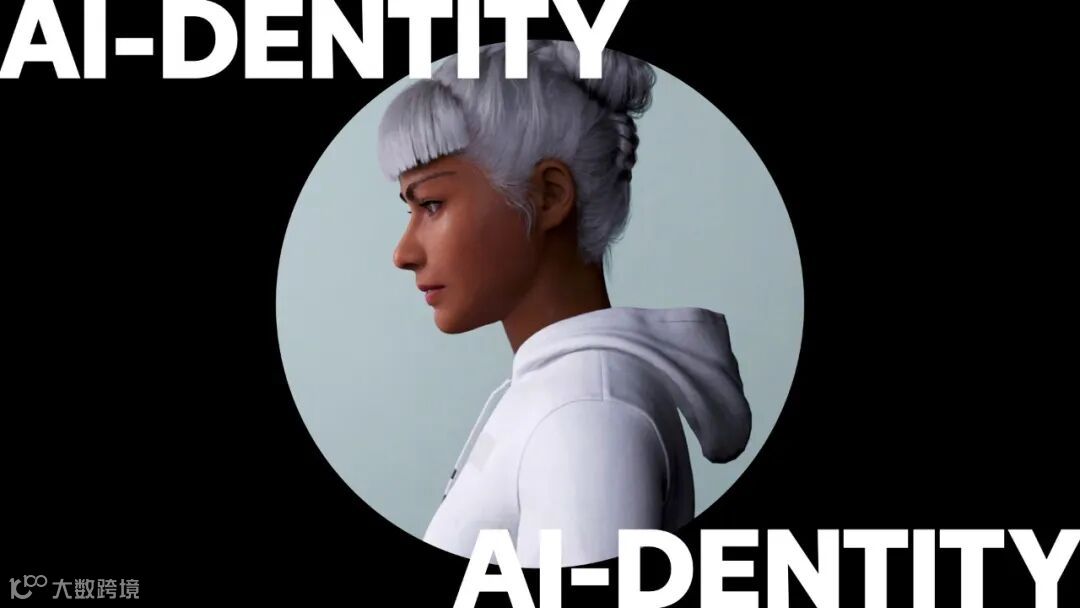
“The 2D-Live Avatar trend is rising in APAC. Not only in aesthetic terms and to conform to manga/animation styles but also the tech is more accessible and can be customised for specific gestures or skin colours.”
V Tubers are embracing virtual identities, enabling them to authentically engage their audiences while maintaining their privacy. Many consumers are finding these virtual personas easier to engage with than their 3D counterparts.
In parallel, AI creator platforms such as Dall E, Stable Diffusion, ChatGPT and Jasper are creating new models for how we think about the nature of creativity and the future of work. With the ability to generate extraordinary imagery and convincing copy in real time, and AI generated articles already a reality in many newspapers how long before AI takes on much of the manual work of adaptation, resizing and repurposing agencies carry out today?
Meanwhile, the singer Holly Herndon has created a deepfake of her own voice and identity. Holly+ “a first of a kind voice instrument for you to play and experiment with” uses Hendon’s voice but can be prompted to sing anything, or to enable other artists to sing with her voice. As well as making music, Holly+ poses important questions about the nature of AI training data, ownership and consent.
AI-DENTITY:
BY THE NUMBERS
64%
According to Mintel Global Consumer data, 64% of Southeast Asian consumers say they are interested in trying things in the metaverse that they would not try in real life.
30%
Gartner states that virtual influencers will receive 30% of influencer marketing expenses by 2025.
1/2
According to Mintel Consumer Data, nearly half of people who follow social media personalities are interested in following a virtual influencer.
AI-DENTITY:
WHAT IT LOOKS LIKE
AI ARTISTRY
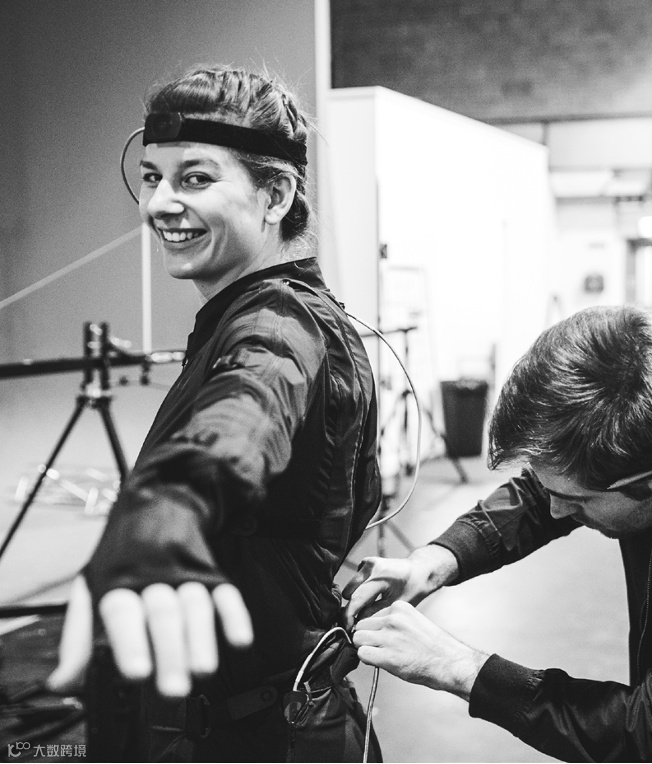
Creators are creating assets — accessories, avatars — and entire worlds in the digital realm and demand for their artistry is booming. “Just like you decorate your bedroom or home, for the people that are using social VR as an extension to their social life, they want an environment that feels comfortable to them,” comments VICE. In acknowledgement of the desire for custom assets, L’Oreal recently partnered with Ready Player Me, the leading cross-game avatar platform for the metaverse, to premier exclusive makeup and hair styles that can be used across more than 4,000 platforms.
V-TUBING AMBASSADORS
We’re seeing influencers embrace “Virtual Tubing” as a way of adopting alternative identities and maintaining privacy particularly in Asia Pacific. Dentsu Creative’s own virtual influencer, Rumi, is a prime example, created through the dentsu VI platform.
The adoption of virtual influencers by brands is maturing, for example Tmall’s Luxury Pavilion launched its own virtual influencer, Timo, to promote its labels. Baidu launched the first AI emotional healers, Lin Kaikai and Ye Youyou, to provide 24-hour online companionship and functional services and to assist the app’s 600 million users with mental health issues.
PROMPT MARKETPLACES
Platforms like Dall E and Stable Diffusion are creating new models for how we create art, generating imagery purely from descriptions written in natural language or “prompts.” As “prompts” or concepts become increasingly valuable we are seeing the emergence of ‘prompt engineers’ to generate the best results with marketplaces like PromptBase allowing users to sell optimum phrases. We’re also seeing exciting potential for world building, re-building or even pre-building. Twitter account @betterstreetsai, led by New York Artist Zach Katz went viral this year, utilising DALL-E-2 to envision how car-centric streets could be redesigned for pedestrians.
OUR WORK...
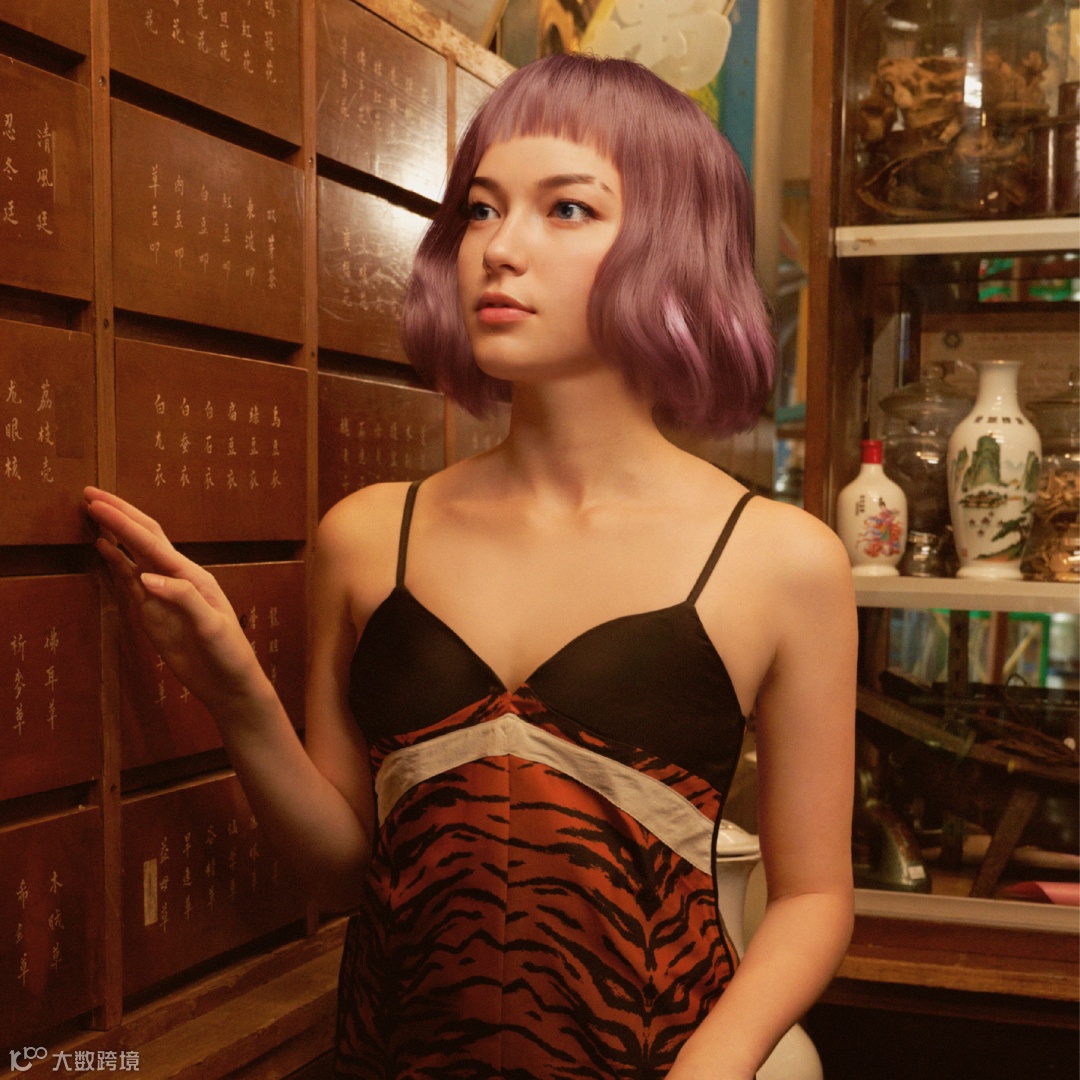
VIRTUAL IDENTITY FOR BRANDS: DENTSU VI
Imagine, what would your brand look like if it had a face?
Dentsu VI is a first of its kind Virtual Identity service that provides brands with a face and personality to show up and interact in the online world, whether it be on e-commerce platforms, serving as virtual influencers at live events and across social media, or interacting with consumers in real time in the Metaverse.
Rae, one of Dentsu VI’s Ready Made influencers, is Asia’s most popular hyper-realistic virtual personality and influencer. Her Instagram profile continues to make waves in Singapore and internationally.
Created by CGI technology and powered by AI solutions, Rae traverses between the real and virtual, advocating for a better world that combines both dimensions.
WHAT IT MEANS FOR BRANDS...
01
AI-FFICIENCY WINS
As AI assisted creativity accelerates, we see real potential for AI to take on many of the more time consuming and less creative tasks that currently consume agency time; from resizing assets to creating multivariate copy tests to creating long form brochure-ware. While human oversight and intervention will always be needed, time and creative capital could be freed up for more conceptual tasks.
02
CREATIVITY WITHOUT LIMITS
With the ability of AI assisted creativity to generate an infinite number of images and variations, and to imagine impossible scenarios the only limitations will be our collective imaginations. One challenge we will all need to wrangle with as we dive deep into this exciting new toolkit are the ethics of our new tools; questions of ownership, plagiarism and bias will dominate discussion for years to come.
03
CUSTOM CUSTOMER SERVICE
The ability to generate engaging AI influencers and avatars opens up the possibility of a personal shopper or consultant for every customer, or even a personal avatar who can try on clothes in the virtual space, reducing returns and improving margin.
This article is part of the DENTSU CREATIVE TRENDS REPORT 2023: A TALE OF NEW CITIES.
For full report, please visit DENTSU CREATIVE global website below.
www.dentsucreative.com/news/trends-2023
-ENDS-