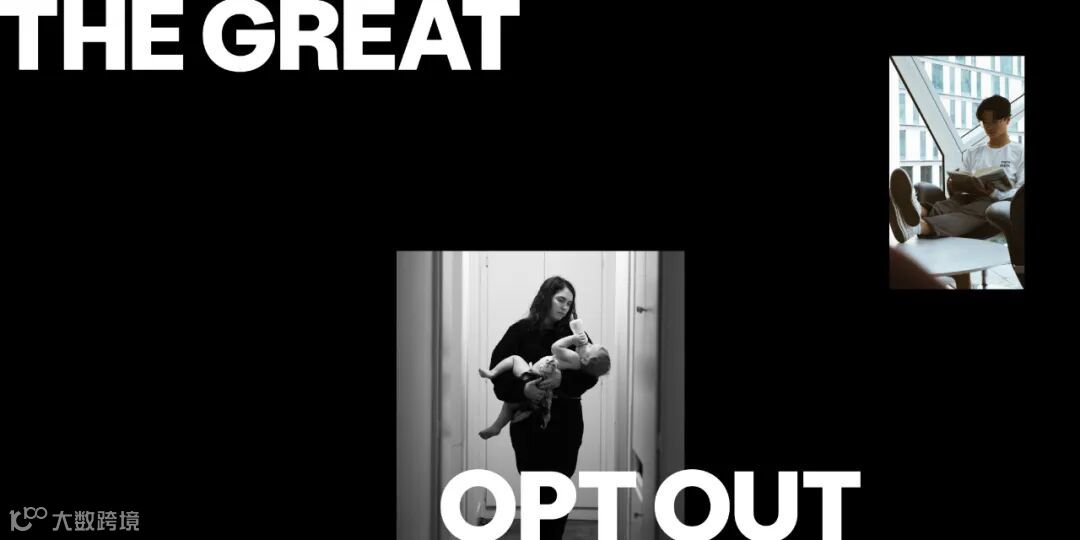
Building on 2021’s Great Resignation, 2022 gave rise to the “quiet quitting” phenomenon; a response to hustle culture where employees simply decided enough was enough. More broadly, we saw a step back from performative play or performative aspiration with “low stakes hobbies” replacing the performative self improvement of lockdown. On a bleaker note we saw women step back from the workplace in record numbers exacerbated by the pandemic and by spiraling costs of childcare.
As the milestones that characterized previous generations; buying a home, having a child, even buying a car moved further out of reach for younger generations, a desire to step back from a culture of goal-setting and goal-smashing has kicked in. Consumers are taking control of a volatile environment by opting out of previous generations’ definitions of success as a series of accomplishments and acquisitions.
Traditional goalposts like buying a home or getting married are increasingly deprioritized — 59% of American 18 to 34-year-olds have delayed a major life event because of Covid-19, compared to 40% of 35 to 54-year-olds and 23% of over 55s.
64% of US Gen Z teens agree that they feel they have lost two years of their lives because of the COVID-19 pandemic.
70% of workers say they would quit if another employer offered better policies to reduce burnout, it quite literally pays to put employee wellbeing front and center.
After a decade or more of performative hobbies and side hustles (culminating in lockdown sourdough contests) consumers are returning to “just because” hobbies. Watching TV has become a form of self-care, gardening continues to flourish and reading is a priority — fiction sales have risen by 21% compared to 2019, reaching their highest point in a decade. Also known as ‘atelic activity,’ this is about goal-free activities, doing things purely for enjoyments sake.
People are returning to the formative days of social media, sharing unfiltered content that reflects the realness of everyday. This is evidenced in the popularity of the BeReal app which notifies you at random at any one point of the day and invites you to snap a photo of whatever you are doing. Whilst the number of daily users may lag behind initial downloads (53M), it points to a desire to try and incorporate ‘realness’ back into highly polished and curated feeds. Instagram has also launched an optional Take a Break feature to remind users to step away from their screens.
‘Backseat gaming’ is also rising as a trend. It is, just as it sounds, viewers finding a sense of relaxation and enjoyment in watching other people play games——sinking into the calming music and immersive visuals. This trend is twinned with the rise of “comfort content” which helps you feel, cosy, comforted and supported particularly in stressful times. We also see a niche trend towards extremely long form, almost hypnotic content, such as hours long train journeys, or manufacturing processes.
As consumers opt out of conventional milestones, some big ticket purchases are suffering. In the UK, sales of new cars plummeted to their lowest levels for 24 years in March 2022, exacerbated by immense supply chain disruption. With access to ride hailing, ride sharing and micro-mobility solutions, younger generations are less likely to want to own a car, or even to hold a driver’s license any longer.
A PERSPECTIVE
"People used to flock to top-tier cities like Beijing, Shanghai and Guangzhou, pushing themselves to adapt to the hustle and bustle of metropolitan life. Today, Gen Z are stepping back from the traditional milestones for success but celebrating every small moments of joy."——Aurora Cao, Storyteller, dentsu Z
Gen Z in China are talking about the possibilities of seclusion or moving back to their smaller hometwons. Working at temples is unexpectedly appealing to many young people. In addition to the position’s attractiveness in non-compulsory KPI requirements, day-offs at weekends and the affiliation with China’s bianzhi (public or government institution) system, Gen Z finds the fragrance of incense, the tinkling of chiming bells and the chanting of prayers in the temples can bring inner tranquility and peace for a better work-and-life balance.
Moreover, an increasing number of young people are abandoning metropolitan life and returning to their rural hometowns. According to the statistics, around 12.2 million young talents have returned to their hometown to start up their own business while enjoying nature in rural life. For example, they involve themselves in rural tourism, agritainment and rural eCommerce, making country life a trendy topic on short-video platforms.
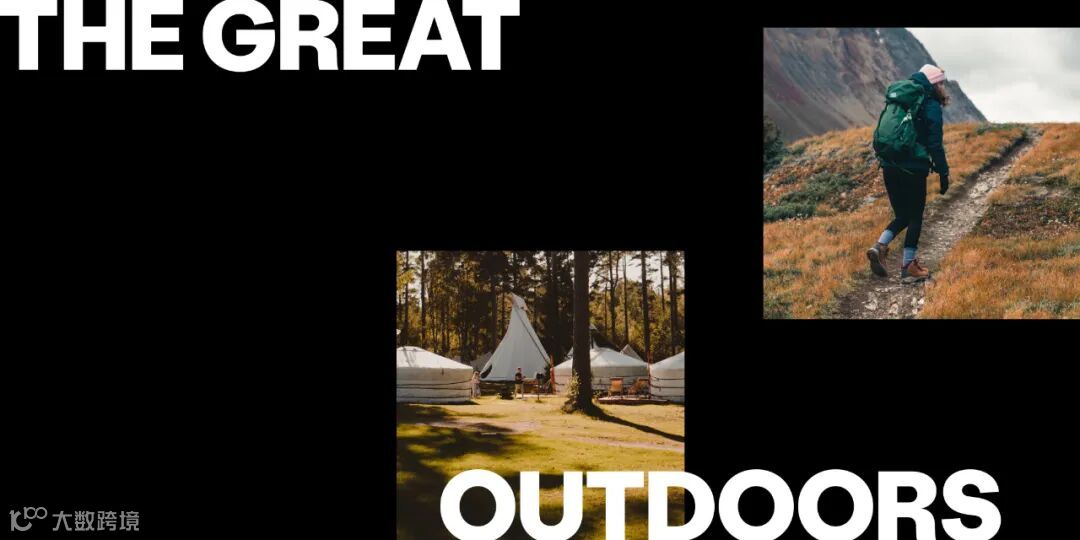
What “The Great Opt Out” incubated is “The Great Outdoors,”as people long to embrace the nature again.
In parallel to this desire to disconnect and step back we see a rising desire to get outside and reconnect with nature, our bodies and the world around us.
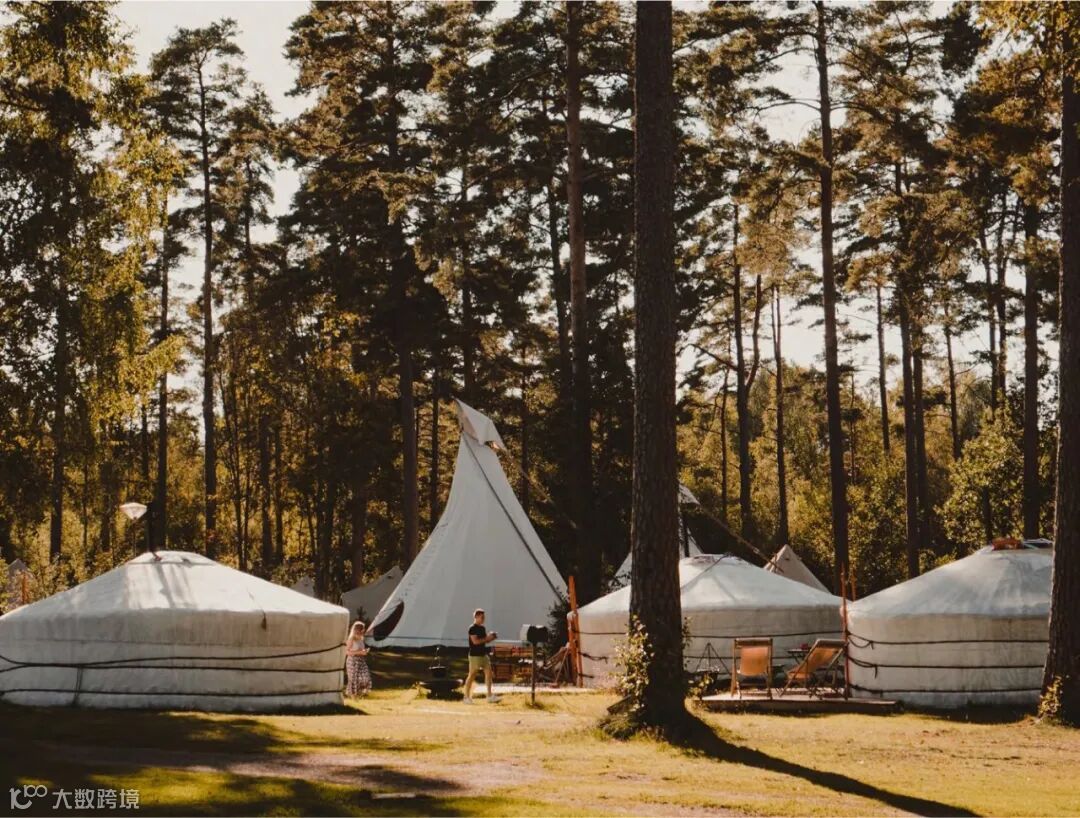
Post-pandemic, Chinese consumers embraced camping (or glamping) and outdoor pursuits in their millions, with camping related searches on the Alibaba platform jumping by 300% in 2020. The camping and outdoor activities trend plays to the twin desires for safe, low contact activities and for a more sustainable way to travel.
Around the world, walking has experienced a surge in popularity. TikTok trends such as #hotgirlwalk inspired users to celebrate how good their walk makes them feel, while 40% of users reported spending more time outdoors to support their mental wellbeing, according to Mindbody’s Annual Wellness Index.
Similarly, parents around the world embraced a powerful desire to give their children the freedom of the great outdoors after a period of lock down.
The size of the Chinese market for campsites in 2021, up almost 400% from 7.7 billion in 2020.
According to Global Web Index, whilst travel has not yet returned to pre-pandemic levels, travel tickets are still within the top 10 major purchases for consumers (as of Aug 2022) and there has been a 9% increase in sales since Q3 2021.
On Chinese lifestyle platform Little Red Book, the frequency of user searches that are related to cycling increased by 253% year-on-year in the first eight months of 2022.
Despite the allure of virtual worlds and the reality of financial restrictions, in 2023 travel and outdoor activities will soar, “people are craving immersive experiences, they need to feel things too” remarks Sergio Barrientos, SVP, Cultural Fluency, US. Outdoor recreation continues to rise building on trends for hiking, camping and walking that emerged during the pandemic. Responding to the opportunity for new outdoor experiences, in celebration of their portable smart speaker Sonos Roam, the audio giant partnered with The North Face for Never Stop Exploring, a dedicated station on Sonos Radio that features nine different soundscapes especially for outdoor listening.
Historically, outdoor pursuits such as hiking, rambling and camping have been sorely lacking in diversity and inclusion, with multiple studies showing severe inequalities of access to outdoor spaces and sports.
Groups such as Inclusive Outdoors, Wanderlust Women (a hiking and adventure group for Muslim women) and the Ebony Horse Club are championing inclusive access to outdoor spaces and outdoor sports for all.
PASSES TO THE OUTSIDE WORLD
Perhaps in a bid to diffuse attention away from screens, Germans turning 18 from 2023 are to be offered a €200 culture pass ‘birthday present’ voucher to get them outside experiencing art and culture. Finance minister, Christian Lindner, describes the pass as “cultural start-up capital” valid for 2 years for concert tickets, theatre, music and books managed via an app. Tuning into the sentiment around screen-free and shopping-free time, US outdoor retailer REI has routinely closed its doors every Black Friday since 2015 as part of its #OptOutside movement. This year it has made the initiative a permanent commitment hereafter.
JARDIM SONORO
A combination of heritage and music, tourism and culture, leisure and pleasure, Jardim Sonoro is a three-day festival and a unique experience designed to awaken the senses.
Immersed in nature, within the vibrant city of Lisbon, it is a must-attend event for music lovers, attracting some of the biggest electronic musicians and 25,000 visitors from around the world. After a two-year break for Covid, the festival partnered with DENTSU CREATIVE Portugal to return with a new name, concept and an idyllic new natural setting: the Keil do Amaral Garden in Monsanto.
Jardim Sonoro's ‘Unimaginable’ is one of the first campaigns to use Mid Journey, an advanced visual AI platform that, responding to keywords sown by the agency, generated a uniquely creative graphic output. Merging the features of leading performers, including Todd Terje, Jeff Mills and Jan Blomqvist, with birds and butterflies, leaves and trees, the surreal result is both beautiful and disturbing. Inspired by the images, the agency designed font mix typography and 12 unique and unrepeatable posters.
WHAT IT MEANS FOR BRAND...
THE OPT-OUT ECONOMY
As ownership becomes less important to a generation who mark life’s moments and milestones in different ways, access as a service will becoming increasingly important. Rental and subscription platforms for everything from fashion to automotive will continue to expand.
02
WE NEED TO GET OUT MORE
As consumers rediscover the power of time spent outdoors to lift their mood and support their wellbeing, brands should consider how they can enhance and augment those experiences; from building community to curating content to expanding access.
03
EXPLORING NEW PATHS
Aligned both to the desire for cultural immersion and the need to reclaim old narratives we touch on within other chapters, there is also an important conversation to be had about the role and history of indigenous populations in some of the outdoor spaces we treasure. Honest conversations about the history and heritage of these sites are culturally important and timely.
For full report, please visit DENTSU CREATIVE global website below.
www.dentsucreative.com/news/trends-2023