As passionate as we are about tech and innovation, there’s no doubt that 2022 was a year when many consumers questioned their relationship with technology after years of absolute dependence and seemingly unstoppable growth during the pandemic.
Concerns over privacy, cyber bullying and misinformation eroded consumer confidence while a challenging economic outlook slowed down the adoption of cryptocurrency. Time spent online peaked in key markets as screen fatigue well and truly set in, while growth in eCommerce sales slipped backwards post pandemic.
After a bullish 2021, where digital art changed hands for extraordinary valuations, sales of NFTs dropped in 2022, although as this article in The Art Newspaper notes, the real picture may be a little more nuanced.
While some have heralded an early end to the NFT boom, brands such as Nike and Gucci are driving significant revenues from NFTs, with Nike generating a reported $185M in NFT sales.
Time spent online in the UK has peaked according to GWI 2023 Trends. “Time spent online has hit a ceiling, a potential side effect of growing distrust in all things digital.” Even in an internet growth market like Latin America, average daily time online has fallen by 34 mins since 2013.
According to GWI’s “Connecting the Dots 2023” report disinterest in the metaverse stems from a lack of confidence online – a third of Americans surveyed who report being “interested” in the metaverse are worried about how companies are using their data online.
Globally, the number of consumers who say social media causes them anxiety has grown 11% since Q2 2020 – with Gen Z and millennials the most likely to state this.
Conspiracy theories, fake news, and increasing sophisticated deep fake technologies are eroding consumer confidence in the internet as a place for trusted advice and nuanced debate. Dystopian fiction explores the long term potential for internet culture to impact society. “Quiet Part Loud,” the first fictional audio series from Academy Award Winning director Jordan Peele uses immersive audio and sound design to present a serialised horror/thriller exploring “the roots of our conspiracy-obsessed culture where disinformation now runs rampant,” while “Severance”, produced by Ben Stiller explores a dark vision of bio-technology where employees must have chips implanted in their brains.
The metaverse was hailed as a decentralised place for new types of idea to emerge but is in danger or reproducing the same power structures that exist offline. Despite much work to address toxicity within gaming platforms, we continue to see the proliferation of toxic behaviours beyond the customary ‘trash talk’ within games. In a 2021 Anti-Defamation League study, 83% of players aged 18-45 reported experiencing harassment in online multiplayer games, some 80 million gamers (ADL). Two of the biggest games developers, Riot Games and Ubisoft are partnering to tackle abuse in the metaverse.
TIME FOR VIRTUAL TO GET REAL
While many have been quick to pronounce the death of virtual assets, seasoned tech watchers are familiar with the ups and downs of Gartner’s infamous hype cycle. While some of the initial euphoria may have calmed, blue chip brands are experimenting with NFTs and Web 3.0 technologies at scale, across interesting use cases from collectibles to marketplaces to loyalty.
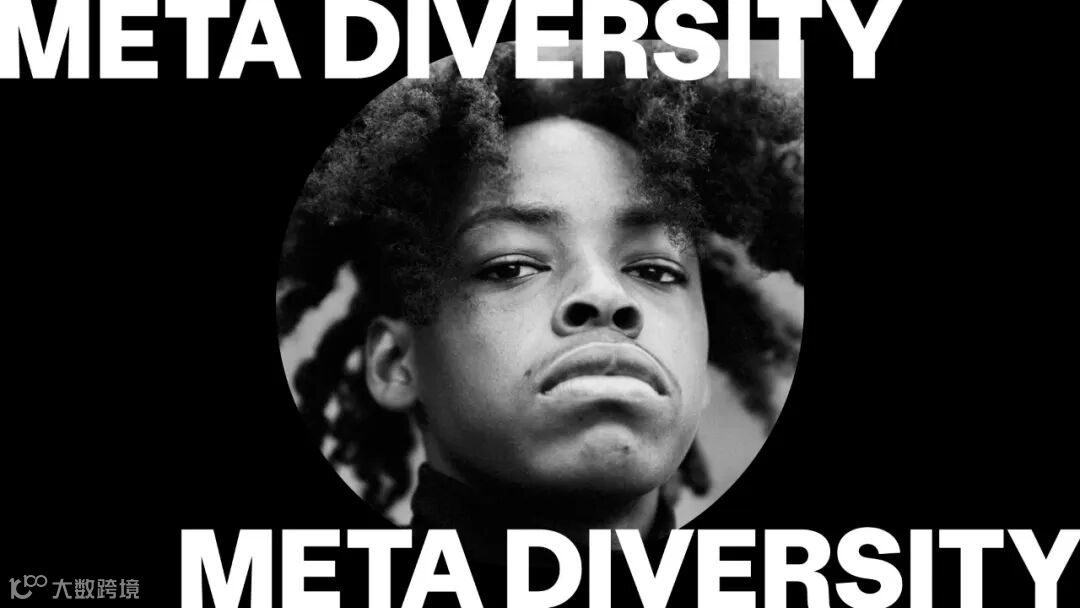
So how people continue to embrace “Meta Diversity” after years of “Toxicity in Technology”?
“When I was 21, the cool thing to be was famous on Instagram. Now the cooler thing to be is a mystery. Anonymity is in.” — Kaitlyn Tiftany for The Atlantic.
Independent voices have been campaigning for much greater inclusion and accountability in the online space. That starts with campaigning for better representation within the metaverse. Frustrated by the lack of options and poor rendering of Black hairstyles within video games, the Open Source Afro Hair Libraryis the world’s first free database of 3D modelled Black hairstyles, created exclusively by Black artists.
Meanwhile, new social media platforms are adopting more nuanced approaches to authentic identity versus personal privacy; imagining a world where a more civil and accountable online discourse is possible. Initiatives such as Mastodon, Spoutibleand Post envisage a new breed of social network where control lies with the individual, not the corporation, where real people connect around the issues that matter most to them. Bot Sentinel is a platform designed to identify information or harassment.
Women are spending more time in the early iterations of the metaverse and are more likely to spearhead initiatives in the new and developing next generation of the internet, but men still hold 90% of executive positions at organisationsshaping this emerging economy. McKinsey, 2022.
70% of survey respondents in a 2021 report from the Institute of Digital Fashion said that gender representation within virtual experiences has become vital to them. IoDF, 2021.
51% of 12-15 year olds say that ‘protecting people from bullying’ is important to them in game play. GWI, 2022.
SAFE SPACES FOR EVERYONE
Combining the trend towards niche social networking platforms with the desire to foster a more diverse, equitable and inclusive metaverse new ‘safer’ spaces are emerging across the metaverse.
Paidia is dedicated to an inclusive and respectful gaming experience for “women, LGBTQ+ people and their allies” centering kindness, inclusivity and the safety and respect of its users. Users are building metaverse spaces in their own image like MetaKawn, dedicated to representing and connecting young Muslims. Burberry has partnered with esports company Gen. G for a four part content series highlighting inclusivity in the industry and will also offer a scholarship to an emerging player.
People are opting for alternative platforms that allow them to conduct private, authentic and safe interactions.
According to app analytics firm Sensor Tower, the Mastodon app grew 657% to 1M downloads. It is a free, open-source and decentralised social platform made up of multiple servers. Pre-registrations have launched for Spoutible, a platform that allows users to ‘spout off’ while fighting harassment, disinformation and prejudice. Post moved to launch quickly describing its positioning as the “virtual watercooler for journalists.”
Businesses are deploying tactics to open up and out against the echo chamber and its biases.
Glenlivet whisky launched a campaign to challenge the perception of the stereotypical whisky drinker by flooding Google Image searches with vibrant coloured photographs captured by Danny Kasiyre and Devyn Galindo in order to #BreakTheStereotype with images of young people and women enjoying the drink.
They also partnered with Equal Measures to support 30 participants from marginalised communities to pursue a career in the drinks industry.
CAMOUFLAGE AGAINST THE MACHINES
While we have recently become more careful about how we manage our personal data online, AI-based security cameras and in-store customer analytics are labeling individuals based on their appearances and using their information without their permissions in the cities. In Europe and the U.S., AI related laws have been revised and large companies have withdrawn from facial recognition for police.
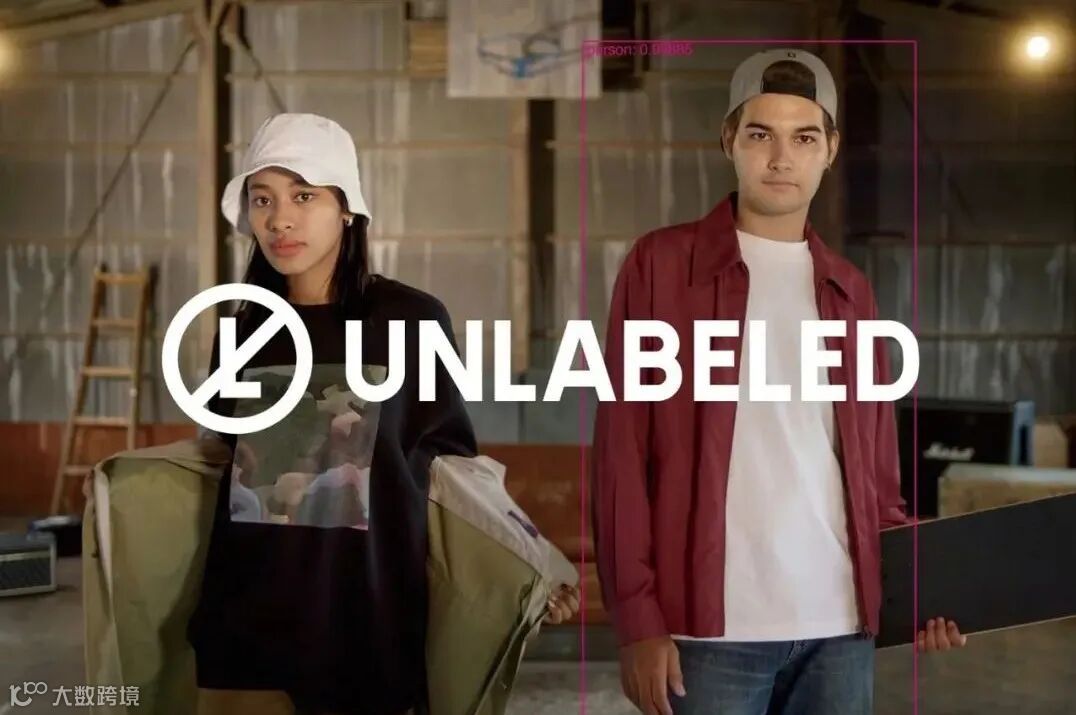
In order to raise awareness of the issue and establish a good and appropriate relationship between AI technology and society, Dentsu Lab Tokyo and Qosmo launched textile label UNLABELED and developed camouflage patterns that evade AI labeling.
In collaboration with apparel brand NEXUSVII., the team created products such as hoodies, crew sweatshirts, and skateboards. A pop-up store was set up at Shibuya PARCO in Tokyo for demonstrations and sales. The work has achieved over 120 pieces of media coverage.
WHAT IT MEANS FOR BRAND...

KFC X Super QQ Show
01
SUBSTANCE, NOT SHINY OBJECTSCTS
As ever, new technologies prompt a wave of excitement and experimentation, which is always to be celebrated. As virtual assets, art and currency mature however consumers and CMOs alike will expect to see a meaningful value exchange, and a commercial impact. The answer will be perhaps to think less about a Metaverse strategy and more about a brand and business strategy enabled by the rich potential of Web 3.0 technologies.
Technology teams must consciously correct some of the industry’s in built biases if they are both to solve for genuine representation and to create safe spaces for the most vulnerable. The Spoutible platform for example states that “For Spoutible to be successful and tackle the issue plaguing every platform, it must start with diversity.”
More than ever it will be vital for brands to engage in authentic conversations within social platforms. As new, decentralised platforms spring up with a commitment to authenticity and a resistance to advertiser funded models interrupting the conversation will no longer be an option in many spaces.
For full report, please visit DENTSU CREATIVE global website below.
www.dentsucreative.com/news/trends-2023