


01 打造生态工业共生体
宁夏赛马
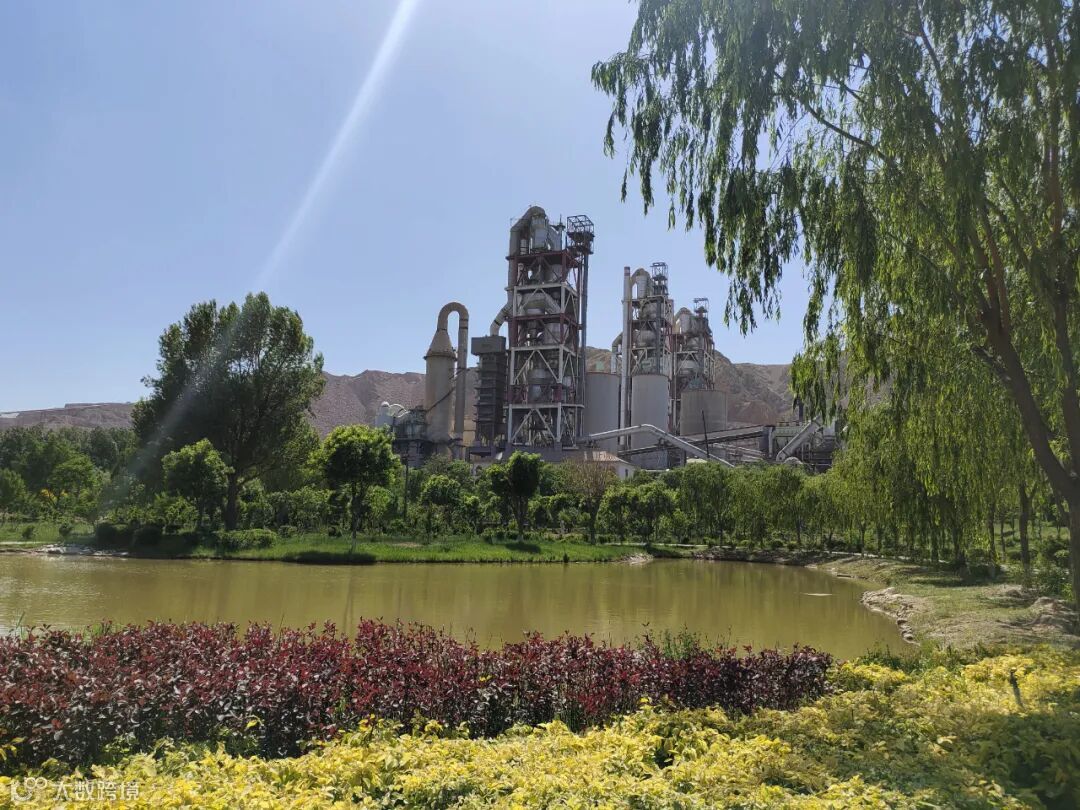
宁夏赛马始终坚持走生态保护与可持续发展道路,致力打造绿色、低碳、循环的现代化企业。
严守生态红线,预防生物多样性风险。严格执行生态保护红线政策,100%新改扩项目规避敏感生态区域。联合贺兰山自然保护区管理局开展地面调查,识别并保护厂区及周边关键物种栖息地,建立生态风险预警机制,杜绝矿山开采和生产运营对区域生物多样性造成不可逆影响。
实施生态修复,重构矿区生态系统。持续推进水土保持和植被重建工程,采用乡土树种和耐旱植物进行绿化,增强生态系统稳定性和固碳能力。开展矿山边坡治理、地质灾害防治和土地复垦,利用微生物修复、植物-土壤系统协同等技术改良土壤,提升生态系统的自我恢复能力。目前已累计复垦绿化土地超过70公顷,种植乔灌木数3,000余株,植被覆盖度显著提升。
创新管理模式,促进人与自然和谐共生。建立政企共治的生态保护机制,实时监测生态修复进展和环境质量变化。通过科学管护和生态调度,保障区域水资源平衡和生物栖息地完整性,推动矿区向“生产-生态-生活”三生融合转型。
强化生态宣传,提升全员保护意识。宁夏赛马每年开展“植树节”“企业开放日”等主题宣传活动,动员员工参与植树造林、生态观测、环保志愿服务等,助力提升全员绿色节能意识,增强公众对宁夏赛马绿色转型的认知与认同。
宁夏赛马厂区内建成的赛马公园、赛马人工湖、赛马菜地等每年生产出瓜果蔬菜约10万斤、鱼类5,000余斤,直接经济效益40余万元。生态+产业模式逐步成熟,依托矿区生态景观开展的科普教育、生态体验等衍生服务潜力巨大,为可持续发展注入新动能。
通过多种举措,宁夏赛马有效控制了开发建设对自然生态系统的影响,提升了区域生物多样性水平。矿区环境空气质量持续优于国家二级标准,水土流失得到有效遏制,人工湖和绿化带成为野生动物的新栖息地,形成良性循环的矿区微生态系统,获评国家级“绿色工厂”。
Ningxia Saima: Building an Ecological Industrial Symbiosis
Strictly adhering to ecological protection redline policies, the company ensures that 100% of new, renovated, and expanded projects avoid ecologically sensitive areas. In collaboration with the Helan Mountain Nature Reserve Administration, it has conducted ground surveys to identify and protect key species habitats in and around the plant, establishing an ecological risk early-warning mechanism to prevent any irreversible impact of mining and production activities on regional biodiversity. During the project siting phase, it firmly avoided ecological protection areas, ensuring a safe distance between the plant and ecologically sensitive zones. By improving production processes and promoting energy-saving and low-carbon technologies, the company has reduced energy and material consumption, as well as emissions of dust, noise, and wastewater. The company actively explores whole-chain carbon management, with multiple produced Portland cement products successfully obtaining China Low-Carbon Product Certification while also passing the carbon management system certification. Ecological restoration efforts have been implemented to rehabilitate the mining area ecosystem. The company continuously advances soil and water conservation and vegetation rehabilitation projects, using native tree species and drought-tolerant plants for greening to enhance ecosystem stability and carbon sequestration capacity. It carried out mine slope management, geological disaster prevention, and land reclamation, having cumulatively reclaimed and greened over 70 hectares of land and planted more than 3,000 trees and shrubs. It monitors ecological restoration progress and environmental quality changes in real time, ensuring regional water resource balance and biological habitat integrity through scientific management and ecological scheduling. Ningxia Saima also organizes themed promotional activities such as "Tree Planting Day" and "Enterprise Open Day," mobilizing employees to participate in afforestation, ecological observation, and environmental volunteer services. Within the plant area, Saima Park, Saima Artificial Lake, and Saima Vegetable Garden together yield approximately 50 tons of fruits and vegetables and 2.5 tons of fish annually.


02 以“六维举措”绘就生态保护与发展共赢新画卷
布尔津天山


03 运输廊道建设保护河流生态
池州中建材新材料
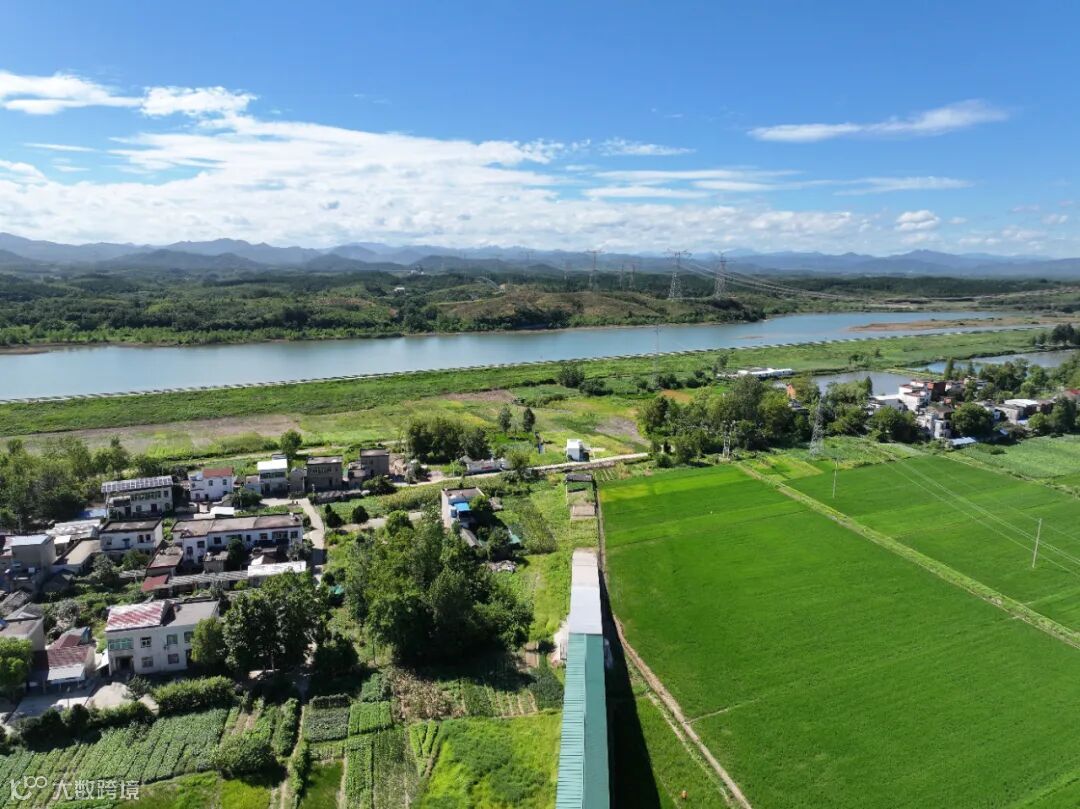
池州中建材新材料年产4000万吨骨料生产基地项目,是华东材料推动区域矿业经济绿色转型的重点工程。其配套建设的贵池区公共矿产品运输廊道,连接矿山加工区与长江乌沙港码头,不可避免穿越长江支流秋浦河,且穿越区域为国家级水产资源保护区核心区,并涉及两个省级重点生态保护红线区域。运输廊道建设若采用常规跨河桥梁方案,虽施工难度较低,但需在保护区核心区设置涉水桥墩,不仅会破坏鱼类栖息生境,还可能阻断水生生物洄游通道,与“生态优先、绿色发展”理念相悖。
经过方案研讨,项目变更原先河面上跨设计,首创采用盾构法隧道穿越该部分生态保护红线区域,最大程度减少施工对该区域的生态功能的影响。秋浦河隧道全长1,121.9米,建设投资相较原设计方案增加投资5,000万元。
盾构法隧道极大程度减低对秋浦河特有鱼类国家级水产种质资源保护区核心区内鱼类等水生生物造成的影响,有利于避让生态保护红线区域。项目的实施是人与自然和谐共生的深刻认识,更是对习总书记关于长江大保护思想的贯彻落实。
Chizhou CNBM New Materials: Protecting River Ecology with a Conveyor Corridor
Due to site selection reasons, the conveyor corridor project inevitably crosses the Qiupu River, a tributary of the Yangtze River. The crossing section lies within the core zone of a national aquatic germplasm resource reserve and involves two provincial-level ecological protection redline areas. Following comprehensive program reviews and design modifications, the project pioneered the use of shield tunneling method to cross this part of the ecological protection redline area, greatly reducing the impact on the core zone of the Qiupu River Special Fish National Aquatic Germplasm Resource Reserve, and helping avoid the ecological protection redline areas.


04 矿业绿色转型提供可复制的“国大样本”
四川国大水泥
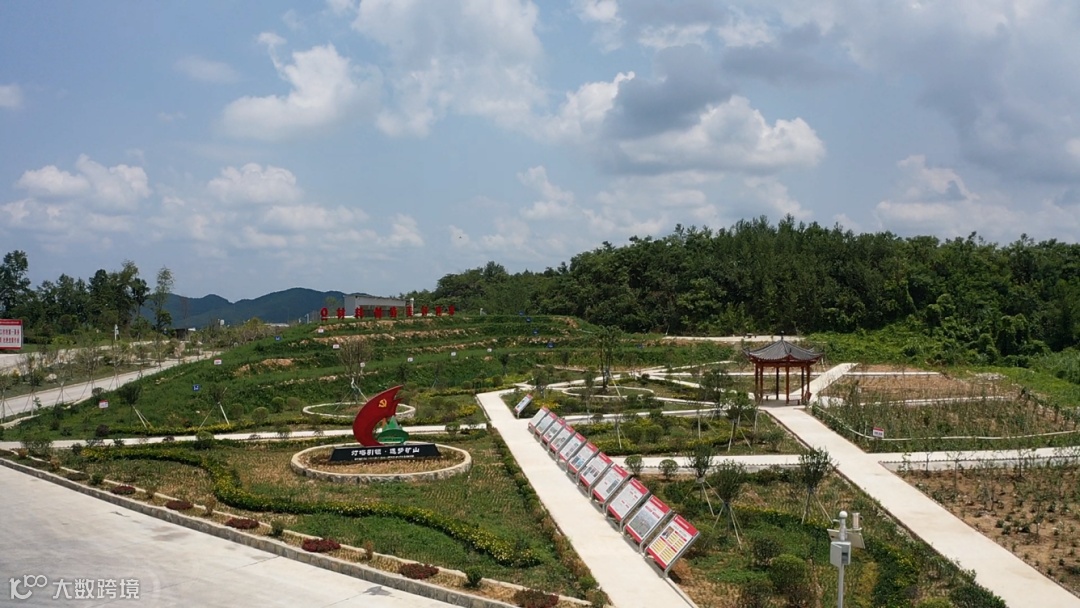


05 打造绿色和谐家园
中材水泥蒙古公司
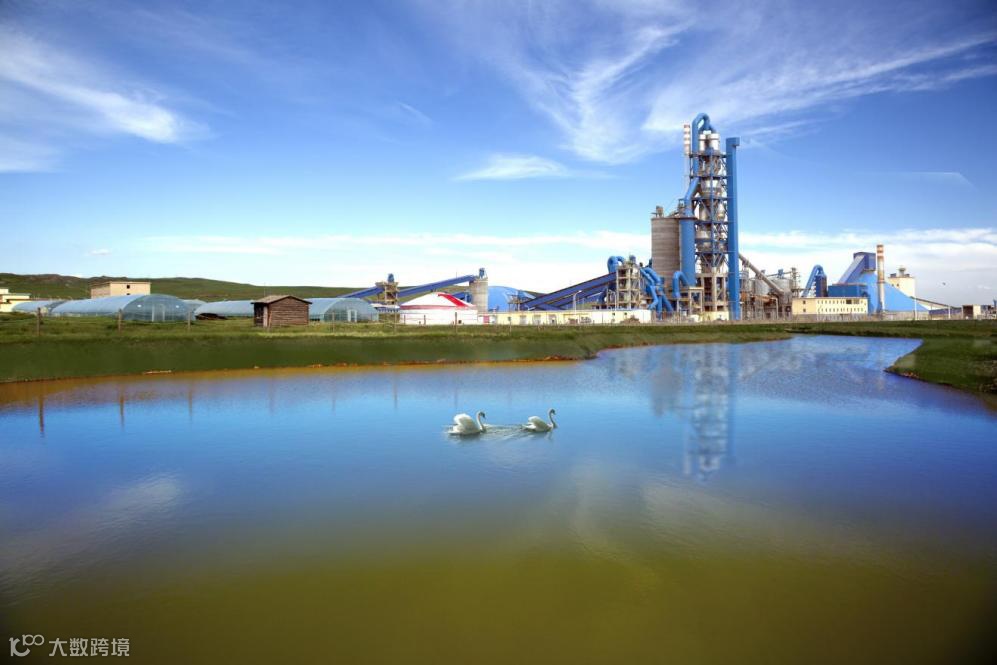
中材水泥蒙古公司所处地区自然环境相对恶劣,气候干燥,植被稀少。中材水泥蒙古公司高度重视生产厂区与自然环境的融合,经过精心规划,利用自然地形,减少对原有生态的破坏的情况下,建成蔬菜大棚、人工湖、绿草、碧树于一体的生态园。
中材水泥蒙古公司投资建设了现代化的蔬菜大棚,采用先进的淋灌和温室技术,种植了多种蔬菜,如西红柿、黄瓜、白菜等。大棚不仅满足了员工食堂的蔬菜需求,还降低了运输成本,美化了环境。在厂区挖掘4.2万m³人工湖,湖水来源于雨水收集和循环利用系统。园区种植了适应当地气候的草坪、树木,累计植树约5,000棵,种草约60,000平方米。植被不仅增加厂区绿化,还有效防止了风沙侵蚀,建立了小型生态保护区,吸引多种鸟类和动物栖息。
为保护周边牧场,避免影响周边牧民的正常生活,中材水泥蒙古公司还制定相关厂外道路洒水制度,地表雨水取水,每日平均洒水160吨;加强现场粉尘、噪声治理,颗粒物排放浓度≤10mg/Nm³,远低于蒙古国国家标准。
同时,中材水泥蒙古公司是蒙古国首例通过循环利用处理垃圾的公司。通过在预热器分解炉加装填料口实现对垃圾的焚烧处理,解决了困扰多年的环保问题,得到蒙古国政府的认可和好评。中材水泥蒙古公司做到每日及时处理,现场垃圾堆存为0,截至目前共处理垃圾约800吨。
中材水泥蒙古公司用十年时间从"沙尘黄"到"生态绿",改善员工的工作和生活环境的同时为当地的环境保护贡献自己的一份力量,证明了水泥生产与脆弱生态系统并非不可调和。只要将敬畏自然嵌入公司战略,用系统化思维管理环境要素,就能把灰色水泥厂变成万物共生的乐园,实现真正的永续发展。
Sinoma Cement Mongolia Company: Building a Green and Harmonious Home
The company has invested in modern vegetable greenhouses to supply the staff canteen with fresh vegetables, reduce transportation costs, and enhance the plant environment. It also constructed a 42,000 m³ artificial lake within the plant area, sourcing water from rainwater collection and recycling systems. The surrounding park has cumulatively planted approximately 5,000 trees and about 60,000 square meters of grass.
To protect surrounding pastures, the company also established a relevant road sprinkling system outside the plant, with an average daily sprinkling of 160 tons of water, while strengthening on-site dust and noise control, with particulate matter emission concentration ≤10 mg/Nm³, far below the Mongolian national standard. Meanwhile, Sinoma Cement Mongolia Company is the first company in Mongolia to treat waste through recycling, with daily timely treatment, zero on-site waste accumulation, and a total of approximately 800 tons of waste treated to date.


▲点击图片回顾往期优秀案例
编辑 | 党群工作部