


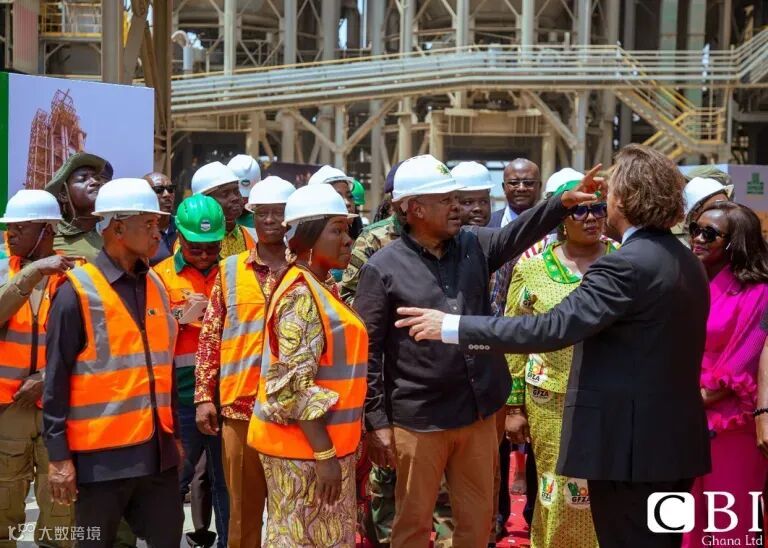
……随着马哈马揭幕全球最大煅烧粘土水泥厂
加纳正逐步减少对进口水泥原料的严重依赖 -- 这座耗资 1.1 亿美元的石灰石煅烧粘土水泥(LC3)工厂投产后,每年可减少数十万吨熟料进口开支。
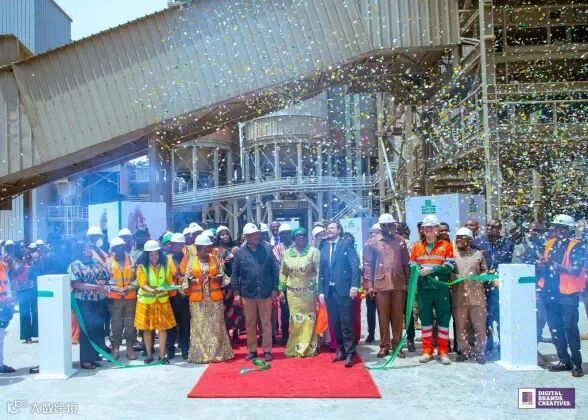
由 CBI 加纳有限公司在特马自由贸易区建设的该工厂,由总统 John Dramani Mahama 先生主持正式启用。该设施年产能达 40 万吨煅烧粘土,可使水泥生产商大幅替代进口熟料(水泥制造过程中碳足迹最高且成本最昂贵的成分)。
加纳目前是非洲最大的熟料进口国,行业估计数据显示该国每年花费近 5 亿美元进口这种用于水泥生产的中间产品。其中大部分供应来自亚洲和中东地区,使当地制造商面临汇率波动、运输成本和全球大宗商品价格起伏的风险。
根据公司估算,新工厂预计每年可替代约 40 万吨熟料进口,相当于减少约十艘货轮的年运输量。若目标达成,每年可减少数千万美元的国内熟料进口支出,同时降低建筑业对外汇的需求。

Mahama 总统在仪式上致辞时表示,这项投资标志着加纳工业战略向提升国内附加值的方向转变。他指出:"CBI 加纳公司在这里的建厂成果,彰显了加纳的发展潜力。几十年来,我们出口原材料、进口制成品的产业模式导致工业发展承受着沉重的进口账单。今天,我们正在证明非洲完全能够实现负责任的工业化进程。"
Mahama 总统强调,增强本土制造能力对建设更具韧性的经济至关重要。他进一步表示:"我看到在场的工程师、技术员和实验室人员 -- 加纳的工业未来将由你们的双手创造。"
过去十年间,在快速城市化、住房需求增长和基础设施建设的推动下,加纳水泥需求持续扩大。行业分析师估算,该国年消费量在 700 万至 900 万吨之间,而年产能已超过 1000 万吨。
尽管市场规模相对较大,加纳大多数水泥厂主要作为粉磨站运营,需进口熟料后与石膏及其他添加剂混合生产成品水泥。这种产业结构使该行业对货币贬值和全球航运成本高度敏感。
2022 至 2024 年间,塞地货币的急剧贬值导致水泥价格持续上涨,在首都阿克拉和库马西等主要城市市场,零售价格根据品牌和强度等级达到每 50 公斤袋装 110 至 135 塞地。
新工厂采用的 LC3 技术用煅烧粘土和石灰石替代部分熟料,这两种原料在加纳本地均可获取。通过减少水泥生产所需的进口熟料比例,制造商既能降低外汇风险敞口,又能提高本土附加值。

加纳 CBI 公司董事总经理 Frédéric Albrecht 先生表示,这项投资旨在解决加纳水泥行业面临的关键结构性挑战之一。
"加纳每年花费近 5 亿美元进口熟料,这些外汇本可用于稳定本币汇率。通过这座全球规模最大的工厂,我们将用本地生产的煅烧黏土替代进口熟料。" 他解释道。
除经济影响外,该工厂还有望降低水泥生产的碳强度。该公司表示,与传统波特兰水泥相比,LC3 工艺可减少高达 40% 的排放量,这得益于煅烧黏土生产所需的能源低于熟料。水泥行业被普遍认为是全球碳密集度最高的工业领域之一,约占全球二氧化碳排放量的 7% 至 8%。
特马工厂还配备了自动化包装系统,可同时灌装 10 袋水泥,并在约 25 分钟内完成 40 吨卡车的装载,显著提高了向建筑工地和基础设施项目批量配送的物流效率。
CBI 加纳公司以 Supacem 品牌生产水泥,产品供应预拌混凝土生产商、基建承包商和住宅开发商等建筑市场多个领域。
行业观察人士指出,煅烧黏土技术的广泛应用或将通过减少对进口熟料的依赖,重塑加纳水泥生产的经济格局 -- 长期以来,熟料进口一直是建材行业最大的外汇消耗项之一。
"展望未来,我们建设这座工厂不仅是为了 CBI,更是为了激励整个水泥行业,确保加纳科学家在可持续建筑领域保持领先地位。" Frédéric Albrecht 先生补充道。
CBI’s US$110m Investment to Reduce US$500m Clinker Import Bill
…as Mahama unveils world’s largest calcined clay cement plant
The nation is on course to reduce its heavy dependence on imported cement inputs after the opening of a US$110million limestone calcined clay cement (LC3) facility that could cut hundreds of thousands of tonnes from the country’s annual clinker import bill.
The plant, developed by CBI Ghana Ltd. at the Tema Free Zones Enclave, was officially opened by President John Dramani Mahama. The facility has capacity to produce 400,000 tonnes of calcined clay annually, enabling cement producers to substitute a significant portion of imported clinker; the most carbon-intensive and costly component of cement manufacturing.
Ghana is currently Africa’s largest importer of clinker, with industry estimates suggesting the country spends close to US$500million annually importing the intermediate product used in cement production. Much of that supply arrives from Asia and the Middle East, exposing local manufacturers to exchange rate volatility, freight costs and global commodity price fluctuations.
The new plant is expected to replace about 400,000 tonnes of clinker imports each year, equivalent to roughly ten cargo vessels annually, according to company estimates. If realised, that could reduce the domestic clinker import bill by tens of millions of US dollars annually while lowering foreign exchange demand from the construction sector.
Speaking at the ceremony, President Mahama said the investment represented a shift in Ghana’s industrial strategy toward greater domestic value addition. “What CBI Ghana has built here is a statement about Ghanaian potential. For decades, our industrial growth has faced a punishing import bill that grew on a culture of exporting raw materials and importing finished goods. Today, we are proving that responsible African industrialisation is possible,” he said.
President Mahama added that strengthening domestic manufacturing capacity would be critical to building a more resilient economy. “I see the engineers, the technicians and the laboratory staff here; Ghana’s industrial future will be built by your hands,” he further stated.
Ghana’s cement demand has expanded steadily over the past decade, driven by rapid urbanisation, rising housing demand and infrastructure spending. Industry analysts estimate domestic consumption at between 7 million and 9 million tonnes per year, while installed production capacity is estimated to exceed 10 million tonnes annually.
Despite the relatively large market, most cement plants in Ghana operate primarily as grinding facilities, importing clinker before blending it with gypsum and other additives to produce finished cement. The structure has made the industry highly sensitive to currency depreciation and global shipping costs.
Between 2022 and 2024, the sharp depreciation of the cedi contributed to rising cement prices, with retail prices in major urban markets such as Accra and Kumasi reaching GH¢110 to GH¢135 per 50kg bag depending on brand and strength class.
The LC3 technology used at the new plant replaces a portion of clinker with calcined clay and limestone, both of which are locally available in Ghana. By reducing the share of imported clinker required for cement production, manufacturers can lower exposure to foreign exchange risk while increasing local value addition.
Frédéric Albrecht, Managing Director of CBI Ghana, said the investment was designed to address one of the key structural challenges facing Ghana’s cement industry. “Every year, Ghana spends close to half a billion US dollars importing clinker. That is hard currency that can stabilise our local currency. From this plant, the largest of its kind in the world, we are replacing imported clinker with locally produced calcined clay,” he explained.
Beyond its economic impact, the plant is also expected to reduce the carbon intensity of cement production. The company says the LC3 process can cut emissions by up to 40 percent compared with conventional Portland cement, reflecting the lower energy required to produce calcined clay relative to clinker. The cement industry is widely regarded as one of the most carbon-intensive industrial sectors globally, accounting for about 7 percent to 8 percent of global carbon dioxide emissions.
The Tema facility also incorporates automated packing systems capable of filling 10 cement bags simultaneously and loading a 40-tonne truck within approximately 25 minutes, improving logistics efficiency for bulk distribution to construction sites and infrastructure projects.
CBI Ghana produces cement under the Supacem brand and supplies several segments of the construction market, including ready-mix concrete producers, infrastructure contractors and housing developers.
Industry observers say wider adoption of calcined clay technology could reshape the economics of cement production in Ghana by reducing the sector’s reliance on imported clinker, which has historically been one of the largest foreign exchange drains within the building materials industry. “As we look ahead. We did not build this plant for CBI alone. We built it to inspire the cement world and ensure Ghanaian scientists lead the way in sustainable construction,” Mr. Albrecht added.
来源:财政在线
翻译:无尽夏