


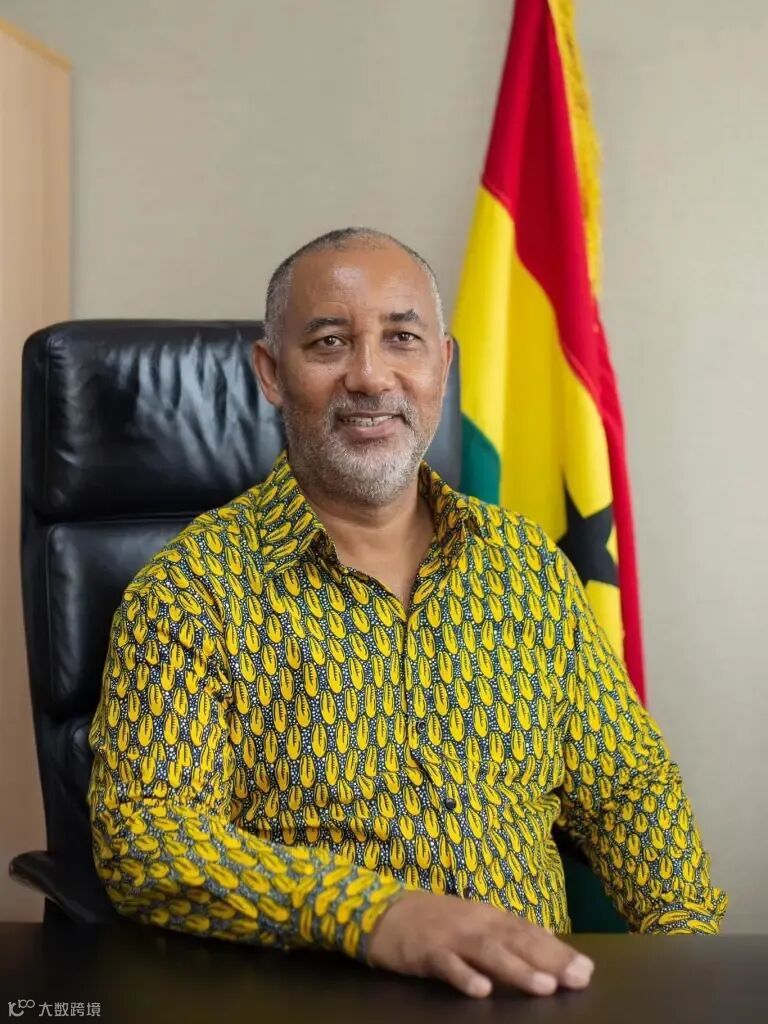
千年发展局(MiDA)首席执行官 Alex Mould 先生对全国中部地带农业基础设施普遍失修现象表示担忧,警告称多年维护不足已导致关键资产利用率低下。
此番言论是在为期七天的实地考察后发表的。千年发展局团队走访了阿香蒂、博诺、阿哈福和东博诺地区,评估水资源、灌溉潜力、农业价值链和机构协调机制,以确定优先投资领域。
考察期间,团队与传统领袖、地区官员及私营农业经营者进行交流,并对灌溉系统、水坝、内陆河谷、市场和农产品加工设施展开技术检查。
Mould 先生指出,考察暴露出灌溉基础设施维护存在重大疏漏,导致曾获巨额投资的资产状况恶化。
"在所有走访的农业区,明显存在大量闲置资产。尽管历年投入可观,但对运营维护的关注严重不足。"
他在塔诺南北市辖区苏宾贾灌溉项目现场发现,关键设备(包括水泵和电力变压器)遭拆除,导致设施瘫痪。修复这类设施需加纳灌溉发展局与食品农业部联合开展全面可行性评估和协调行动。
"要修复水坝及相关设施,必须进行详细技术评估,以指导设备、灌溉渠道、泵管系统的恢复及电力供应重建。"
Mould 先生特别强调塔诺南北市辖区水稻种植区存在巨大未开发灌溉潜力,某现有千英亩规模的水稻灌溉项目目前仅耕作约 300 英亩,部分原因在于 2008 年启动的水坝未完工。
若完成水坝建设并配套混凝土渠道系统,可实现全年灌溉,使农民实现两季耕作,年稻谷产量有望从 1000 吨提升至 6000-7000 吨。
Mould 先生将此类区域称为 "棕地机遇"——通过针对性工程和水管理措施改造现有低效设施,可快速提升农业生产规模。
增产还将助推下游稻米加工等产业发展,强化农业价值链,降低加纳对进口食品的依赖。这位 CEO 强调,需协调投资与机构协作,充分释放资产潜力,推动农业可持续发展。
MiDA CEO Raises Alarm over ‘Wasted’ Agricultural Assets
The Chief Executive Officer of the Millennium Development Authority (MiDA), Alex Mould, has raised concerns over the widespread neglect of agricultural infrastructure across the country’s Middle Belt, warning that years of under-maintenance have left critical assets underutilised.
His remarks follow a seven-day field assessment tour across the Ashanti, Bono, Ahafo and Bono East Regions, where a MiDA team evaluated water resources, irrigation potential, agricultural value chains and institutional coordination mechanisms to identify priority areas for investment.
The team engaged traditional authorities, regional and district officials and private agribusiness operators, while also undertaking technical inspections of irrigation schemes, dams, inland valleys, markets and agro-processing facilities.
Mr. Mould said the tour revealed significant lapses in the maintenance of irrigation infrastructure, resulting in the deterioration of assets that had previously attracted substantial investment.
“Across the farming areas we visited, it is evident that we have a number of wasted assets. While considerable investments have been made over the years, there has been inadequate attention to operations and maintenance,” he said.
At the Subinja irrigation site, located in the Tano North South Municipal Districts, the team observed extensive vandalism and the loss of key installations. According to Mr. Mould, critical equipment, including pumps and an electricity transformer, had been removed, rendering the facility non-operational.
He noted that restoring such infrastructure would require a comprehensive feasibility assessment and coordinated action involving the Ghana Irrigation Development Authority and the Ministry of Food and Agriculture.
“To rehabilitate the dam and associated infrastructure, there is a need for a detailed technical assessment to guide the restoration of equipment, irrigation canals, pumping and piping systems, as well as the reconnection of power supply,” he said.
Mr. Mould also highlighted significant untapped irrigation potential in rice-growing areas, particularly within the Tano North and South Municipal Districts, where existing capacity remains largely underutilised.
“We visited a rice irrigation scheme with the capacity to cultivate about 1,000 acres, yet only approximately 300 acres are currently under production,” he disclosed.
He attributed the shortfall partly to incomplete infrastructure, noting that a dam initiated in 2008 had not been fully developed, thereby constraining the scheme’s effectiveness.
According to him, completing the dam and constructing a concrete canal distribution system could enable year-round irrigation, allowing farmers to cultivate the full acreage and harvest at least two crop cycles annually.
“If reliable water supply is ensured alongside improved agronomic practices, output could rise from about 1,000 tonnes of paddy rice annually to between 6,000 and 7,000 tonnes,” he said.
Mr. Mould described such locations as “brownfield opportunities”, where existing but underperforming infrastructure can be rehabilitated to rapidly scale up agricultural production through targeted engineering and water management interventions.
He added that increased output could support the development of downstream agro-processing facilities, including rice mills, thereby strengthening agribusiness value chains and reducing Ghana’s dependence on imported food commodities.
The MiDA CEO stressed the need for coordinated investment and stronger institutional collaboration to unlock the full potential of these assets and drive sustainable agricultural growth.
来源:财经在线
翻译:无尽夏