
树莓酵素与蓝莓酵素有机酸分析及其体外抗氧化性能

目的:有机酸是浆果类植物的重要功能成分,具有清除自由基、抗氧化、降低氧化应激的作用,同时也是重要的风味物质。随着食用植物酵素产业规范化、标准化发展,对于其中功能性成分的解析也成为研究的热点。浆果类植物中有机酸种类多、含量差别大等因素,直接影响食用植物酵素的营养价值、感官品质和功能活性,已成为目前定向开发功能性浆果类食用植物酵素的难题之一。本文以树莓和蓝莓为原料,分别制备树莓酵素和蓝莓酵素,比较不同原料的浆果类食用植物酵素中有机酸种类、含量及抗氧化性能,为进一步开发食用植物酵素功能性产品提供实验依据。
方法:将新鲜树莓和蓝莓与红糖按质量比1.5:1,加入到已灭菌的玻璃瓶中,封口,放在暗处,常温下自然发酵1年,制备树莓酵素和蓝莓酵素,发酵结束后,将样品经高速离心得到上清液。采用高效液相色谱法(HPLC),色谱柱:Inertsil ODS-2, 150 mm×4.6 mm,选择0.02 mol/L KH2PO4溶液(用磷酸调pH=2.7)作为流动相,流动相流速:1 mL/min,温度:30 ℃,检测波长:210 nm,上清液样品用超纯水稀释10倍, 用0.22 μm滤膜过滤后直接进样,检测树莓酵素和蓝莓酵素中的有机酸种类和含量以Vc作为对照,以还原力、1,1-二苯基-2-三硝基苯肼(DPPH)自由基清除能力、超氧自由基清除能力、羟基自由基清除能力和2,2'-联氮双(3-乙基苯并噻唑啉-6-磺酸)二铵盐(ABTS)自由基清除能力作为抗氧化性指标,多体系地考察不同剂量的树莓酵素和蓝莓样品的体外抗氧化性能。
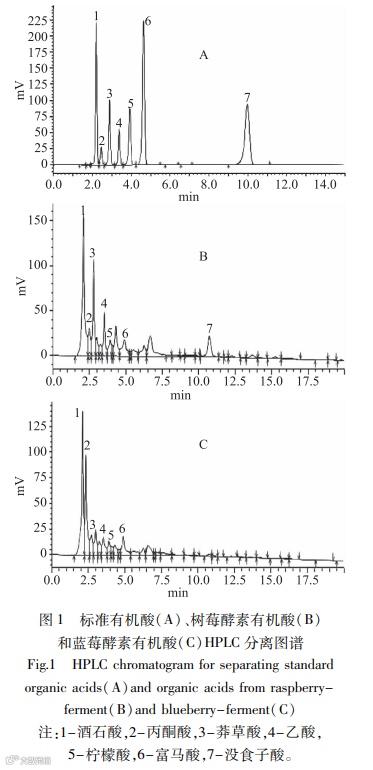
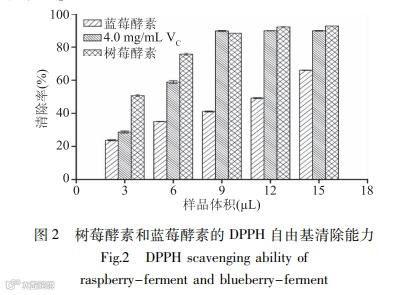
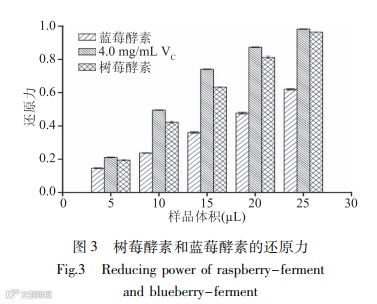
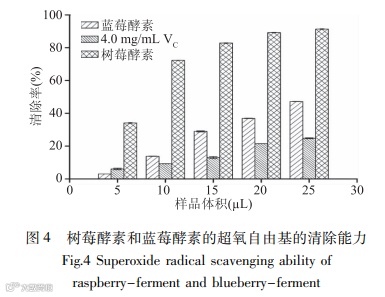
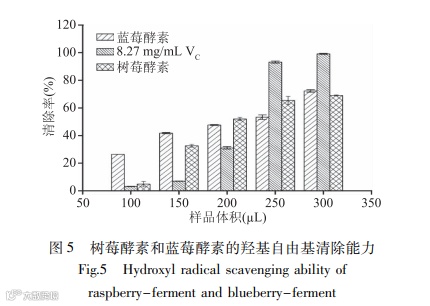
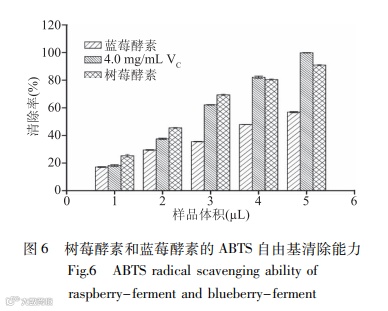
结果:HPLC分析结果表明:树莓酵素和蓝莓酵素中的有机酸均以酒石酸、乙酸和柠檬酸为主,同时因发酵代谢积累了少量丙酮酸、莽草酸和富马酸,而在蓝莓酵素中未检测到没食子酸。抗氧化活性研究表明:树莓酵素和蓝莓酵素的还原力、DPPH自由基清除能力、超氧自由基清除能力、羟基自由基清除能力和ABTS自由基清除能力均表现出浓度依赖性,树莓酵素的自由基清除能力总体优于蓝莓酵素。在实验剂量范围内,树莓酵素和蓝莓酵素DPPH自由基清除能力的IC50分别为2.00 mg Vc当量/mL和8.70 mg Vc当量/mL,还原力的IC50分别为4.53 mg Vc当量/mL和7.62 mg Vc当量/mL,超氧自由基清除能力的IC50分别为0.53 mg Vc当量/mL和2.05 mg Vc当量/mL,羟基自由基清除能力的IC50分别为8.92 mg Vc当量/mL和9.14 mg Vc当量/mL,ABTS+自由基清除能力的IC50分别为3.59 mg Vc当量/mL和6.81 mg Vc当量/mL。
结论:经多种有益菌通过较长时间自然发酵而生产的树莓酵素和蓝莓酵素含有丰富的有机酸,具有良好的抗氧化性能,相比之下,树莓酵素中有机酸种类多于蓝莓酵素,且树莓酵素的抗氧化性能优于蓝莓酵素。树莓酵素和蓝莓酵素的抗氧化性使其具有开发成为一种定向功能性食品的潜能。
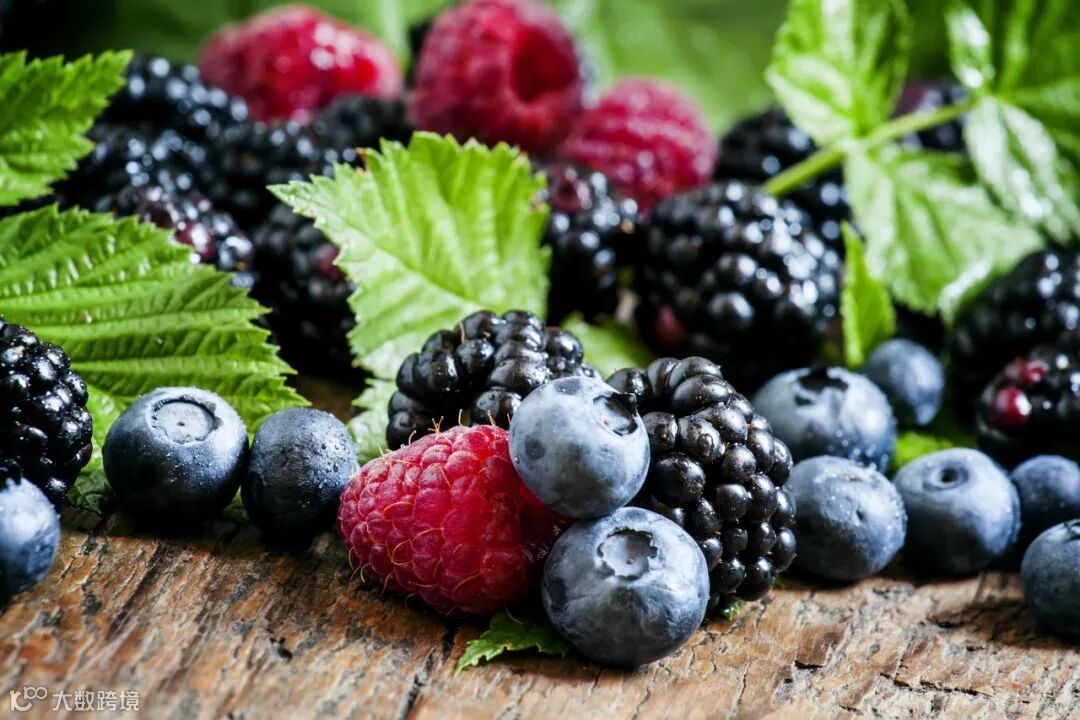
图片购买于壹图网。
Objectives: Organic acids, is an important functional component of berry plants, which has the function of scavenging free radicals, anti-oxidation, reducing oxidative stress, and also is an important flavor substance. With the standardization of the edible plant Jiaosu industry, the analysis of the functional components has also become a research hotspot. There are diversified organic acids in berry plants with different contents, which directly affects the nutritional value, sensory quality and functional activity of edible plant Jiaosu. It has become one of the difficult problems in the current directional development of functional edible plant berry Jiaosu. In this paper, raspberry and blueberry were used as raw materials to prepare raspberry-Jiaosu and blueberry-Jiaosu, respectively, , and the types and contents of organic acids and antioxidant properties of edible plant berry Jiaosu from different raw materials was compared, thereby providing experimental evidence of developing edible plant Jiaosu functional products.
Methods: Fresh raspberries, blueberries and brown sugar (the mass ratio of 1.5:1) was added into a sterilized glass bottle, sealed in the bottle, fermented naturally in a dark place at room temperature for 1 year. After fermentation, the raspberry-Jiaosu and blueberry-Jiaosu was prepared, and the samples were centrifuged at high speed to obtain supernatant. High performance liquid chromatography (HPLC) was used, column:Inertsil ODS-2, 150 mm×4.6 mm,0.02 mol/L KH2PO4 solution (adjusted to pH=2.7 with phosphoric acid) was selected as mobile phase, mobile phase flow rate: 1 mL/min, temperature: 30 °C, detection wavelength: 210 nm. The supernatant sample was diluted 10 times with ultrapure water, filtered through a 0.22 μm filter before conducting sample injection, to detect the type and content of organic acids in raspberry-Jiaosu and blueberry-Jiaosu. With Vc as a control, the reducing power, 1,1-diphenyl-2-trinitrophenylhydrazine (DPPH) free radical scavenging capacity, superoxide radical scavenging ability, hydroxyl radical scavenging ability and 2,2'-Azinobis (3-ethylbenzothiazoline-6-sulfonic acid) (ABTS) were used as antioxidant indexes to investigate the in vitro antioxidant properties of different dosage of raspberry-Jiaosu and blueberry-Jiaosu samples.
Results: The results of HPLC analysis showed that the organic acids in raspberry-Jiaosu and blueberry-Jiaosu all were mainly tartaric acid, acetic acid and citric acid. Meanwhile, pyruvic acid, shikimic acid and fumaric acid were accumulated for metabolism and gallic acid was not detected in blueberry-Jiaosu. Antioxidant activity studies have showed that: The reducing power, DPPH free radical scavenging ability, superoxide free radical scavenging ability, hydroxyl radical scavenging ability and ABTS+ free radical scavenging ability all show concentration-dependent for raspberry-Jiaosu and blueberry-Jiaosu. The free radical scavenging ability of raspberry-Jiaosu was superior to that of blueberry-Jiaosu. In the experimental dose range, The IC50 of raspberry-Jiaosu and blueberry-Jiaosu DPPH radical scavenging capacity of were 2.00 mg Vc equivalent/mL and 8.70 mg Vc equivalent/mL, respectively, and the IC50 of reducing power were 4.53 mg Vc equivalent/mL and 7.62 mg Vc equivalent/mL, the superoxide radical scavenging capacity of IC50 were 0.53 mg Vc equivalent/mL and 2.05 mg Vc equivalent/mL, the IC50 of hydroxyl radical scavenging capacity were 8.92 mg Vc equivalent/mL and 9.14 mg Vc equivalent/mL, the IC50 of ABTS radical scavenging capacity were 3.59 mg Vc equivalent/mL and 6.81 mg Vc equivalent/mL.
Conclusions: The raspberry-Jiaosu and blueberry-Jiaosu produced by various beneficial bacteria through natural fermentation for a long time are rich in organic acids with excellent antioxidant properties. In contrast, the raspberry-Jiaosu have more abundant organic acids than blueberry-Jiaosu, and raspberry-Jiaosu has better antioxidant properties than blueberry-Jiaosu. The antioxidant properties of raspberry-Jiaosu and blueberry-Jiaosu have the potential to develop them into a directional functional food.
作者简介

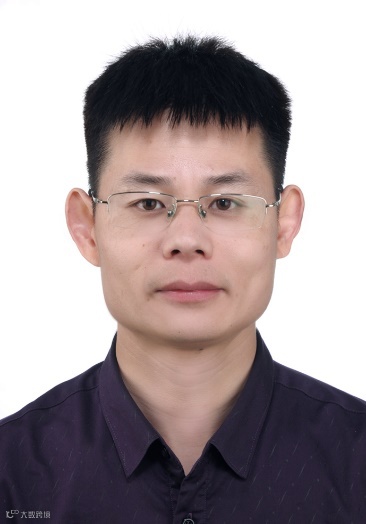

沙如意 副教授

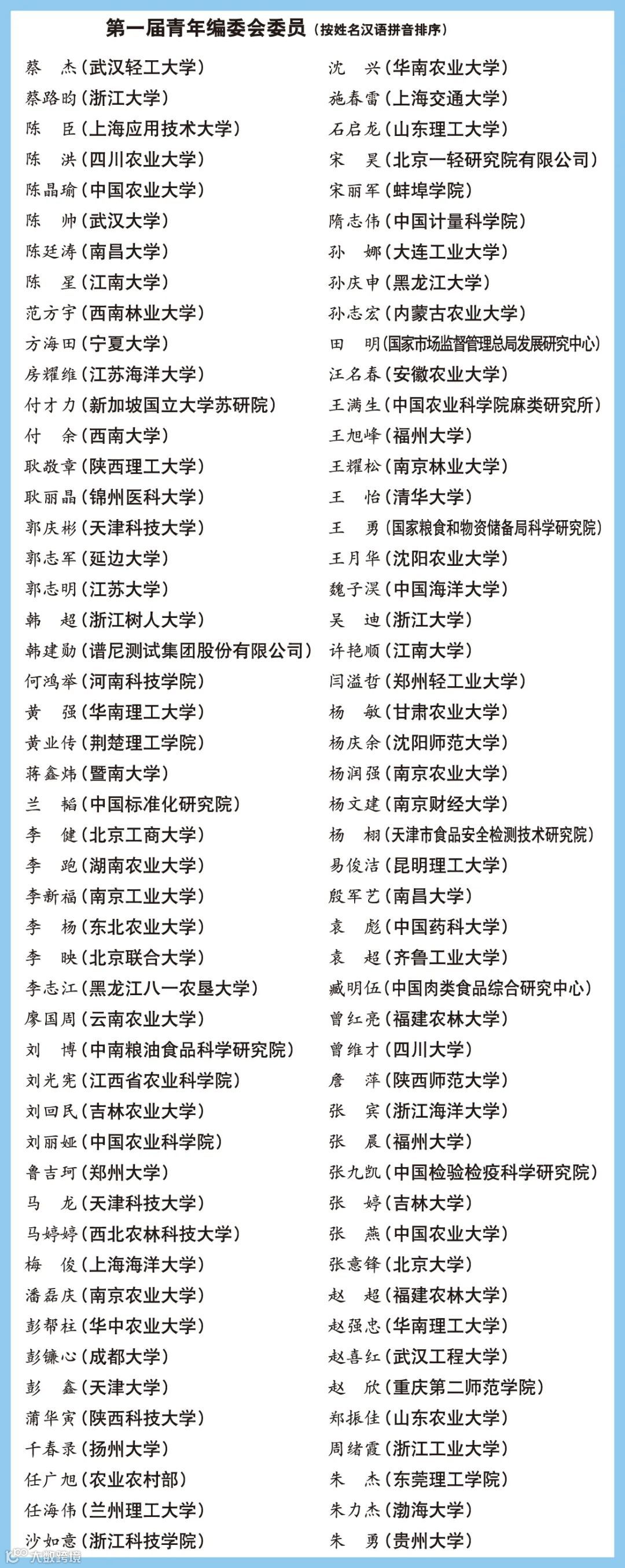
沙如意,男,博士,副教授,硕士生导师,毕业于浙江大学生物化工专业,现任浙江科技学院科研处副处长。主要从事微生物发酵工程、发酵食品等领域的科研工作。担任中国生物工程学会生物资源专业委员会委员,中国食品工业协会发酵工程研究会理事、专家委员会委员,浙江省食品学会理事,上海市食品添加剂协会专委会委员,浙江省食品添加剂和配料行业协会专家委员会委员,河南省工业微生物资源与发酵技术重点实验室客座研究员,工信部食品工业企业诚信管理体系评价员等。江苏省双创计划科技副总,江苏省双创计划双创博士,江苏省盐城市515领军人才。《食品工业科技》杂志青年编委,先后主持科技部星火计划项目、中国博士后科学基金、浙江省重点研发计划项目等省部级及以上项目8项,发表研究论文60余篇,参编著作3部,授权发明专利20余件,获省部级奖6项。
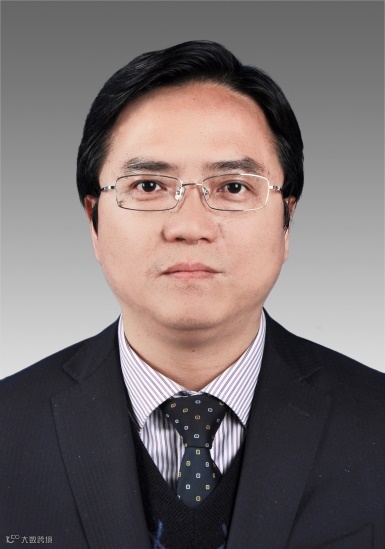

毛建卫 教授

毛建卫,二级教授,浙江省151人才工程第一层次人才,浙江工业职业技术学院校长,曾赴德国纽伦堡应用科技大学、新加坡南洋理工大学等访学与研修。担任浙江科技学院浙江省农产品化学与生物加工重点实验室主任、浙江科技学院中德农产品加工工业研究院院长、中国生物发酵产业协会功能发酵制品分会副理事长、中国生物发酵产业协会功能发酵制品分会副理事长,浙江省农产品精深加工重大科技专项专家组成员。先后承担浙江省重大重点专项等15项,发表SCI/EI 收录论文80余篇,著作教材6部,受理或授权发明专利40余件,参与制定国家标准、行业标准、团体标准等13项,产业化科技成果获省部级科技奖等14项。

版权声明
《食品工业科技》具有以上论文在全世界范围内的复制权、发行权、翻译权、汇编权、广播权、表演权、信息网络传播权、转许可权及以上权利的邻接权,且作者已授权期刊同论文著作权保护期。如需转载,可联系《食品工业科技》编辑部010-87244116,或直接在文末撰写转载来源。