

大数跨境

《食品工业科技》F5000论文展播:咖啡主要烘焙风味物质的形成及变化规律

《食品工业科技》F5000论文展播:咖啡主要烘焙风味物质的形成及变化规律 食品工业科技编辑部
2022-11-24
2


咖啡主要烘焙风味物质的形成及变化规律


目的:咖啡的特征风味需经适当的烘焙处理才能产生。在不同烘焙条件下,咖啡风味前体物质会发生系列复杂的化学反应形成大量复杂的风味物质。目前可检测出的挥发性物质约1000余种,与咖啡风味直接相关且代表性强的香气成分约30余种,但还存在不少规律性不强的风味物质。国内外对于精品咖啡的烘焙大多依靠经验,缺乏统一的量化标准。本文综述了咖啡烘焙条件与其主要风味物质形成和变化的关系,期待能对精准烘焙工艺的发展提供帮助。


方法:烘焙程度的外观颜色变化采用红外线焦糖化测定器(Agtron)或色差仪来测量。常见烘焙设备主要有手工烘焙和机械烘焙两类。


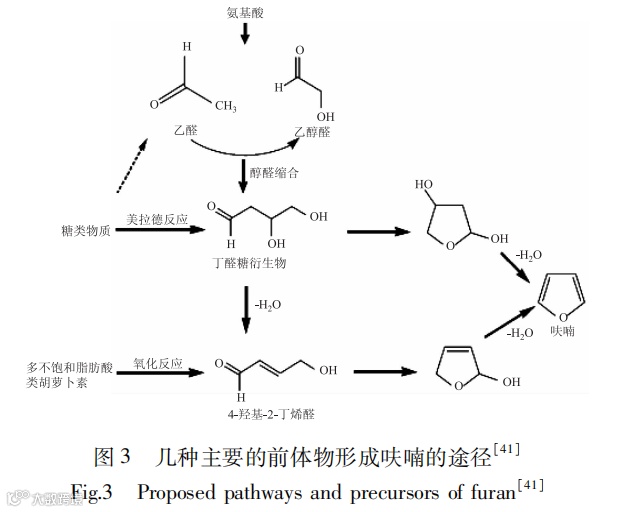
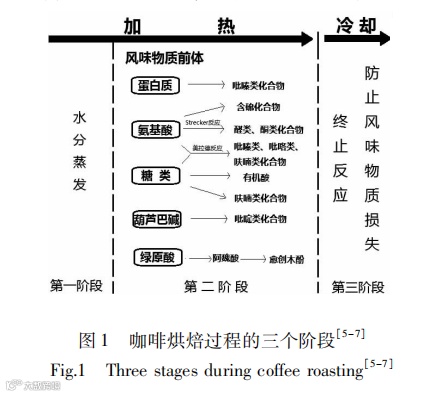
结果:咖啡的烘焙过程分高温脱水、高温反应以及常温冷却三个阶段。高温脱水阶段所需时长约为总烘焙时长的一半。豆体温度当水分含量降至6%左右时开始高于100 ℃。当豆表面温度升至170 ℃左右,烘焙进入高温反应阶段,豆内风味物质前体开始发生化学反应,多糖与氨基酸发生美拉德反应生成吡嗪类、呋喃类、醛类和酮类化合物等风味物质。α-氨基酸与二羰基化合物发生Strecker降解反应生成醛类和酮类物质。上述过程伴随包括CO2在内的大量气体释放,导致豆体第一次爆裂。咖啡豆呈现淡棕色。当温度继续升至190 ℃左右时,纤维质碳化导致第二次爆裂,油脂析出,豆体呈现深褐色。在烘焙结束之后,咖啡立即离开热源进行冷却,保留芳香物质。

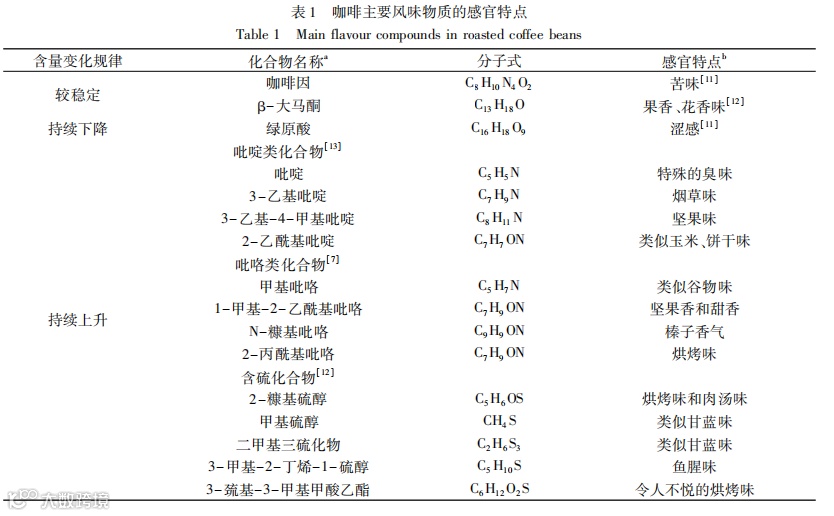
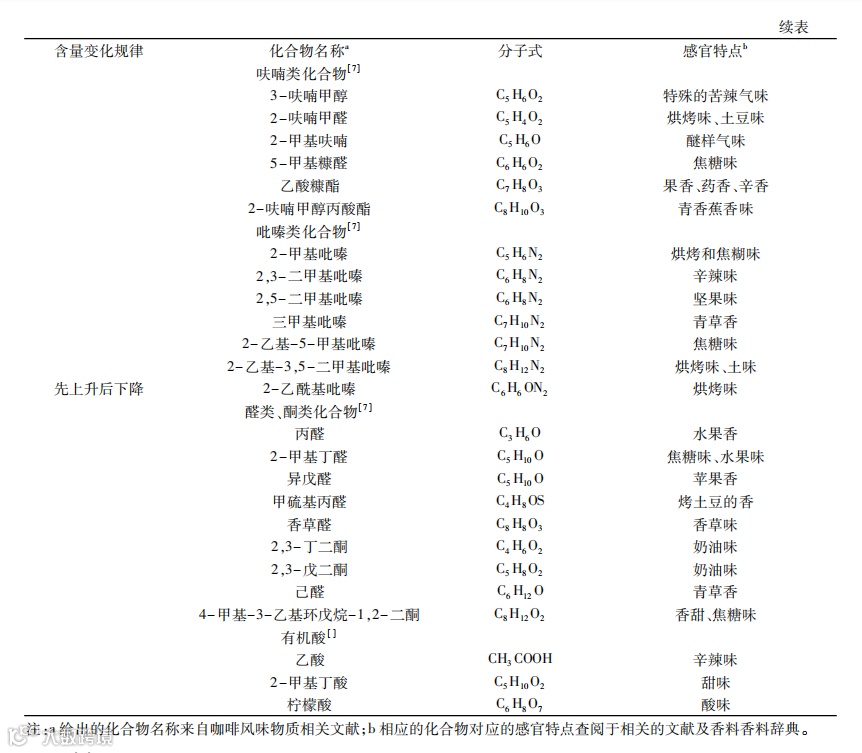
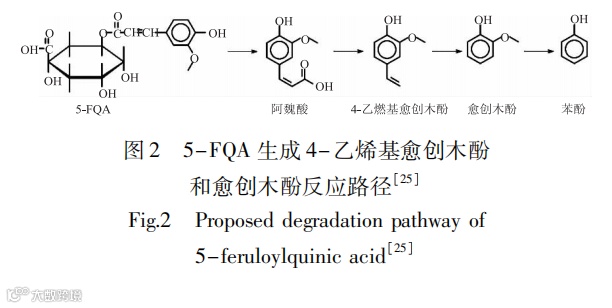
在烘焙过程中,咖啡主要风味物质含量的变化是多样的。呈苦味的咖啡因和具有果香味和花香味的大马酮等在整个烘焙过程中的含量几乎不发生变化。呈涩味的绿原酸与其降解产物奎宁酸、阿魏酸、肉桂酸、咖啡酸等随烘焙程度加深而减少。呈焦香味的呋喃类、烘烤和焦糊味的吡啶类、呈坚果香和烘烤味的吡咯类等随着烘焙程度的加深呈增加。硫醇类、吡嗪类、醛酮类、含硫化合物、有机酸等的含量随烘焙程度的加深先增加,呈现较丰富的香气,而过深的烘焙会导致损耗,并产生焦糊气味。


结论:咖啡生豆风味较差,经适当烘焙处理,可引发所含成分如绿原酸、葫芦巴碱、多糖、脂肪和蛋白质等物质的美拉德、Strecker降解、焦糖化等化学反应,生成包括呋喃类、吡嗪类、吡啶类、吡咯类、醛酮类、硫化物及酚类和有机酸等挥发性呈香物质,形成咖啡的特征风味。根据目前文献资料来看,单一品种、单一组分风味物质的变化规律数据较集中,而不同风味物质在形成过程中的相互作用规律、特定风味物质的变化与咖啡整体风味相关性等方面的研究较少。总的来看,继续多角度构建“咖啡主要成分含量-烘焙工艺-风味物质含量和种类”的模型,开展相关研究,对于精准控制烘焙条件以获得最佳的咖啡风味很有帮助。



图片来源于图司机


Objective:Only after appropriate roasting treatment can the unique flavor of coffee be produced. Under different roasting conditions, coffee flavor precursors form rich flavor substances through a series of complex chemical reactions. At present, about 1000 volatile substances can be detected, and about 30 representative aroma components directly related to coffee flavor. However, there are still many other flavor substances without strong regularity. The roasting of specialty coffee at home and abroad mostly depends on experience and lacks unified quantitative standard. This paper summarized the relationship between coffee roasting conditions and the formation and change of main flavor substances, in order to provide help for the development of coffee fine roasting technology.

Methods: The appearance and color changes of roasting degree were measured by Infrared Caramel Analyzer (Agtron) or Colorimeter. The commonly used roasting equipment mainly includes manual roasting and mechanical roasting.

Results: The roasting process of coffee is usually divided into three stages: high-temperature dehydration, high-temperature reaction and normal temperature cooling. The time of high-temperature dehydration stage is about half of the total roasting time. When the moisture content decreases to about 6%, the bean body temperature begin to exceed 100 ℃. When the surface temperature of beans rises to about 170 ℃ and roasting enters the high-temperature reaction stage, the chemical reaction of flavor precursors will occur in beans. The Maillard reaction between polysaccharides and amino acids will produce flavor compounds, such as pyrazine, furan, aldehyde and ketone. α- Strecker degradation reaction between amino acids and dicarbonyl compounds produces aldehydes and ketones. The above process is accompanied by the release of a large amount of gas, including CO2, which leads to the first burst of the bean body and the bean turns light brown. When the temperature continues to rise to about 190 ℃, the carbonization of fiber leads to the second burst, oil precipitation and the bean body becomes dark brown. After roasting, the coffee cools immediately to retain its aroma.

Conclusion: The taste of green coffee beans is not ideal. After proper roasting, chlorogenic acid, trigonelline, polysaccharide, fat and protein undergo Maillard and Stryker degradation and caramelization, forming the characteristic flavor of coffee, including furan, pyrazine, pyridine, pyrrole, aldehyde and ketone, sulfide, phenols, organic acids, and other volatile aromatic substances. According to the existing literature, the variation law of single variety and single component flavor substances has been well discussed. However, there are few studies on the interaction law of different flavor substances, the change of specific flavor substances and the correlation of the overall flavor of coffee. In general, it will be helpful to continue to build the model of “main component content of coffee- roasting technology- flavor substance content and type” from multiple angles and carry out relevant researches to accurately control roasting conditions to obtain the best coffee flavor.


图表赏析


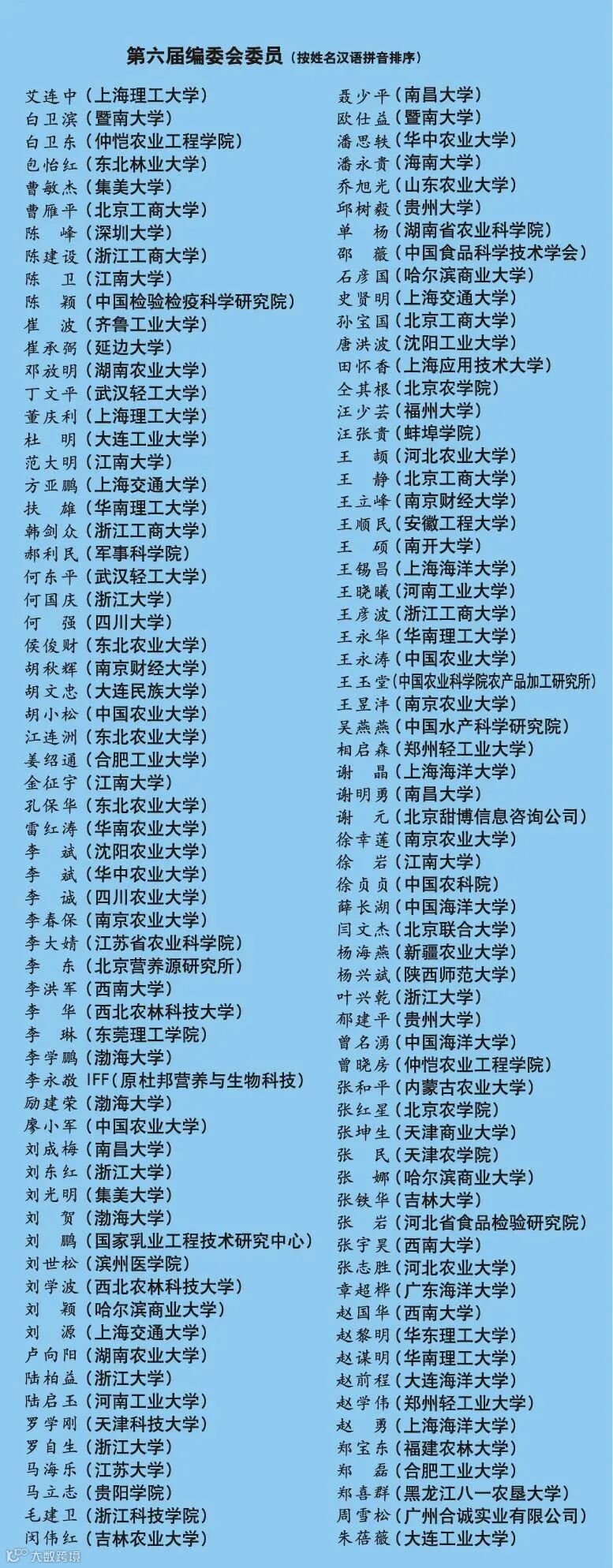
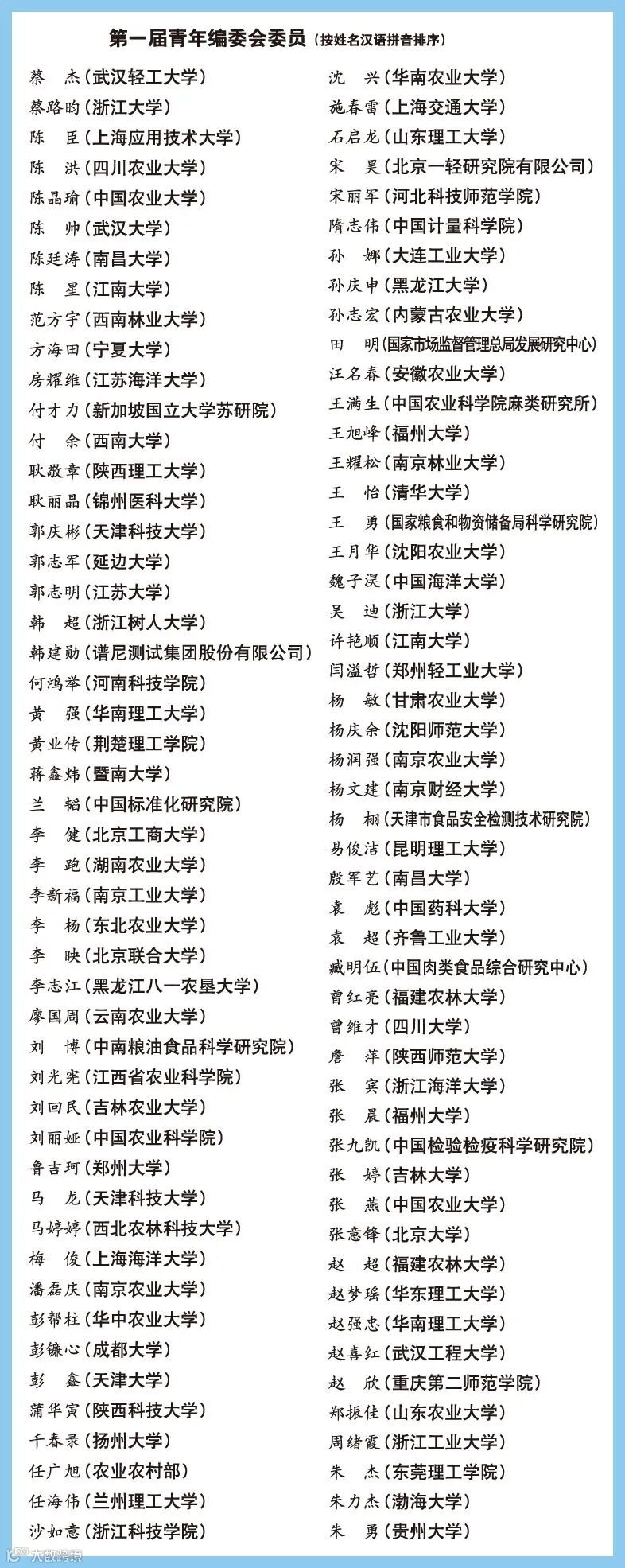
《食品工业科技》青年编委专栏征稿

《食品工业科技》青年编委专栏征稿:食品营养素包埋与递送 


《食品工业科技》青年编委专栏征稿:杂粮与主粮复配的营养学基础 


详细内容请点击文末“阅读原文”。


编辑:刘霞
主编:冯媛媛

版权声明

《食品工业科技》具有以上论文在全世界范围内的复制权、发行权、翻译权、汇编权、广播权、表演权、信息网络传播权、转许可权及以上权利的邻接权,且作者已授权期刊同论文著作权保护期。如需转载,可联系《食品工业科技》编辑部010-87244116,或直接在文末撰写转载来源。





食品工业科技官方网站:
http://www.spgykj.com


点亮“在看”,为《食品工业科技》助力

【声明】内容源于网络
0
0
食品工业科技编辑部
《食品工业科技》编辑部与作者、读者的交流平台。《食品工业科技》既是反映当前国内外食品工业技术水平的窗口,又是新技术应用推广的桥梁,面向科研、生产,满足各层次需求。
内容 2790
粉丝 0
食品工业科技编辑部 《食品工业科技》编辑部与作者、读者的交流平台。《食品工业科技》既是反映当前国内外食品工业技术水平的窗口,又是新技术应用推广的桥梁,面向科研、生产,满足各层次需求。
总阅读6.2k
粉丝0
内容2.8k