


来源:npj计算材料学
生物系统中的屈曲现象通常是形成各种图案复杂过程中的一部分,如大脑皮层的褶皱、叶子和花瓣的波纹边缘以及植物根部的螺旋线圈。了解导致这种现象的机制,不但对于揭示生物系统的进化至关重要,还能通过理解相关的弹性不稳定性或屈曲现象设计具有不寻常特性和功能的新材料和系统,如机械超材料、可切换光学和声学滤波器、可逆拉胀材料等。此外,这些材料系统在软机器人、传感器、柔性电子、粘合剂系统和特殊的产品标识符等应用中也具有巨大的潜力。然而,目前人们其认知仅限于软复合材料中由屈曲引起的微观结构转变;对于大量的材料形态,图案形成现象在很大程度上仍然是未知的。
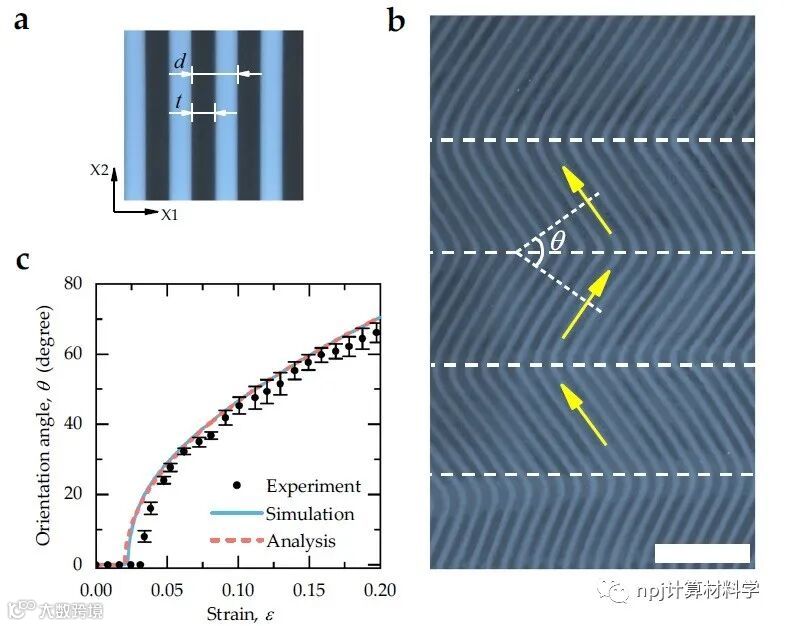
Fig. 1 Twinning pattern in soft laminate.
近日,来自中南大学轨道交通安全教育部重点实验室的李健教授联合威斯康辛大学麦迪逊分校机械工程系的Stephan Rudykh教授,研究了软异质复合材料的形貌特点,其丰富的域结构会导致长波不稳定性,这会在后屈曲状态下形成高度有序的孪晶微观结构。作者通过实验,观察到了3D打印软复合材料中孪晶图案的形成,及其向经典微观波浪图案的转变。通过数值模拟,表明在这些软复合材料中,孪晶图案的发展在能量上优于波浪图案。同时,作者通过引入一个封闭形式的解析表达式,预测了域在后屈曲状态下模式的演变。此外,他们分析了软复合材料成分对不稳定性诱导模式的影响,并为设计具有定制微观结构转变的可调谐材料系统提供了指导。其揭示的孪晶微结构可用于实现完全可逆的特性和功能。该研究结果有助于开发可调谐光学和声学设备、软机器人、可拉伸电子设备和生物医学设备的材料系统平台,为在有序的低尺度材料系统中创建新图案提供了重要方法。该文近期发布于npj Computational Materials 8: 100 (2022)。手机阅读原文,请点击本文底部左下角“阅读原文”,进入后亦可下载全文PDF文件。
Editorial Summary
Biological systems frequently employ the buckling phenomenon as a part of complex processes to form a variety of patterns from the folds of brain cortex and the rippled edges of leaves and flower petals to the helical coils of plant roots. Understanding of the mechanisms that give rise to the phenomenon is essential for unraveling the evolution of biological systems. Moreover, the associated elastic instabilities or buckling phenomena can be used to design new materials and systems with unusual properties and functions, such as mechanical metamaterials, switchable optical and acoustic filters, reversible auxetic materials. Furthermore, these material systems hold significant potential for diverse applications in soft robotics, sensors, flexible electronics, adhesive systems, and unique product identifiers. Current knowledge, however, is limited to a small set of buckling-induced microstructure transformations in soft composites; and the pattern formation phenomenon remains largely unknown for a vast pool of material morphologies.
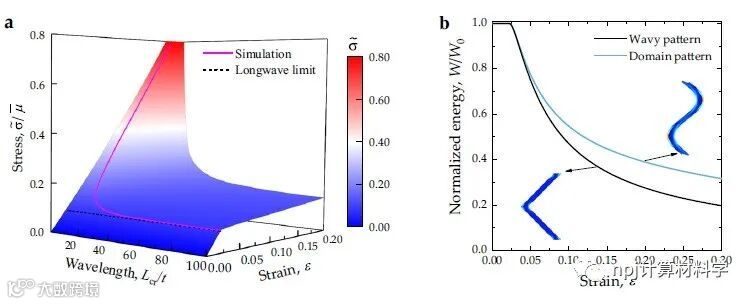
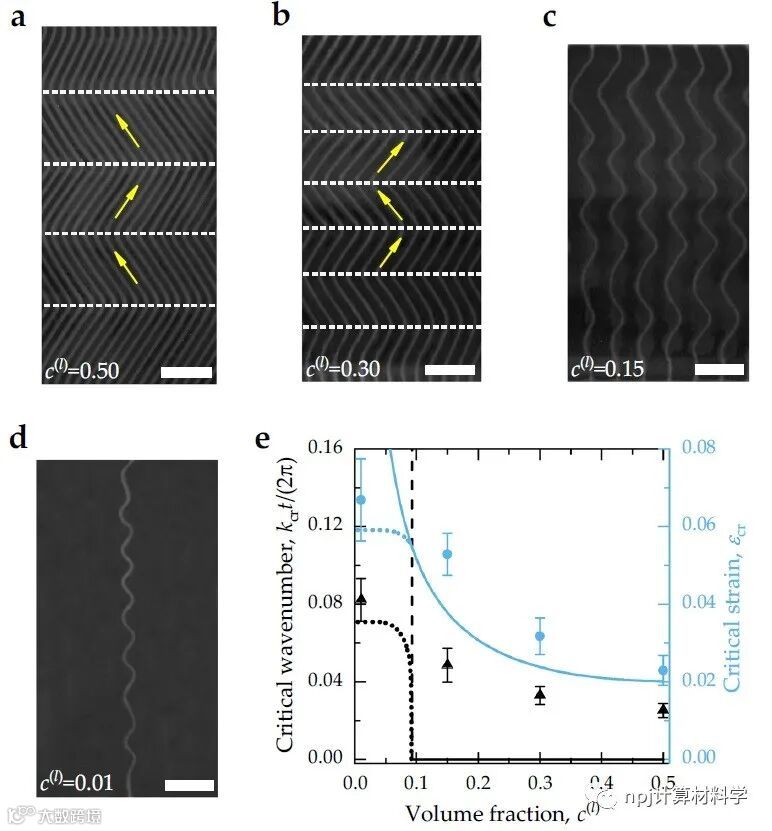
Prof. Jian Li from Key Laboratory of Traffic Safety on Track of Ministry of Education, School of Traffic & Transportation Engineering, Central South University and Prof. Stephan Rudykh from Department of Mechanical Engineering, University of Wisconsin-Madison, investigated the unexplored rich domain of soft material morphologies that give rise to long-wave instabilities. This type of instability gave rise to formations of fully determined and highly ordered twinning microstructures in the post-buckling regime. They experimentally observed the formation of twinning patterns and their transition to the classical microscopic wavy patterns in 3D-printed soft composites. Through numerical modeling, they showed that the development of the twinning pattern is energetically favorable over the wavy pattern in these soft composites. Meanwhile, a closed-form analytical expression was introduced to predict the evolution of the domains in the post-buckling regime. They have analyzed the influence of the soft composite compositions on the instability-induced patterns, and provided the guidelines for designing tunable materials systems with tailored microstructure transformations through initial compositions. The revealed twinning microstructures can be used for achieving fully reversible switchable properties and functionalities associated with the dramatic microstructure transformations. These findings can help advance further development of reconfigurable material system platforms for tunable optical and acoustic devices, soft robotics, stretchable electronics, and biomedical devices and provide a method for creating new patterns at ordered low-scale material systems such as block copolymers.
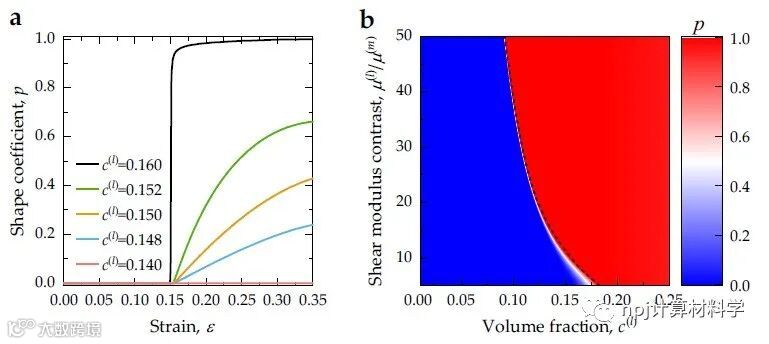
Fig. 4 Pattern transition and composite morphology diagram.
原文Abstract及其翻译
Emergence of instability-driven domains in soft stratified materials(软层状材料中不稳定驱动域的出现)
Jian Li, Viacheslav Slesarenko & Stephan Rudykh
Abstract Nature frequently employs the buckling phenomenon to facilitate the formation of complicated patterns across length-scales. Current knowledge, however, is limited to a small set of buckling-induced microstructure transformations in soft composites; and the pattern formation phenomenon remains largely unknown for a vast pool of material morphologies. Here, we investigate the unexplored rich domain of soft heterogeneous composites. We experimentally observe the formation of instability-driven domains in stratified composites with a non-dilute stiff phase. We illustrate that the discovered domain patterns are energetically favorable over wrinkling. Moreover, we introduce a closed-form analytical expression allowing us to predict the evolution of the patterns in the post-buckling regime. Finally, we show that various patterns can be pre-designed via altering material compositions. These findings can help advance our understanding of the mechanisms governing pattern formations in soft biological tissues, and potentially enable the platform for mechanical metamaterials.
摘要大自然经常利用屈曲现象来促进跨长度尺度复杂图案的形成。然而,目前人们对其认知仅限于软复合材料中由屈曲引起的微观结构转变;对于大量的材料形态,图案形成现象在很大程度上仍然是未知的。在这里,我们研究了丰富的软异质复合材料,这还是尚未探索的领域。我们通过实验,观察了具有非稀释刚性相的层状复合材料中不稳定性驱动域的形成。结果表明,发现的图案在能量上有利于克服起皱。此外,我们引入了一个封闭形式的解析表达式,使我们能够预测后屈曲状态下模式的演变。最后,我们表明可以通过改变材料成分来预先设计各种图案。这些发现有助于我们进一步了解软生物组织中图案的形成机制,并可能为机械超材料提供平台。
免责声明:本文旨在传递更多科研资讯及分享,所有其他媒、网来源均注明出处,如涉及版权问题,请作者第一时间后台联系,我们将协调进行处理,所有来稿文责自负,两江仅作分享平台。转载请注明出处,如原创内容转载需授权,请联系下方微信号。