
大数跨境

《食品工业科技》F5000论文展播:云南不同地区烘焙咖啡豆挥发性成分的HS-SPME/GC-MS分析

《食品工业科技》F5000论文展播:云南不同地区烘焙咖啡豆挥发性成分的HS-SPME/GC-MS分析 食品工业科技编辑部
2022-11-10
2

云南不同地区烘焙咖啡豆挥发性成分的HS-SPME/GC-MS分析


目的:以云南普洱保山临沧三大不同气候特征咖啡为原料,采用顶空固相微萃取法(HS-SPME)结合气相色谱-质谱联用(GC-MS)对挥发性成分进行分析,利用主成分分析和聚类分析统计学方法对样品进行区分,寻找对不同地区咖啡香气影响较大的特征化合物,为云南地区咖啡产业发展提供理论基础。


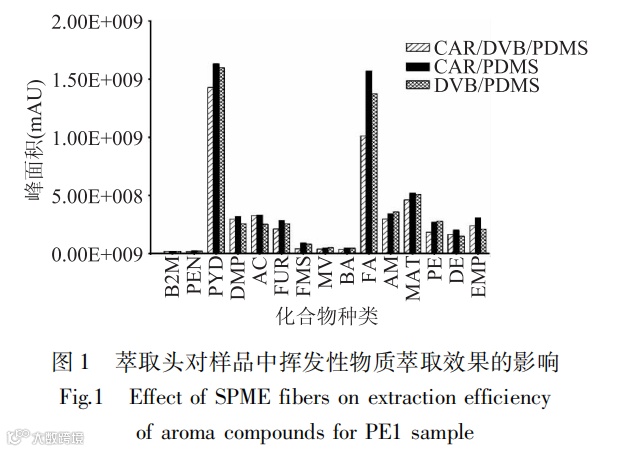
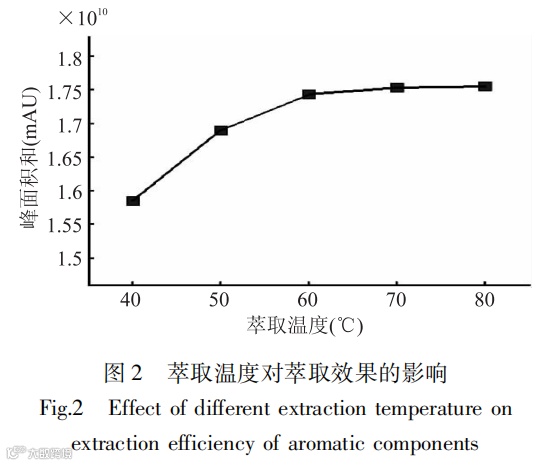
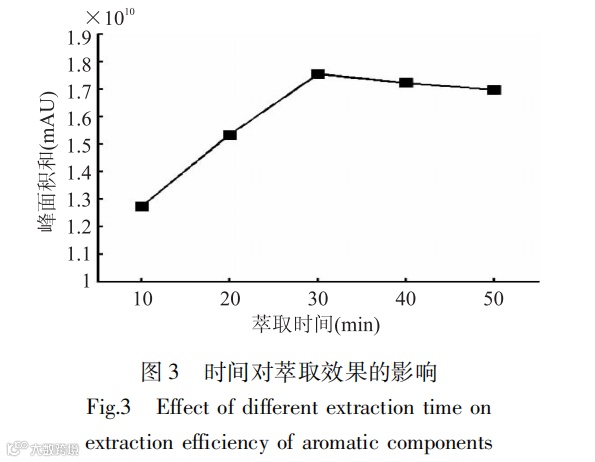
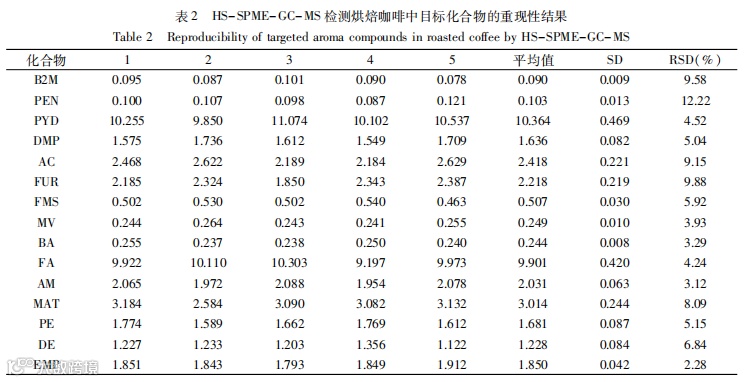
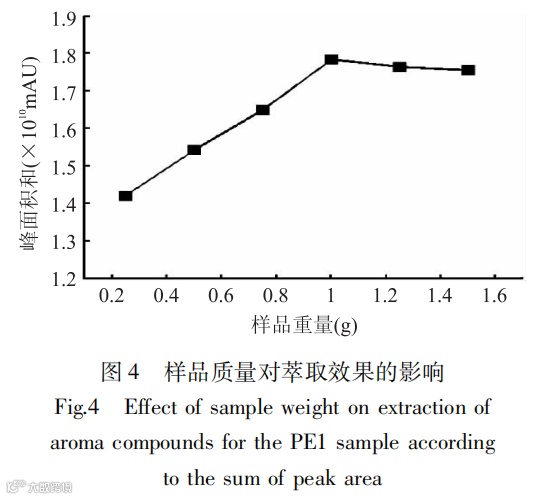
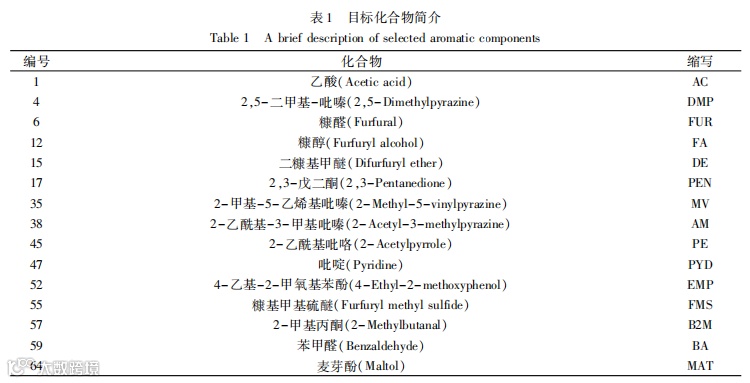
方法:利用优化后所得的HS-SPME条件结合GC-MS对云南不同地区烘焙咖啡挥发性物质进行分析。以萃取头、萃取温度、萃取时间以及样品量为因素,根据文献报道,选择乙酸、2,5-二甲基-吡嗪等15种目标化合物,以峰面积和分离度作为判别指标,对HS-SPME萃取条件进行优化。具体的HS-SPME萃取条件优化方法是:通过分析DVB/PDMS、CAR/PDMS以及CAR/DVB/PDMS三种涂层的萃取头对样品中挥发性物质萃取效果的影响,最终选择对吡啶、乙酸等小分子化合物以及对糠醇、二糠基甲醚、4-乙基-2-甲氧基苯酚等大分子物质萃取效果均较好的CAR/PDMS为最优萃取头。通过分别分析萃取温度、萃取时间以及样品量对峰面积总和的影响,综合考虑分别选择60 ℃ 为最优萃取温度、30 min为最优萃取时间、1.00 g样品量为最优样品量。经HS-SPME重现性实验验证,本研究所采取的萃取方法可行。利用主成分分析(PCA)和系统聚类分析(HCA)对不同地区样品进行区分。


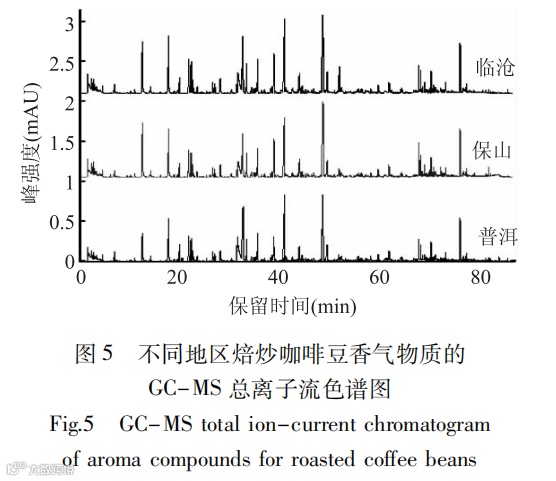
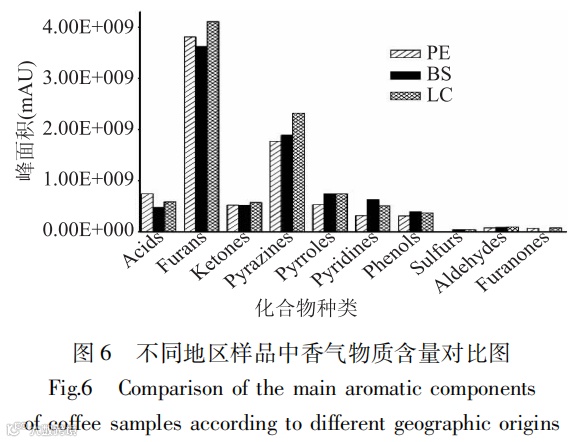
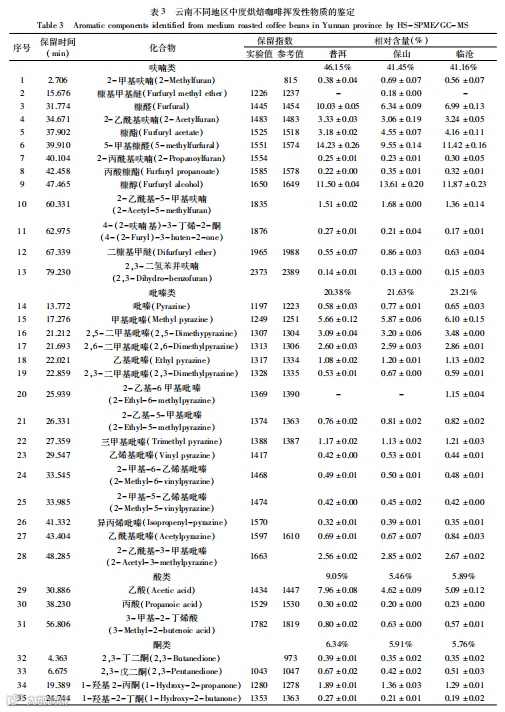
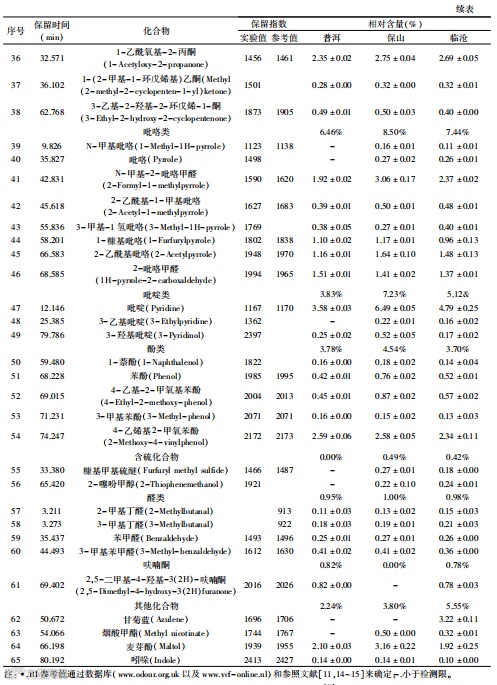
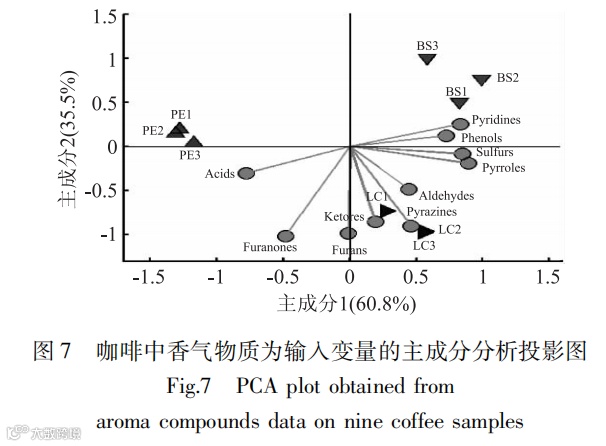
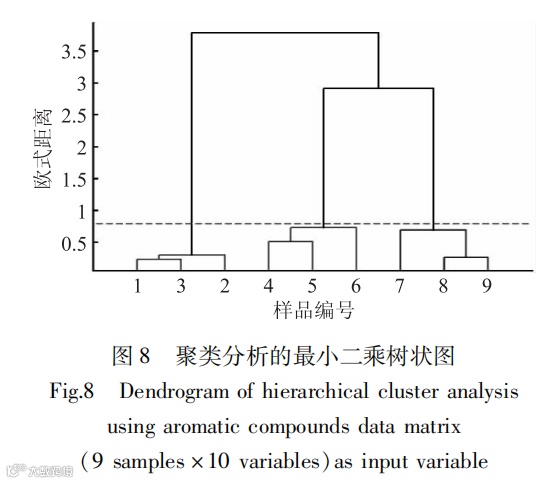
结果:在最优的萃取条件下,共鉴定出65种挥发性物质,其中呋喃类物质含量最高,普洱、保山、临沧三个地区分别为46.15%、41.45%和41.16%;硫化物和呋喃酮类物质含量较少。PCA投影图显示,在PC1方向上,可将普洱地区样品同临沧、保山两地的样品区分开;在PC2方向上,可将临沧同另外两地区分开,因此PC2方向上投影可将三个地区样品区分开来。由载荷图可知,酸类物质同普洱地区样品相关性较高,可作为区分普洱同保山、临沧地区样品的判断指标;而吡嗪类、呋喃类和酮类与临沧地区样品相关性较高;与保山地区样品相关性较高物质主要为吡啶类;上述几类物质基本上可作为不同地区烘焙咖啡豆区分的鉴别依据。HCA的最小二乘树状图将三个地区样品按照各自特性分别聚为一类,分类结果与PCA相一致。


结论:HS-SPME的最优萃取条件:萃取头为75 μm CAR/PDMS、萃取温度为60 ℃、萃取时间为30 min、样品量为1.00 g。重现性实验结果表明:除2,3-戊二酮RSD 为12.2%,其余14种目标化合物RSD均小于10%,证明该最优萃取条件重现性良好;共分离鉴定出65种香气物质,其中酸类3种,呋喃类13种,酮类7种,吡嗪类15种,吡咯类8种,吡啶类3种,酚类5种,硫化物2种,醛类4种,呋喃酮1种和4种其它化合物;PCA和HCA可区分不同地区烘焙咖啡,酸类物质可作为区分普洱同保山、临沧地区样品的判断指标,吡嗪类、呋喃类和酮类与临沧地区样品相关性较高,与保山地区样品相关性较高物质主要为吡啶类。通过对云南不同地区咖啡中挥发性物质的分析,建立挥发性物质和地区的相关性,根据挥发性物质的差异为判断指标可以很好的区分云南不同地区咖啡,为云南咖啡的生产提供一定的指标意义。同时在此基础上,可以对云南不同地区咖啡的特征香气物质进行研究,进一步明确造成不同地区咖啡香气差异的挥发性物质组成。
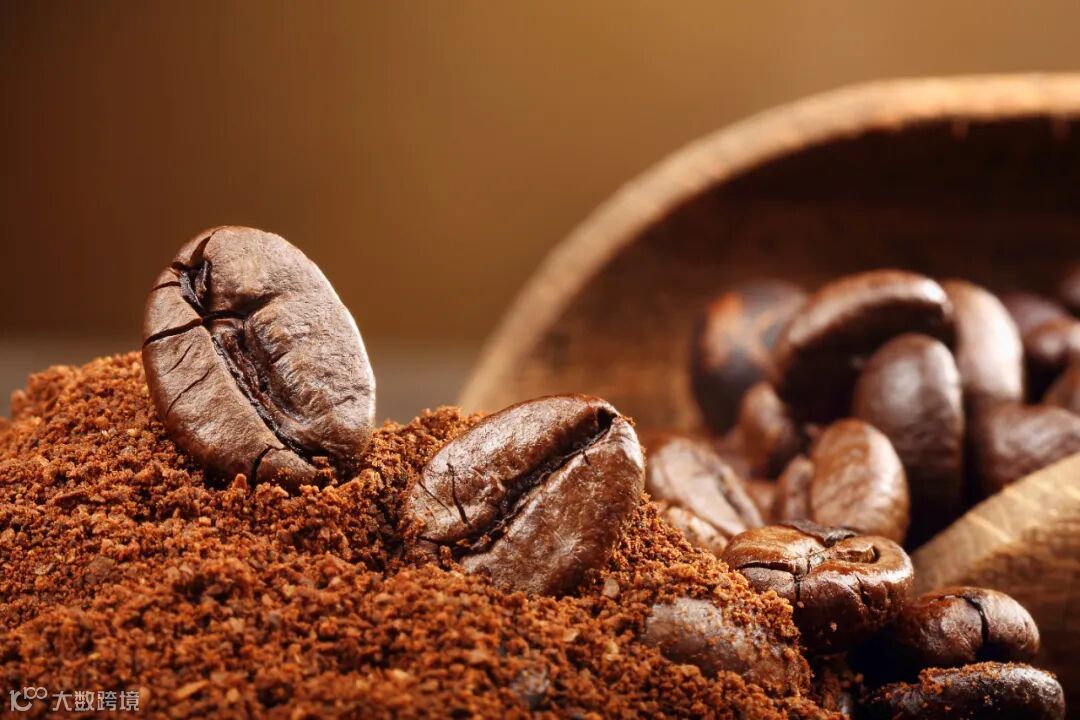


图片来源于图司机


Objectives: Headspace solid-space microextraction (HS-SPME)/gas chromatography-mass spectroscopy (GC-MS) was applied to analyze the aromatic components of coffee beans collected from three areas (Puer, Baoshan, Lincang) in Yunnan. Use principal component analysis and cluster analysis to distinguish the samples, and find the characteristic compounds that have great influence on the aroma of coffee in different regions, which provides a theoretical basis for the development of coffee industry in Yunnan.

Methods: The volatile substances of roasted coffee in different regions of Yunnan were analyzed by the optimized HS-SPME conditions combined with GC-MS. Taking the extraction head, extraction temperature, extraction time and sample volume as factors, 15 target compounds such as acetic acid and 2,5-dimethly-pyrazine were selected according to the literature reports. The extraction conditions of HS-SPME were optimized with peak area and separation degree as discriminant indexes. The specific HS-SPME extraction conditions were optimized by analyzing the effects of the extraction heads of DVB/PDMS, CAR/PDMS and CAR/DVB/PDMS coatings on the extraction effect of volatile substances in the samples. Finally, CAR/PDMS with better extraction effects on small molecular compounds such as pyridine and acetic acid, and macromolecular substances such as furfuryl alcohol, difurfuryl ether and 4-Ethyl-2-methoxyphenol was selected as the optimal extraction head. By analyzing the effects of extraction temperature, extraction time and sample amount on the total peak area, the optimum extraction conditions were: 60 °C, 30 min and 1.00 g. The HS-SPME reproducibility experiment showed that the extraction method adopted was feasible. Principal component analysis (PCA) and system cluster analysis (HCA) can distinguish samples from different regions.

Results: Under the optimal extraction conditions, a total of 65 volatile compounds was identified, and the content of furans was the highest, which was 46.15%, 41.45% and 41.16% in Puer, Baoshan and Lincang, respectively; sulfurs and furanones compounds accounted for less. PCA projection shows that samples from Puer area can be distinguished from samples from Lincang and Baoshan in PC1 direction; In the PC2 direction, Lincang can be separated from the other two regions, thus, the projection in PC2 direction can distinguish the samples from the three regions. From the load diagram, acids have high correlation with samples in Puer area, which can be used as a judgment index to distinguish samples in Puer and the other two areas; Pyrazines, furans and ketones were highly correlated with samples in Lincang area; and pyridine in Baoshan; The above substances can basically be used as the identification basis for baking coffee beans in different regions. The least square tree diagram of HCA clustered the samples in three regions according to their respective characteristics, and the classification results were consistent with PCA.

Conclusions: The optimum extraction conditions of HS-SPME were as follows: extraction head 75 μm CAR/PDMS, 60 °C, 30 min and sample volume 1.00 g. The reproducibility test results showed that except for 2,3-pentadione with RSD of 12.2%, the RSDs of 14 target compounds were all less than 10%, indicating that the reproducibility of the optimal extraction conditions was good. A total of 65 aroma compounds was isolated and identified, including 3 acids, 13 furans, 7 ketones, 15 pyrazines, 8 pyrroles, 3 pyridines, 5 phenols, 2 sulfides, 4 aldehydes, 1 furanone and 4 other compounds; PCA and HCA can distinguish roasted coffee from different regions. Acid substances can be used as a judgment index for distinguishing samples from Baoshan and Lincang regions in Puer. Pyrazines, furans and ketones are highly correlated with samples from Lincang region, and pyridines are mainly highly correlated with samples from Baoshan region. Through the analysis of volatile substances in coffee from different regions in Yunnan, the correlation between volatile substances and regions was established. According to the difference of volatile substances, coffee from different regions in Yunnan can be well distinguished, which provides certain index significance for the production of coffee in Yunnan. At the same time, on this basis, the characteristic aroma substances of coffee in different regions of Yunnan can be studied to further clarify the composition of volatile substances that cause the differences in coffee aroma in different regions.


图表赏析


作者简介


董文江

研究员

     男,博士,研究员,硕士生导师。入选第一批海南省南海名家青年人选、海南省“515人才工程”人选、海南省拔尖人才、海南省自然科学基金创新研究团队负责人、中国热科院热带农业青年英才“拔尖人才”、云南省科技特派员。主要研究方向为食品风味化学、食品组分相互作用、食品资源高值化开发利用等。第1完成人获海南省科技进步二等奖1项,获中国热科院科技创新奖三等奖1项;主持国家自然科学基金3项、海南省重点研发计划、云南省重大科技专项计划课题等项目10余项,在Ultrasonics Sonochemistry、Food Chemistry等期刊发表论文60余篇,第一或通讯作者SCI论文18篇,ESI高被引论文1篇,领跑者5000中国精品科技期刊顶尖学术论文1篇;Frontiers in Nutrition期刊客座编辑,Food Research International、Beverage Plant Research期刊编委;申请和授权专利17项;出版专著1部(副主编);主持和参与制定海南省团体标准和云南省地方标准等10项。兼任国家科技部项目评审专家、国家基金通讯评审专家、国际咖啡质量品鉴师、金杯萃取中级咖啡师。


通信作者


赵建平

研究员

     男,1965年10月出生,研究员、硕士生导师。长期致力于热带特色香料饮料作物加工、综合利用研究及新产品创制工作,作为主要执行人或课题负责人,先后承担了国家科技支撑计划、农业行业专项、省重点科技计划等项目30多项,突破了一批热带特色作物加工关键技术,为我国特色热作产品标准化、规模化加工提供了技术支撑,组织创制和生产特色热带香料饮料作物新产品8类23种,填补了我国特色热带作物产品加工领域多项空白。作为主要完成人,获国家、省部级科技奖励13项,其中《胡椒生态高值加工关键技术集成与应用研究》获2017年省一等奖,《苦丁茶系列产品研发与示范》2011年省二等奖,特色热带作物产品加工关键技术研发集成与应用》2010年国家科技进步二等奖,《特色热带香料产品加工关键技术研究》2009年神农中华农业科技二等奖。以第1作者或通讯作者发表论文20多篇,获授权发明专利8项,主持制定行业与地方标准4项,副主编出版著作3部,培养硕士研究生4人。


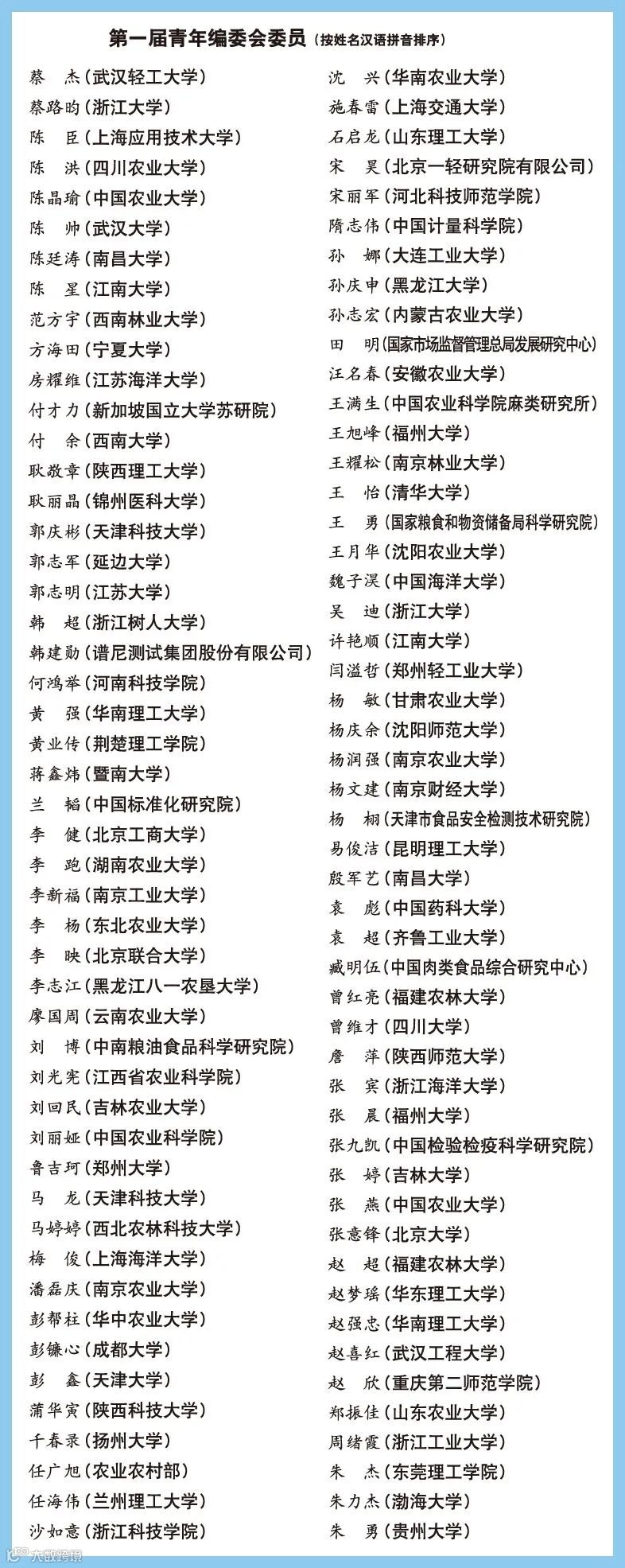
《食品工业科技》青年编委专栏征稿
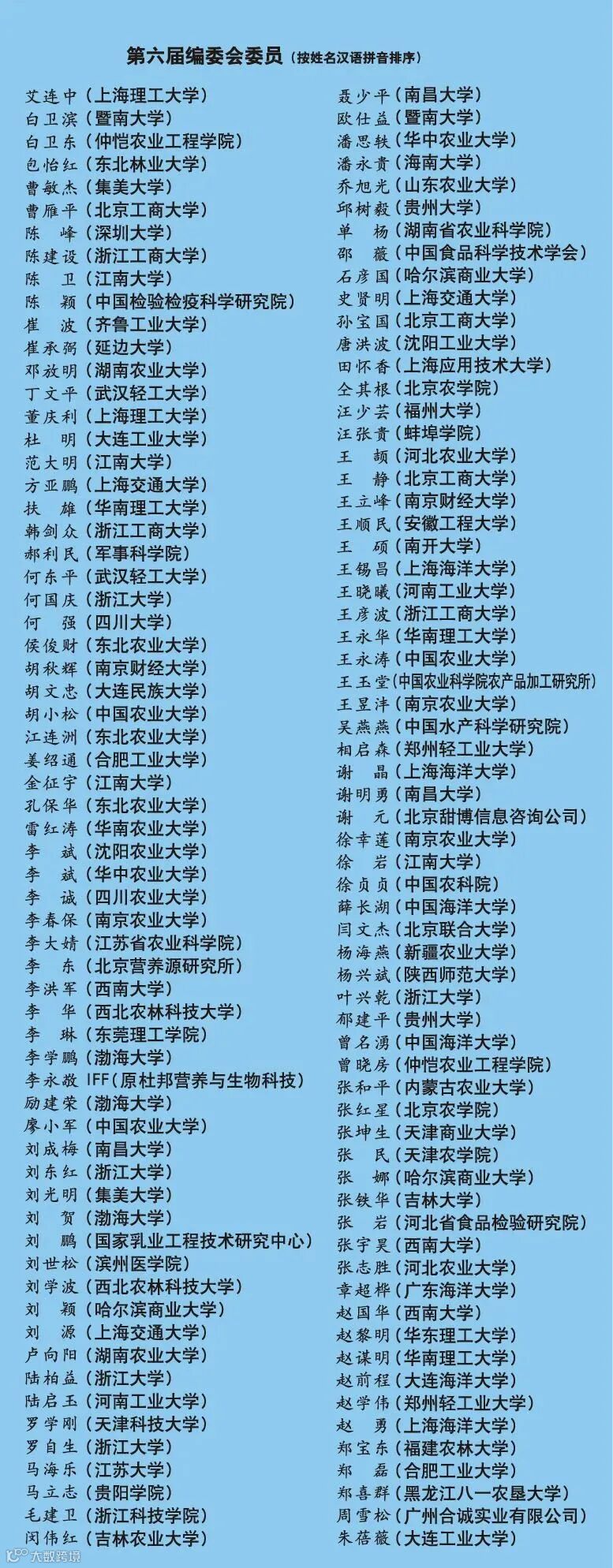
《食品工业科技》青年编委专栏征稿:食品营养素包埋与递送 


《食品工业科技》青年编委专栏征稿:杂粮与主粮复配的营养学基础 


详细内容请点击文末“阅读原文”。


编辑:汤梦怡
主编:冯媛媛

版权声明

《食品工业科技》具有以上论文在全世界范围内的复制权、发行权、翻译权、汇编权、广播权、表演权、信息网络传播权、转许可权及以上权利的邻接权,且作者已授权期刊同论文著作权保护期。如需转载,可联系《食品工业科技》编辑部010-87244116,或直接在文末撰写转载来源。




食品工业科技官方网站:
http://www.spgykj.com


点亮“在看”,为《食品工业科技》助力

【声明】内容源于网络
0
0
食品工业科技编辑部
《食品工业科技》编辑部与作者、读者的交流平台。《食品工业科技》既是反映当前国内外食品工业技术水平的窗口,又是新技术应用推广的桥梁,面向科研、生产,满足各层次需求。
内容 2790
粉丝 0
食品工业科技编辑部 《食品工业科技》编辑部与作者、读者的交流平台。《食品工业科技》既是反映当前国内外食品工业技术水平的窗口,又是新技术应用推广的桥梁,面向科研、生产,满足各层次需求。
总阅读7.0k
粉丝0
内容2.8k