

大数跨境

《食品工业科技》F5000论文展播:马铃薯主食化面条新产品的研究

《食品工业科技》F5000论文展播:马铃薯主食化面条新产品的研究 食品工业科技编辑部
2022-10-31
3

马铃薯主食化面条新产品的研究


目的:面条作为主食在消费者需求中占有重要地位,随着人们生活水平的提高,消费观念也在发生变化,消费者更加注重营养健康。马铃薯富含多糖、维生素、矿物质等营养物质,是一种不可或缺的食品原料。本课题解决了马铃薯面团因不含面筋蛋白、成型难、硬度大,使得生产的面条具有黏弹性差、溶出率较高、烹煮时间较长、缺乏良好口感的问题,加工出适合北方消费习惯的面条,实现了目前马铃薯由副食消费向主食消费的转变、由原料产品向产业化系列制成品的转变。


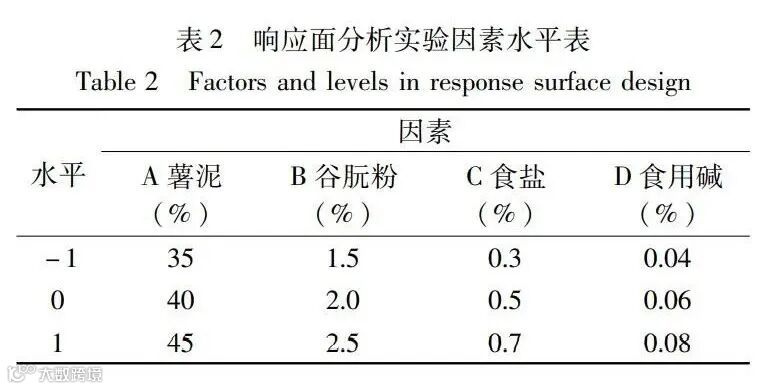
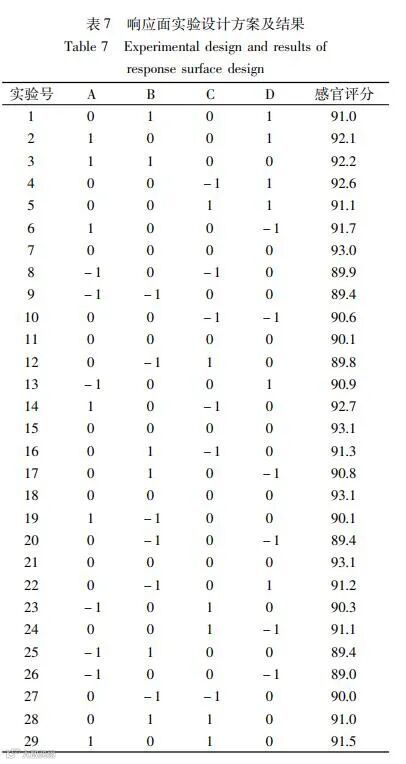
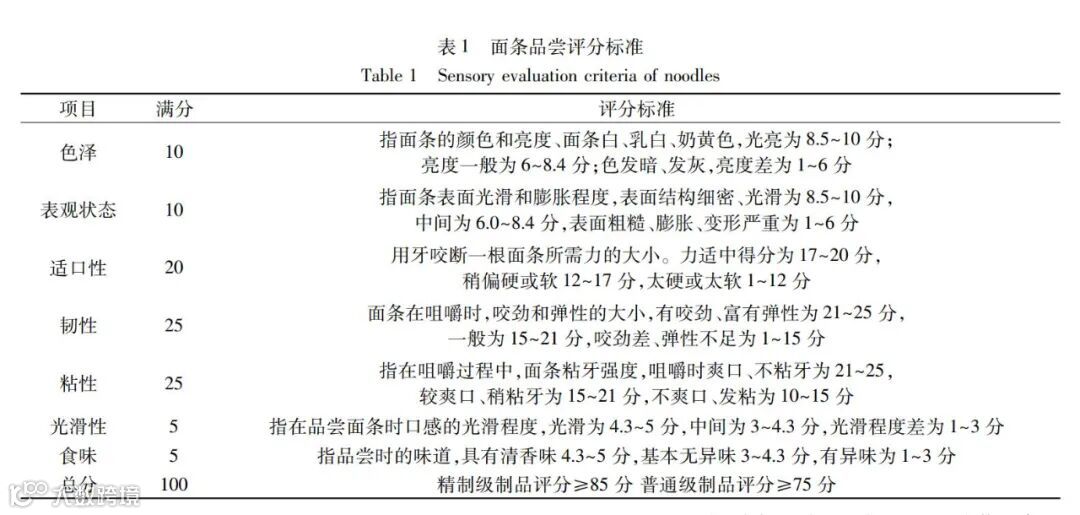
方法:以马铃薯鲜薯和面粉为原料,以色泽、表观状态、适口性、韧性、粘性、光滑性、食味为感官评分标准,通过单因素实验,研究薯泥添加量、谷朊粉添加量、食用盐添加量、食用碱添加量对面条品质的影响;在单因素试验基础上,根据Box-Behnken中心组合原理,设计出4因素3水平响应面分析试验,利用Design Expert8.0软件,最终确定马铃薯面条的最佳配方。


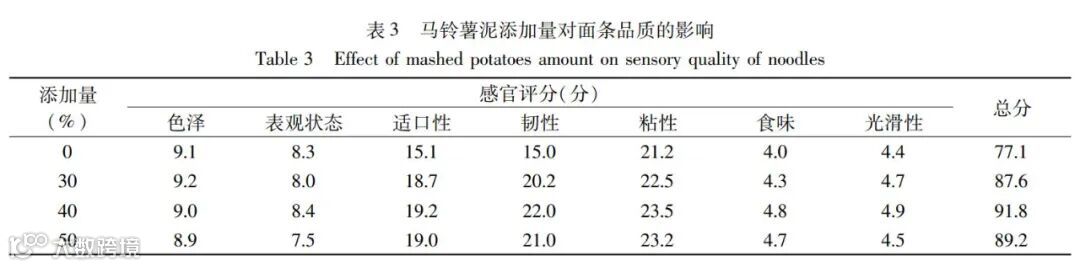
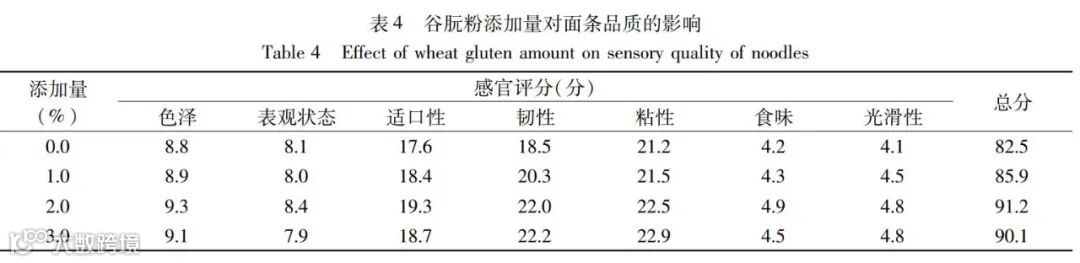
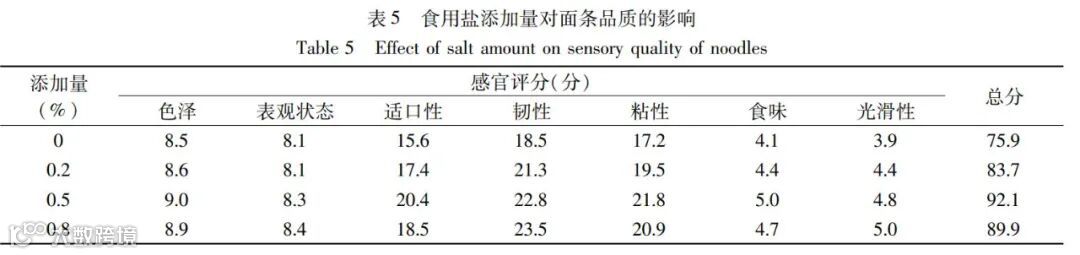
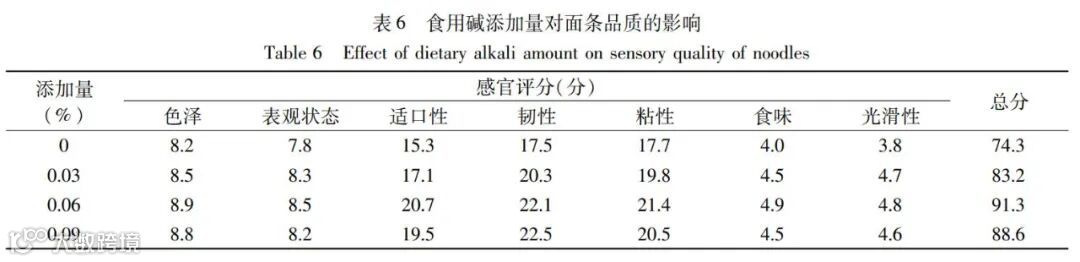
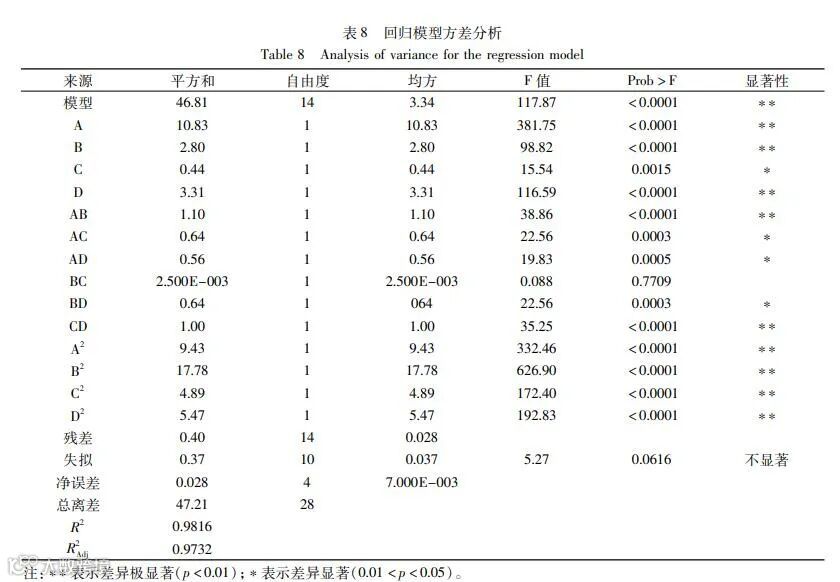
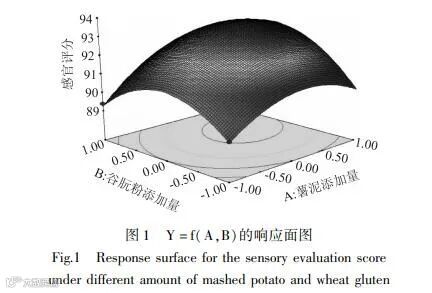
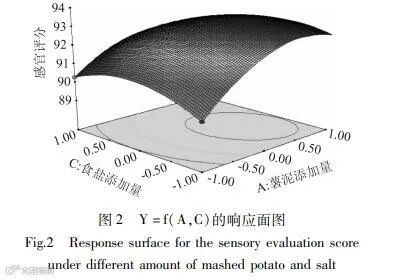
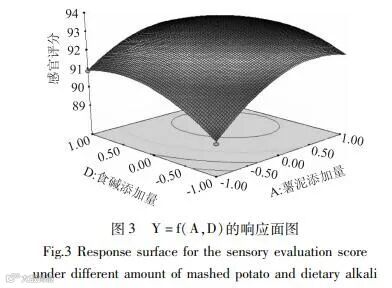
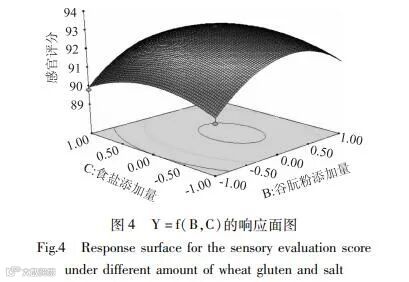
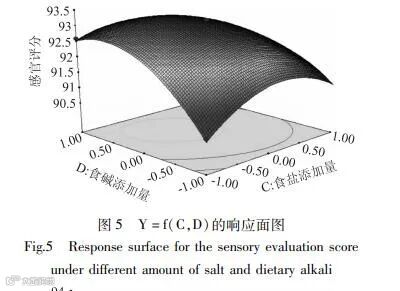
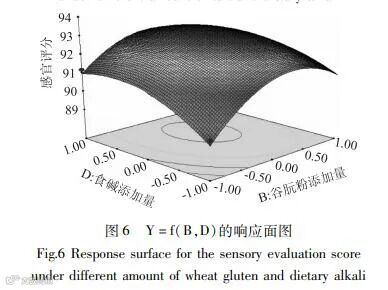
结果:①在一定范围内,随着薯泥添加量的增加,面条的品质整体呈上升趋势,感官分数提升,当添加量达到40%时,品质相对最高。②随着谷朊粉添加量的增加,面条的感官分数呈上升趋势,其硬度、韧性和粘性提高,烹煮损失率降低,当添加量超过2%后,品质有下降趋势。③在一定范围内,随着食盐添加量的增加,面条的总体品质提高,感官分数提升,面条的韧性增强,当添加量超过0.5%后,感官评分有所降低,面条的口感也受到影响。④随着食用碱添加量的增加,面条的品质有所提升,当添加量为0.06%时,面条品质相对最佳,可增强其韧性,改善其色泽和口感,降低烹煮时的断条率和损失率。加入过多食用碱后,面条的色泽较黄,风味和口感下降。⑤根据Box-Behnken中心组合原理,设计4因素3水平响应面试验,利用Design Expert8.0软件,对试验值进行二元回归拟合,得到面条感官分数对A(薯泥添加量)、B(谷朊粉添加量)、C(食用盐添加量)、D(食用碱添加量)的二次多项回归方程为:Y=93.12+0.95A+0.48B-0.19C+0.52D+0.53AB-0.40AC-0.38AD-0.025BC-0.40BD-0.50CD-1.21A2-3.66B2- 0.87C2-0.92D2。方差分析结果表明,该回归模型极显著(P<0.0001),失拟项不显著,R2=0.9816, R2Adj=0.9732,说明能解释97.32%响应值的变化,试验误差小,拟合度较好,可信度较高,可以对响应值进行预测;各因素对感官评分影响的主次顺序为A>D>B>C;确定最佳配方为薯泥添加量42.2%,谷朊粉添加量2.1%,食用盐添加量0.45%,食用碱添加量0.064%;感官评定分数验证试验为92.86,较预测值相对误差仅为0.90%,配方参数准确可靠。


结论:本试验以马铃薯和小麦面粉为主要原料开发马铃薯面条,并对面条品质进行感官评定,在单因素试验的基础上,运用响应面法优化马铃薯面条制作的工艺条件,得出最佳配方为薯泥添加量42.2%,谷朊粉添加量2.1%,食用盐添加量0.45%,食用碱添加量0.064%。在此条件下制得的面条色泽略带微黄,薯味浓郁,适口性好,有嚼劲,不粘牙,感官评定分数为92.86,适合大众口味。本试验方法工艺简单,加工出的面条营养全面,符合人们的消费理念。
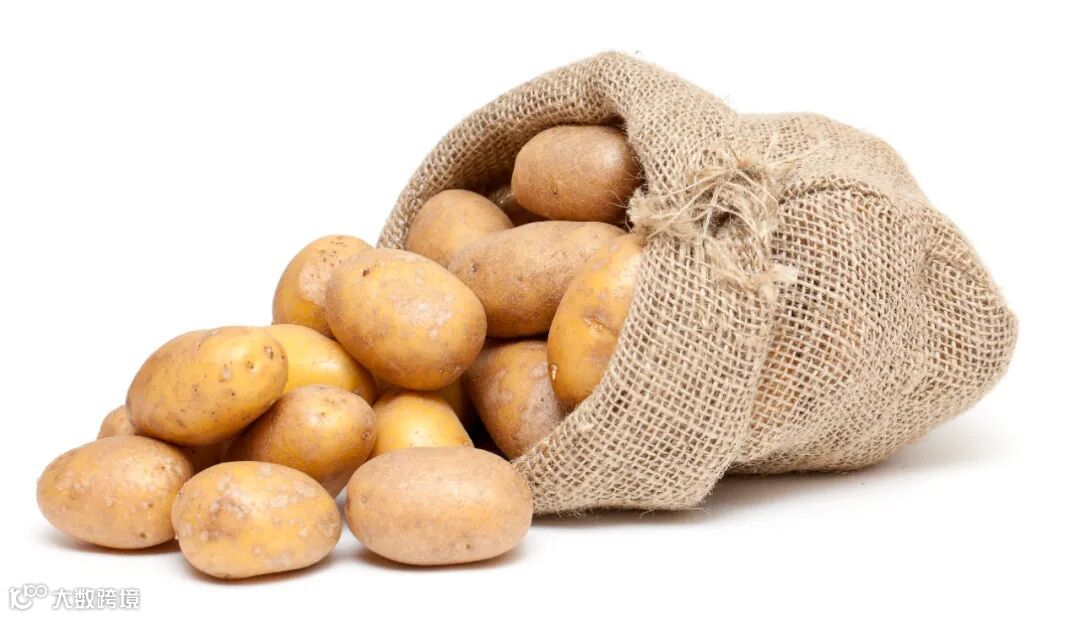


图片来源于图司机


Objectives: As a staple food, noodles occupy an important position in consumer demand. With the improvement of people's living standards, their consumption concept is changing, and consumers pay more attention to nutrition and health. Potatoes are rich in polysaccharides, vitamins, minerals and other nutrients, is an indispensable food raw material. This project solves the problems of potato dough with poor viscoelasticity, high dissolution rate, long cooking time and lack of good taste due to the lack of gluten protein, difficulty in forming and high hardness. The noodles have realized the transformation of potatoes from non-staple food consumption to staple food consumption, and from raw material products to industrialized series of finished products.

Methods: Using fresh potato and flour as raw materials, and taking color, apparent state, palatability, toughness, viscosity, smoothness and taste as sensory scoring criteria, by way of single-factor experiments were conducted to study the addition of mashed potato、gluten、salt and edible alkali on the noodle quality; on the basis of the single factor test, according to the Box-Behnken central combination principle, a response surface analysis test with 4 factors and 3 levels was designed. Design Expert8.0 software was used to determine the optimal recipe for potato noodles.

Results: ①Within a certain range, with the increase of the addition of mashed potato, the overall quality of noodles showed an upward trend, and the sensory score increased. When the addition amount reached 40%, the quality was relatively the highest.②With the addition of gluten, the sensory score of noodles showed an upward trend, the hardness, toughness and viscosity of the noodles increased, and the cooking loss rate decreased.③Within a certain range, with the increase of the amount of salt added, the overall quality of the noodles was improved, the sensory score was improved, and the toughness of the noodles was enhanced. When the addition amount exceeded 0.5%, the sensory score was reduced, and the taste of the noodles was also affected.④With the increase of the amount of edible alkali added, the quality of the noodles had been improved. When the addition amount was 0.06%, the quality of the noodles was relatively best, which could enhance its toughness, improve its color and taste, and reduce the breakage rate during cooking, and loss rate. After adding too much edible alkali, the color of the noodles was yellow, and the flavor and taste were reduced.⑤According to the Box-Behnken central combination principle, a 4-factor and 3-level response surface test was designed. Using Design Expert8.0 software, binary regression fitting was performed on the test values, and the noodle sensory scores were obtained for A (addition amount of potato puree), B(gluten addition), C(amount of salt added), D (amount of edible alkali added) was:Y=93.12+0.95A+0.48B-0.19C+0.52D+0.53AB-0.40AC-0.38AD-0.025BC-0.40BD-0.50CD-1.21A2-3.66B2-0.87C2-0.92D2. The results of variance analysis showed that the regression model was extremely significant (P<0.0001), the lack of fit was not significant, R2=0.9816, R2Adj=0.9732, indicating that it could explain 97.32% of the changes in the response value, the experimental error was small, and the fit was good. The reliability was high, and the response value could be predicted; the primary and secondary order of the influence of each factor on the sensory score was A>D>B>C; the optimal formula was determined as the addition of mashed potato 42.2%, and the addition of gluten 2.1%, the addition of edible salt was 0.45%, and the addition of edible alkali was 0.064%; the sensory evaluation score verification test was 92.86, the relative error of the predicted value was only 0.90%, and the formula parameters were accurate and reliable.

Conclusions: In this experiment, potato and wheat flour were used as the main raw materials to develop potato noodles, and the quality of noodles was evaluated by sensory evaluation. On the basis of single factor test, the process conditions of potato noodles were optimized by response surface methodology, and the optimal formula was obtained. The addition of mashed potato was 42.2%, the addition of gluten was 2.1%, the addition of edible salt was 0.45%, and the addition of edible alkali was 0.064%. The noodles prepared under this condition were slightly yellow in color, rich in potato flavor, good in palatability, chewy, and non-sticky. The sensory evaluation score was 92.86, which was suitable for public taste. The test method was simple in process, and the processed noodles were nutritious, which conformed to people's consumption concept.


图表赏析


作者简介


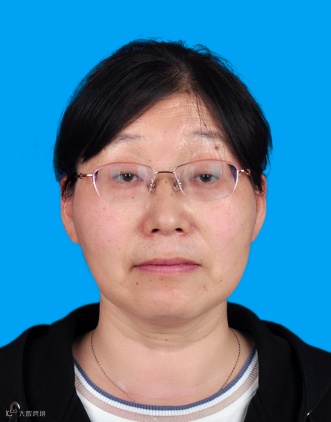
张小燕  正高级工程师

张小燕,郑州轻工业大学食品工程专业,工学士,正高级工程师,国家注册咨询工程师,健康管理师。主要从事农副产品精深加工、食品研究开发及成果转化推广、科技咨询服务等。主持或参与省市级科研项目十多项,获年度甘肃省优秀工程咨询成果奖一等奖1项、二等奖5项、三等奖4项,累计发表论文20余篇,甘肃省农副产品深加工科技创新团队、甘肃省天然产物提取创新团队、甘肃省食品发酵重点实验室骨干成员之一,甘肃省食品工业协会会员。


《食品工业科技》青年编委专栏征稿
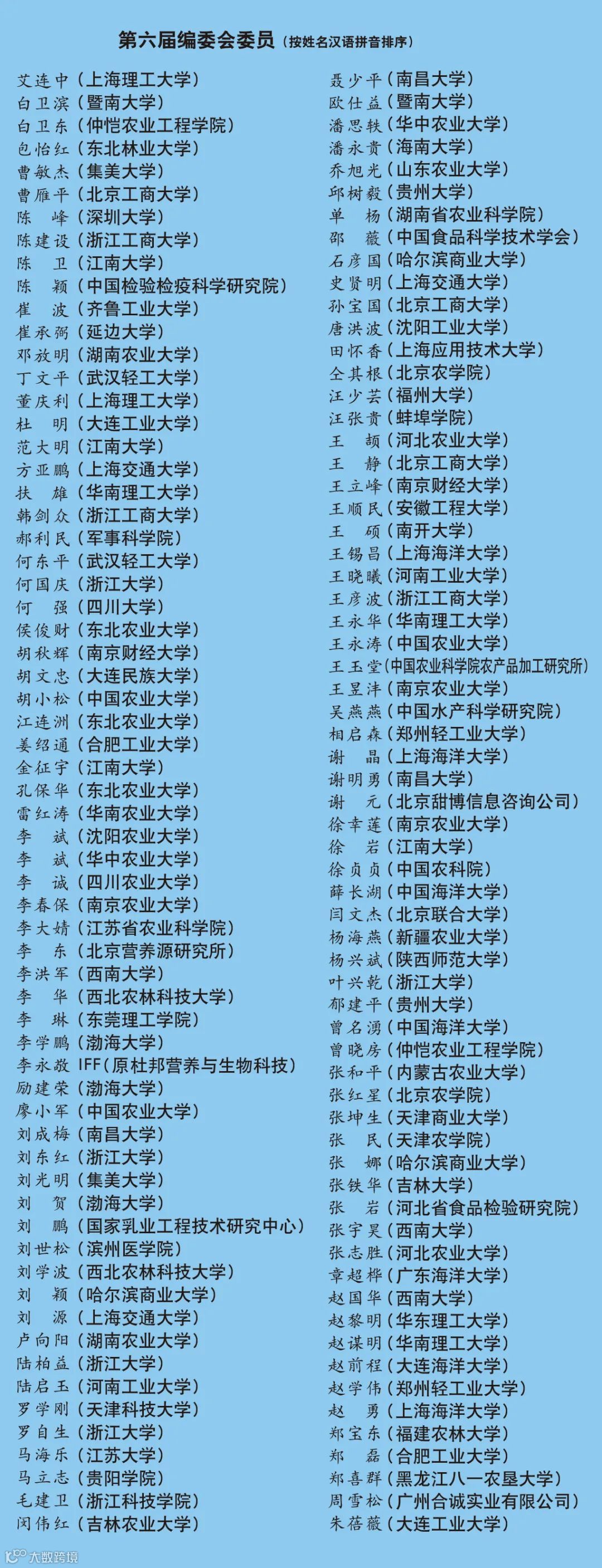
《食品工业科技》青年编委专栏征稿:食品营养素包埋与递送 


《食品工业科技》青年编委专栏征稿:杂粮与主粮复配的营养学基础 


详细内容请点击文末“阅读原文”。


编辑:陈柳霓
主编:冯媛媛

版权声明

《食品工业科技》具有以上论文在全世界范围内的复制权、发行权、翻译权、汇编权、广播权、表演权、信息网络传播权、转许可权及以上权利的邻接权,且作者已授权期刊同论文著作权保护期。如需转载,可联系《食品工业科技》编辑部010-87244116,或直接在文末撰写转载来源。




食品工业科技官方网站:
http://www.spgykj.com


点亮“在看”,为《食品工业科技》助力

【声明】内容源于网络
0
0
食品工业科技编辑部
《食品工业科技》编辑部与作者、读者的交流平台。《食品工业科技》既是反映当前国内外食品工业技术水平的窗口,又是新技术应用推广的桥梁,面向科研、生产,满足各层次需求。
内容 2790
粉丝 0
食品工业科技编辑部 《食品工业科技》编辑部与作者、读者的交流平台。《食品工业科技》既是反映当前国内外食品工业技术水平的窗口,又是新技术应用推广的桥梁,面向科研、生产,满足各层次需求。
总阅读2.2k
粉丝0
内容2.8k