

大数跨境

《食品工业科技》F5000论文展播:蓝莓的营养保健功能及其开发利用

《食品工业科技》F5000论文展播:蓝莓的营养保健功能及其开发利用 食品工业科技编辑部
2022-11-23
3

蓝莓的营养保健功能及其开发利用


目的:分析蓝莓的营养保健功能及其开发利用现状,并就存在的问题提出今后研究和开发利用的建议。


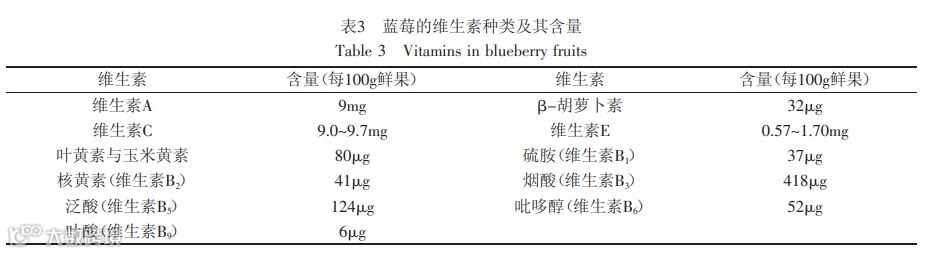
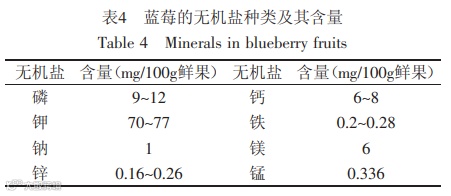
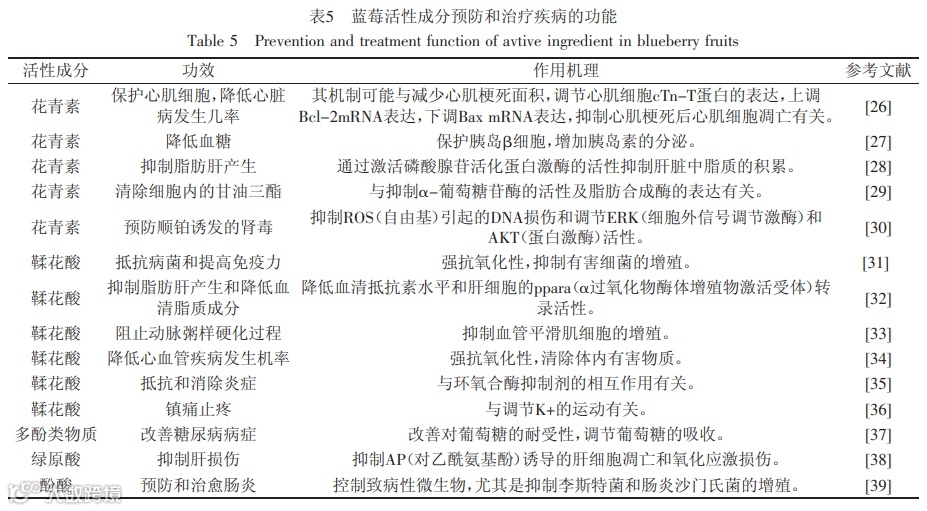
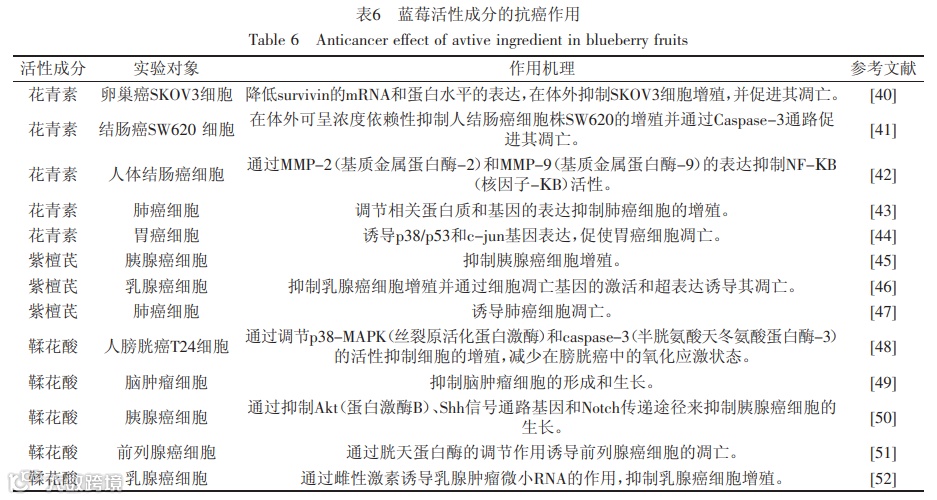
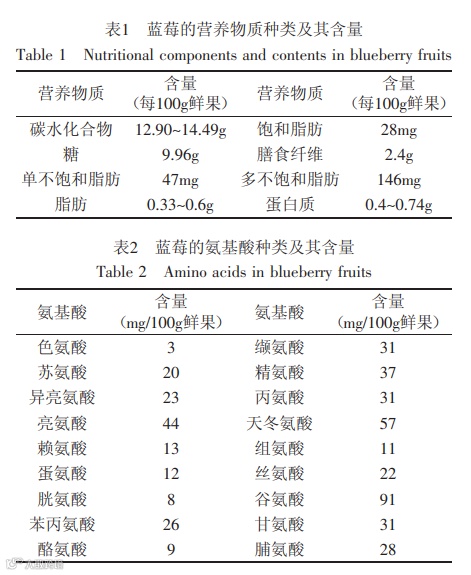
结果:蓝莓因营养丰富和具有良好的保健功能,具有改善人类营养水平和预防疾病发生的潜在功效,得到了国内外农业及食品科研机构的广泛关注和研究,联合国粮农组织将其列为人类五大健康食品之一。蓝莓属杜鹃花科越橘属,多年生落叶或常绿灌木,主要有高丛、半高丛、矮丛和兔眼四大类。蓝莓果实营养丰富,除含有蛋白质、脂类、碳水化合物等宏量营养素外,还富含维生素以及铁、锌、锰等微量营养素。蓝莓果实含有包含人体八种必需氨基酸在内的15~17种氨基酸,总含量可达1.08%~2.54%。此外,还含有较高的膳食纤维、不饱和脂肪酸和果胶,膳食纤维含量分别是猕猴桃和苹果的1.5倍和3.5倍,不饱和脂肪酸含量分别是苹果和香蕉的4.5倍和1.8倍,果胶含量是苹果、香蕉的1.4~3.0倍。蓝莓果实含有丰富的花青素、鞣花酸、绿原酸、SOD和紫檀芪等主要功能活性成分,使其具有改善视力、强抗氧化性和自由基清除能力、预防和抵御疾病心脑血管疾病、降血压、降血脂和消除炎症、预防和治疗癌症及肿瘤、调节人体新陈代谢等保健功能。蓝莓果实野生品种的花青素含量高达330~338 mg/100g鲜果质量,栽培品种的花青素含量一般为70~150 mg/100g鲜果质量。采用高效液相色谱法(HPLC)测得大兴安岭的蓝莓中鞣花酸含量约为6.893 mg/g鲜果质量。高丛蓝莓中绿原酸的含量通过HPLC法测定约为70 mg/100g鲜果质量。蓝莓果实中这3种功能活性成分的含量都高于其他果实。目前,蓝莓果实保健品的开发主要有冷冻果干粉、果干、果酱、罐头、果汁、果酒等形式,但存在由于技术不完善导致营养保健成分在贮藏和加工过程中损失严重和利用不充分、产品的开发利用范围有待拓宽、蓝莓花和叶的价值没有得到有效利用等问题。据调查分析,蓝莓果汁中只有13%~23%的花青素和36%~39%绿原酸,而果汁加工的残渣中约42%的花青素和15%绿原酸;100 g蓝莓果榨汁含33.6 mg花青素,但100 g残渣中含有花青素184 mg,说明蓝莓果实活性成分的利用效率急待提高。蓝莓除了果实营养价值高外,其花和叶也具有较高的开发利用价值。在高丛蓝莓的花中可分离出21种酚类物质;也有研究报道蓝莓的果皮组织拥有较高水平的抗氧化能力,其能力甚至高于果肉组织的抗氧化能力。在开发利用蓝莓资源过程中,不仅要关注蓝莓果实,也要对蓝莓的花、叶、茎等给予重视。


建议:首先,在蓝莓开发利用过程中,应充分利用蓝莓本身所具有的优势,尤其是提高活性成分的利用率。其次,改变蓝莓深加工产品仅局限于罐头、果酱、果汁、果干等传统食品的现状,拓宽蓝莓产品的开发利用途径。第三,加强对蓝莓保鲜方法的研究,以减少蓝莓果实营养保健成分在贮藏和加工过程中损失。


展望:蓝莓作为一种营养丰富且具有保健功能和经济价值的水果,越来越受到学者的广泛关注,我国蓝莓产业目前处于起步阶段,积极发展我国蓝莓产业,建立和完善蓝莓产业链条,早日形成自己的特色,具有具有极大的发展空间。
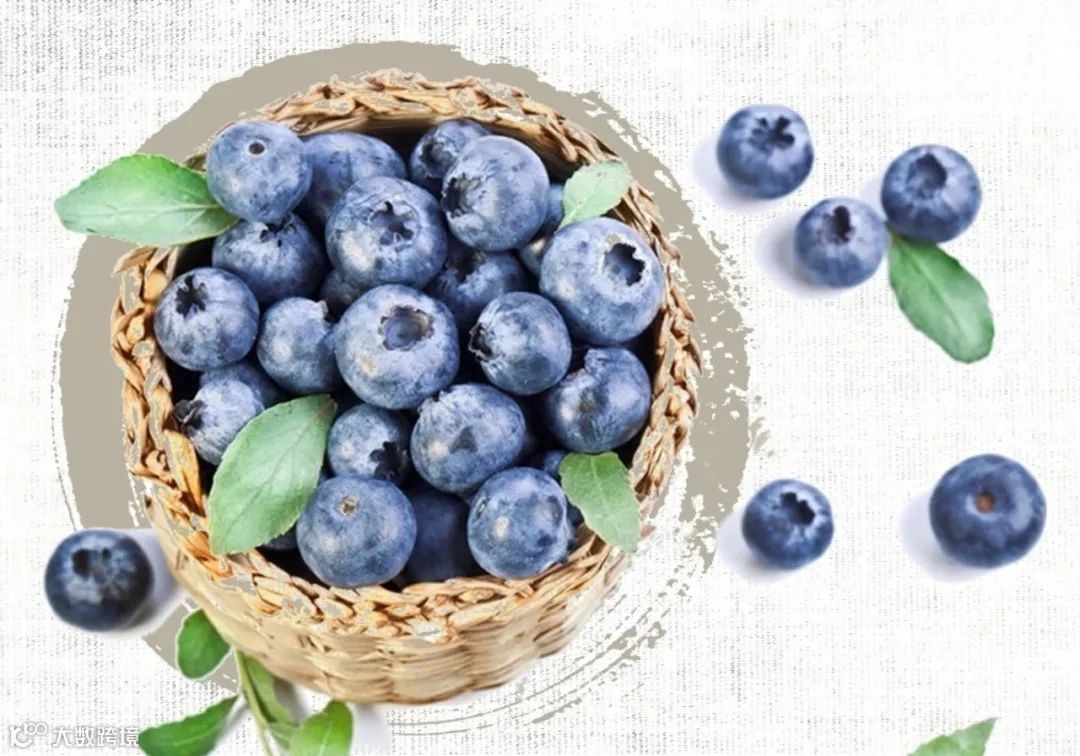


图片来源于图司机


Objective: To analyze the development and utilization on the nutrition and health care function of blueberry fruits and to provide opinions for their future research and exploration based on the analysis.

Results: The rich nutrition and good health care function of blueberry render it the potential to improve the human nutrition level and the function of diseases prevention. Blueberry has been caused wide attention and researches on the fruit have been carried out worldwide by agricultural and food research institutions. It has been listed as one of the five human health foods by FAO of United Nations. Blueberries are perennial deciduous or evergreen shrubs plants belonging to the family of Vaccinium and the Genera of Vaccinium, mainly composed of four kinds of V. corymbosum, V. angustifolium, V. corymbosum, and V. ashei. Nutrition of blueberry fruit is rich, containing not only macro nutrients such as protein, lipid, and carbohydrate etc. but also micro nutrients such as vitamins and iron, zinc and manganese etc. The kind of amino acids in blueberry fruits is about 15 to 17 with the total content reaches to 1.08% to 2.54% and eight kinds of essential amino acids are all contained in the fruit. It also contains high dietary fiber, unsaturated fatty acids and pectin with the content of dietary fiber 1.5 times and 3.5 times that of kiwi fruit and apple, respectively, the content of unsaturated fatty acid 4.5 times and 1.8 times that of apple and banana, respectively, and the content of pectin 1.4~3.0 times that of apple and banana. Blueberry fruit are rich in functional active ingredients such as anthocyanidin, ellagic acid, chlorogenic acid, SOD and pterostilbene, which renders it the health care functions of improving vision, strong resistance to oxidation and radical scavenging capacity, prevention and resistance to diseases of heart and head blood-vessels, tumor and cancer, lowering blood pressure and hematic fat, elimination inflammation, and prevention, adjusting and treatment of and human body's metabolism. The anthocyanin content in wild varieties of blueberry fruits is as high as 330~338 mg/100 g fresh fruit weight, while that in cultivated varieties is general 70~150 mg/100 g fresh fruit weight. The ellagic acid content measured by HPLC in the fruits cultivated in the area of Greater Khingan Mountains is about 6.893 mg/g fresh fruit weight. And the content of chlorogenic acid in the blueberry fruits of V. corymbosum measured by HPLC is about 70 mg/100g fresh fruit weight. The content of all these 3 functional ingredients in blueberry fruits is higher than any other fruits. Up to now, the development and exploration of health products made of blueberry fruit has mainly contained that of frozen fruit powder, dried fruit, jam, cans, fruit juice and fruit wine. Because of Technical imperfection, serious loss of nutritional and functional ingredients during the process of storage and processing, inadequate developmental products and proper utilization of the value of the flowers and leaves in addition to the fruits, remains problems to be resolved. According to investigation and analysis, blueberry juice contains only 13%~23% anthocyanin and 36%~39% chlorogenic acid, while juice processing residue contains about 42% anthocyanin and 15% chlorogenic acid; and 100 g blueberry juice contains 33.6 mg anthocyanin, but 100 g residue contains 184 mg anthocyanin, indicating that the utilization efficiency of blueberry functional active ingredients needs to be improved urgently. In addition to the high nutritional value of blueberry fruit, its flowers and leaves also have high development and utilization value. Twenty-one phenolic compounds have been reported to be isolated from the flowers of V. corymbosum blueberry. It has also been reported that the skin tissue of blueberries show a high level of antioxidant capacity, which is even higher than that of flesh tissue. Therefore, attention should be paid not only to blueberry fruits, but also to blueberry flowers, leaves and stems in the process of developing and utilizing blueberry resources.

Suggestions: Firstly, full use of the advantages of the blueberry fruits in the process of development and utilization must by emphasized, and utilization rate of active ingredients in the fruits must be improved. Secondly, the deep processing of blueberry products to use its nutritional and functional ingredients should be broadened and diversified to get rid of the present product limitation in the range of traditional food as cans, jam, fruit juice, dried fruits. Thirdly, research on preservation methods of blueberry fruits should be intensified so that the serious loss of nutritional and functional ingredients during the process of storage and processing can be obviously reduced.

Prospect: As a fruit with rich nutrition, health care function and economic value, blueberry has attracted more and more attention from scholars. China's blueberry industry is currently in its infancy. Actively develop China's blueberry industry, establish and improve the blueberry industry chain, form its own characteristics as soon as possible, and has great development space.


图表赏析


《食品工业科技》青年编委专栏征稿

《食品工业科技》青年编委专栏征稿:食品营养素包埋与递送 


《食品工业科技》青年编委专栏征稿:杂粮与主粮复配的营养学基础 


详细内容请点击文末“阅读原文”。


编辑:苑丽婧
主编:冯媛媛

版权声明

《食品工业科技》具有以上论文在全世界范围内的复制权、发行权、翻译权、汇编权、广播权、表演权、信息网络传播权、转许可权及以上权利的邻接权,且作者已授权期刊同论文著作权保护期。如需转载,可联系《食品工业科技》编辑部010-87244116,或直接在文末撰写转载来源。




食品工业科技官方网站:
http://www.spgykj.com


点亮“在看”,为《食品工业科技》助力

【声明】内容源于网络
0
0
食品工业科技编辑部
《食品工业科技》编辑部与作者、读者的交流平台。《食品工业科技》既是反映当前国内外食品工业技术水平的窗口,又是新技术应用推广的桥梁,面向科研、生产,满足各层次需求。
内容 2790
粉丝 0
食品工业科技编辑部 《食品工业科技》编辑部与作者、读者的交流平台。《食品工业科技》既是反映当前国内外食品工业技术水平的窗口,又是新技术应用推广的桥梁,面向科研、生产,满足各层次需求。
总阅读2.2k
粉丝0
内容2.8k