
百合多糖的纯化及其对肠道菌群失调小鼠的调节作用



目的:肠道菌群能够调节肠道运动和分泌,分解食物中的大分子复合多糖,参与营养物质的消化和吸收,促进并维护免疫系统的正常发育和活动等。目前对于治疗肠道菌群失调最常用的药物为抗生素类药物,随着抗生素在临床的广泛应用,其在杀灭致病菌的同时也影响了正常菌群。因此,人们开始寻找具有微生态调节作用的天然物质进行研究。百合中除含有丰富的淀粉、蛋白质和微量元素等营养物质外,还含有多糖、生物碱、皂苷等多种生物活性成分。随着微生态学的发展,微生态理论和方法开始被引入中药的研究中,现代研究表明,植物多糖可以促进肠道粘膜免疫水平、调节肠道微生态菌群、促进肠道健康发育。由此,本文对百合多糖进行纯化并探究其对肠道菌群失调小鼠的调节作用。
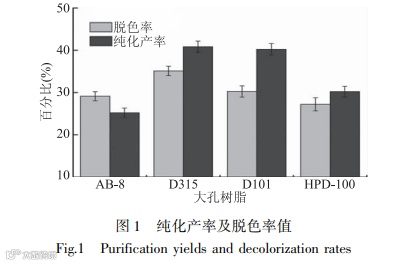
方法:本文先以中药百合为原料,采用超声辅助法水提百合多糖,并以脱色率、产率、多糖含量为指标比较AB-8、D315、D101、HPD-100四种大孔树脂对百合多糖的纯化效果,筛选出最适用的大孔树脂。随后,以盐酸林可霉素10 mg/kg灌胃小鼠建模。将60健康昆明小鼠分为空白(生理盐水10 mg/kg)、模型(盐酸林可霉素10 mg/kg)、阳性(丽珠肠乐10 mg/kg)、百合多糖低、中、高(50、100、200 mg/kg)剂量组,以透射电镜观察小鼠肠粘膜病理标本,脂多糖(Lipopolysaccharide,LPS)、血清炎症因子IL-6、TNF-α及回肠组织SIgA的含量、菌群数量为指标,评价纯化后的百合多糖对肠道菌群失调小鼠的调节作用。
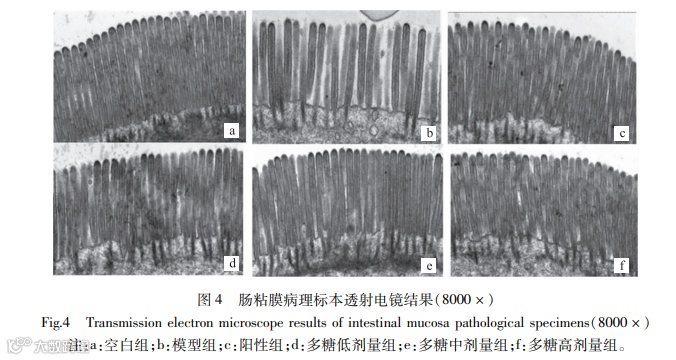
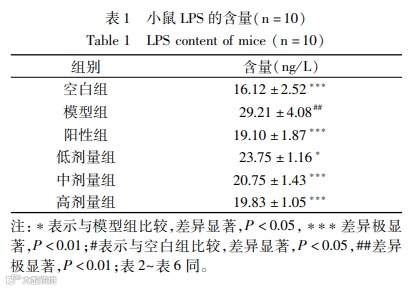
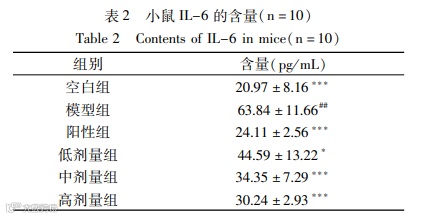
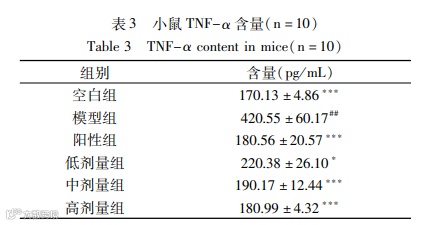
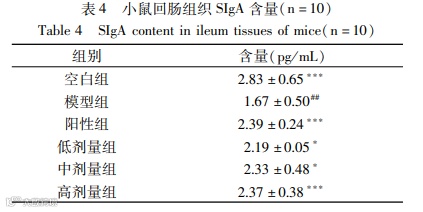
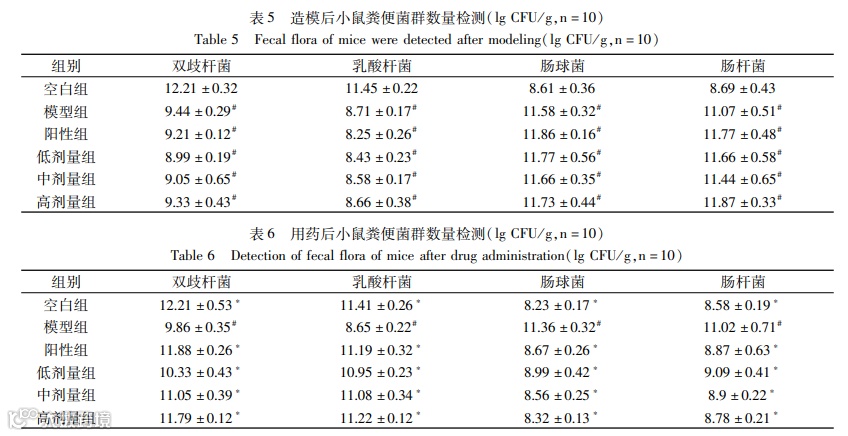
结果:D315的纯化效果最佳,经其纯化后的百合多糖脱色率、纯化产率及多糖含量均为最高,分别为35.11%±1.12%,40.82%±1.28%,82.56%±1.18%。透射电镜结果显示,与模型组相比,多糖低剂量组小鼠肠粘膜绒毛虽偶有疏松,但较模型组比状态有所恢复,多糖中、高剂量组小鼠肠粘膜绒毛排列整齐、无断裂,基本恢复与空白组状态一致,其中百合多糖高剂量组效果最佳。药理实验结果表明:与模型组相比,高剂量组小鼠LPS、血清炎症因子IL-6、TNF-α的含量极显著降低(P<0.01)、回肠组织SIgA含量极显著增加(P<0.01),肠杆菌、肠球菌的数量显著降低(P<0.05),乳酸杆菌、双歧杆菌的数量显著增加(P<0.05),说明百合多糖对小鼠肠道菌群紊乱具有显著调节作用。
结论:本文以小鼠回肠组织SIgA的含量、LPS含量、血清炎症因子IL-6、TNF-α的含量、菌群数量为评价指标,研究纯化后的百合多糖对肠道菌群失调小鼠调节作用,发现百合多糖可能是通过抑制LPS、IL-6、TNF-α含量的增加,进而抑制细胞内炎症因子的释放,提高SIgA的含量并通过扶植肠道内有益菌、抑制有害菌的含量调节肠道菌群失调。未来将基于百合多糖调节胃肠道微生态菌群作用机制探究百合多糖微生态调节剂的临床使用和进一步开发。
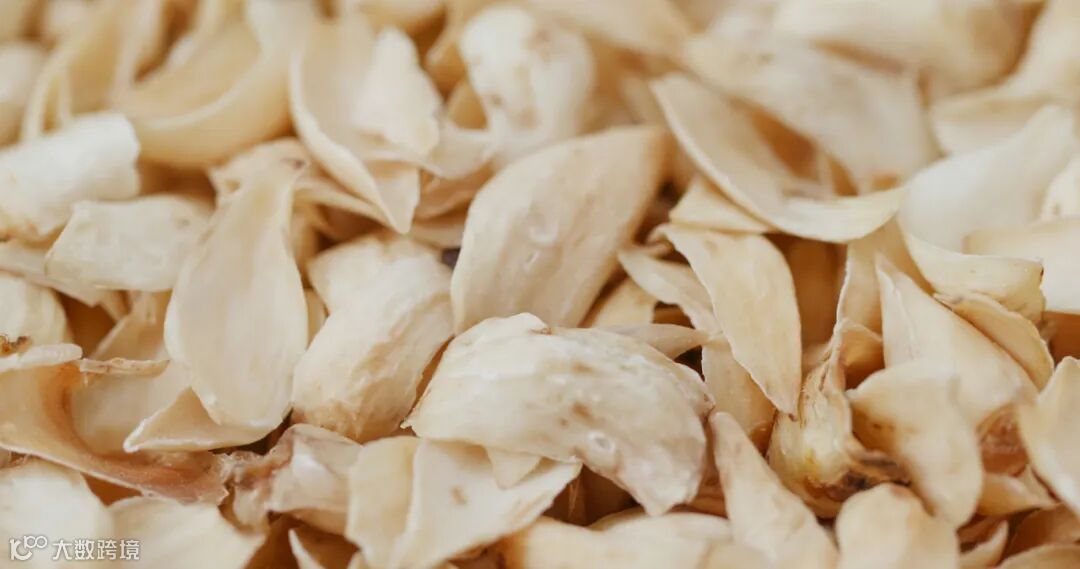
图片来源于图司机


Objectives:The gut microbiota can regulate intestinal movement and secretion, decompose macromolecular complex polysaccharides in food, participate in the digestion and absorption of nutrients, promote and maintain the normal development and activity of the immune system. At present, the most commonly used drugs for treating intestinal microbiota imbalance are antibiotics. With the widespread application of antibiotics in clinical practice, they not only kill pathogenic bacteria but also affect the normal microbiota. Therefore, people are beginning to search for natural substances with microecological regulatory effects for research. Lily not only contains rich nutrients such as starch, protein, and trace elements, but also contains various bioactive components such as polysaccharides, alkaloids, saponins, etc. With the development of microecology, microecology theories and methods have been introduced into the study of traditional Chinese medicine. Modern research has shown that plant polysaccharides can promote intestinal mucosal immune levels, regulate intestinal microbiota, and promote healthy intestinal development. Therefore, this article purifies lily polysaccharides and explored their regulatory effects on intestinal microbiota imbalance in mice.
Methods:This article first used traditional Chinese medicine lilies as raw materials and used ultrasound assisted water extraction to extract lily polysaccharides. The purification effects of AB-8, D315, D101, and HPD-100 macroporous resins on lily polysaccharides were compared using decolorization rate, yield, and polysaccharide content as indicators, and the most suitable macroporous resin is selected. Subsequently, a mouse model was established by gavage of 10 mg/kg lincomycin hydrochloride. 60 healthy Kunming mice were divided into blank (saline 10 mg/kg), model (lincomycin hydrochloride 10 mg/kg), positive (lizhu intestine 10 mg/kg), and low, medium, and high (50, 100, 200 mg/kg) dose groups of lily polysaccharides. Using transmission electron microscopy to observe the pathological specimens of mouse intestinal mucosa, and the lipopolysaccharide (LPS), serum inflammatory factors IL-6, TNF-α and intestinal tissue SIgA, as well as the number of bacteria were used as indicators to evaluate the regulatory effect of purified lily polysaccharides on intestinal microbiota imbalance in mice.
Results:The purification effect of D315 was the best, with the highest decolorization rate, purification yield, and polysaccharide content of lily polysaccharides after purification, which were 35.11%±1.12%, 40.82%±1.28%, and 82.56%±1.18%, respectively. The transmission electron microscopy results showed that compared with the model group, the intestinal mucosal villi of the low-dose polysaccharide group mice were occasionally loose, but the state was restored compared to the model group. The intestinal mucosal villi of the medium and high-dose polysaccharide groups mice were arranged neatly without breakage, and basically recovered to the same state as the blank group. Among them, the high-dose polysaccharide group of lily had the best effect. The pharmacological experimental results showed that compared with the model group, the LPS content, serum inflammatory factors IL-6 and TNF-α levels in the high dose group were significantly decreased, and the ileal tissue SIgA content was significantly increased (P<0.01), the number of Enterobacteriaceae and Enterococcus were reduced, while the number of Lactobacillus and Bifidobacteria were increased (P<0.05). In summary, the lily polysaccharide would have a regulatory effect on the intestinal flora disorder in mice.
Conclusion: This article used the content of SIgA and LPS in mouse ileum tissue, the content of serum inflammatory factors IL-6 and TNF-α, and the number of bacterial communities as evaluation indicators to study the regulatory effect of purified lily polysaccharides on intestinal microbiota imbalance in mice. Results showd that lily polysaccharides might inhibit the increase of LPS, IL-6, and TNF-α content, thereby inhibiting the release of inflammatory factors in cells, increasing the content of SIgA, and regulating intestinal microbiota imbalance by cultivating beneficial and inhibiting harmful bacteria in the intestine. In the future, the clinical use and further development of lily polysaccharide microecological modulators would be explored based on the mechanism of regulation of gastrointestinal microbiota by lily polysaccharide.
《食品工业科技》特邀主编专栏征稿
《食品工业科技》特邀主编专栏征稿:枸杞、红枣、沙棘等食药同源健康食品研究与开发 ☚
《食品工业科技》特邀主编专栏征稿:食品中天然产物提取分离、结构表征和生物活性☚
群聊:食品工业科技作者群
温
馨
提
示

我刊正式组建微信作者群,为作者提供更多的学术与论文资讯,如需进群,请联系刘老师(微信:上方二维码,电话:87244117-8062)。
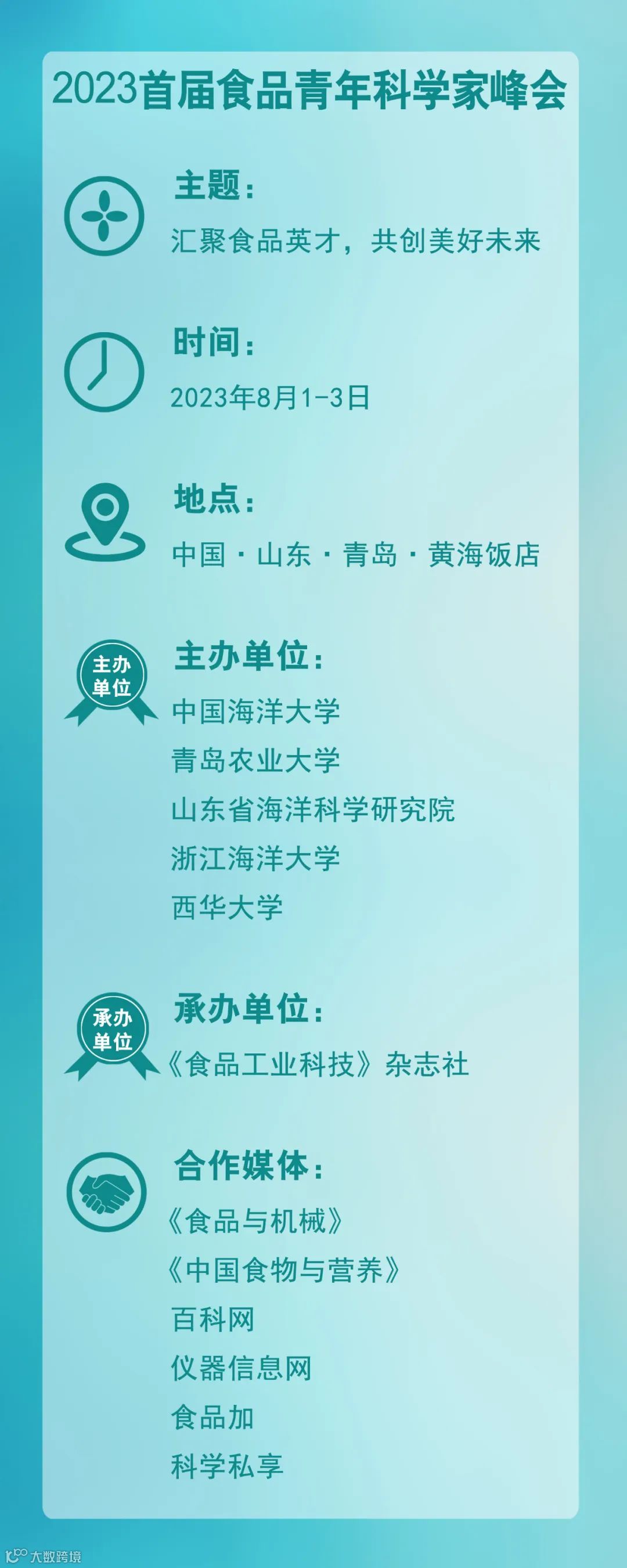

8月1日下午 编委会换届选举
8月1日晚上 编委会招待晚宴
8月2日上午 大会主论坛
主办单位领导致辞
大会主旨报告
8月2日下午 青年科学家分会场报告
8月3日上午 青年科学家分会场报告
博士才俊报告专场
8月3日下午 青年科学家分会场报告
硕士新锐报告专场



报告征集

报告方向:食品及其交叉学科
报告时长:20 min
报名方式:请将个人简介、职务/职称、照片、报告题目及摘要(点击下方“阅读原文”获取模板)发送至邮箱
zhouhao03071995@163.com。

报告方向:食品及其交叉学科
报告时长:20 min
报名方式:请将个人简介、学校、照片、报告题目及摘要(点击下方“阅读原文”获取模板)发送至邮箱
zhouhao03071995@163.com。

报告方向:食品及其交叉学科
报告时长:15 min
报名方式:请将个人简介、学校、照片、报告题目及摘要(点击下方“阅读原文”获取模板)发送至邮箱
zhouhao03071995@163.com。


论文方向:食品及其交叉学科的科研成果及综述
投稿途径:稿件题目上方注明“Food Junction:食品青年科学家峰会投稿”
投稿网址:www.spgykj.com
截止日期:2023年8月4日
录用及见刊方式:依照《食品工业科技》对论文的要求,择优录取,并于《食品工业科技》正刊发表。
绿色通道:论文发表费95折。审核通过的稿件按照书面录用通知的APC费用的95折进行缴纳。



在职人员
|
在校学生
|
2400元/人
|
1500元/人
|
同一单位3人及以上,在职人员2000元/人
|
|
费用包含:会议资料、部分允许共享的演讲内容PDF版、会议午餐
费用不含:住宿(会务组代订会议酒店)、交通费
学生:凭学生证参会

报名联系人
刘编辑 17746598288(微信同手机号)

版权声明