

大数跨境

文章鉴读|甘肃省农业科学院农产品贮藏加工研究所 郑娅:自然发酵与人工接种发酵法发酵泡菜的品质比较

文章鉴读|甘肃省农业科学院农产品贮藏加工研究所  郑娅:自然发酵与人工接种发酵法发酵泡菜的品质比较 食品工业科技编辑部
2025-03-21
1
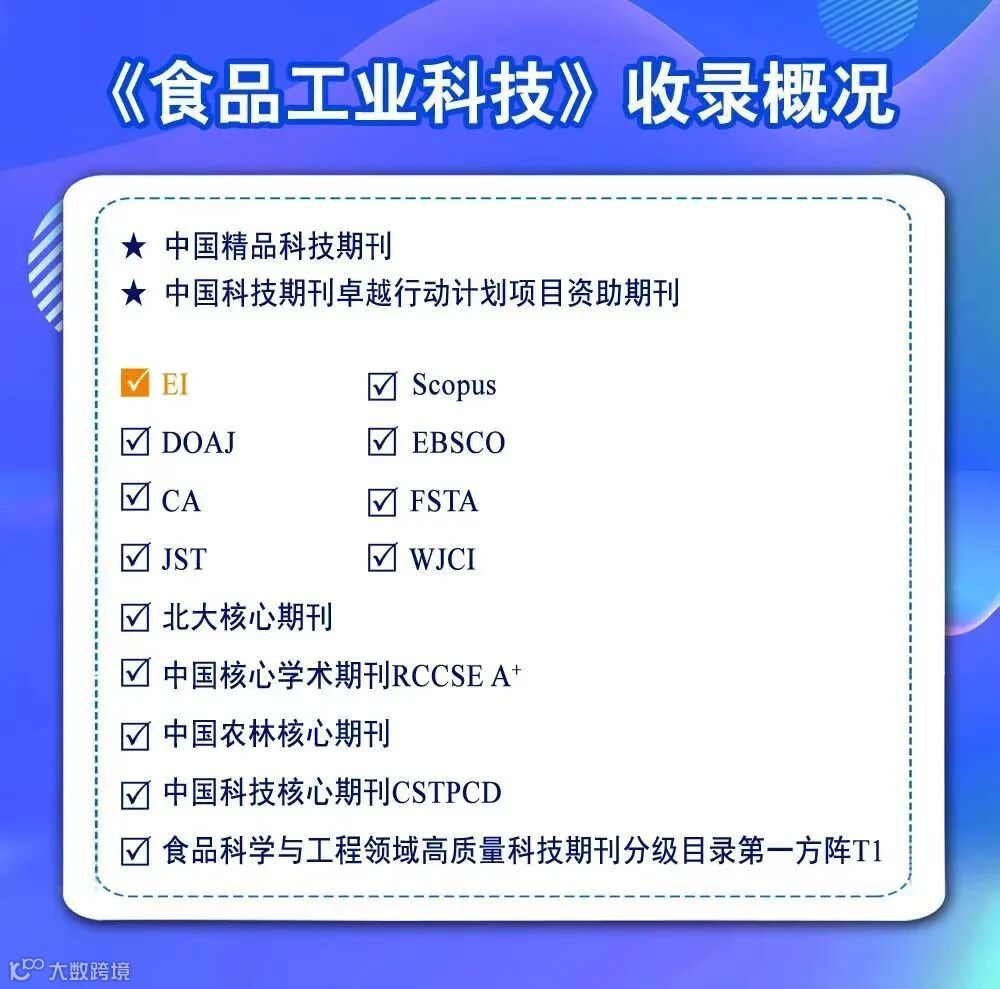
导读:欢迎投稿EI期刊《食品工业科技》www.spgykj.com


EI收录,

入选中国科技期刊卓越行动计划

摘要


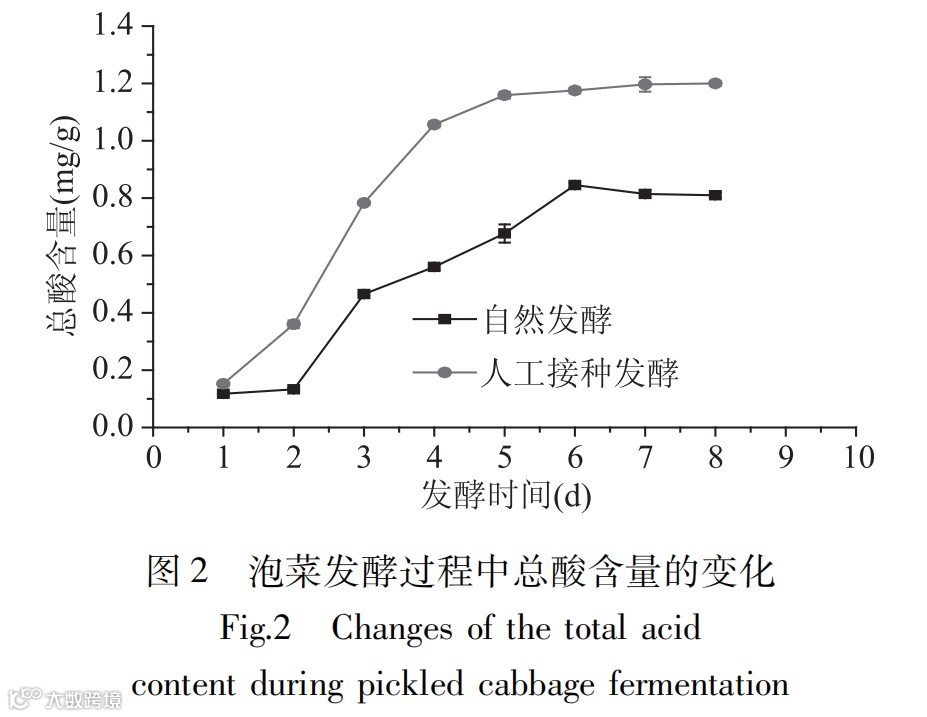
目的:本研究旨在通过对比自然发酵与人工接种发酵法在泡菜制作中的应用效果,探讨两种发酵方式对泡菜品质的影响。研究重点包括发酵过程中还原糖、总酸、氨基酸肽氮、亚硝酸盐含量的变化以及挥发性风味物质的差异,以期为提高泡菜产品质量提供科学依据。

方法:实验选用甘肃高原夏菜中的娃娃菜尾菜作为主要原料,采用两种不同的发酵方法:一种是传统的自然发酵法,另一种是在自然发酵基础上添加了特定比例的混合菌种(柠檬明串珠菌∶植物乳杆菌植物亚种∶短乳杆菌=2∶3∶1)进行人工接种发酵。发酵过程在恒温条件下进行,并定期取样测定样品中的还原糖、总酸、氨基酸肽氮、亚硝酸盐含量及挥发性成分。其中,还原糖含量采用GB 5009.7-2016标准方法测定;总酸含量则依据GB/T 12456-2008标准进行;氨基酸肽氮含量测定参照GB 5009.235-2016规定;而亚硝酸盐含量则按照GB 5009.33-2016标准执行。此外,还利用气相色谱-质谱联用技术(GC-MS)分析了泡菜中的挥发性风味物质组成。

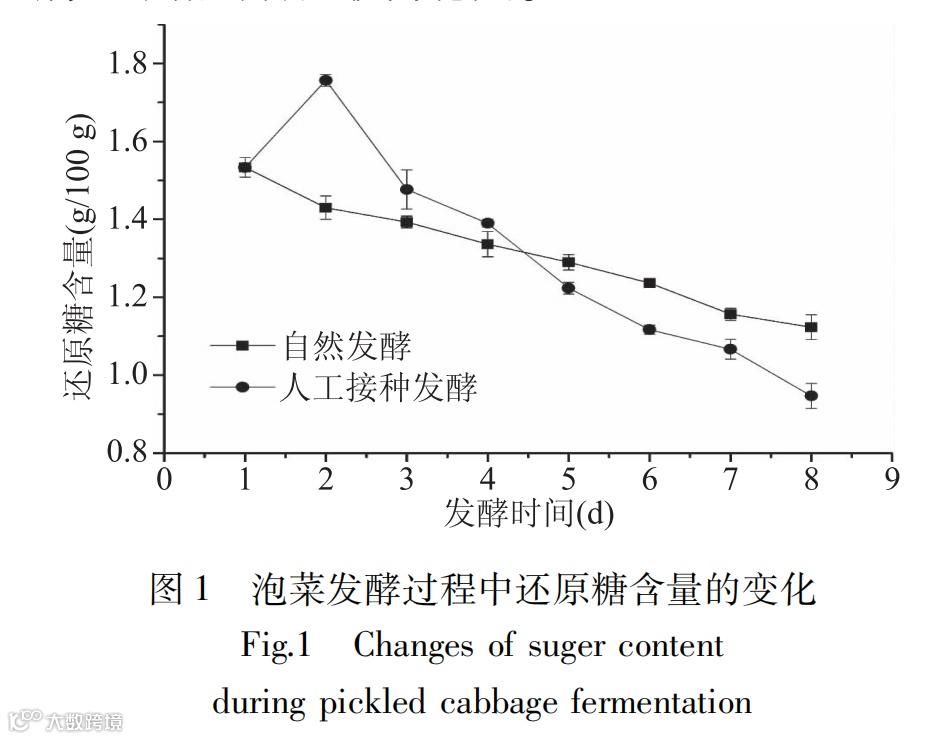
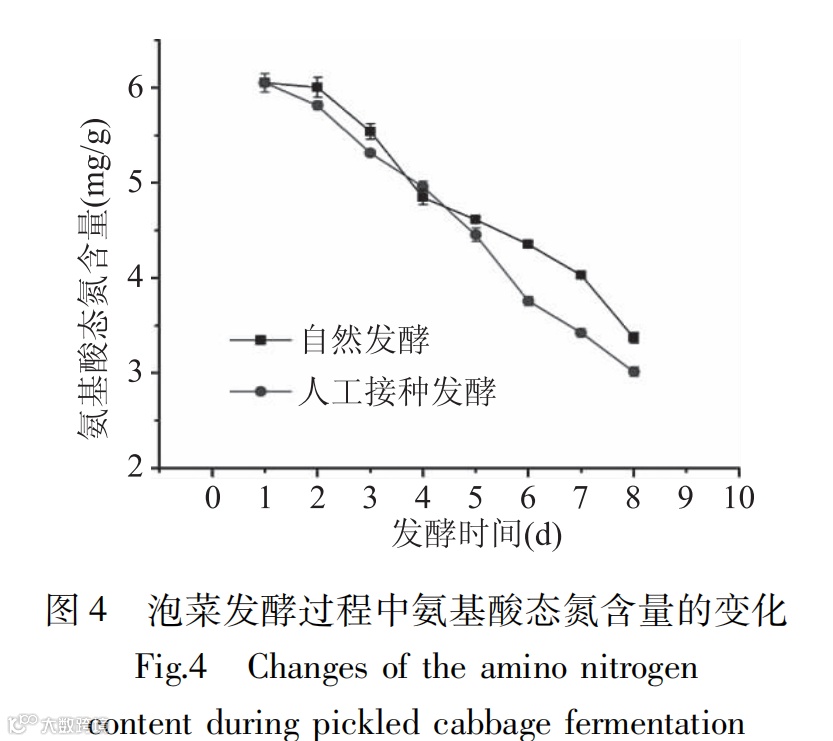
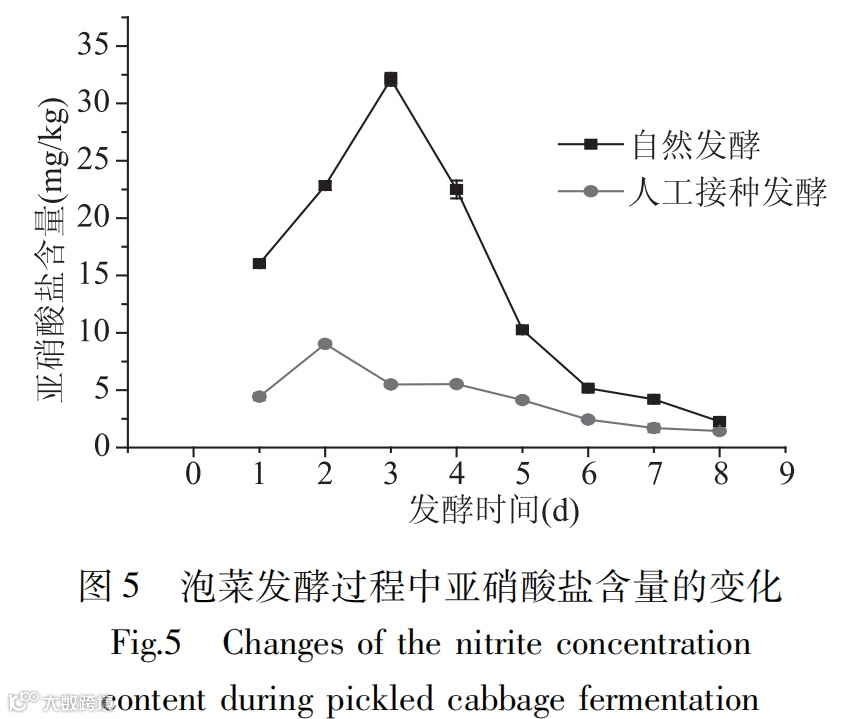
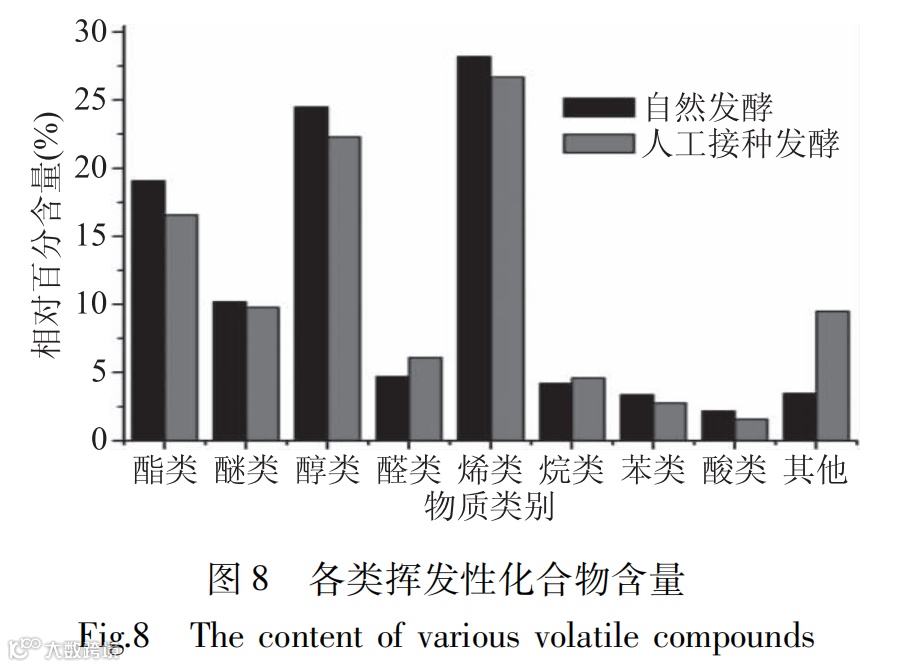
结果:研究结果显示,在整个发酵过程中,无论是自然发酵还是人工接种发酵,泡菜中的还原糖、氨基酸态氮含量均呈现下降趋势。值得注意的是,人工接种发酵的亚硝酸盐峰值显著低于自然发酵,分别为9.03 mg/kg和32.1 mg/kg。同时,两种发酵方式生成的泡菜风味物质主要由烯类、醇类和酯类构成,其中自然发酵产生的风味物质种类更为丰富,但这三类主要风味物质在两种发酵方式中的占比相近,分别为71.8%和65.6%。

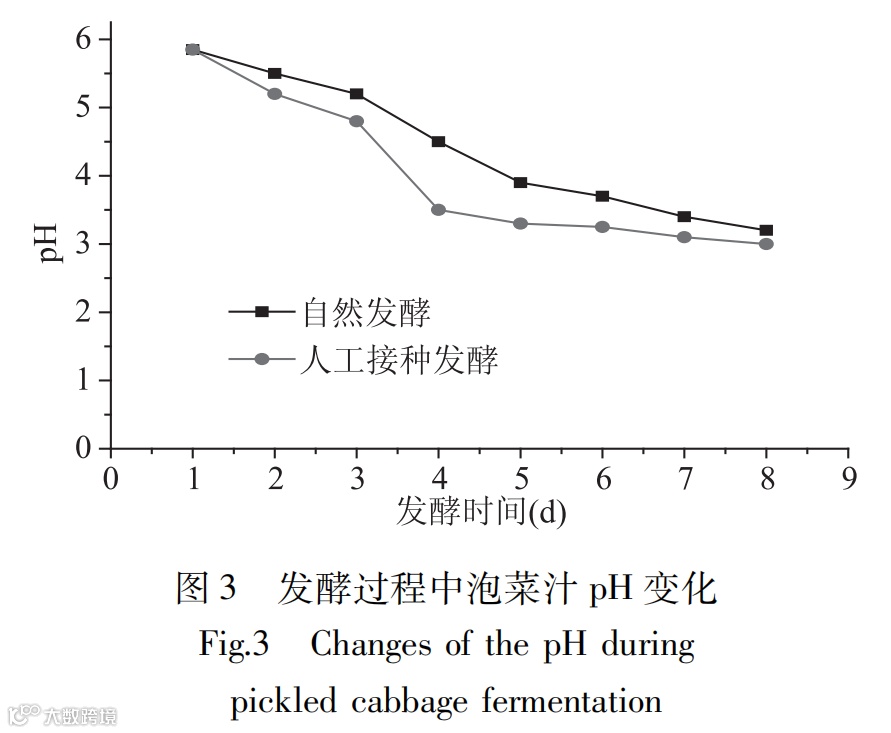
结论:综合分析表明,与自然发酵相比,人工接种发酵能够有效降低泡菜中亚硝酸盐的含量,并缩短发酵周期。尽管自然发酵的泡菜风味物质更为多样,但两种发酵方式所得产品的风味已十分接近。因此,人工接种发酵不仅有助于提升食品安全性,还能保证良好的口感和风味,是一种值得推广的新型发酵技术。未来研究可进一步探索更多适宜的菌种组合,以期获得更佳的发酵效果。

本研究还发现,通过控制发酵条件如温度时间等因素,可以更好地调控泡菜中各种成分的变化,从而实现对最终产品品质的有效管理。此外,对于如何利用现代生物技术手段筛选出更高效、更安全的发酵菌株,也是今后需要重点关注的方向之一。


Abstract


Objective: This study aims to compare the effects of natural fermentation and artificial inoculation fermentation in kimchi production, and to explore the effects of the two fermentation methods on the quality of kimchi. The research focuses on the changes in reducing sugar, total acid, amino acid peptide nitrogen, nitrite content and the differences in volatile flavor substances during the fermentation process, in order to provide a scientific basis for improving the quality of kimchi products. 

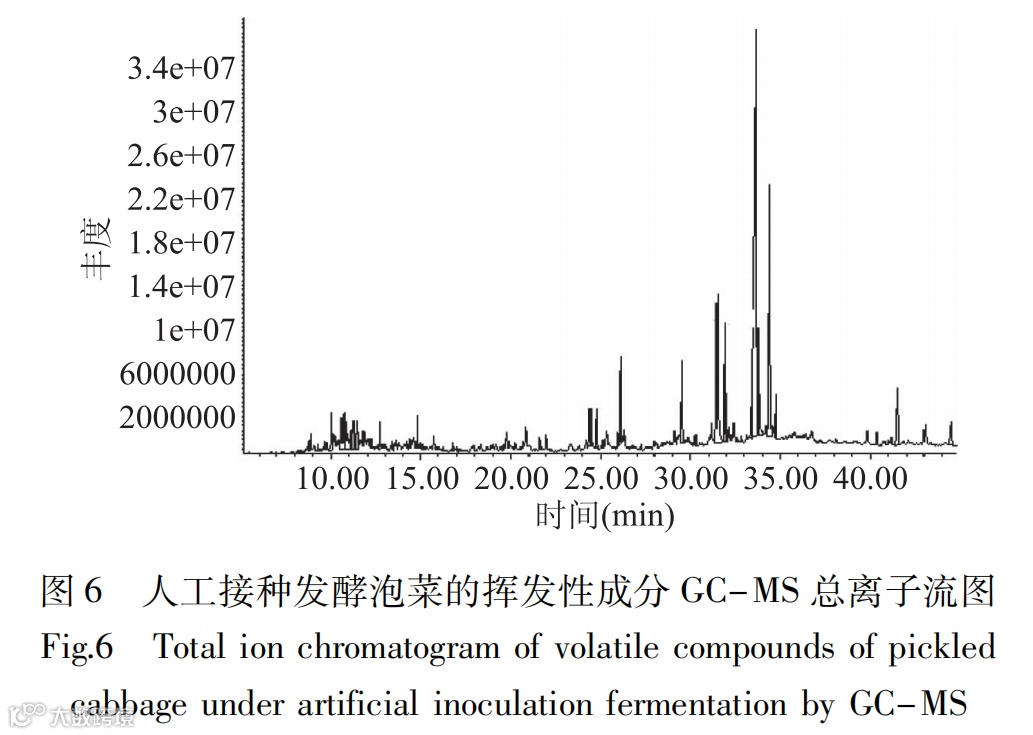
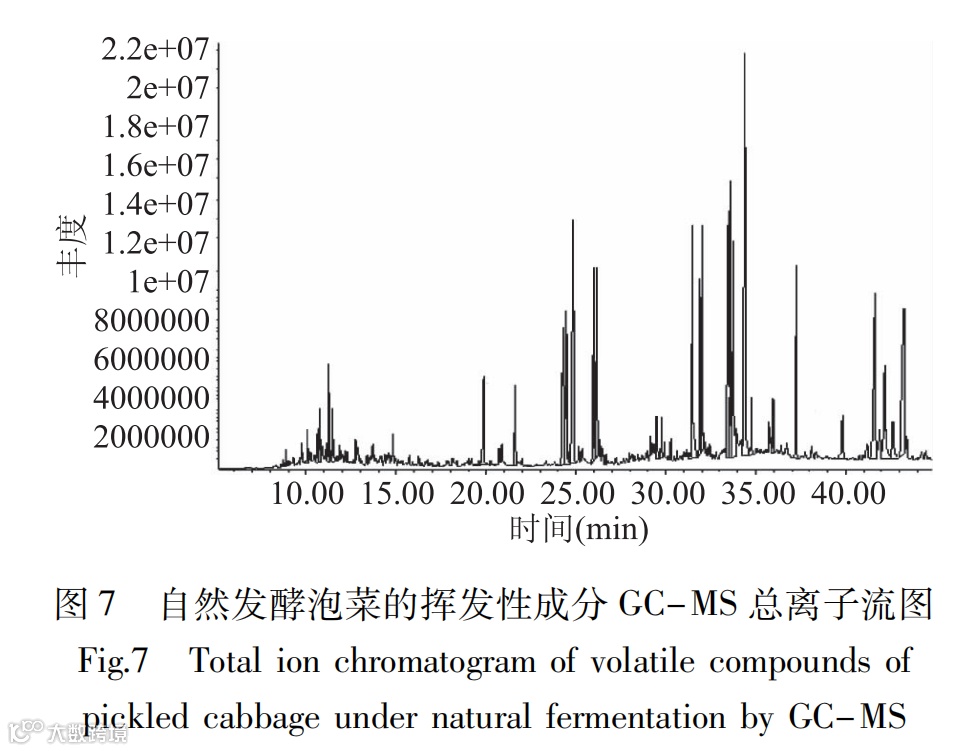
Methods: The experiment selected baby cabbage tails from the summer vegetables of Gansu Plateau as the main raw material, and adopted two different fermentation methods: one was the traditional natural fermentation method, and the other was artificial inoculation fermentation with a specific ratio of mixed strains (Leuconostoc citrinum: Lactobacillus plantarum subsp. plantarum: Lactobacillus brevis = 2:3:1) added to the natural fermentation. The fermentation process was carried out under constant temperature, and samples were taken regularly to determine the reducing sugar, total acid, amino acid peptide nitrogen, nitrite content and volatile components in the samples. Among them, the reducing sugar content was determined by the standard method of GB 5009.7-2016; the total acid content was determined according to the standard of GB/T 12456-2008; the amino acid peptide nitrogen content was determined according to the provisions of GB 5009.235-2016; and the nitrite content was carried out according to the standard of GB 5009.33-2016. In addition, the composition of volatile flavor substances in kimchi was analyzed by gas chromatography-mass spectrometry (GC-MS). 

Results:The results showed that during the entire fermentation process, whether it was natural fermentation or artificial inoculation fermentation, the reducing sugar and amino acid nitrogen contents in kimchi showed a downward trend. It is worth noting that the peak nitrite content of artificial inoculation fermentation was significantly lower than that of natural fermentation, which was 9.03 mg/kg and 32.1 mg/kg respectively. At the same time, the kimchi flavor substances generated by the two fermentation methods are mainly composed of olefins, alcohols and esters, among which the flavor substances produced by natural fermentation are more abundant, but the proportions of these three main flavor substances in the two fermentation methods are similar, 71.8% and 65.6%, respectively.

Conclusion: Comprehensive analysis shows that compared with natural fermentation, artificial inoculation fermentation can effectively reduce the content of nitrite in kimchi and shorten the fermentation cycle. Although the flavor substances of kimchi produced by natural fermentation are more diverse, the flavors of the products obtained by the two fermentation methods are very similar. Therefore, artificial inoculation fermentation not only helps to improve food safety, but also ensures good taste and flavor. It is a new fermentation technology worthy of promotion. Future research can further explore more suitable strain combinations in order to obtain better fermentation effects. 

This study also found that by controlling fermentation conditions such as temperature and time, the changes of various components in kimchi can be better regulated, thereby achieving effective management of the quality of the final product. In addition, how to use modern biotechnology to screen out more efficient and safer fermentation strains is also one of the directions that need to be focused on in the future.


结果与分析


引用本文:陈大鹏, 郑娅, 周芸, 王晓璇, 宋勇强, 史立学. 自然发酵与人工接种发酵法发酵泡菜的品质比较[J]. 食品工业科技, 2019, 40(18): 368-372. DOI: 10.13386/j.issn1002-0306.2019.18.058


Citation: CHEN Da-peng,  ZHENG Ya,  ZHOU Yun,  WANG Xiao-xuan,  SONG Yong-qiang,  SHI Li-xue. Quality Comparison of Pickled Cabbage Fermented by Natural Fermentation and Artificial Inoculation[J]. Science and Technology of Food Industry, 2019, 40(18): 368-372. DOI: 10.13386/j.issn1002-0306.2019.18.058


基金项目:2017年甘肃省农业生态环境保护专项新技术(新设备)研发推广项目。

图片


点击文末“阅读原文”,获取论文全文;

或登录www.spgykj.com阅览全文。

食品科学家论文汇总
(点击专家姓名,查看论文)



孙宝国


陈卫


刘仲华


单杨


谢明勇


廖小军


《食品工业科技》特邀主编专栏征稿


《食品工业科技》客座主编专栏征稿:植物基食品原料基础研究、前沿技术创新及其健康绿色产品开发


《食品工业科技》客座主编专栏征稿:地方特色食品:加工技术、感官品质、风味特性和营养健康


《食品工业科技》特邀主编专栏征稿:“十四五”国家重点研发计划“陕西秦巴山区特色经济作物、果蔬产业关键技术集成与示范”☚


群聊:食品工业科技作者群


我刊正式组建微信作者群,为作者提供更多的学术与论文资讯,如需进群,请联系刘老师(微信:上方二维码,电话:87244117-8062)。



编辑:刘霞
主编:冯媛媛


版权声明

《食品工业科技》具有以上论文在全世界范围内的复制权、发行权、翻译权、汇编权、广播权、表演权、信息网络传播权、转许可权及以上权利的邻接权,且作者已授权期刊同论文著作权保护期。如需转载,可联系《食品工业科技》编辑部010-87244116,或直接在文末撰写转载来源。


食品工业科技官方网站:
http://www.spgykj.com

点亮“在看”,为《食品工业科技》助力

【声明】内容源于网络
0
0
食品工业科技编辑部
《食品工业科技》编辑部与作者、读者的交流平台。《食品工业科技》既是反映当前国内外食品工业技术水平的窗口,又是新技术应用推广的桥梁,面向科研、生产,满足各层次需求。
内容 2790
粉丝 0
食品工业科技编辑部 《食品工业科技》编辑部与作者、读者的交流平台。《食品工业科技》既是反映当前国内外食品工业技术水平的窗口,又是新技术应用推广的桥梁,面向科研、生产,满足各层次需求。
总阅读8.3k
粉丝0
内容2.8k