不同品种小米主要营养成分及氨基酸组分评价

摘要:以10种山西主推品种小米为原料,测定小米中水分、蛋白、脂肪、碳水化合物等营养成分,用超高效液相色谱仪测定氨基酸含量,通过模糊识别法和氨基酸比值系数法,结合全鸡蛋蛋白模式和FAO/WHO模式,对不同品种小米主要营养成分及氨基酸含量分析评价。结果表明:不同品种小米的营养成分含量存在差异,小米蛋白变幅在11.43%~13.72%之间,其中晋谷61号蛋白质含量最高,晋谷21号次之,汾选3号最低。脂肪变幅在3.75%~5.34%之间,其中晋谷54号脂肪含量最高,晋汾107号脂肪含量最低。碳水化合物变幅在81.30%~84.60%之间,其中晋汾107号的碳水化合物含量最高。总氨基酸含量变幅在9.04%~11.34%,水分含量变化范围在10.35%~12.37%。10种小米中富含17种氨基酸,其中必需氨基酸种类齐全,含量丰富,尤其谷氨酸和亮氨酸含量较高。汾选3号有5种氨基酸的RAA及RC在1左右,EAAI为0.80,接近1,表明其为良好蛋白质源,营养价值与利用率较高。晋谷21号鲜味氨基酸含量占比较高,鲜味较浓,更容易受到消费者的欢迎与喜爱。有力解释了汾选3号和晋谷21号能够长期推广的原因,为其更好发展提供了基础理论依据。
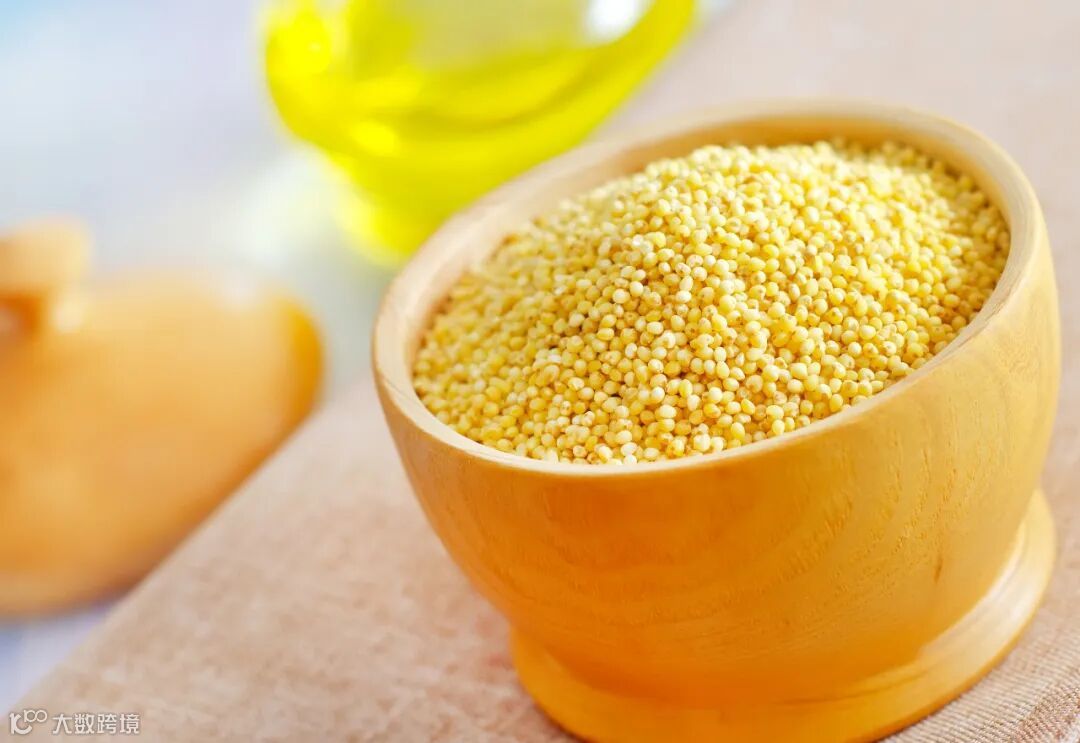
图片来源于图司机

Abstract: The nutrients such as moisture, protein, fat and carbohydrate in millet were determined with ten kinds of Shanxi main varieties of millet as raw materials. The contents of amino acids were determined by liquid chromatography, and the main nutrients and amino acid contents of millet were analyzed and evaluated through the fuzzy recognition method and amino acid ratio coefficient method, as well as the whole egg protein model and the FAO/WHO model. The results showed that there were differences in nutrient content of different varieties of millet. The variation of protein ranged from 11.43% to 13.72%, among them, Jingu 61 had the highest protein content, followed by Jingu 21, and Fenxuan 3 had the lowest protein content. The fat content ranged from 3.75% to 5.34%, with Jingu 54 having the highest fat content and Jinfen 107 having the lowest fat content. The carbohydrate content ranged from 81.30% to 84.60%, among which Jinfen 107 was the highest. The total amino acid content ranged from 9.04% to 11.34%, and the moisture content ranged from 10.35% to 12.37%. The 10 kinds of millet were rich in 17 kinds of amino acids, among which the essential amino acids were abundant, also had high levels of glutamate and leucine. The RAA and RC of five amino acids on the Fenxuan 3 were about one. And the EAAI was 0.80, which was close to one, indicating that it was a good protein source with high nutritional value and utilization. Jingu 21 had high umami amino acids content and strong flavor, it is easier to be welcomed and loved by consumers. It effectively explains the reason why Fenxuan 3 and Jingu 21 can be popularized for a long time, and provides a basic theoretical basis for their better development.
表1 10种小米营养组分分析(%)
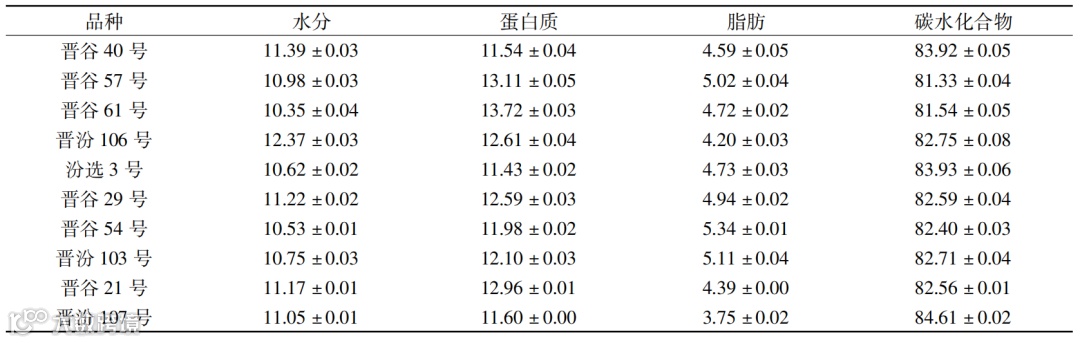
表2 10种小米氨基酸组成分析(%)
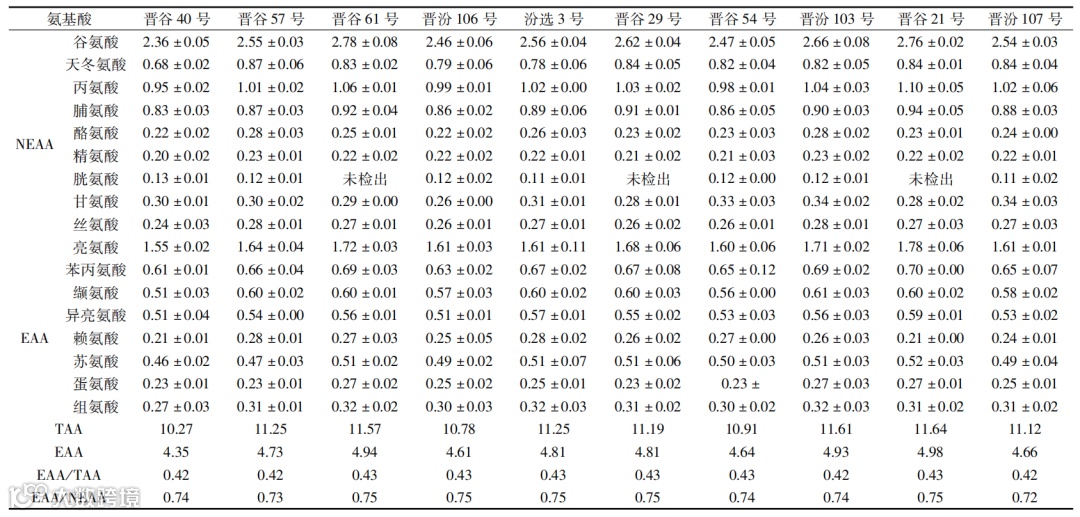
表3 必需氨基酸占总氨基酸含量百分比(%)
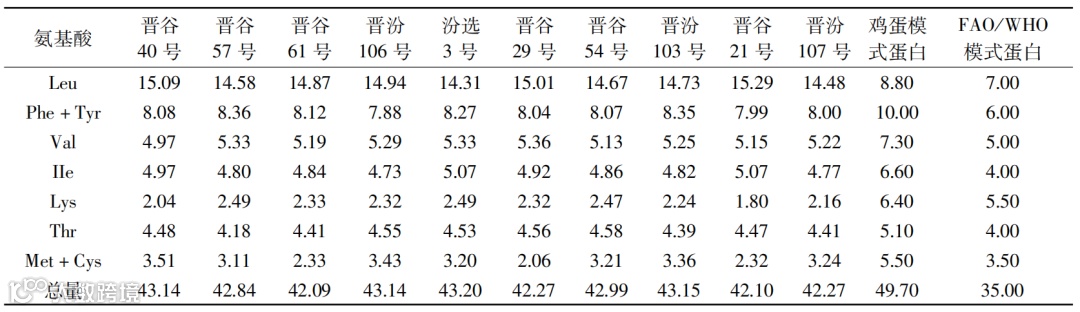
表4 风味氨基酸分析表(%)
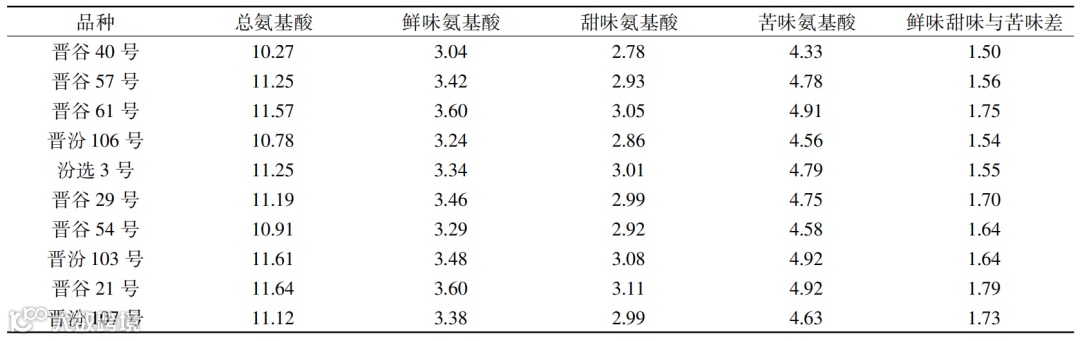
表5 10种小米中的蛋白相对于标准蛋白的贴近度

表6 10种小米必需氨基酸的RAA、RC、SRC、EAAI的比较(全鸡蛋模式)
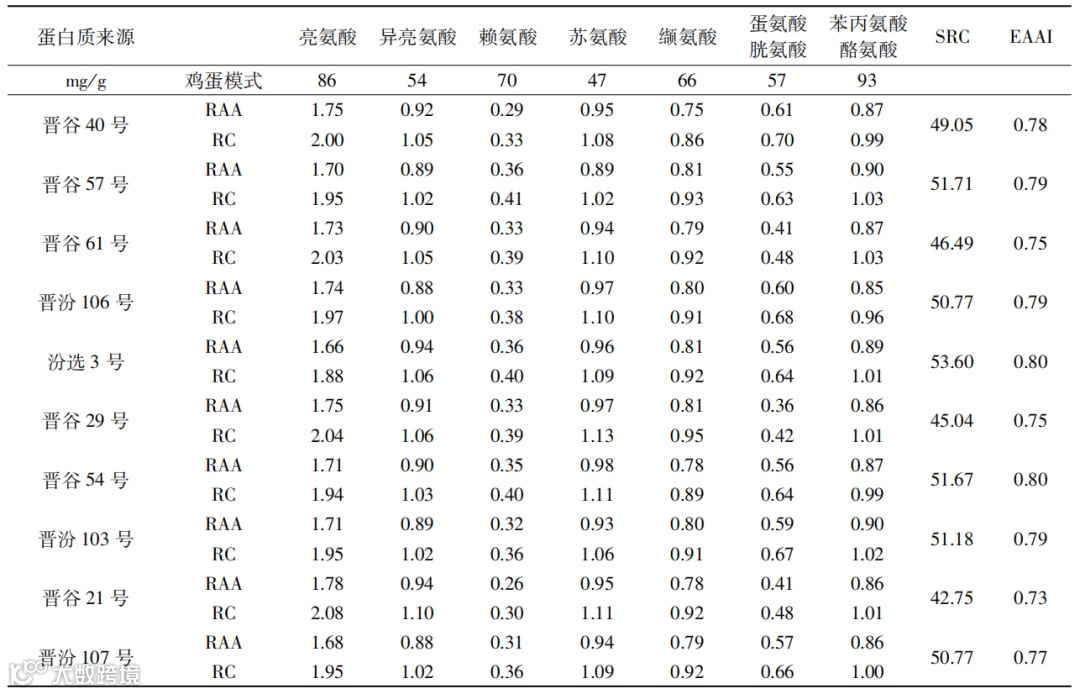
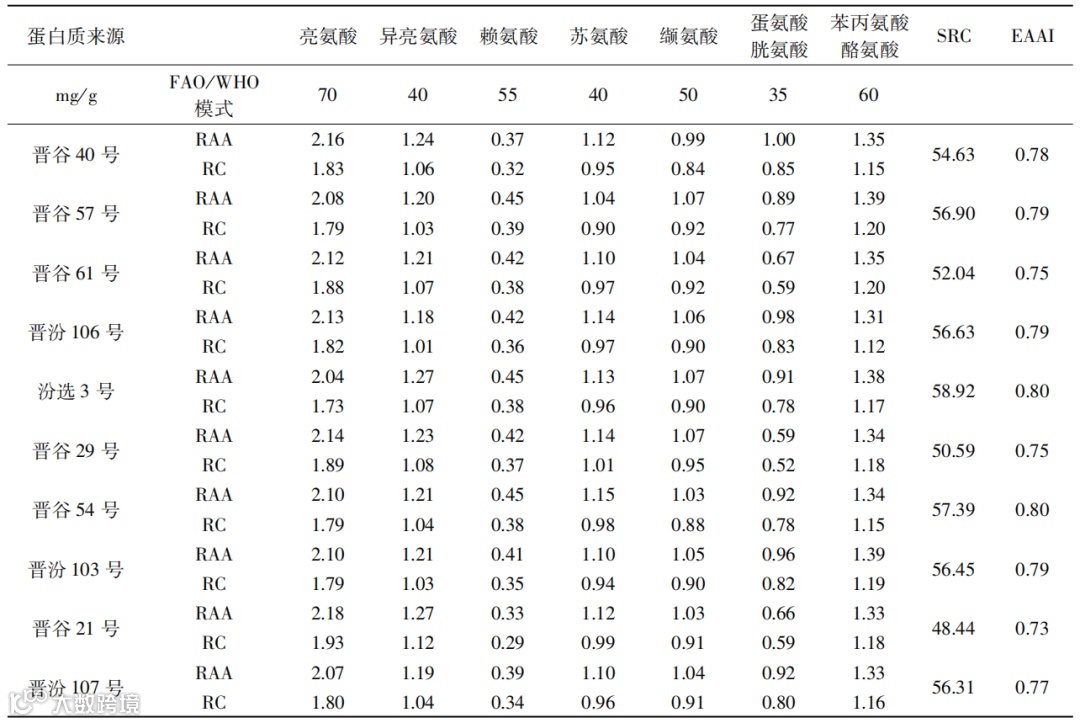
表7 10种小米必需氨基酸的RAA、RC、SRC、EAAI的比较(FAO/WHO模式)
作者简介
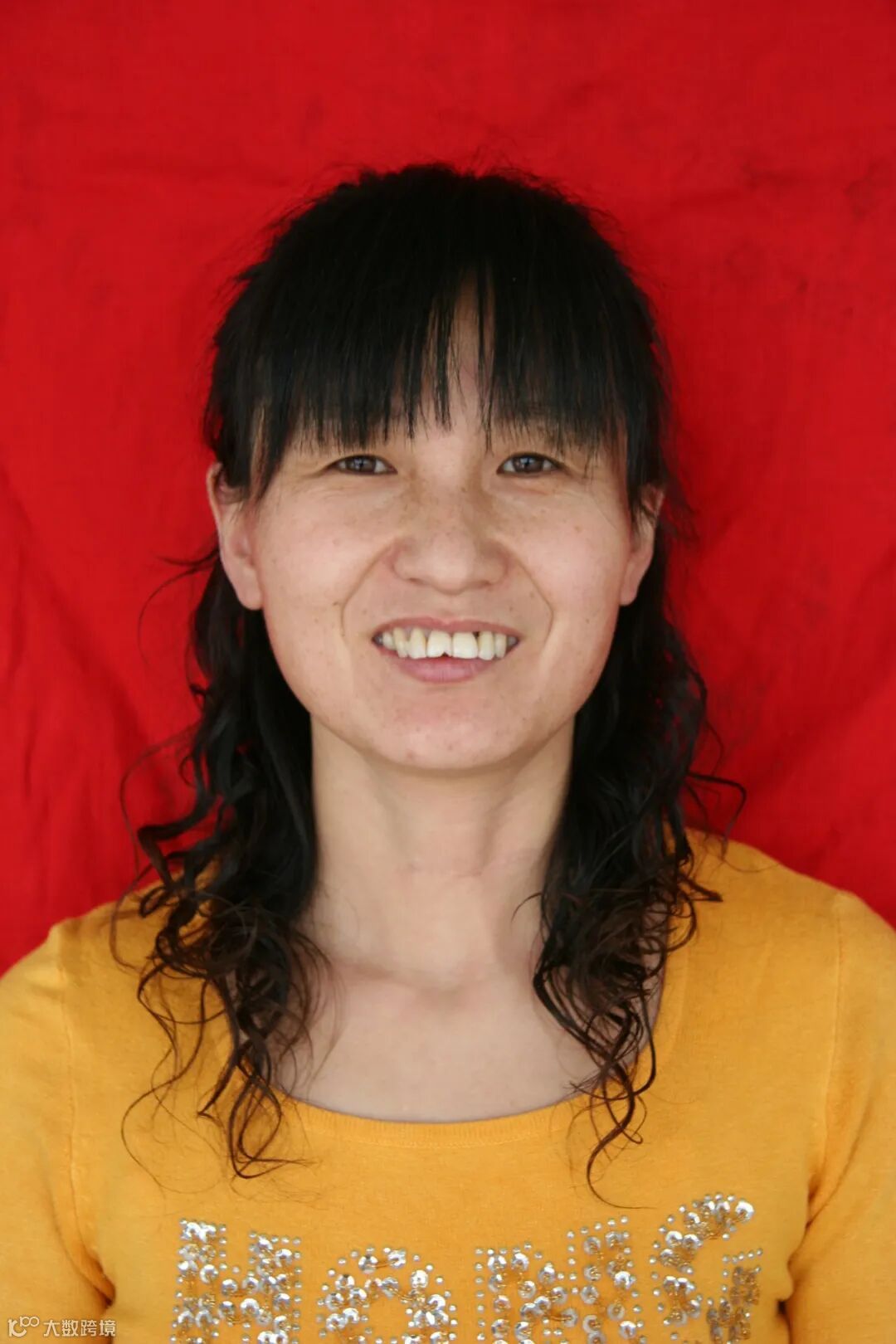
冯耐红
副研究员
冯耐红,女,副研究员,山西农业大学(山西省农业科学院)经济作物研究所,农产品加工研究室主任,国家谷子产业技术体系汾阳综合试验站站长,中国作物学会粟类作物专业委员会委员兼产业经济与加工学组副组长,国家食药同源产业科技创新联盟理事,汾阳市农业科学技术专家组成员,山西省科协科学传播专家,山西省粮油标准化技术委员会小杂粮分技术委员会委员,山西农业大学食品科学与工程学院硕士生导师,山西省谷子体系岗位专家。扎根农业科研第一线,长期服务于山西谷子产业发展。
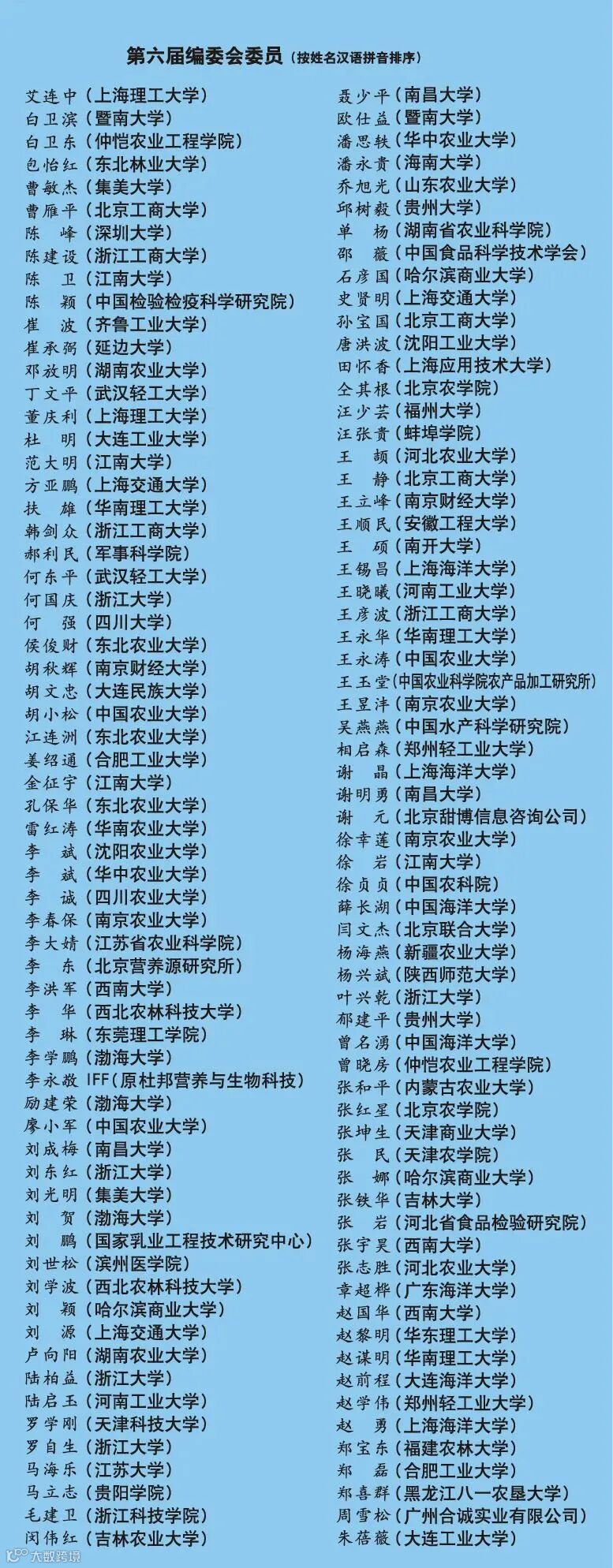
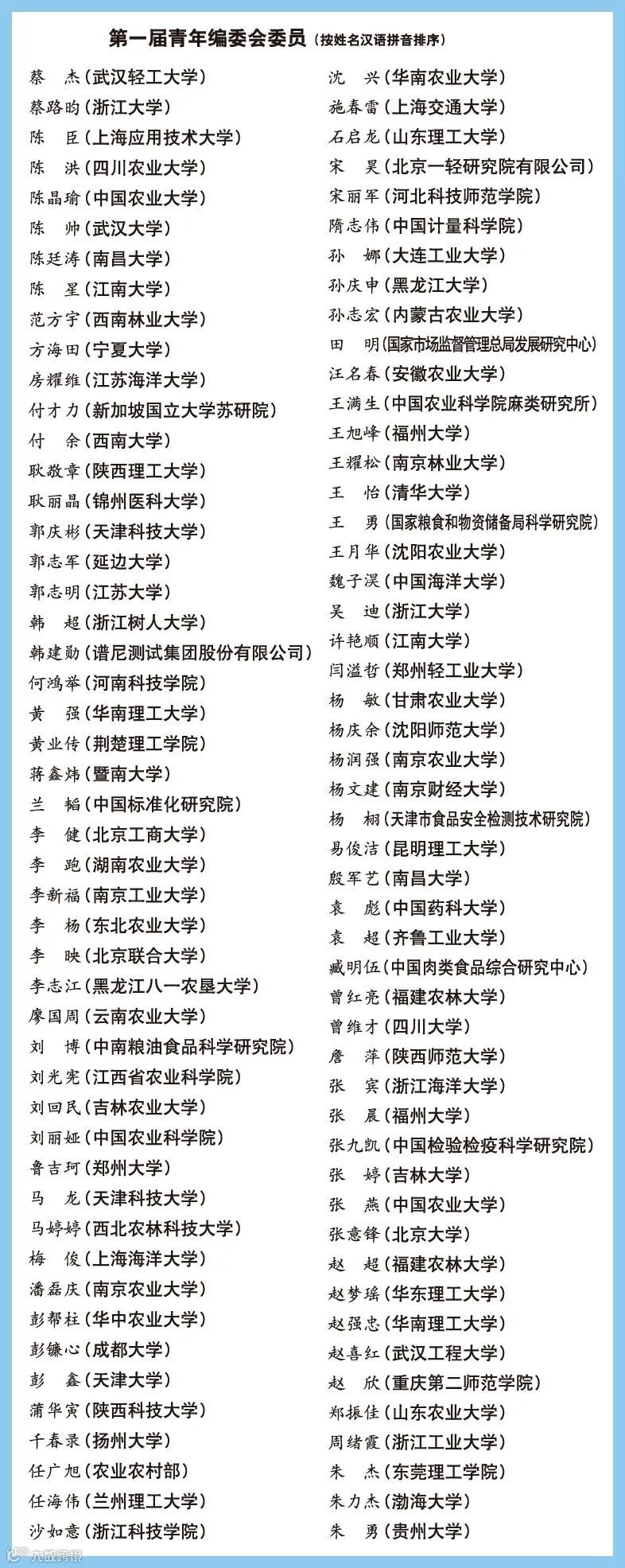
《食品工业科技》特邀主编专栏征稿

版权声明
《食品工业科技》具有以上论文在全世界范围内的复制权、发行权、翻译权、汇编权、广播权、表演权、信息网络传播权、转许可权及以上权利的邻接权,且作者已授权期刊同论文著作权保护期。如需转载,可联系《食品工业科技》编辑部010-87244116,或直接在文末撰写转载来源。