

核能在未来空间探索和减缓气候变化方面发挥着重要作用,然而核反应堆结构和功能材料在中子辐照下的性能下降严重制约了其安全性和经济性。商用核电站的设计寿命一般在40年以上。将材料放入反应堆中测试几十年的时间和经济成本很高,极大限制了抗辐照材料的发展。基于加速器的离子束辐照可以实现高效的材料辐照损伤,因此常被用来研究材料的中子辐照效应。例如,在反应堆内中子辐照下1-2年才能达到1 DPA(注:DPA,displacement per atom,为辐照损伤的单位,表示材料中平均每个原子被打离晶格位置的次数),而使用离子束辐照,不到一个小时就能达到1 DPA。
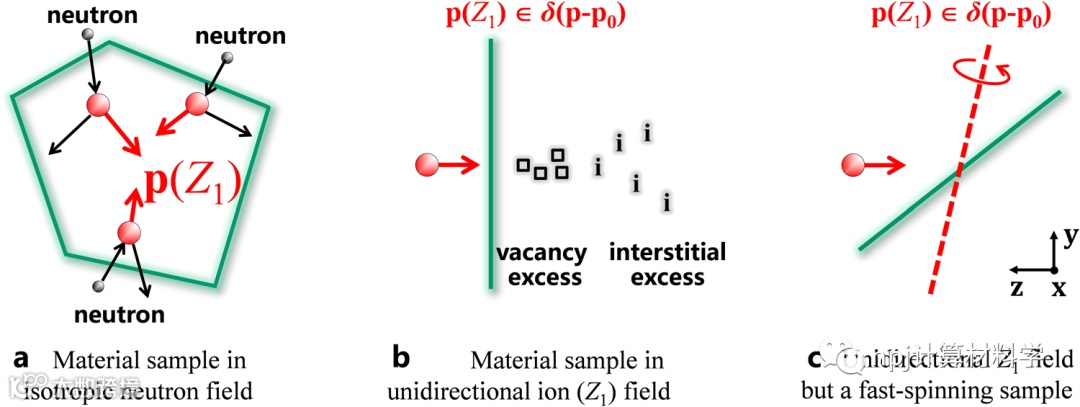
Figure 1. Illustration of the momentum distribution for the first-generationenergetic ions in different context.
然而,基于加速器的离子束辐照效应与反应堆环境下的中子辐照有很大不同,例如离子辐照穿透深度浅、会引入杂质原子,辐照损伤随样品深度的不均匀性等。因此,如何用离子辐照有效模拟中子辐照是领域内的重大难题。其中的一个重要问题,就是如何消除离子辐照的点缺陷失衡(point defect imbalance)效应。来自麻省理工学院(MIT)的李巨(Ju Li)教授,中科院上海应用物理研究所(SINAP)的怀平研究员,及SINAP、MIT和固体物理研究所的研究人员组成的联合研究小组近期在该方向取得突破性进展。
如何理解“点缺陷失衡”呢?辐照会在材料中产生大量的点缺陷,包括空位(vacancy)和间隙原子(interstitial)。通常由中子散射引起的初级碰撞原子的动量(方向)分布是趋于各向同性的(图1a),导致辐照产生的空位和间隙原子的空间分布概率大致相同。然而,来自加速器的高能离子的动量是近乎单一的,导致靶材料中空位和间隙原子的空间分布概率出现差异(图1b)。举个更具体的例子,图2展示离子辐照后材料中点缺陷沿着深度方向的空间分布,其中蓝线是空位分布(CV),红线是间隙原子(CI)。两者的数值上趋于大致相同,然而放大以后可以发现,在较浅的位置,空位略多于间隙原子(即CV > CI);而在较深的位置,空位略少于间隙原子(即CV < CI)。如果定义一个点缺陷净含量(interstitial-vacancy net excess concentration)为p CI - CV,p在空间上不均匀分布的现象即为“点缺陷失衡”。
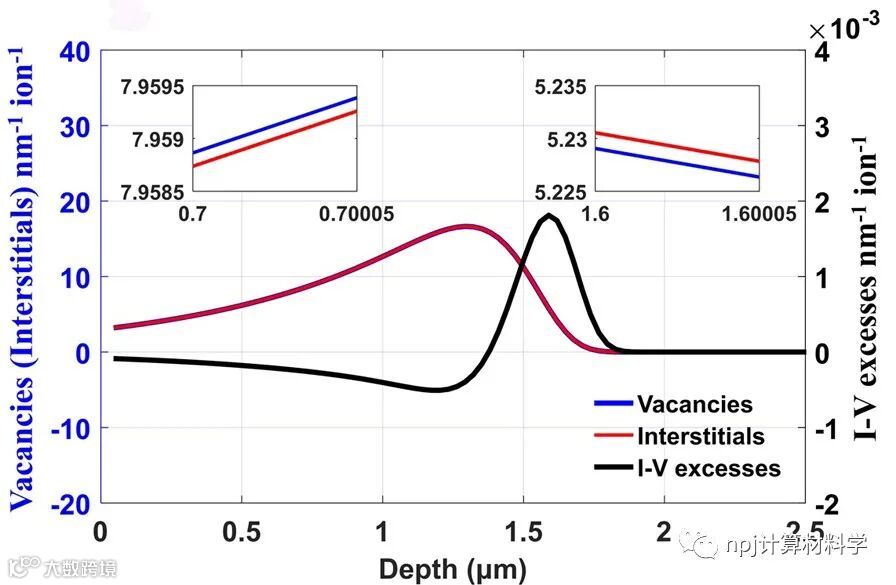
Figure 2. Point defect imbalance for the self-ion irradiationin iron with ion energy of 5 MeV.
该团队通过建立普适的辐照极化理论(Radiation Polarization Theory, RPT),对辐照产生的点缺陷失衡进行了更精准的描述,首次提出辐照损伤其实是向量而不是标量。基于该理论,他们设计了精确的样品旋转方法(Sample Spinning Strategy, SSS)来优化离子束辐照带来的点缺陷失衡效应,从而消除离子束辐照的点缺陷失衡或损伤极化效应,使得离子束辐照能产生更接近中子辐照的材料损伤(图1c和图3)。
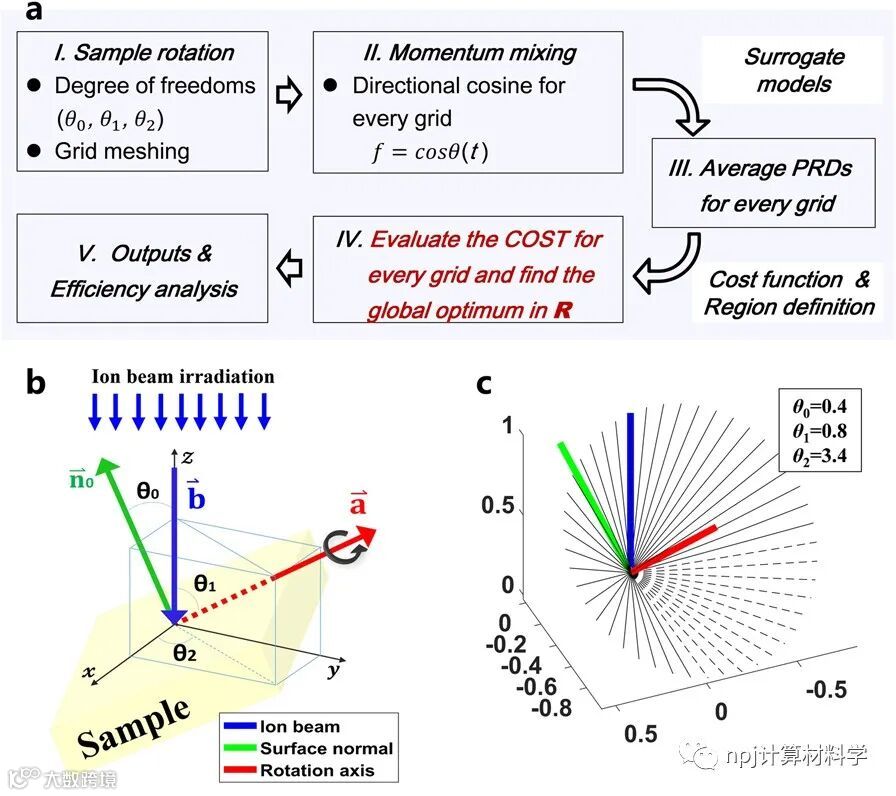
Figure3. SSS framework.
RPT理论将辐照比做“外场”,用以理解靶材料在辐照后点缺陷的迁移分布及在不同辐照环境(中子辐照和离子辐照)中的响应。在SSS框架下(图3),通过精确设计样品的倾斜角和旋转轴(类似于核磁共振里面的“魔角旋转”),在样品较为宏观的区域内优化离子束辐照带来的点缺陷失衡效应,并且在该区域内获得较为均匀的缺陷(DPA)分布(图4)。据此,在该辐照区域内,由于点缺陷失衡和DPA分布不均匀性带来的材料宏观构性变化,例如辐照肿胀抑制以及元素偏析等,会大幅度降低。
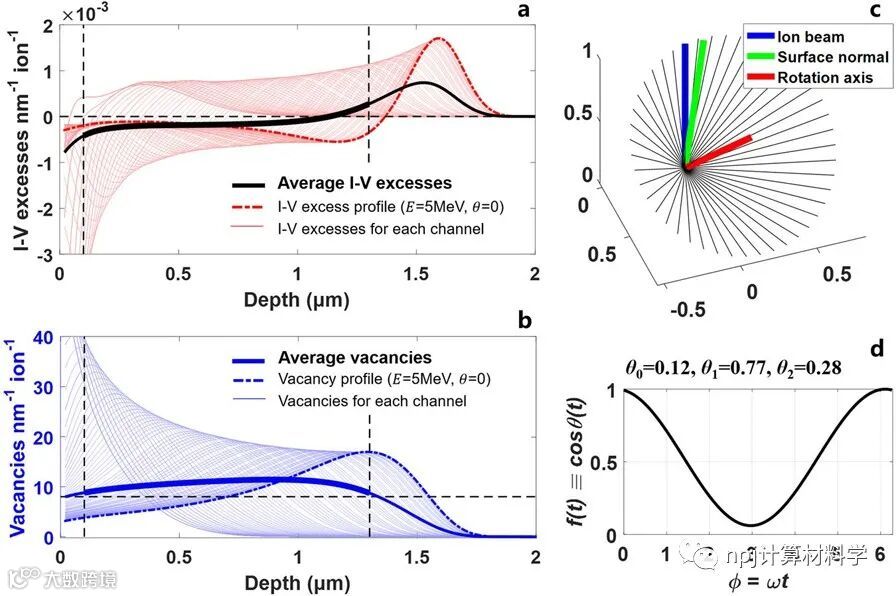
Figure 4. Minimization ofdefect imbalance through SSS.
论文作者以金属铁的自离子束辐照为例对SSS理论进行分析验证。作为SSS的关键输入,材料的初级辐照损伤(Primary radiation damages, PRDs, 如空位、间隙原子等)可采用蒙特卡洛程序IM3D(或SRIM)计算获取。数据集具有噪声大、非线性、多维度等特点。作者采用机器学习方法对数据集进行分析和降噪,获得辐照缺陷随入射深度和动量分布的精确模型(图5)。该工作提出的快速旋转样品的设计原则上是实验可行的,可以最大限度地优化离子束辐照带来的点缺陷失衡和DPA分布不均匀现象,为人们更有效地利用基于加速器的离子束辐照技术以及推进耐中子辐照材料研究奠定了理论基础。
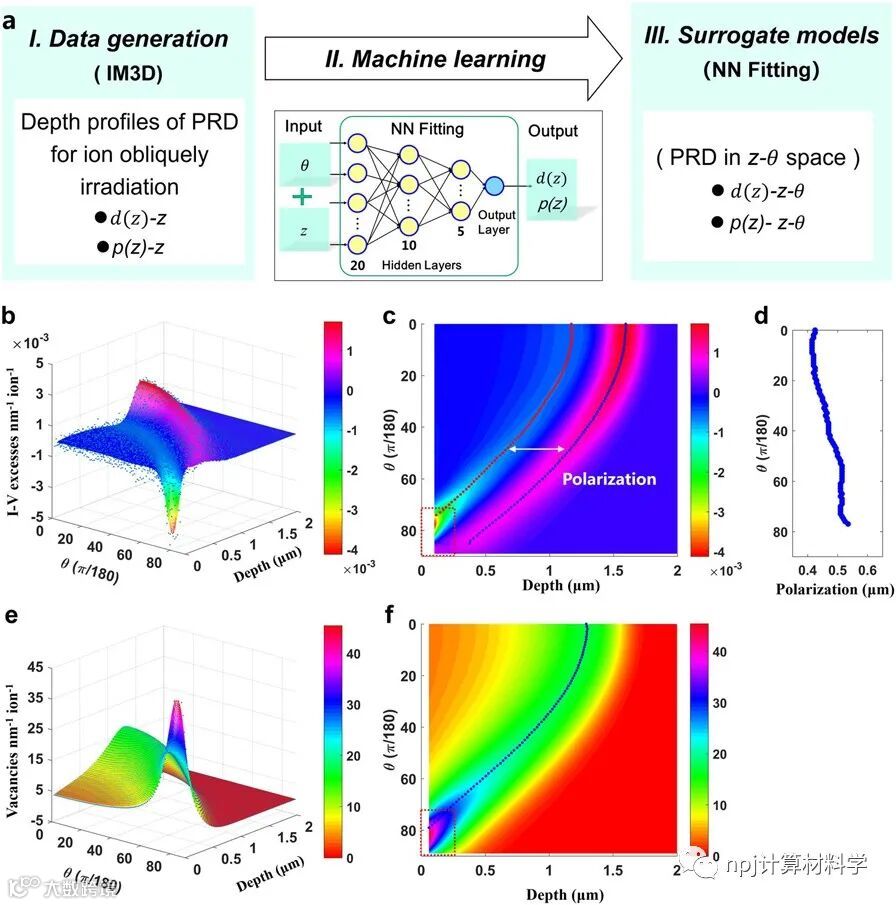
Figure 5. Machine learning based surrogate modelsof primary radiation damages as inputs of SSS.
Editorial Summary
Defect polarization in ion-beam irradiation:How to mitigate it?
Nuclearenergy plays an important role in future space exploration and mitigatingclimate change. The degradation of structural and functional materials underneutron irradiation in nuclear reactors has highly limited their safety andeconomy. The design-life for a nuclear reactor is usually more than 40 years.The verification of whether a material could survive under such long-termradiation exposure is very costly and time-consuming by performing neutron irradiationexperiments, which has significantly impeded the development of moreradiation-tolerant structural materials that could enable better nuclear powerplants.
Awell-used proxy for neutron radiation is heavy ion irradiation to mimic the effectof reactor conditions, because heavy ions creates lattice displacements morequickly (~1–100 displacements per atom (DPA) per day) than neutrons (usually ~1DPA per year in thermal-neutron test reactor). However, accelerator-basedion-beam irradiation generally differs from reactor conditions critically inthat the momentum of first-generation energetic ions scatted by neutrons in areactor is more isotropic (Fig. 1a), while that of energetic ions from anaccelerator is usually highly monodisperse (Fig. 1b), leading to a spatialdefect imbalance in target materials (also denoted as “excessive polarizationartifact”). Taking a typical ion-beam irradiation for example (Fig. 2), thedepth distribution of vacancies (CV) and interstitials (CI)for the self-ion irradiation in iron, drawn in blue and red lines respectively,seem identical to each other at the scale of ion projected range. It shows fromthe enlarged profiles that the vacancy concentration is slightly larger thanthe interstitial one at the depth region shallower than the damage peak (CV> CI). Vice versa, the vacancy concentration is lower thanthe interstitial one at the depth region deeper than the damage peak (CI> CV). Such separation in the spatial distribution can be definedas the point defect imbalance.
Aco-research team from Shanghai Institute of Applied Physics (SINAP),Massachusetts Institute of Technology (MIT) and Institute of Solid StatePhysics, led by Prof. Ju Li at MIT and Prof. Ping Huai at SINAP, hasestablished a general radiation polarization theory (RPT) and a precise samplespinning strategy (SSS, see Fig. 3) to mitigate the defect imbalance effect inion-beam irradiation. It is proposed for the first time that irradiation damageis actually a vector rather than a scalar by RPT. The RPT can be used tounderstand the natural material responses under neutron irradiation and the possibilityto correct the extreme “polarization artifact” in ion-beam irradiation. Througha precise design on the surface inclination angle and axis of sample rotationin the framework of SSS (akin to the magic angle spinning in nuclear magneticresonance), one can see that in the designated region with almost no defectimbalance, and nearly flat DPA rate in the same region can be achieved.Artifacts such as swelling suppression and strong chemical element segregationalong the ion-projected range would be expected to be minimized.
Theself-ion irradiation in iron is selected as a model system to evaluate theefficiency of SSS. One of the critical inputs for SSS is the precise model ofthe primary radiation damages (PRDs) in depth-momentum space estimated by theMonte Carlo code IM3D (or SRIM), which are noisy and non-linear in ahigh-dimensional space. Thus, Machine Learning method was adopted to reduce theerror of the dataset, which showed to be highly efficient and accurate inpredicting PRDs with limited amount of data (Fig. 4). Such an experimentallyfeasible design (fast-rotate sample) to minimize the defect imbalance anddamage-nonuniformity artifacts in ion-beam irradiation is a significant steptoward developing procedures in effectively using accelerator-based ion-beamirradiation as surrogate of reactor-condition irradiation and promoting thefurther development of more radiation-tolerant materials. This article wasrecently published in npj Computational Materials 6:189 (2020).
原文Abstract及其翻译
Sample spinning to mitigate polarization artifact and interstitial-vacancy imbalance in ion-beam irradiation (样品旋转消除离子束辐照的损伤极化和缺陷失衡效应)
Cui-Lan Ren, Yang Yang, Yong-Gang Li, Ping Huai, Zhi-Yuan Zhu &Ju Li
Abstract Accelerator-based ion-beam irradiation has been widely used to mimic the effects of neutron radiation damage in nuclear reactors. However, ion radiation is most often monodisperse in the incoming ions’ momentum direction, leading to excessive polarization in defect distribution, while the scattering under neutron irradiation is often more isotropic and has less radiation-induced polarization. Mitigation of the excess-polarization as well as the damage non-uniformity artifact might be crucial for making the simulation of neutron radiation by ion-beam radiation more realistic. In this work, a general radiation polarization theory in treating radiation as external polar stimuli is established to understand the natural material responses in different contexts, and the possibility to correct the defect polarization artifact in ion-beam irradiation. Inspired by Magic Angle Spinning in Nuclear Magnetic Resonance, we present a precise sample spinning strategy to reduce the point-defect imbalance effect in ion-beam irradiation. It can be seen that with optimized surface inclination angle and the axis of sample rotation, the vacancy-interstitial population imbalance, as well as the damage profile non-uniformity in a designated region in the target are both reduced. It is estimated that sample spinning frequency on the order of kHz should be sufficient to scramble the ion momentum monodispersity for commonly taken ion fluxes and dose rates, which is experimentally feasible.
摘要 基于加速器技术的离子束辐照已被广泛应用于研究材料在核反应堆环境下的中子辐照损伤。然而,离子束辐照环境下,入射离子的动量(方向)是单一的,导致材料中点缺陷失衡(点缺陷净含量如空位、间隙原子在空间上分布概率有差异,是辐照的矢量效应,又称作“极化效应”),而中子辐照环境下,被散射的初级碰撞原子的动量是趋于各向同性的,导致材料中产生的点缺陷(空位和间隙原子)的空间分布概率大致相同。因此,抑制材料中点缺陷的“极化”和点缺陷失衡现象可以使得离子束辐照更真实地模拟中子辐照损伤。在本工作中,我们建立了辐照极化理论(RPT),该理论将辐照视为“外场”,用于理解材料对中子/离子辐照环境的不同响应,进而阐明如何优化离子束辐照中的点缺陷失衡现象。受现代核磁共振技术中“魔角旋转”的启发,我们提出了一种精确的样品旋转方法(SSS),用以优化离子束辐照带来的点缺陷失衡效应。通过优化样品的表面倾角和旋转轴,在样品指定的区域内(~μm)优化点缺陷失衡效应以及辐照损伤随入射深度的不均匀效应。通过估计,对目前离子束辐照常用剂量率(~10-4dpa/s),样品旋转频率在kHz量级可以有效地分散入射离子动量分布,这在实验上是可行的。
本文来源:

免责声明:本文旨在传递更多科研资讯及分享,所有其他媒、网来源均注明出处,如涉及版权问题,请作者第一时间后台联系,我们将协调进行处理(按照法规支付稿费或立即删除),所有来稿文责自负,两江仅作分享平台。转载请注明出处,如原创内容转载需授权,请联系下方微信号。