

来源:npj计算材料学
“加工-结构-特征-性能(Processing-structure-property-performance)”是材料科学与工程的四大关键要素。对于这四个要素,物质结构或现象的空间或时间尺度差异很大。例如,结构信息的范围可以涵盖详细的原子坐标、物质相在微尺度的空间分布(微观结构)、碎片连通性(中尺度)、以及各种图像和图谱。这导致材料科学研究高度复杂,在各部分之间建立联系是一项具有挑战性的任务。近年来,由于实验设备自动化的快速发展以及超级计算机的进步,可公开获取的材料数据的规模呈指数级增长。这种爆发式增长的数据亟需自动化的数据处理技术,深度学习(DL)技术恰好可以帮我们解决这个问题。由于近些年材料科学的DL技术发展迅速,我们急需一个综述来涵盖该领域的最近研究。
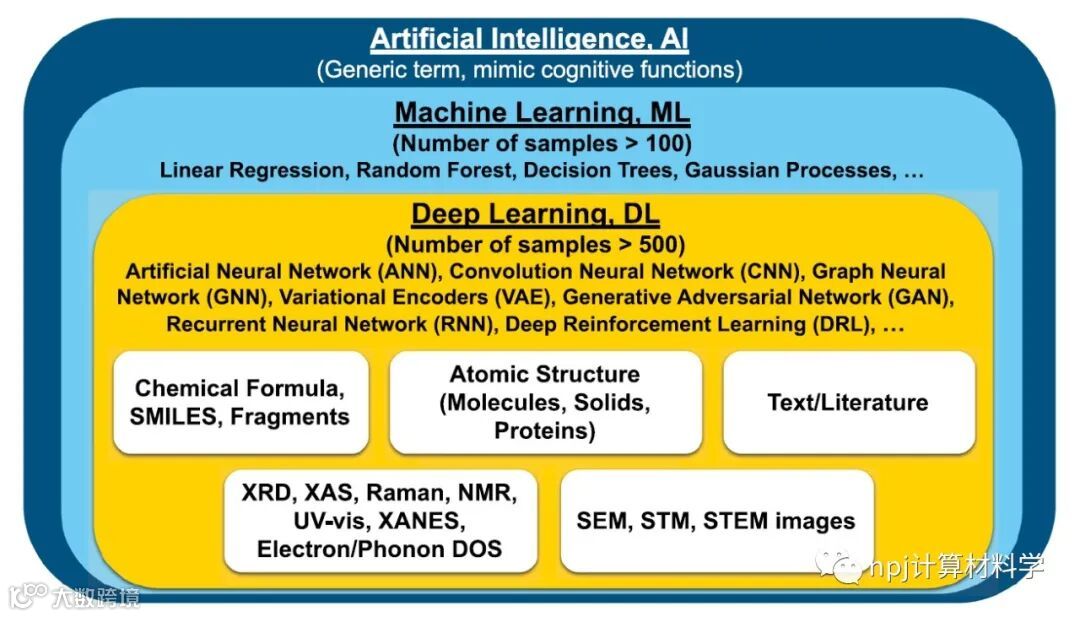
Fig. 1 Schematic showing an overview of artificial intelligence (AI), machine learning (ML), and deep learning (DL) methods and its applications in materials science and engineering.
近日,来自美国国家标准与技术研究院的Kamal Choudhary团队讨论了DL方法中的基本原理,重点介绍了DL应用于材料科学的最新进展中的主要趋势,并且提供了一个可更新的公开github库以囊括最新的DL工具及数据库。
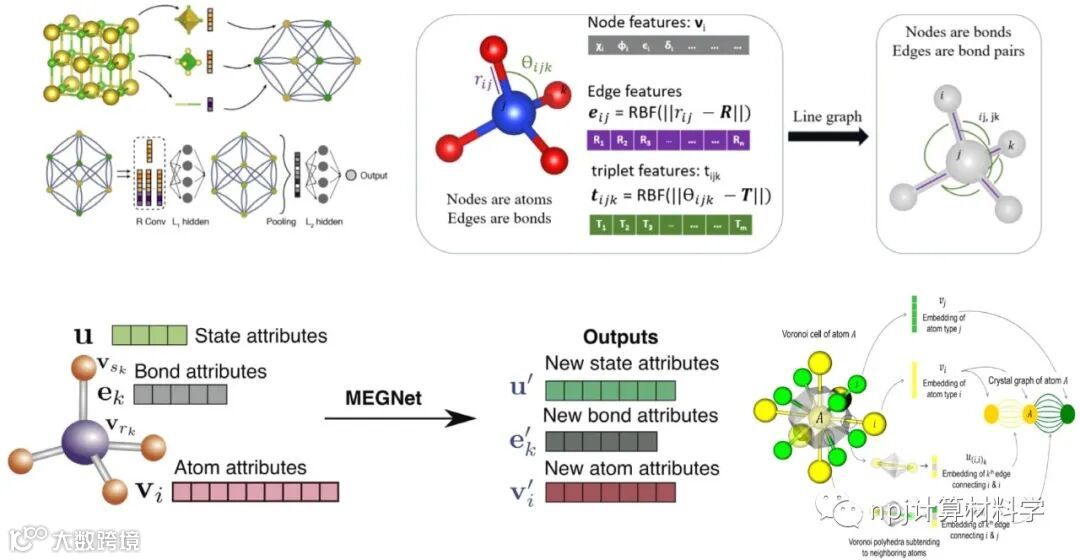
该综述不仅高度概括了深度学习方法,还简要介绍了DL领域一些重要方法的基本概念,列举了很多DL在材料科学领域的最新应用进展,总结了DL的局限性和现阶段面临的挑战。这项综述工作对深度学习技术及材料科学的发展具有重要的参考价值与指导意义。该文近期发布于npj Computational Materials8: 59 (2022)。手机阅读原文,请点击本文底部左下角“阅读原文”,进入后亦可下载全文PDF文件。
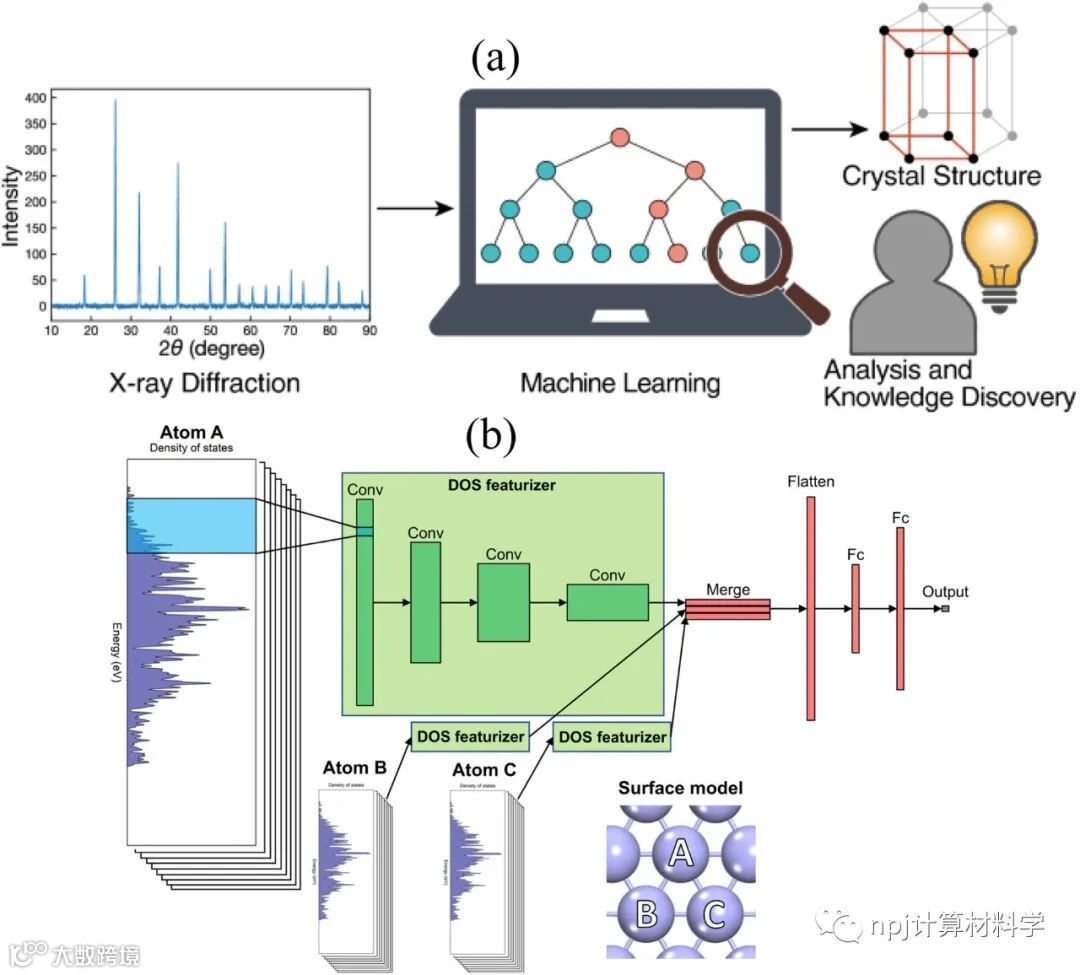
Fig. 3 Example applications of deep learning for spectral data.
Editorial Summary
Overview of Deep Learning Methods: Impact on Materials Science
“Processing-structure-property-performance” are four key elements in Materials Science and Engineering. The length and time scales of material structures and phenomena vary significantly among these four elements. For instance, structural information can range from detailed knowledge of atomic coordinates of elements to the microscale spatial distribution of phases (microstructure), to fragment connectivity (mesoscale), to images and spectra. This results in high-complexity of materials science research. Establishing linkages between the above components becomes a challenging task. Due to rapid growth in automation in experimental equipment and immense expansion of computational resources, the size of public materials datasets has seen exponential growth. Such an outburst of data requires automated analysis which can be facilitated by machine learning (ML) techniques. As DL for material science has been rapidly developed, a progress overview to cover the explosion of research in this field is desired.
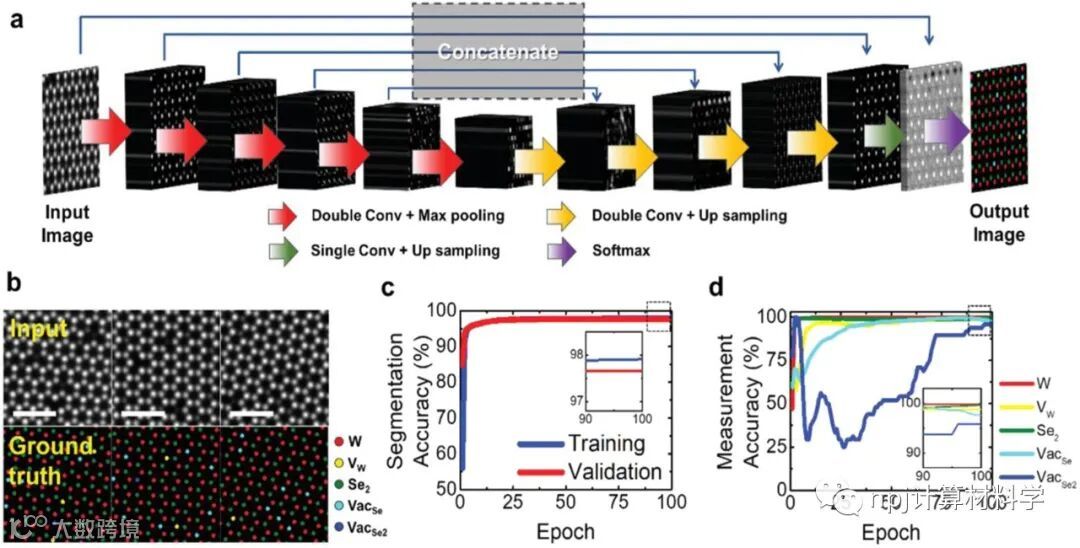
Fig. 4 Deep-learning-based algorithm for atomic site classification.
A team led by Kamal Choudhary from the National Institute of Standards and Technology, USA, discussed the basic principles in DL methods and highlighted major trends among the recent advances in DL applications for materials science. They also provided a github repository that can be updated as new resources, which are made publicly available to summarize tools and datasets for DFig. 4 Deep-learning-based algorithm for atomic site classification.L applications in materials science. This review not only introduced the basic concepts of DL methods, but also presented recent cross-cutting work related to uncertainty quantification in this field and a brief perspective on limitations, challenges, and potential growth areas for DL methods in materials science. This review work has important implications for the development of deep learning technology and material science. This article was recently published in npj Computational Materials 8: 59 (2022).
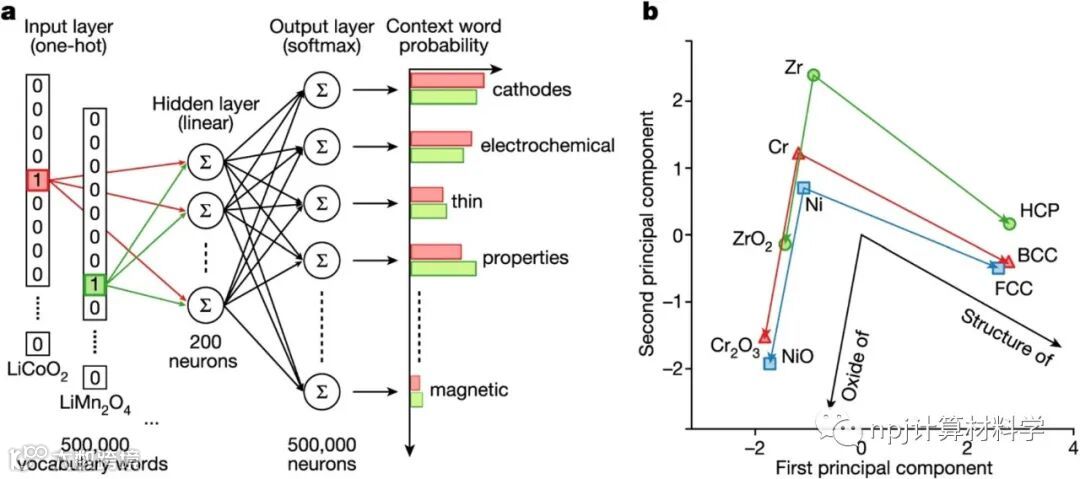
Fig. 5 A schematic showing the application of skip-gram variation of Word2vec for predicting context words.
原文Abstract及其翻译
Recent advances and applications of deep learning methods in materials science (深度学习方法在材料科学中的最新进展和应用)
Kamal Choudhary, Brian DeCost, Chi Chen, Anubhav Jain, Francesca Tavazza, Ryan Cohn, Cheol Woo Park, Alok Choudhary, Ankit Agrawal, Simon J. L. Billinge, Elizabeth Holm, Shyue Ping Ong & Chris Wolverton
Abstract Deep learning (DL) is one of the fastest-growing topics in materials data science, with rapidly emerging applications spanning atomistic, image-based, spectral, and textual data modalities. DL allows analysis of unstructured data and automated identification of features. The recent development of large materials databases has fueled the application of DL methods in atomistic prediction in particular. In contrast, advances in image and spectral data have largely leveraged synthetic data enabled by high-quality forward models as well as by generative unsupervised DL methods. In this article, we present a high-level overview of deep learning methods followed by a detailed discussion of recent developments of deep learning in atomistic simulation, materials imaging, spectral analysis, and natural language processing. For each modality we discuss applications involving both theoretical and experimental data, typical modeling approaches with their strengths and limitations, and relevant publicly available software and datasets. We conclude the review with a discussion of recent cross-cutting work related to uncertainty quantification in this field and a brief perspective on limitations, challenges, and potential growth areas for DL methods in materials science.
免责声明:本文旨在传递更多科研资讯及分享,所有其他媒、网来源均注明出处,如涉及版权问题,请作者第一时间后台联系,我们将协调进行处理,所有来稿文责自负,两江仅作分享平台。转载请注明出处,如原创内容转载需授权,请联系下方微信号。