


人工智能和机器学习算法越来越多地应用于材料表征中。其中,深度学习方法已被证明在涉及显微镜的各种计算机视觉问题(包括分类和分割问题)中优于经典算法。利用监督机器学习测量晶体和半晶体样品的布拉格盘位置和底层应变场,被认为是衍射盘强度到底层结构因子的像素级映射。
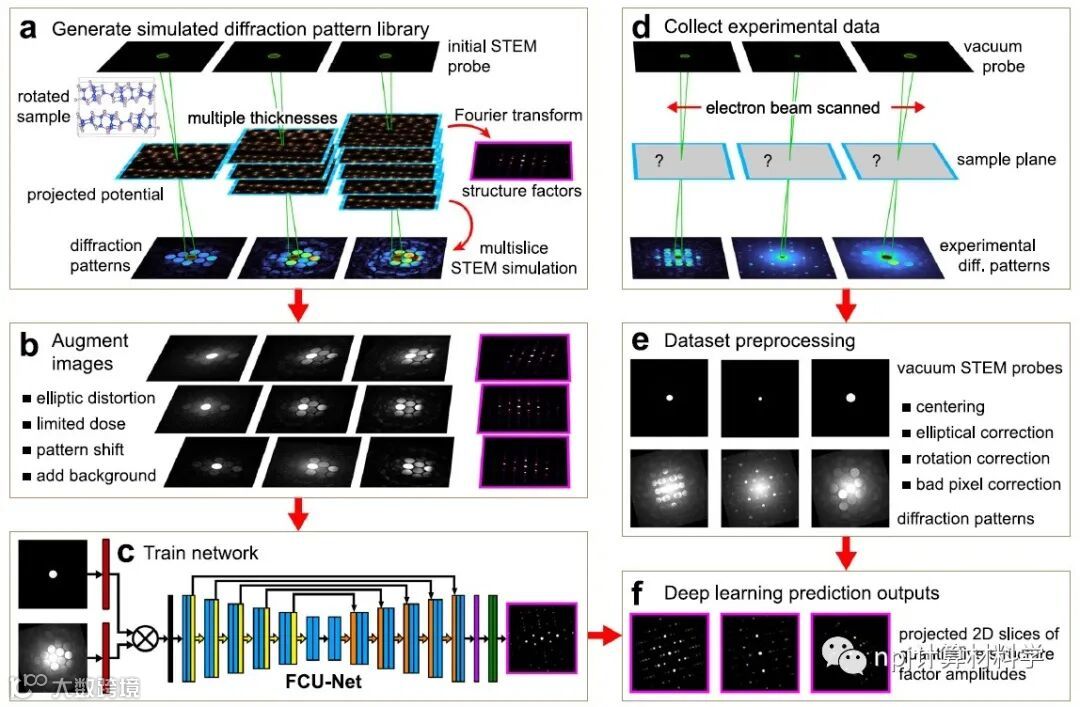
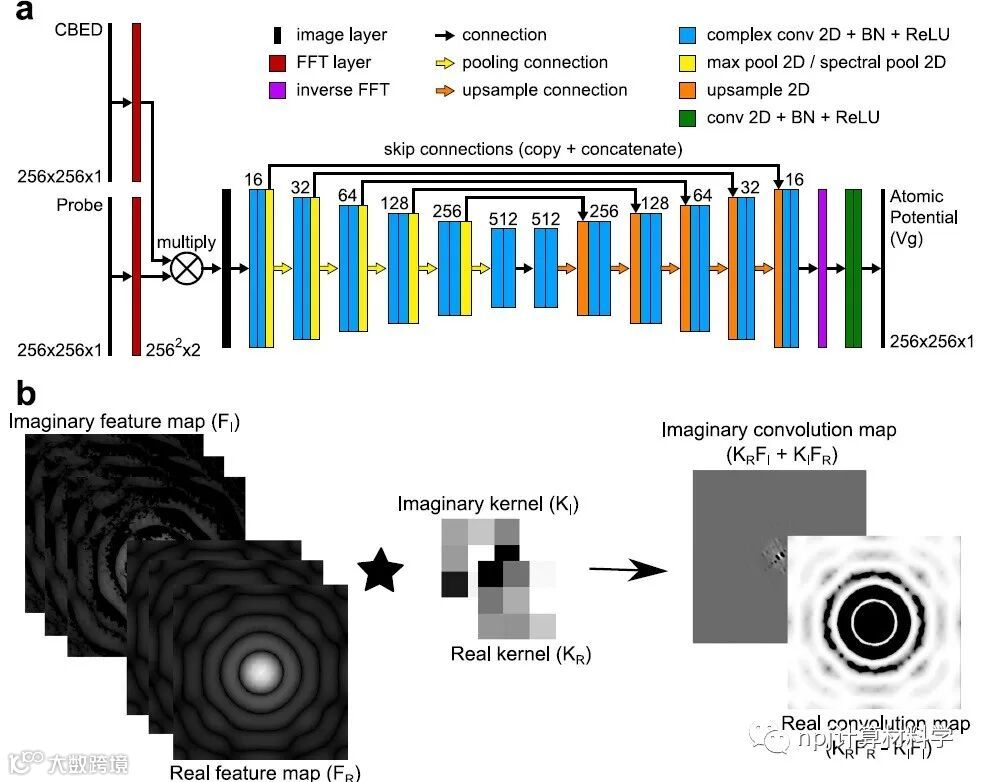
U-Net是布拉格圆盘测量问题的一个明智的选择,但它使用了传统的二维卷积层作为网络构建块,这便带来这样一个问题:对于相同的样本,改变显微镜参数(例如探头半角)可以显着提高测得的衍射图像。我们需要一种方法将这些不断变化的实验参数编码作为信号,但这在原始的U-Net架构中是不可能实现的。
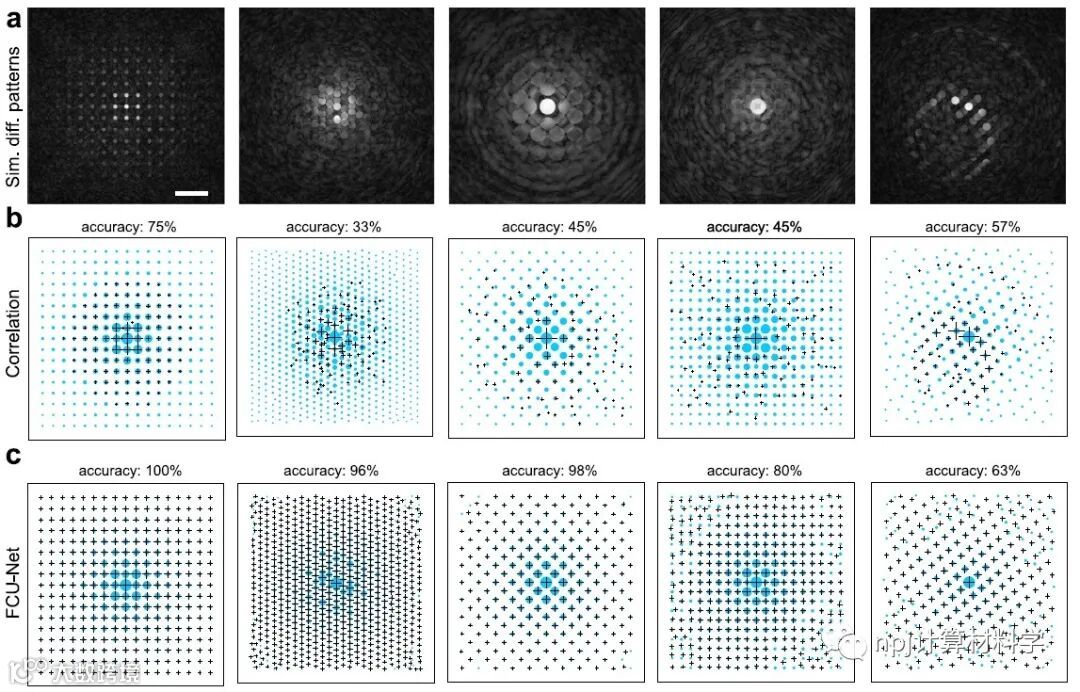
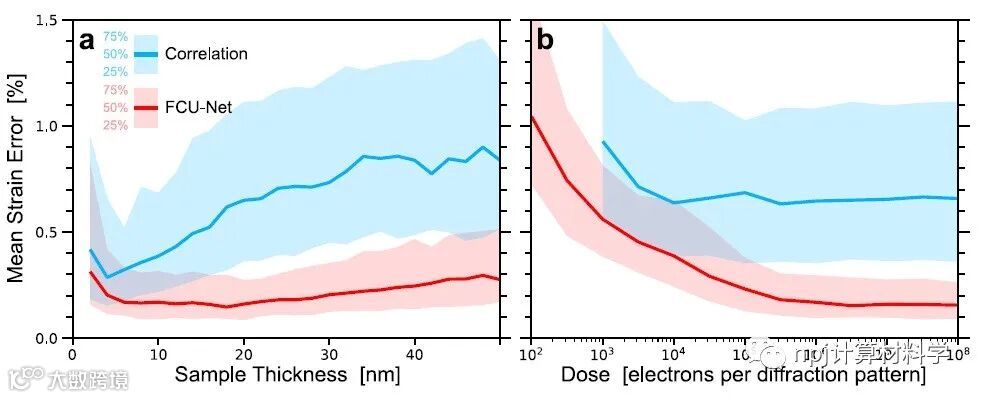
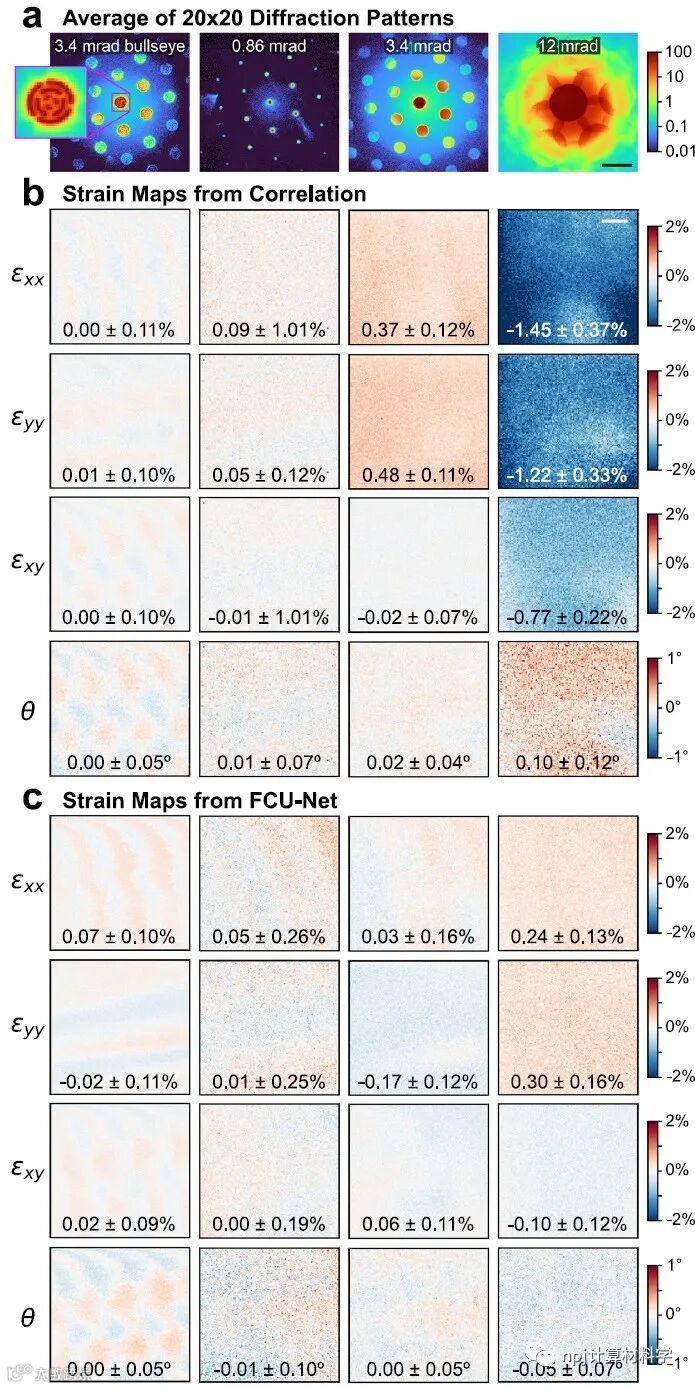
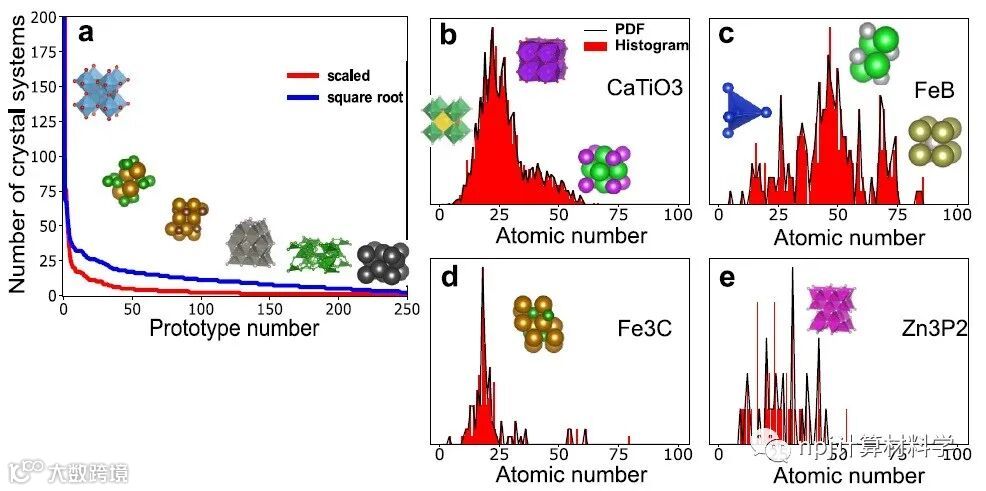
来自美国阿贡国家实验室纳米材料中心的Joydeep Munshi等,开发了一个深度学习网络(FCU-Net),可以学习从测量的衍射模式强度到材料的潜在结构因子的映射。作者训练了20多万个独特的模拟衍射图案数据集,其厚度从2 nm到50 nm不等,跨越1000多个不同的晶体体系,包括许多方向和显微镜参数。以模拟数据的基本结构因子为基准,他们比较了FCU-Net与传统模板匹配方法的准确性。他们发现,FCU-Net的布拉格圆盘位置测量结果比传统的模板匹配方法更加准确。
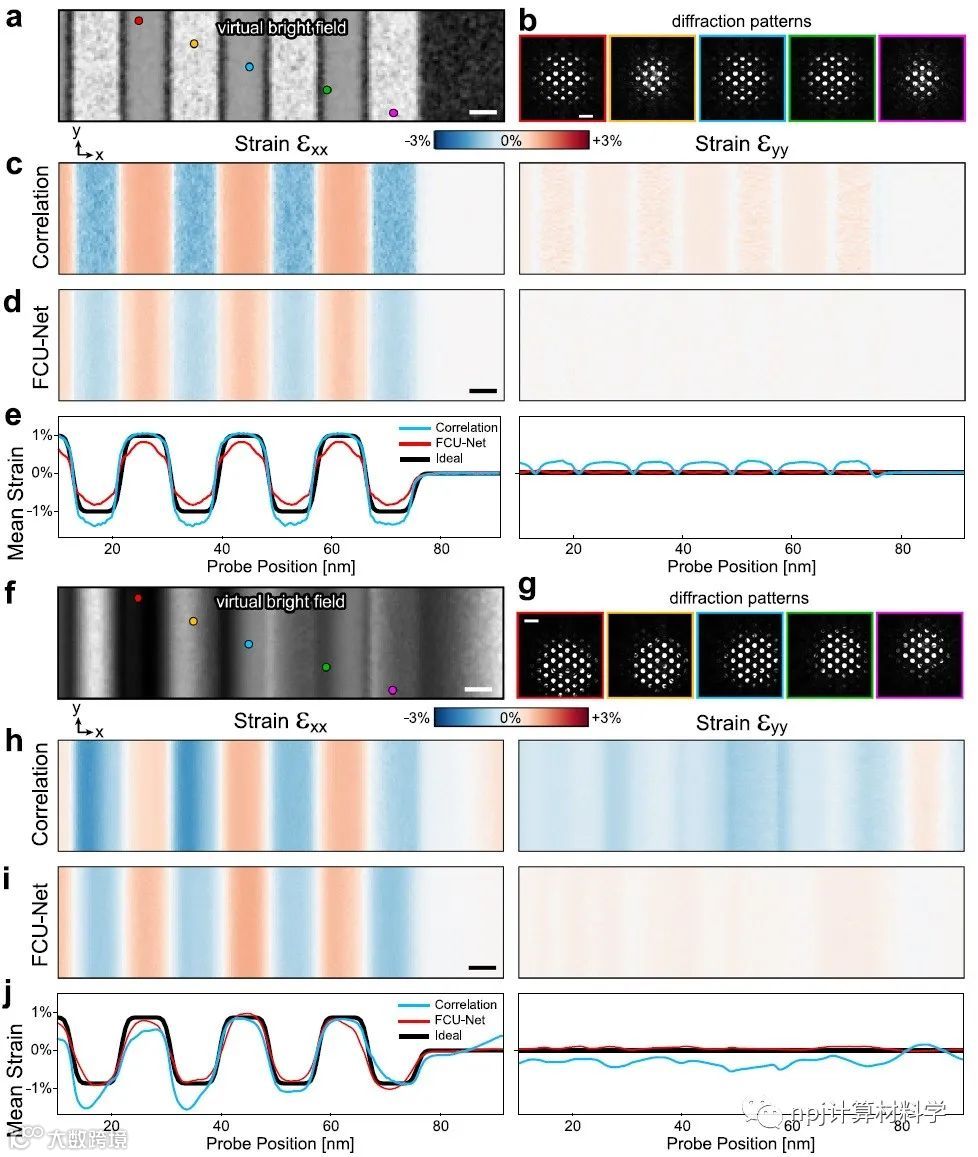
FCU-Net 具有快速自动化的管道,对未经训练的材料和显微镜参数都可以很好的测量,并且对由实验误差和背景噪声引起的影响更稳健。目前,他们已将FCU-Net 集成到开源4D-STEM分析库中(py4DSTEM),可以免费访问和使用,包括用于后续分析测量结构因子的配套工具。该文近期发布于npj Computational Materials 8: 254 (2022)。
Editorial Summary
Artificial intelligence and machine learning (AI/ML) algorithms are increasingly being implemented in materials characterization, including in electron microscopy. Deep-learning approaches have been demonstrated to outperform classical algorithms in variety of computer vision problems in microscopy including classification and segmentation problems. Bragg disk position and the underlying strain field measurement of crystalline and semi-crystalline samples, leveraging supervised machine learning, can be considered as pixel-wise mapping of diffracted disk intensities to the underlying structure factors.
However, while the U-Net seems to be a prudent choice for the Bragg disk measurement problem, using traditional 2D convolutional layers for the network building blocks poses a challenge: for identical samples, changing microscope parameters, such as the probe semiangle, can substantially change the measured diffraction images. A method to encode these changing experimental parameters into the signal inversion is needed, but it is not possible in the original U-Net architecture.
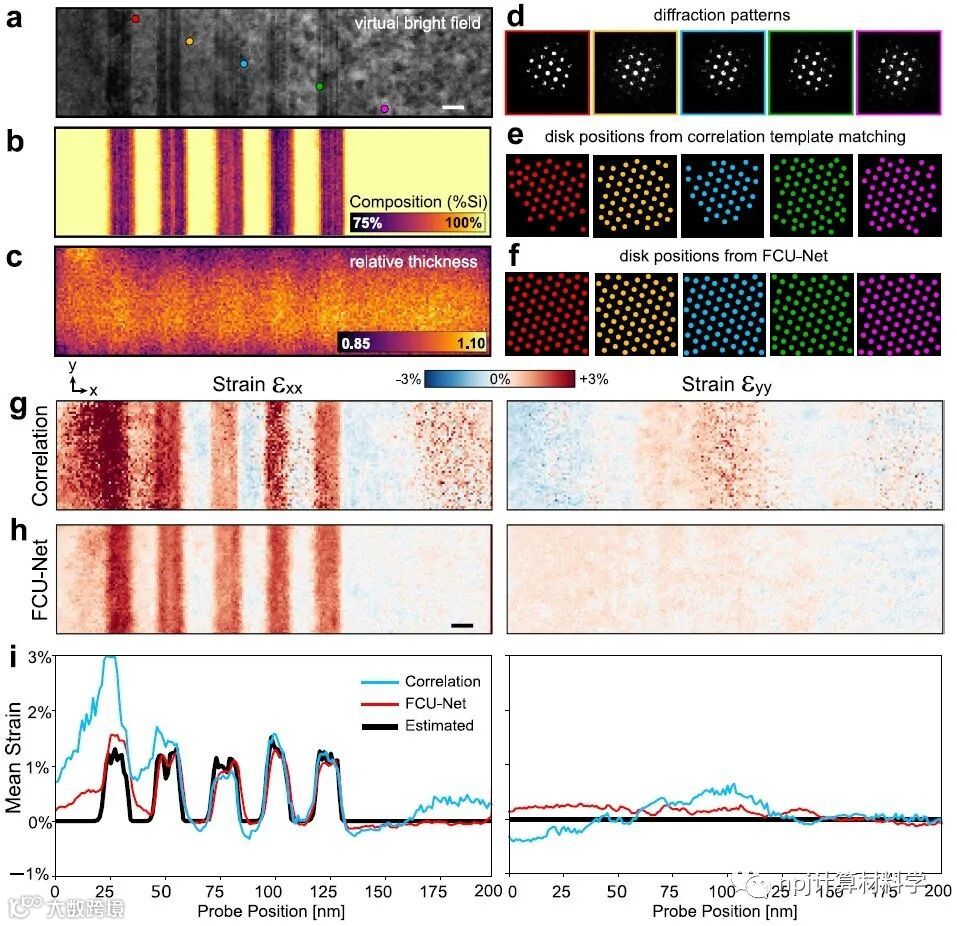
Joydeep Munshi et al. from the Center for Nanoscale Materials, Argonne National Laboratory, developed a deep-learning network (FCU-Net) for inverting highly nonlinear electron diffraction patterns into the corresponding quantitative structure factor images. The authors trained over 200,000 unique, simulated diffraction patterns with thicknesses ranging from 2 to 50 nm thick, covering more than 1000 distinct crystal systems over many orientations and microscope parameters. They compared the accuracy of the FCU-Net outputs to the approach of cross-correlation template matching, benchmarking against the ground truth structure factors for simulated data. They found that the resulting Bragg disk position predictions from the FCU-Net network are substantially more accurate than a conventional template matching correlation method.
The FCU-Net pipeline is fast, highly automated, performant on materials and microscope parameters on which it has not been trained, and is robust against both experimental error and background noise. They have integrated FCU-Net into the open-source 4D-STEM analysis python library py4DSTEM, providing free access and use of the network, and a complementary suite of tools for subsequent analysis of the measured structure factors, to the electron microscopy community. This article was recently published in npj Computational Materials 8: 254 (2022).
原文Abstract及其翻译
Disentangling multiple scattering with deep learning: application to strain mapping from electron diffraction patterns (用深度学习分离多重散射:应用于电子衍射模式的应变映射)
Joydeep Munshi, Alexander Rakowski, Benjamin H. Savitzky, Steven E. Zeltmann, Jim Ciston, Matthew Henderson, Shreyas Cholia, Andrew M. Minor, Maria K. Y. Chan & Colin Ophus
Abstract A fast, robust pipeline for strain mapping of crystalline materials is important for many technological applications. Scanning electron nanodiffraction allows us to calculate strain maps with high accuracy and spatial resolutions, but this technique is limited when the electron beam undergoes multiple scattering. Deep-learning methods have the potential to invert these complex signals, but require a large number of training examples. We implement a Fourier space, complex-valued deep-neural network, FCU-Net, to invert highly nonlinear electron diffraction patterns into the corresponding quantitative structure factor images. FCU-Net was trained using over 200,000 unique simulated dynamical diffraction patterns from different combinations of crystal structures, orientations, thicknesses, and microscope parameters, which are augmented with experimental artifacts. We evaluated FCU-Net against simulated and experimental datasets, where it substantially outperforms conventional analysis methods. Our code, models, and training library are open-source and may be adapted to different diffraction measurement problems.
摘要应用于晶体材料应变映射的快速、稳健的管道对于许多技术应用非常重要。扫描电子纳米衍射让我们能够高精度和空间分辨率地计算应变图,但当电子束经历多次散射时,该技术受到限制。深度学习方法有可能反转这些复杂信号,但需要大量的训练样本。我们开发了一个傅里叶空间、复值深度神经网络(FCU-Net),可以将高度非线性的电子衍射模式转化为相应的定量结构因子图像。FCU-Net对20万多个独一无二的模拟动态衍射模式进行了训练,这些模式来自晶体结构、方向、厚度和显微镜参数的不同组合,并使用实验伪影进行增强。针对模拟和实验数据集,我们评估了FCU-Net,它的性能远远优于传统的分析方法。我们的代码、模型和训练库是开源的,可以适应不同的衍射测量问题。
免责声明:本文旨在传递更多科研资讯及分享,所有其他媒、网来源均注明出处,如涉及版权问题,请作者第一时间后台联系,我们将协调进行处理,所有来稿文责自负,两江仅作分享平台。转载请注明出处,如原创内容转载需授权,请联系下方微信号。